

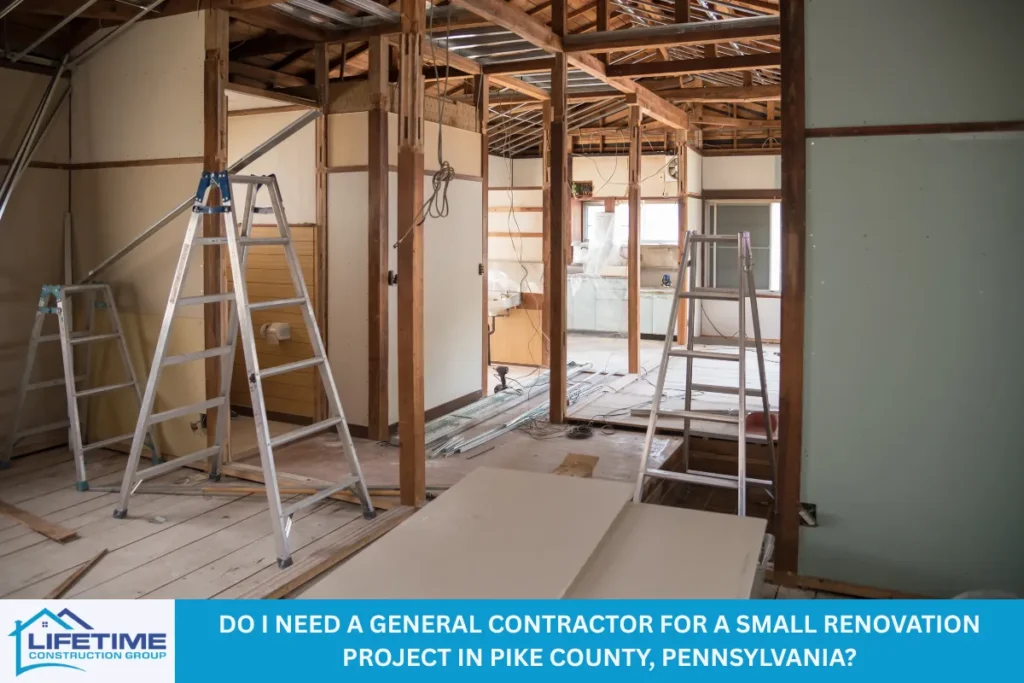
Small renovation projects may seem simple on the surface, but hiring a general contractor can make a big difference in how smoothly everything goes, especially in a place like Pike County, Pennsylvania. Whether the goal is to improve your home’s function, boost its value, or fix outdated features, renovation work often involves more moving parts than people expect.
Understanding the value of a general contractor for smaller-scale work helps homeowners decide whether to manage the project themselves or leave it in experienced hands. This article explores what general contractors do, how they fit into local renovation projects, and why their role matters even in modest upgrades across Pike County.
What Is a General Contractor?
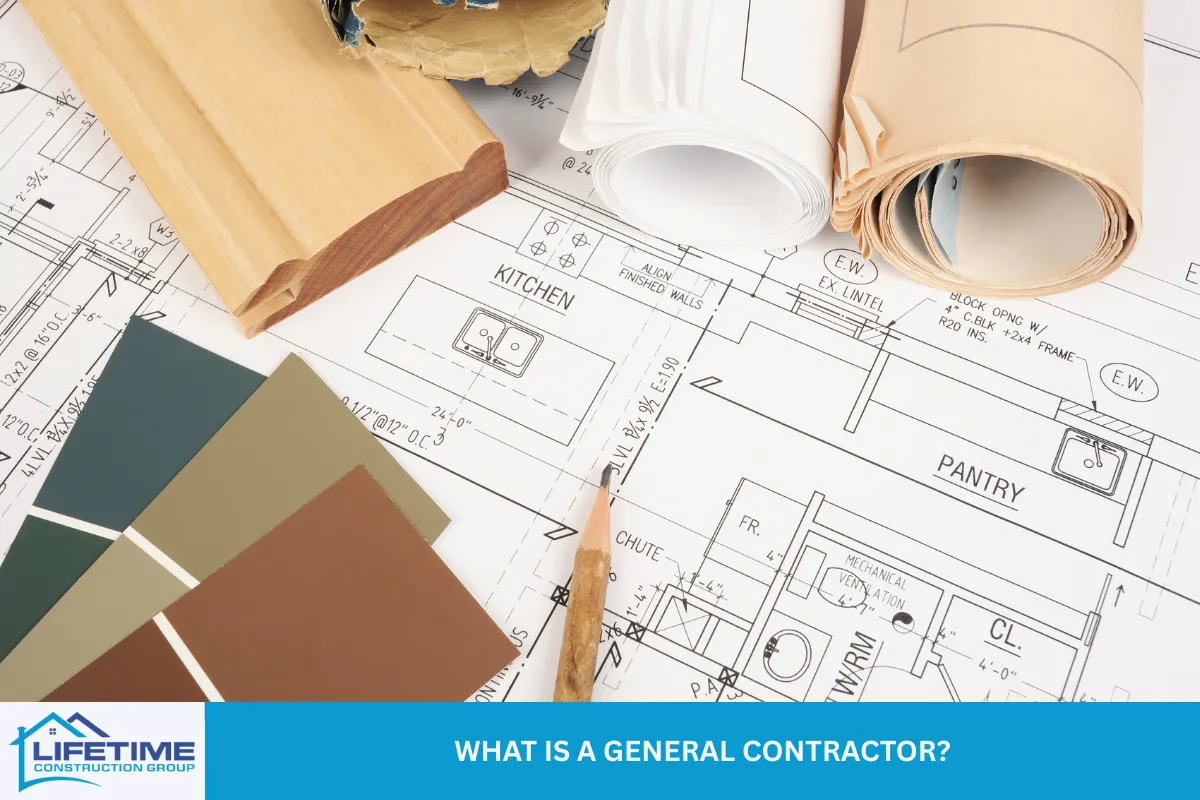
A general contractor is a licensed professional responsible for overseeing all aspects of a construction or renovation project from start to finish. Their primary role is coordination. They hire and manage subcontractors such as electricians, plumbers, framers, and painters. They also ensure that the materials are ordered, permits are secured, deadlines are met, and the finished work meets code requirements.
In simple terms, a general contractor acts as the project’s central manager. They don’t just swing hammers or pour concrete. Instead, they act as the connection point between clients, laborers, suppliers, and inspectors.
Even in smaller projects, managing multiple trades, dealing with scheduling conflicts, and navigating local construction regulations can be overwhelming. General contractors handle these details so homeowners don’t have to, which can be particularly beneficial in Pike County’s tightly regulated and varied townships.
Understanding What Qualifies as a Small Renovation Project
The phrase “small renovation project” can be misleading. While it may imply a limited scope of work, even minor updates can involve various steps and trades. Here are some common examples of small renovation projects that are frequently seen in homes around Pike County:
- Renovating a bathroom with updated fixtures and tile
- Removing a non-load-bearing wall for open space
- Installing new kitchen cabinets or countertops
- Replacing windows and doors
- Converting a garage into a finished room
- Upgrading a deck or porch
While these projects may not require tearing down walls or building new structures from scratch, they often still demand precision, proper permits, and a sequence of tasks that must follow local building codes.
Even something as straightforward as a bathroom upgrade could involve demolition, plumbing, electrical work, tiling, and painting. Without someone coordinating each stage, delays, mistakes, and miscommunication can quickly become costly setbacks.
How a General Contractor Helps Manage Renovation Complexity

A small renovation can quickly turn complicated without the right management. General contractors bring clarity, order, and efficiency by managing all aspects of the project from beginning to end.
Project Planning and Timeline Management
One of the biggest benefits of hiring a general contractor is their ability to plan the project timeline. They sequence the tasks in the right order, avoid scheduling conflicts between subcontractors, and keep everything on track. This helps prevent idle time and costly mistakes caused by poor coordination.
Skilled Labor and Reliable Subcontractors
General contractors typically work with a reliable network of subcontractors they’ve built trust with over the years. This ensures quality workmanship and faster results. Hiring subcontractors individually without knowing their work history adds risk—something a contractor can avoid.
Permit Applications and Code Compliance
In Pike County, many townships require permits for projects that involve structural, plumbing, or electrical changes. Applying for these permits and scheduling inspections can be time-consuming and confusing. A general contractor knows exactly what’s needed for each municipality, including townships like Dingman, Milford, and Westfall. They handle the paperwork and make sure every part of the renovation meets local building codes.
Budget Monitoring and Cost Control
Staying on budget is a challenge in any renovation. Contractors provide itemized cost breakdowns, know where to source materials at lower prices, and help avoid unexpected expenses. They also prevent rework caused by incorrect installation or overlooked steps.
Pike County Regulations: Why Local Knowledge Matters

Pike County has its own zoning codes, historical preservation areas, and environmental regulations that can affect how and when a renovation project moves forward. For example, certain renovations near protected lands or wetlands may need environmental permits, while work done on historic homes in places like Milford Borough often requires special approval.
General contractors familiar with these local rules can move the project forward without delay. They already understand the region’s building department procedures, inspection schedules, and seasonal limitations, such as construction restrictions in colder months.
For homeowners, this local insight translates to fewer roadblocks and faster progress. Attempting to navigate these requirements alone, especially for first-timers, often results in setbacks.
When You May Not Need a General Contractor
While general contractors offer a lot of value, there are situations where hiring one might not be necessary. Not every project requires their level of involvement.
One-Trade Projects
If the renovation involves just one trade—such as installing a new faucet or repainting a room—it’s often more practical to hire that individual service directly. These tasks don’t usually require coordination between multiple professionals or special permits.
Cosmetic Upgrades
Purely aesthetic projects, like replacing cabinet knobs, changing window treatments, or installing new lighting fixtures, generally don’t require permits or inspections. These types of upgrades are often manageable for homeowners with basic DIY experience.
Personal Experience and Time Availability
Some homeowners are skilled in construction and comfortable managing a project themselves. In these cases, with enough free time and knowledge of building codes, a general contractor may not be necessary.
However, it’s worth noting that even experienced DIYers can underestimate how much time coordination and project management will take. Once delays, supply chain issues, or inspection problems begin to pile up, hiring a contractor often becomes the fallback solution.
The Risks of Skipping a General Contractor
Cutting out a general contractor may save money up front, but it often increases the overall risk and can lead to more expenses later. Common issues include:
- Poor Workmanship: Without oversight, subcontractors may cut corners or miss critical details.
- Permit Delays or Rejections: Incomplete or incorrect paperwork can lead to delayed approvals or fines.
- Failed Inspections: If the work isn’t up to code, passing inspections becomes a major obstacle.
- Extended Project Timelines: Scheduling trades individually often results in wait times between tasks.
- Cost Overruns: Mistakes, rework, or rushed orders can drive the budget higher than planned.
What begins as a cost-saving decision can lead to a more expensive and frustrating process if not handled carefully.
Why General Contractors Are Often Worth It, Even for Small Jobs
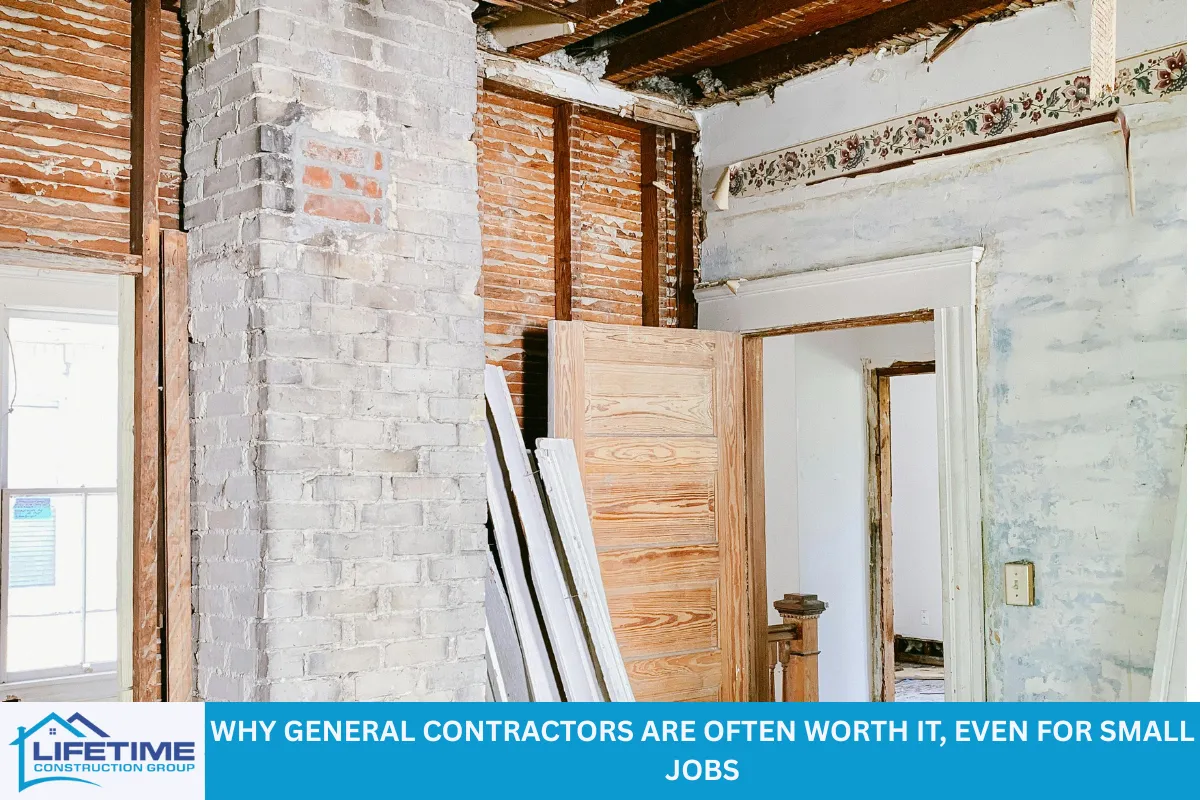
In Pike County, where weather, building codes, and permit timelines vary widely across townships, working with a general contractor often turns out to be the most efficient choice. Their experience managing even modest-sized projects ensures smoother results, fewer mistakes, and faster completion.
Homeowners often overlook the significant time spent on tasks such as calling subcontractors, sourcing materials, and arranging inspections. These tasks seem small at first, but they add up quickly. A general contractor takes on those responsibilities, allowing homeowners to focus on the outcome instead of the process.
Additionally, using a general contractor adds a layer of accountability. They are responsible for the full scope of work, and that provides peace of mind, knowing that someone is monitoring the project’s quality every step of the way.
Common Small Projects in Pike County That Benefit from a General Contractor
- Bathroom Renovations: These often involve plumbing, tiling, electrical, and fixture installation. Coordinating these trades is essential for avoiding damage and delays.
- Kitchen Updates: Even a minor kitchen renovation can become complex. Cabinetry, countertops, appliances, flooring, and lighting all need proper sequencing.
- Room Conversions: Turning an attic, basement, or garage into a livable space involves structural, electrical, and HVAC updates. These require both design coordination and code compliance.
- Deck Rebuilds: A new deck must meet safety standards, withstand seasonal changes, and pass inspections. Hiring a contractor ensures structural integrity.
- Window Replacements: In older homes, replacing windows often requires adjustments to framing and insulation. These tasks benefit from proper oversight.
Weighing Your Options Before You Renovate
Every renovation project is different, and the decision to hire a general contractor depends on your goals, budget, time, and experience. In Pike County, with its distinct regulations, weather patterns, and township-specific codes, even small projects can pose unexpected challenges. Having someone manage the details brings structure and efficiency that self-managed renovations often lack.
General contractors are not just for large home additions or new builds—they bring value to small-scale projects as well. Whether it’s through saving time, avoiding permit complications, or ensuring quality workmanship, they help turn renovation plans into finished spaces without the common headaches.
Pike County General Contractor – Lifetime Construction Group LLC
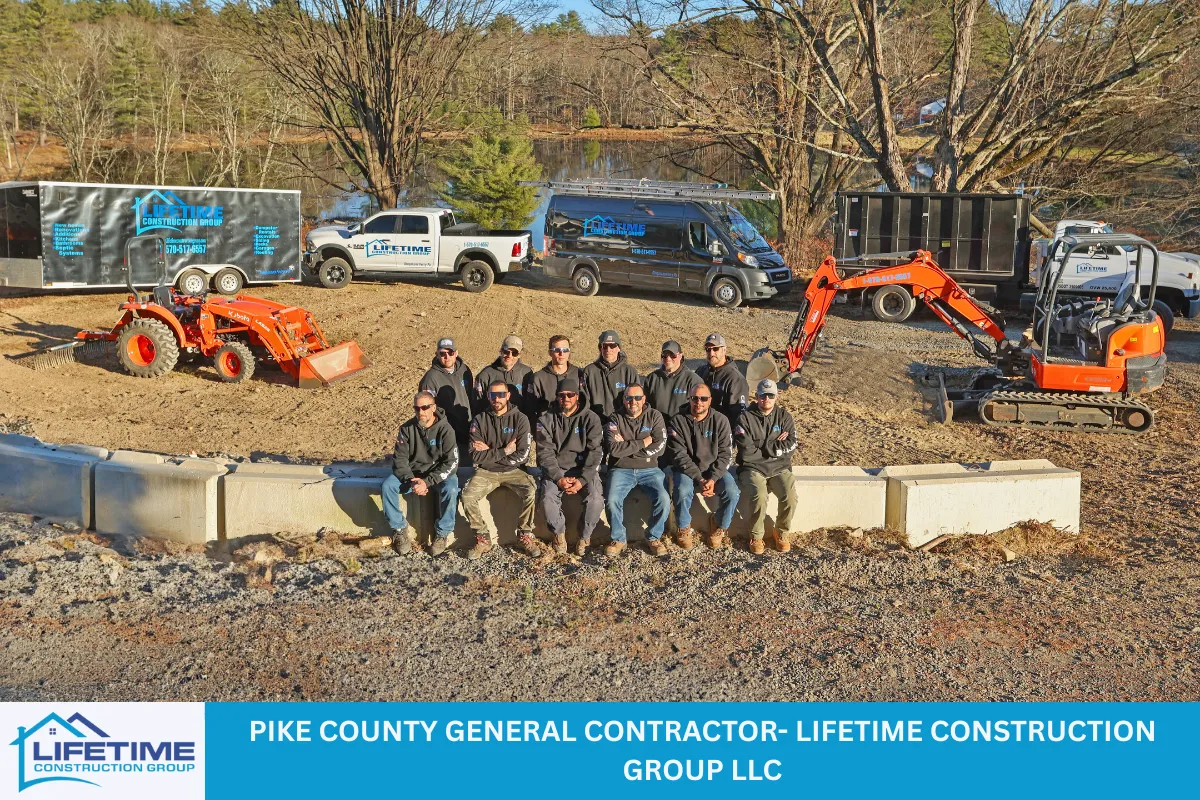
For any small renovation project in Pike County, Lifetime Construction Group LLC is your trusted general contractor. We take the stress out of the renovation process by managing everything from scheduling and permitting to quality checks and final inspections. Every project we handle is built with care, skill, and attention to detail.
Our services include roofing, siding, custom woodwork, historical renovations, garage building, and septic system installation and maintenance. We also offer dumpster rentals and site prep for residential and commercial properties. You don’t have to search for multiple contractors—we provide everything you need under one roof.
Call us today (570) 517-6557 to speak with our team!
Frequently Asked Questions About Hiring a General Contractor in Pike County, PA
What’s the difference between a general contractor and a design-build firm?
A general contractor typically comes into a home improvement project after the design phase is completed. They’re responsible for organizing subcontractors, managing the build, handling materials, and ensuring everything meets local codes and deadlines. On the other hand, a design-build firm manages both the design and construction phases under one contract, which can simplify communication and reduce project delays.
In a design-build remodeling setup, homeowners work with a single team that handles everything from architectural planning to execution. This approach is ideal for kitchen remodels, bathroom remodels, or custom home renovation projects that require a tight alignment of vision, design, and structure. The firm often employs designers, structural engineers, and licensed contractors under one roof.
Here’s how they differ:
- General Contractors: Focus on building, based on pre-existing plans
- Design-Build Services: Handle the entire process—concept to construction
- Ideal Use: Design-build is better for complex, creative construction projects requiring integrated teams
Why is liability insurance important when hiring remodeling contractors?
Liability insurance protects both the homeowner and the contractor during home remodeling or home renovation work. Without it, you’re financially exposed if there’s property damage, injury, or faulty work during the renovation.
For example, if a subcontractor accidentally floods your kitchen during a kitchen remodel, and the contractor doesn’t carry liability coverage, you may end up paying thousands in home repairs. A licensed contractor with proper insurance ensures those risks are covered, giving you peace of mind.
Here’s why it’s crucial:
- Covers Accidents: Protection against injury claims during your home projects
- Covers Property Damage: Includes mistakes that damage walls, floors, or plumbing.
- Required for Permits: Often needed to pull building permits in Pike County
- Peace of Mind: Reduces legal and financial risk for homeowners
Always ask contractors for a Certificate of Insurance. Check that it includes workers’ compensation and general liability, especially for high-value or design-build services.
What types of licenses should general contractors have in Pennsylvania?
In Pennsylvania, contractor licensing is regulated primarily at the local level. While there’s no statewide license for general contractors, municipalities like Pike County may require specific specialty licenses for certain work, such as plumbing, electrical, or HVAC. Even home improvement professionals must register with the Pennsylvania Attorney General under the Home Improvement Consumer Protection Act (HICPA).
Key licenses and registrations include:
- HICPA Registration: Required for anyone performing more than $5,000 annually in home improvement projects
- Municipal Contractor License: Depending on the township, required for larger construction projects
- Specialty Licenses: For subcontractors like electricians and plumbers
- Design-Build Firms: May need zoning approvals or architectural certifications for design-build remodeling
Hiring a licensed contractor helps with regulatory compliance, ensures quality, and allows proper filing for building permits. It also proves they meet insurance and background check standards—essential when planning major building projects or home remodeling efforts.
What are the biggest hidden costs in small home renovation projects?
Many home renovation jobs seem straightforward, but reveal hidden project expenses once work begins. In Pike County, one of the most common surprises comes from site conditions—such as outdated plumbing, mold, or structural damage behind walls.
Other unexpected costs can include:
- Building Permit Fees: Vary by township and scope of the project
- Labor Costs: Can spike if skilled trades are in high demand
- Material Upgrades: Choosing high-end materials or fixtures mid-project
- Demolition & Disposal: Removing old structures and waste, especially for bathroom remodels or kitchen remodels
- Change Orders: Client-requested changes after construction begins
Accurate cost estimates from a project manager or design-build firm can help minimize these surprises. Planning with contingencies—usually 10–20% of the total budget—is a smart move. This buffer covers upgrades, delivery delays, and hidden structural issues that surface during a home renovation project.
Does my project need a structural engineer or just a contractor?
Not all home projects need a structural engineer, but it’s essential for any work that changes the building’s stability or load-bearing elements. For example, removing a wall during a home renovation or changing the roofline during a home improvement project could compromise the structure without expert guidance.
Situations where a structural engineer is needed:
- Wall Removal: Especially if it’s load-bearing
- Foundation Issues: Cracks, sinking, or drainage concerns
- Second-Story Additions: Ensures safe weight distribution
- Sagging Floors or Ceilings: Diagnosing framing issues
- Support Beams & Headers: Required sizing and material selection
A general contractor usually identifies whether a structural engineer is needed during the planning phase. In design-build services, this professional is often part of the team. Ensuring this assessment happens early helps with regulatory compliance and streamlines the project management process.