
Building Smarter Before the First Dollar Disappears
Home construction in Dingmans Ferry, PA can get expensive fast when homeowners rush into plans, underestimate site work, or choose upgrades that look impressive but add little long-term value. That is the problem. The pressure grows when permit requirements, septic planning, stormwater issues, and rising material costs start stacking up before the framing even begins. In today’s economy, even a bare-bones build runs about $150 to $200 per square foot, so a 1,000-square-foot house starts around $150,000. That is where many budgets break. The good news is that saving money does not mean building cheap if you want to afford the full project realistically. It means making better choices earlier, working with the right home contractor, and knowing where value matters most. In a place like Dingmans Ferry, where land conditions, code compliance, and weather all affect the final price, a clear strategy can help you build a durable, comfortable home while keeping waste and surprise costs under control.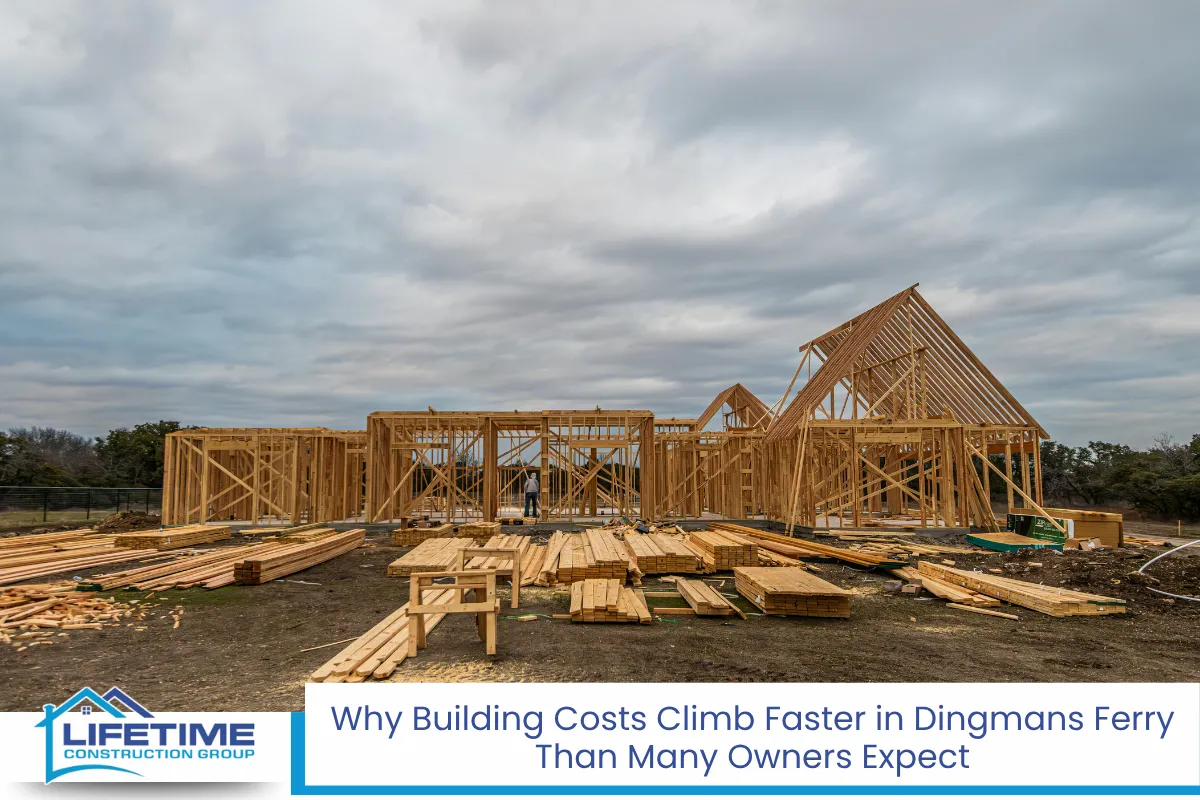
Why Building Costs Climb Faster in Dingmans Ferry Than Many Owners Expect
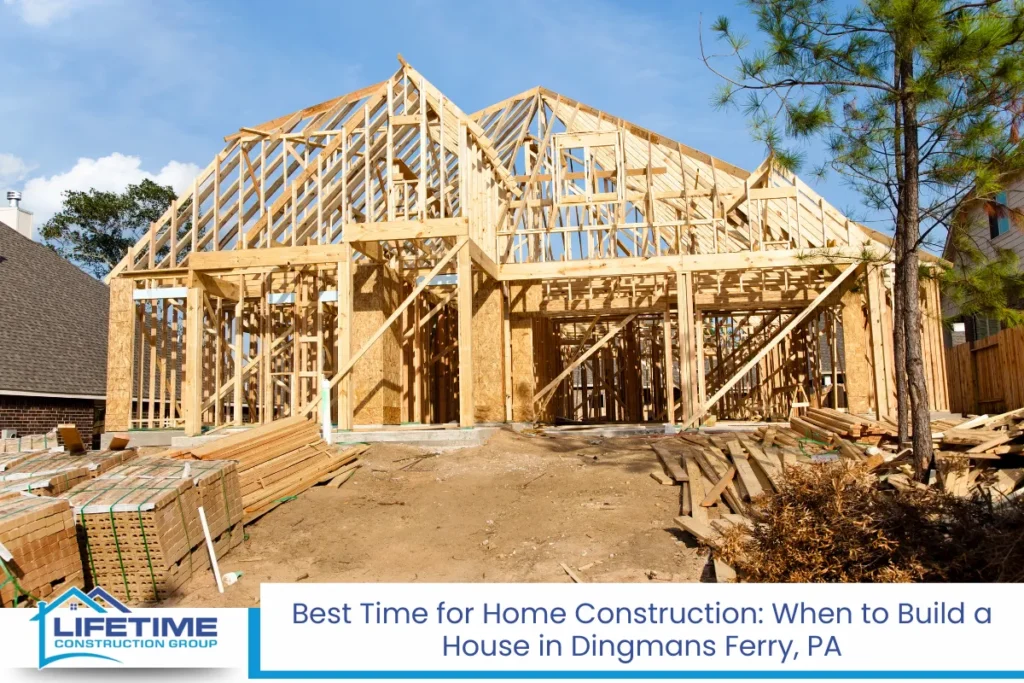
A house budget is not just lumber, concrete, and labor. In Dingmans Ferry, several local and state-level factors can raise the total project cost before your construction company even starts the main build.
First, Pennsylvania requires permits for most new construction work, and projects must comply with the Uniform Construction Code. As of January 1, 2026, Pennsylvania’s updated UCC rules are in effect for new permit applications, which means plans, inspections, and code compliance matter even more during pre-construction.
Second, many properties in the Dingmans Ferry area rely on on-lot sewage systems rather than public sewer. That means soils testing, permit review, and system design can affect both your timetable and your budget. In Pike County, erosion and sediment control can also become an issue, especially when the site disturbance is significant or the lot has slopes, runoff concerns, or nearby water resources.
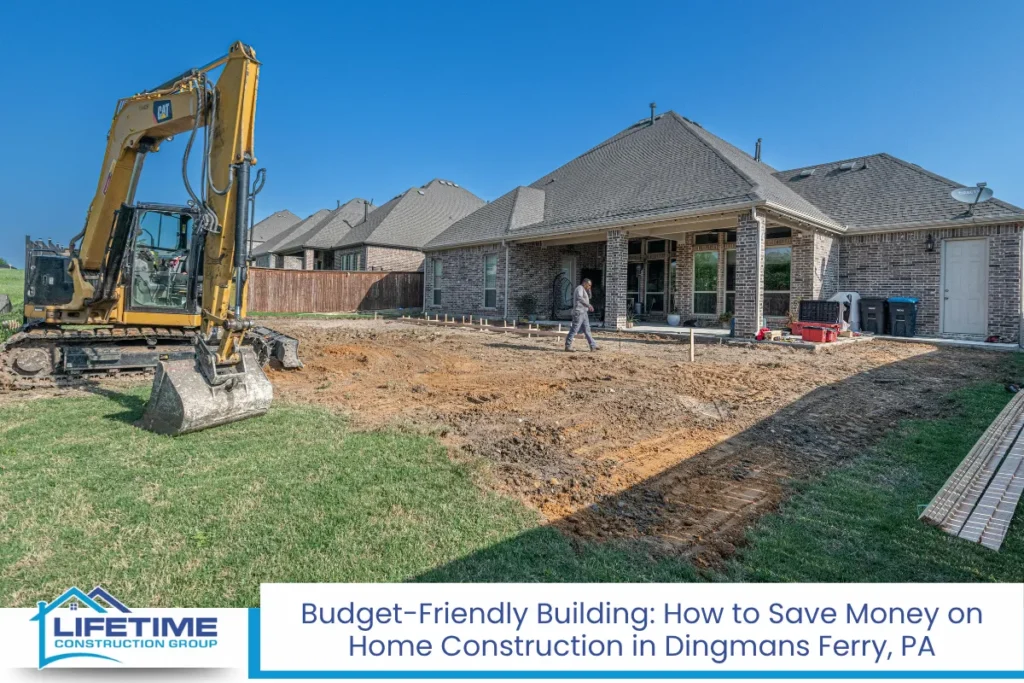
Third, mountain and woodland lots often need extra clearing, driveway work, drainage planning, excavation, or fill. The location of the lot also has a major effect on cost, because turning raw land into a buildable site without existing electric, water, and sewer connections can cost over $100,000 in prep work and utility hookups. Those are not glamorous costs, but they can decide whether your project stays affordable.
That is why some places look cheap upfront but become far more expensive once site development and utilities are counted.
Start With the Lot, Not the Finishes
Many homeowners focus on cabinets, countertops, and flooring first. In reality, the land often decides whether a project becomes budget-friendly. In many cases, buying a pre-developed lot can cost less than starting with raw land because some site work and utility hookups may already be in place.
A simple site can save thousands
A flatter lot with easier access for equipment usually costs less to develop than a steep, heavily wooded, or wet property. For buyers trying to keep site costs predictable, simple, pre-developed lots are often the most helpful choice. Extensive grading, tree removal, retaining walls, long utility runs, and drainage improvements can inflate costs quickly.
Before signing off on a build, ask your general contractor and design team to review:
- driveway length and slope
- tree clearing needs
- drainage patterns
- septic feasibility
- foundation challenges
- utility access
- floodplain concerns
Pike County guidance also stresses early review of erosion and sediment control issues, and local rules may trigger additional review when disturbed land area increases.
Do not underestimate septic and sewage planning
In areas where on-lot systems are common, septic work is not a minor side item. Soil limitations can require a more complex system, which can change both layout and cost. Dingman Township’s sewage administration and Pennsylvania’s Act 537 framework make this a critical early-stage step, not something to figure out after your floor plan is finished.
A smart home remodeler or builder knows that house placement, bedroom count, and future additions can all affect the septic design.

The Floor Plan Is Where Most Savings Are Won or Lost
You do not need a tiny home to save money. You need an efficient home.
Keep the footprint simple
A rectangular or square footprint is usually more affordable than a design full of corners, offsets, curves, and bump-outs. Every extra angle affects excavation, foundation work, framing, roofing, siding, and labor time.
A simpler footprint can reduce:
- concrete and block work
- framing waste
- roofing complexity
- siding cuts
- labor hours
- future maintenance points
This is one of the most reliable ways to control home construction cost without sacrificing livability. It also helps a home contractor deliver cleaner scheduling and fewer field adjustments.
Build up instead of spreading out
A two-story home often costs less per square foot than a sprawling one-story design because it uses less foundation and less roof for the same living area. That does not mean two stories are always best, but in many cases they offer stronger value.
Simplify the roofline
Complicated roof systems look dramatic, but they cost more to frame, sheath, waterproof, ventilate, and shingle. In northeastern Pennsylvania, simpler roofs can also help reduce weak points where snow, ice, and water problems begin. Cold-climate building guidance consistently emphasizes proper roof and attic design to prevent ice dams and moisture issues
Spend Where Pennsylvania Weather Punishes Cheap Decisions
Trying to save on the wrong items often leads to expensive repairs later. Dingmans Ferry experiences cold winters, moisture exposure, and freeze-thaw conditions, so some upgrades are worth doing right the first time.
Focus on the building envelope
A high-performing shell lowers long-term costs more than many cosmetic upgrades. That includes:
- air sealing
- insulation
- weather-resistant barriers
- quality windows and exterior doors
- attic and roof detailing
- moisture management around the foundation
The U.S. Department of Energy and ENERGY STAR both emphasize efficient home design, air sealing, insulation, and climate-responsive planning because they reduce operating costs and improve comfort over time.
Choose durable, practical finishes
Instead of chasing luxury materials everywhere, use a tiered strategy:
- put more money into kitchens, baths, and flooring in high-traffic areas
- use durable mid-range siding and roofing products
- choose fixtures and trim that are standard-sized and easy to replace
- avoid highly customized details that increase labor
The best home improvement decisions are often the least flashy. Durable materials with predictable maintenance needs usually win over trendy finishes that may age poorly.
Bid the Project in a Way That Protects Your Budget
Not every estimate tells the same story. A low number can hide allowances, missing scopes, or unrealistic assumptions. The total cost is more than the bid number because it also includes coordination, risk, and markup. Professional builders may secure better pricing from suppliers and subcontractors, while owner-builders who self-contract or aggressively price-shop local trades can sometimes trim the usual 20–30% builder markup, though margins vary and small-volume builders average about 18.9% gross profit and 4.8% net profit.
Compare detailed scopes, not just totals
When reviewing proposals from a general contractor or construction company, ask for itemized breakdowns covering:
- site preparation
- foundation
- framing
- roofing
- siding
- windows and doors
- plumbing
- electrical
- HVAC
- insulation
- drywall
- finishes
- permit-related items
- cleanup
- contingency assumptions
That helps you compare apples to apples. It also reduces the chance of surprise change orders.
Watch allowances carefully
An allowance is a placeholder. It is not a fixed final number. If the budget includes unrealistically low allowances for cabinets, tile, lighting, or fixtures, the project may look affordable on paper but end up costing much more in practice.
A trustworthy home contractor should tell you where allowances are tight before construction starts.
Ask how change orders are handled
Even good projects change. The key is to know how pricing, approvals, and scheduling will work before the first revision happens. Clear change-order procedures protect both the homeowner and the builder.
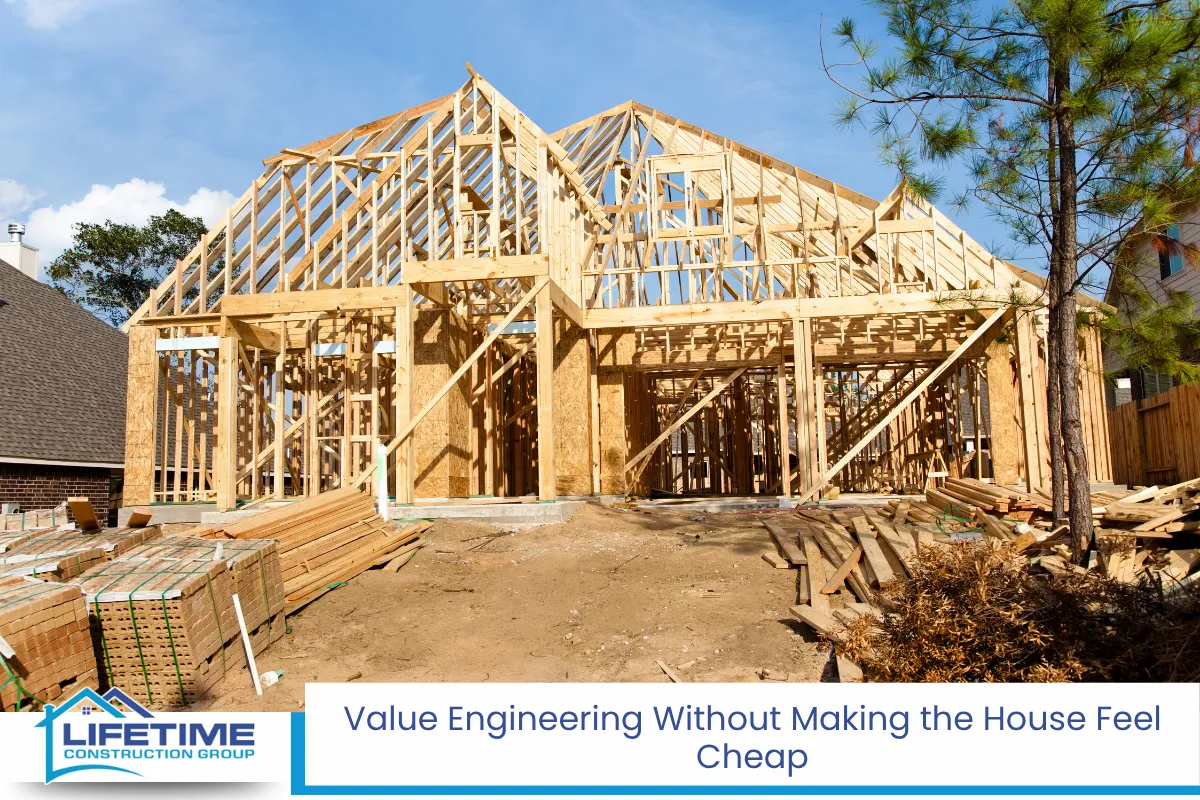
Value Engineering Without Making the House Feel Cheap
Value engineering sounds technical, but the idea is simple: protect performance while cutting unnecessary cost.
Smart substitutions that often work
Some swaps reduce cost without hurting quality:
- engineered wood instead of more expensive specialty materials in select applications
- luxury vinyl plank in some living areas instead of hardwood throughout
- standard cabinet lines with upgraded hardware instead of full custom cabinetry
- quartz or other durable surfaces instead of premium natural stone everywhere
- stock window sizes instead of multiple custom dimensions
These choices matter because custom work increases both material cost and labor complexity.
Delay nonessential features
If the budget is tight, plan now for future upgrades instead of forcing every wish into phase one.
Examples include:
- finishing a basement later
- adding a deck after the main build
- roughing in future bath plumbing
- leaving bonus rooms unfinished but framed
- prewiring for future technology upgrades
That approach keeps the core home strong while leaving room for future home remodeling and home renovation work when finances are better.
Read Pike County Pricing: What Factors Influence Home Construction Costs in Dingmans Ferry, PA?
Why the Cheapest Contractor Usually Costs More
Hiring the wrong builder can ruin a budget faster than any material choice.
A professional general contractor helps control cost by coordinating trades, sequencing work correctly, spotting design conflicts early, and keeping permits and inspections on track. In Pennsylvania, permits, required inspections, and code compliance are part of the real cost of building, not optional extras.
Look for a home contractor who can explain:
- the local permit path
- likely inspection stages
- site-specific risks
- realistic allowances
- long-lead materials
- how schedule delays affect cost
- where savings are smart and where they are risky
A builder who communicates clearly before the contract usually manages the project better after it begins.
Use Permits and Code Planning to Avoid Expensive Rework
Many owners think permits slow things down. In reality, unplanned permit issues cost more.
Pennsylvania’s UCC requires permits before most construction begins, and local forms in Dingman Township show that zoning and building documentation are part of the process for many projects. Permit exemptions exist for limited work, but new home construction is not one of them.
Why early compliance saves money
Code and permit planning can prevent:
- stop-work orders
- redesign fees
- failed inspections
- utility connection delays
- septic placement conflicts
- floodplain complications
- foundation revisions after excavation
For some properties, floodplain or stormwater issues may also shape the design. Pike County guidance specifically advises checking floodplain mapping and stormwater requirements early.
That is one reason a seasoned construction company can save money even if its estimate is not the lowest on day one.
Trim Monthly Costs, Not Just Construction Costs
Budget-friendly building is not only about the upfront number. It is also about owning a house that costs less to run.
Energy efficiency pays back in real life
A better-insulated, better-sealed house can lower heating and cooling bills for years. ENERGY STAR notes that certified new homes offer stronger energy performance, and DOE guidance highlights the value of efficient design, air sealing, and insulation.
Good long-term investments often include:
- tighter air sealing
- proper attic insulation
- efficient HVAC sizing
- better windows in key exposures
- duct sealing
- moisture control details
- heat pump consideration where appropriate
Be careful with incentive assumptions
Incentives change. For example, the IRS has stated that the Energy Efficient Home Improvement Credit applies to improvements on an existing home or additions and renovations, not newly constructed homes, and that some timelines have changed. Builder-side federal incentives for efficient new homes have separate rules and deadlines.
So if energy incentives are part of your budget strategy, verify current eligibility before counting on them.

The Best Budget Moves for Home Renovation and New Builds Alike
Not every owner in Dingmans Ferry is starting from scratch. Some are comparing new construction with home remodeling, home renovation, or a major addition.
Owner-build projects can save money on paper, but they usually require a major time commitment and a willingness to learn new construction skills.
In many cases, the same budget rules apply:
Prioritize structural and systems work first
Whether you are building new or planning a home remodeler project, spend first on the items that protect safety, code compliance, and durability:
- structure
- roofing
- drainage
- electrical
- plumbing
- HVAC
- insulation
- windows
- moisture control
Then use the remaining budget for visual upgrades.
Keep the layout efficient
Moving kitchens and bathrooms adds cost because plumbing, venting, electrical, and framing all shift. Sometimes a thoughtful redesign within the existing footprint is a better financial move than a complete interior reset.
Match the project to the neighborhood
Overbuilding can hurt return on investment. Your home improvement plan should fit the area, the lot, and your long-term goals.
A Practical Budget Checklist for Your New Home Before You Break Ground
Use this list before finalizing your project:
- Confirm zoning, permit, and UCC requirements.
- Review septic, drainage, and erosion issues early.
- Choose a simple footprint and roofline.
- Compare itemized bids, not just total price.
- Set realistic allowances for finishes.
- Protect the building envelope from the start.
- Reserve a contingency fund for surprises.
- Plan future upgrades instead of forcing everything now.
- Get change-order rules in writing.
- Work with a general contractor who understands local conditions.
That is how budget control really happens: through planning, not wishful thinking.
The Real Win Is a Home That Costs Less to Regret
Saving money on home construction in Dingmans Ferry, PA is not about cutting corners until the project looks affordable. It is about building with discipline. The owners who usually come out ahead are the ones who choose the right lot, simplify the design, respect local permit and sewage requirements, and invest in the parts of the home that matter most over time. When you work with an experienced home contractor, use realistic allowances, and make practical material choices, you can protect both your upfront budget and your long-term ownership costs. Whether you are planning a new build, a major home renovation, or future home remodeling work, the smartest dollar is the one spent before problems begin.
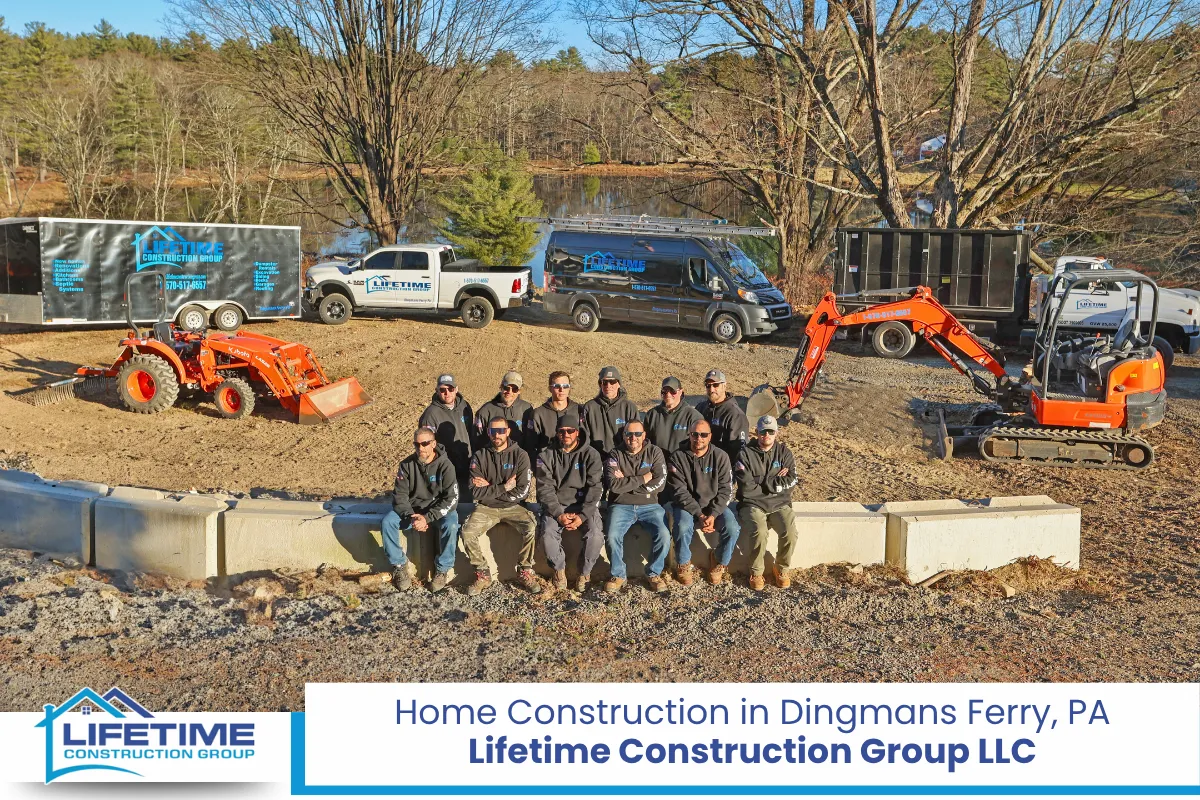
Home Construction in Dingmans Ferry, PA – Lifetime Construction Group LLC
At Lifetime Construction Group LLC, we help homeowners make home construction in Dingmans Ferry, PA more practical, efficient, and cost-conscious from the start. We know that every dollar matters, so we focus on smart planning, honest communication, and quality workmanship that protects your investment. Whether you need a trusted home contractor for a new build, a general contractor for upgrades, or guidance on home remodeling, home renovation, and home improvement projects, our team is ready to help. We proudly serve Dingmans Ferry, Pennsylvania and the surrounding areas. Call us at (570) 517-6557 to discuss your project, or fill out our contact form to get started. We are here to build the right way, with value that lasts.
Frequently Asked Questions About Security Verification and Home Construction
1. How much contingency money should I set aside for a home build in Dingmans Ferry?
A strong rule is to keep a contingency reserve of at least 10% to 15% of the total project budget, especially if your lot needs clearing, grading, drainage work, or septic planning. Rural and wooded properties can reveal hidden costs after excavation starts, including rock, wet soils, access issues, or utility complications. A contingency fund helps you absorb those surprises without downgrading critical parts of the build. It also gives you room to address permit revisions, product backorders, or minor design changes without stress. The goal is not to spend that money. The goal is to keep the project stable if something unexpected appears.
2. Is a construction loan draw schedule important for keeping costs under control?
Yes. A clear draw schedule can protect your project from cash flow problems and reduce confusion between owner, lender, and contractor. Construction loans usually release funds in phases tied to milestones such as foundation, framing, rough-ins, insulation, and completion. If the payment structure is vague, work can slow down or disputes can happen over what has actually been completed. Review the draw process before signing your contract. Make sure the project schedule, inspection timing, and lender requirements all align. This is especially important when materials need deposits or long-lead items must be ordered early to avoid delays that may increase labor and storage costs.
3. Should I live elsewhere during a large renovation, or stay in the home to save money?
It depends on the size and scope of the work. Staying in the home may reduce temporary housing costs, but it can also slow the job if crews need to phase around occupied rooms, maintain temporary utilities, or stop work earlier each day. In some cases, living elsewhere for part of the project actually saves money because the work moves faster and with fewer interruptions, especially if sitting in an active work zone creates safety issues or slows access. Think about noise, dust, bathroom access, kitchen use, child safety, pets, and heating or cooling disruptions. Ask your contractor to explain whether occupancy will affect the schedule. A shorter, more efficient project can sometimes offset the cost of temporary lodging.
4. Are custom features always more expensive to maintain after the house is finished?
Often, yes. Custom features can raise maintenance costs because replacement parts, specialty finishes, and unique installation details are harder to source later. Oversized windows, unusual roof transitions, imported fixtures, and one-off trim details may look impressive, but they can create long-term headaches during repairs or future home renovation work. Standard sizes and well-known product lines are usually easier and more affordable to service. That does not mean you should avoid all custom design. It means you should be selective. Put your custom budget into one or two meaningful focal points, then use dependable, serviceable materials and products throughout the rest of the home.
5. What documents should I keep after the project is complete?
Keep a full project file in both digital and printed form. That should include your signed contract, approved plans, permits, inspection records, change orders, warranty information, lien waivers if applicable, appliance manuals, product specifications, paint colors, flooring details, and receipts for major systems. Also keep notes on septic approvals, drainage details, and any as-built changes made during the job. These documents help with warranty claims, insurance questions, resale disclosures, future home improvement projects, and maintenance planning. A complete file can also save money later because future contractors will not need to guess what was installed or how the house was built.
Disclaimer: This article is for general informational purposes only and is not legal, engineering, tax, or code enforcement advice. Permit, zoning, septic, and construction requirements can vary by property and may change.
Read Better Flow: Can a Kitchen Remodeler in Dingmans Ferry, PA Improve Your Layout?