
Why Homeowners Ask This Question First
Roofing Contractor decisions often begin with one pressing concern: can you install a new roof over the old one and save money? Many homeowners face aging shingles, leaks, or visible wear, but the thought of a full tear-off can feel overwhelming—both financially and logistically. The idea of layering a new roof seems faster, cheaper, and less disruptive. But is it really the best choice? The truth is, while overlay roofing may seem convenient, it comes with important limitations, building code requirements, and long-term consequences. Understanding when it works—and when it doesn’t—can help you avoid costly mistakes and ensure your home stays protected for years.
What It Means to Install a Roof Over an Existing One
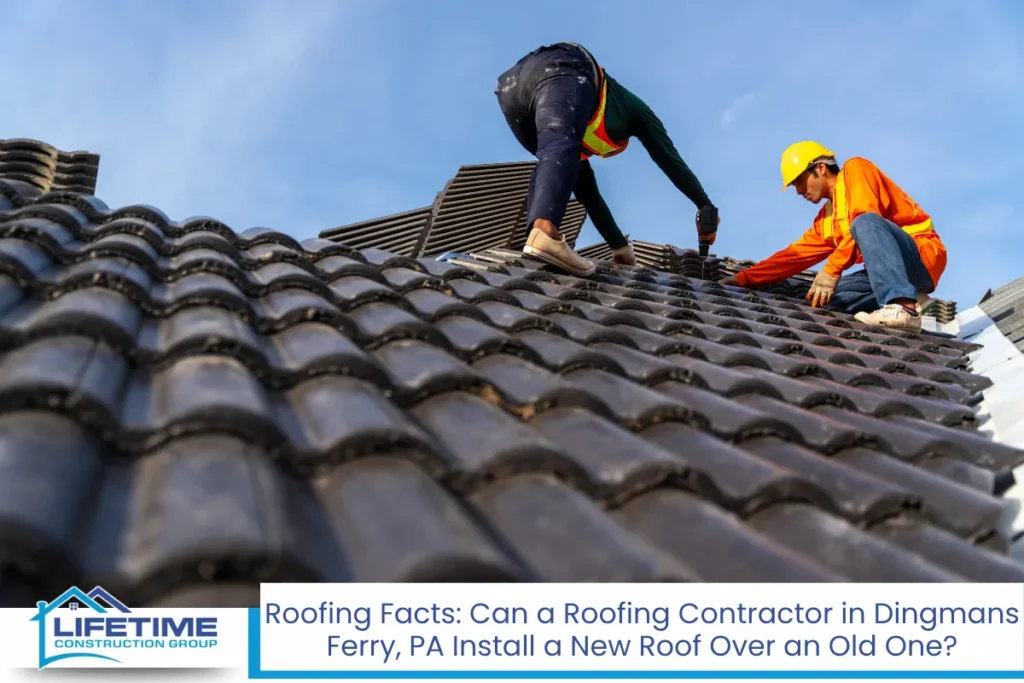
Installing a new roof over an old one is commonly referred to as a “roof overlay” or “re-roofing.” Instead of removing the existing shingles, roofers place a new layer directly on top.
Key Characteristics of a Roof Overlay
- Adds a second layer of shingles
- Requires less labor than a full tear-off
- Typically faster to complete
- May reduce upfront costs
However, not every roofing company recommends this method, and for good reason. The decision depends on your roof’s current condition, local codes, and long-term goals.
What Pennsylvania Building Codes Say About Roof Layers
In Dingmans Ferry, PA, roofing services must comply with the Pennsylvania Uniform Construction Code (UCC), which follows the International Residential Code (IRC).
Key Code Requirements
- A maximum of two layers of asphalt shingles is allowed
- If two layers already exist, a complete tear-off is required
- Roof decking must be structurally sound before adding new material
Local municipalities may enforce inspections to ensure compliance. A qualified roofing contractor will always verify these conditions before recommending an overlay.
When a Roofing Contractor May Recommend an Overlay
There are situations where installing a new roof over an old one is acceptable and practical.
Ideal Conditions for Overlay Roofing
- Only one existing layer of shingles
- No signs of structural damage
- Roof decking is in good condition
- Minimal moisture or mold issues
- Proper ventilation already in place
When these factors align, some roofers may suggest an overlay as a cost-effective short-term solution.
Situations Where Overlay Roofing Is Not Recommended
While overlays can work in limited cases, many roofing company professionals advise against them for the following reasons:
Hidden Damage Risks
- Water damage beneath shingles may go unnoticed
- Rotting wood decking cannot be repaired without removal
- Mold or mildew issues may worsen over time
Reduced Lifespan
A new layer placed over old shingles often doesn’t last as long as a full replacement. Heat retention and uneven surfaces can accelerate wear.
Added Weight Concerns
Each layer adds weight to your roof structure. In areas like Dingmans Ferry, where snow loads can be significant, this can create structural stress.
Warranty Limitations
Many manufacturers limit or void warranties when shingles are installed over existing layers.
Comparing Roof Overlay vs Full Tear-Off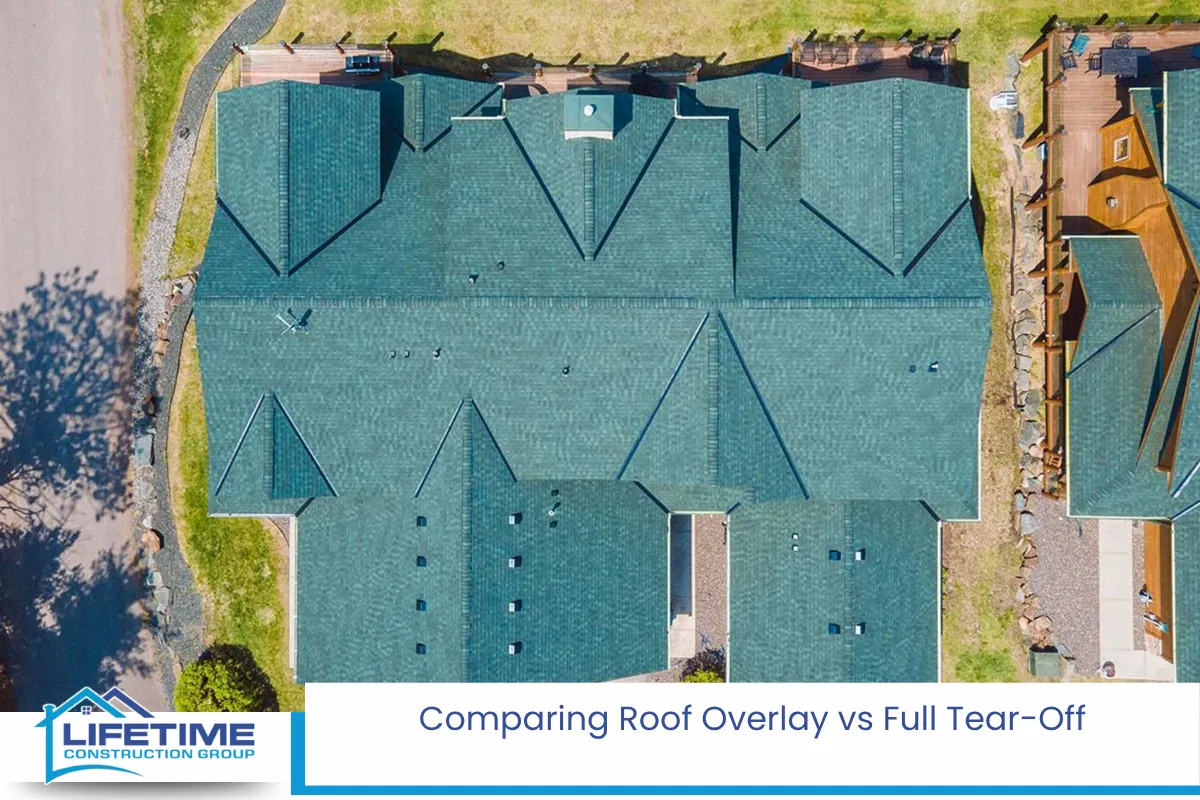
Understanding the differences helps homeowners make informed decisions.
Roof Overlay
Pros:
- Lower upfront cost
- Faster installation
- Less labor involved
Cons:
- Shorter lifespan
- Hidden damage remains
- Limited warranty coverage
Full Roof Replacement
Pros:
- Longer lifespan
- Opportunity to inspect and repair decking
- Better energy efficiency
- Stronger warranty options
Cons:
- Higher initial cost
- Longer installation time
A professional roofing contractor will evaluate your specific situation and recommend the best option—not just the cheapest.
Cost Differences: Overlay vs Replacement
One of the main reasons homeowners consider overlay roofing is cost savings.
Average Cost Comparison
- Overlay: 20–30% cheaper than full replacement
- Full tear-off: Higher upfront investment but better long-term value
While overlay may save money initially, repeated repairs or early replacement can cost more over time.
Impact on Home Value and Insurance
Choosing between overlay and replacement can also affect your home’s resale value and insurance coverage.
Real Estate Considerations
- Buyers often prefer new roofs with full tear-offs
- Overlay roofs may raise concerns during inspections
Insurance Implications
Some insurers may:
- Offer reduced coverage for overlay roofs
- Require full replacement after damage claims
It’s important to consult both your roofing company and insurance provider before making a decision.
Climate Factors in Dingmans Ferry, PA
Weather plays a significant role in roofing performance.
Local Climate Challenges
- Heavy snowfall in winter
- Rain and moisture throughout the year
- Temperature fluctuations causing expansion and contraction
These conditions can amplify the risks associated with overlay roofing, especially if the underlying structure is compromised.
Materials Matter: Not All Roofing Systems Allow Overlays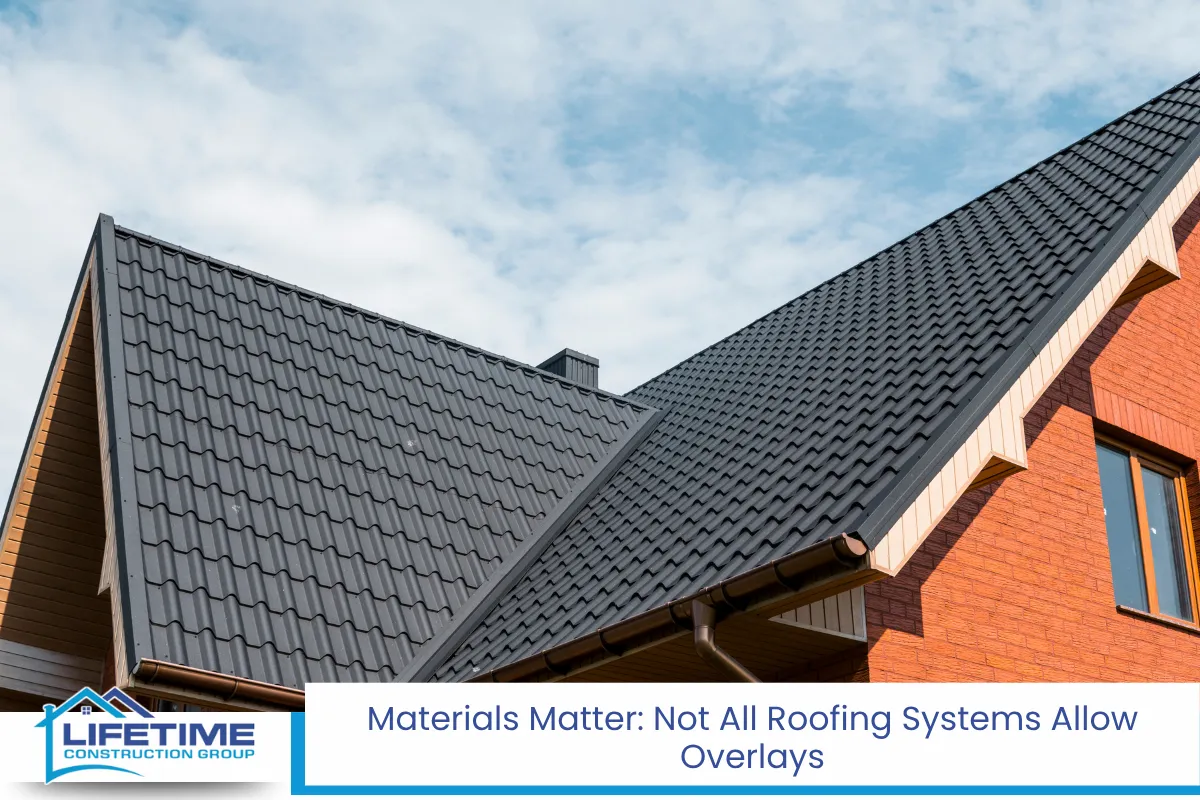
While asphalt shingles are commonly used for overlays, other materials may not be suitable.
Compatible Materials
- Asphalt shingles (most common)
Not Recommended for Overlay
- Metal roofing (in most cases)
- Slate or tile systems
- Wood shakes
A knowledgeable roofing contractor will guide you toward materials that align with your roof’s structure and local code requirements.
How Roof Inspections Influence the Decision
Before any roofing services begin, a thorough inspection is critical.
What Roofers Look For
- Shingle condition
- Decking integrity
- Ventilation systems
- Flashing and underlayment condition
- Signs of leaks or water damage
This inspection determines whether overlay is safe or if a full replacement is necessary.
Long-Term Performance: What to Expect
Choosing overlay roofing may provide short-term relief, but long-term performance varies.
Potential Outcomes
- Faster deterioration due to trapped heat
- Uneven surface affecting appearance
- Higher risk of future leaks
In contrast, a full replacement offers a clean slate, improved durability, and better energy efficiency.
Making the Right Choice for Your Home
Every roof is different. The best decision depends on your priorities, budget, and the condition of your existing roof.
Ask Yourself:
- How long do I plan to stay in my home?
- Is my current roof structurally sound?
- Do I want a long-term or short-term solution?
- What does my local building code allow?
Working with experienced roofers ensures you get accurate answers and reliable recommendations.
Roofing Contractor in Dingmans Ferry, PA – Lifetime Construction Group LLC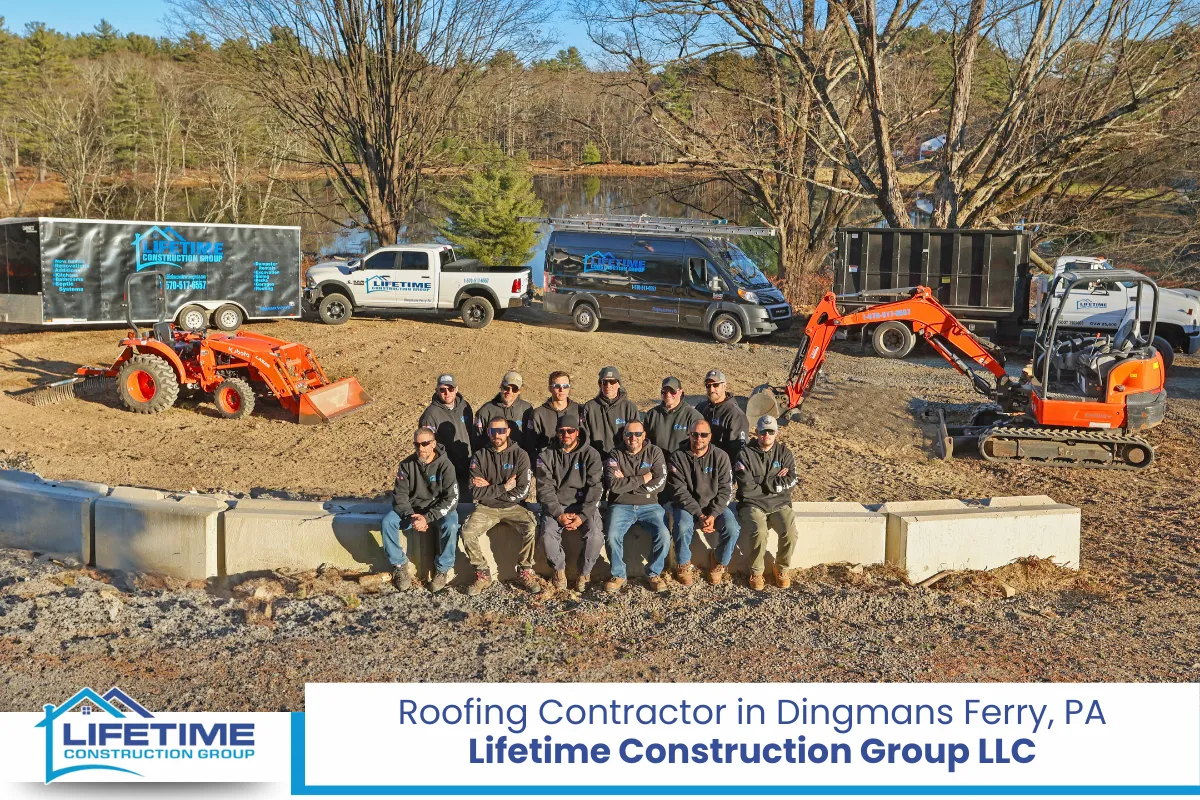
When it comes to protecting your home, we understand that choosing the right roofing contractor matters. At Lifetime Construction Group LLC, we provide reliable roofing services tailored to your needs in Dingmans Ferry, Pennsylvania and surrounding areas. Whether you’re considering a roof overlay or a full replacement, we carefully inspect your roof and explain the best options clearly. Our team delivers high-quality workmanship, durable materials, and honest recommendations you can trust. We’re committed to helping you make the right investment for your home. Call us today at (570) 517-6557 or fill out our contact form to schedule your consultation and get started.
Frequently Asked Questions
Can installing a new roof over an old one affect ventilation?
Yes, adding a new layer of shingles can impact your roof’s ventilation system. Proper airflow is essential to regulate temperature and moisture levels in your attic. When a second layer is installed, it may trap heat and reduce ventilation efficiency, leading to issues like higher energy bills or moisture buildup. Over time, this can damage insulation and shorten the lifespan of your roofing materials. A roofing contractor should evaluate your ventilation system before recommending an overlay to ensure it continues to function properly and meets local building standards.
Will a roof overlay make my home hotter?
It can. A roof overlay adds an extra layer that may trap heat between the old and new shingles. This trapped heat can increase attic temperatures, especially during warmer months. As a result, your cooling system may work harder, leading to higher energy costs. Proper ventilation and insulation can help reduce this effect, but a full roof replacement typically provides better energy efficiency. If energy performance is a concern, many roofers recommend removing the old roof to allow for modern materials and improved airflow systems.
How long does a roof overlay typically last?
A roof overlay generally has a shorter lifespan compared to a full roof replacement. While a new asphalt shingle roof can last 20 to 30 years, an overlay may last closer to 15 to 20 years depending on installation quality and environmental conditions. The underlying layer can accelerate wear due to uneven surfaces and heat retention. Regular maintenance can extend its life, but homeowners should be prepared for a shorter overall performance period compared to starting fresh with a new roof system.
Can I switch to a different roofing material with an overlay?
No, switching materials is not recommended when installing over an existing roof. Overlays are typically limited to the same material—most commonly asphalt shingles. Different materials, such as metal or tile, require specific structural support and installation methods that cannot be achieved over an existing shingle layer. If you want to upgrade to a different roofing system, a full tear-off is necessary. A roofing company can help you explore material options that match your home’s structure and long-term goals.
Does a roof overlay require permits in Dingmans Ferry, PA?
Yes, roofing projects—including overlays—generally require permits in Pennsylvania. Local municipalities follow the Uniform Construction Code, which ensures safety and compliance. Permits allow inspectors to verify that the installation meets structural and safety standards. Failing to obtain proper permits can lead to fines or complications when selling your home. A professional roofing contractor typically handles the permitting process, ensuring your project is completed legally and up to code without added stress for the homeowner.
Final Thoughts on Roofing Decisions That Matter
Choosing between installing a new roof over an old one or opting for a full replacement is more than a cost decision—it’s about protecting your home for the long term. While overlays can work in limited situations, they often come with trade-offs that homeowners should carefully consider. From local building codes in Pennsylvania to weather conditions in Dingmans Ferry, every factor plays a role in the final outcome. Consulting experienced roofers ensures your roof is not only compliant but built to last. Making an informed decision today can save you time, money, and stress in the future.
Disclaimer: This article is for informational purposes only and does not replace professional inspection or local code verification. Always consult a licensed roofing contractor in Dingmans Ferry, PA to assess your specific roof condition and compliance requirements.
Read Roofing Contractor in Dingmans Ferry, PA Tips: How Often Should You Inspect Your Roof?