
Why Roof Inspections Matter More Than Most Homeowners Realize
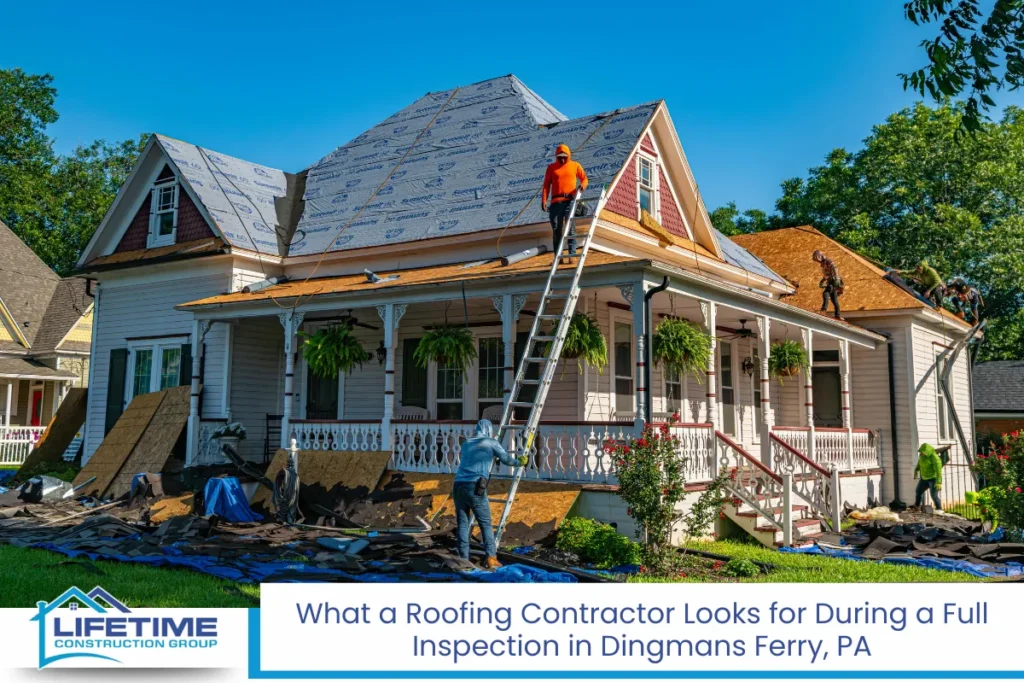
A roofing contractor knows that many homeowners overlook small issues until they become costly disasters. Minor cracks, hidden leaks, or aging materials can quietly compromise your entire roofing system. Left unchecked, these problems can lead to structural damage, mold growth, and expensive repairs. That’s where a professional inspection becomes critical. By identifying early warning signs and evaluating the condition of your roof, experienced roofers provide clarity and solutions. This article breaks down exactly what happens during a full inspection in Dingmans Ferry, PA, so you understand what to expect and how proper roofing services protect your investment.
Exterior Evaluation: The First Line of Defense
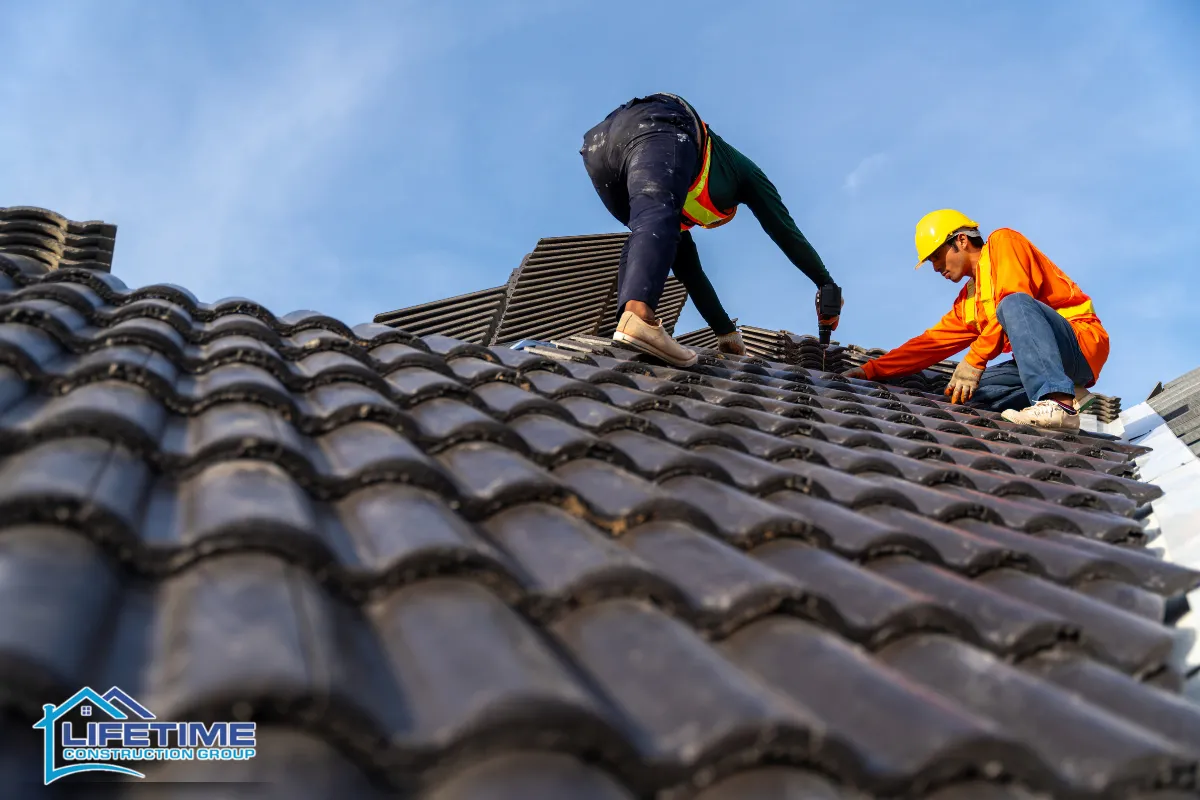
A professional inspection begins outside, where the most visible signs of wear and damage are identified.
Shingle Condition and Surface Wear
Roofing contractors typically assess the condition of shingles, looking for signs of wear, damage, or missing pieces during a roof inspection. Bald spots on shingles, cracks, or curling can indicate granule loss due to UV exposure and freeze-thaw cycles. Asphalt shingles can crack or curl due to UV degradation in summer or become brittle in harsh winter conditions.
Heavy granule buildup in gutters indicates that shingles are losing their protective layer. This often signals that a roof replacement may be approaching, especially if the roof is nearing the end of its lifespan.
Flashing and Seal Integrity
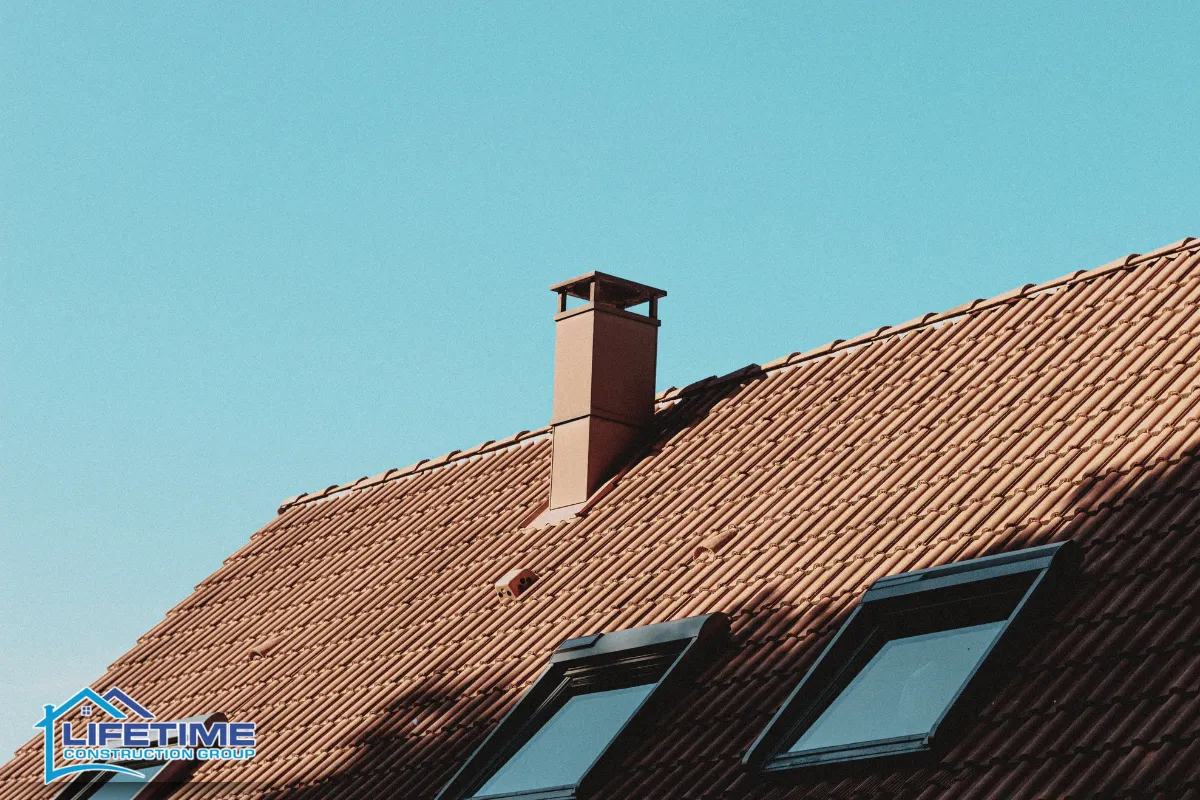
Examining seals around chimneys, skylights, and vent pipes for rust, cracks, or gaps is essential for roofing integrity. Metal seals around chimneys, skylights, and vents should be inspected for rust, gaps, or pulled-away sealant. These areas are common entry points for water if not properly maintained.
Roof Valleys and Drainage Paths
Debris buildup and damaged flashing in roof valleys are common high-risk areas for leaks. Contractors evaluate the roof’s drainage system, including gutters and downspouts, to ensure they are functioning properly and directing water away from the structure.
Clogged gutters, improper slope, and accumulation of shingle granules are indicators of aging roofing materials. Proximity to trees can result in clogged gutters from pine needles and leaves and cause physical damage from overhanging branches.
Structural Integrity: What Lies Beneath the Surface
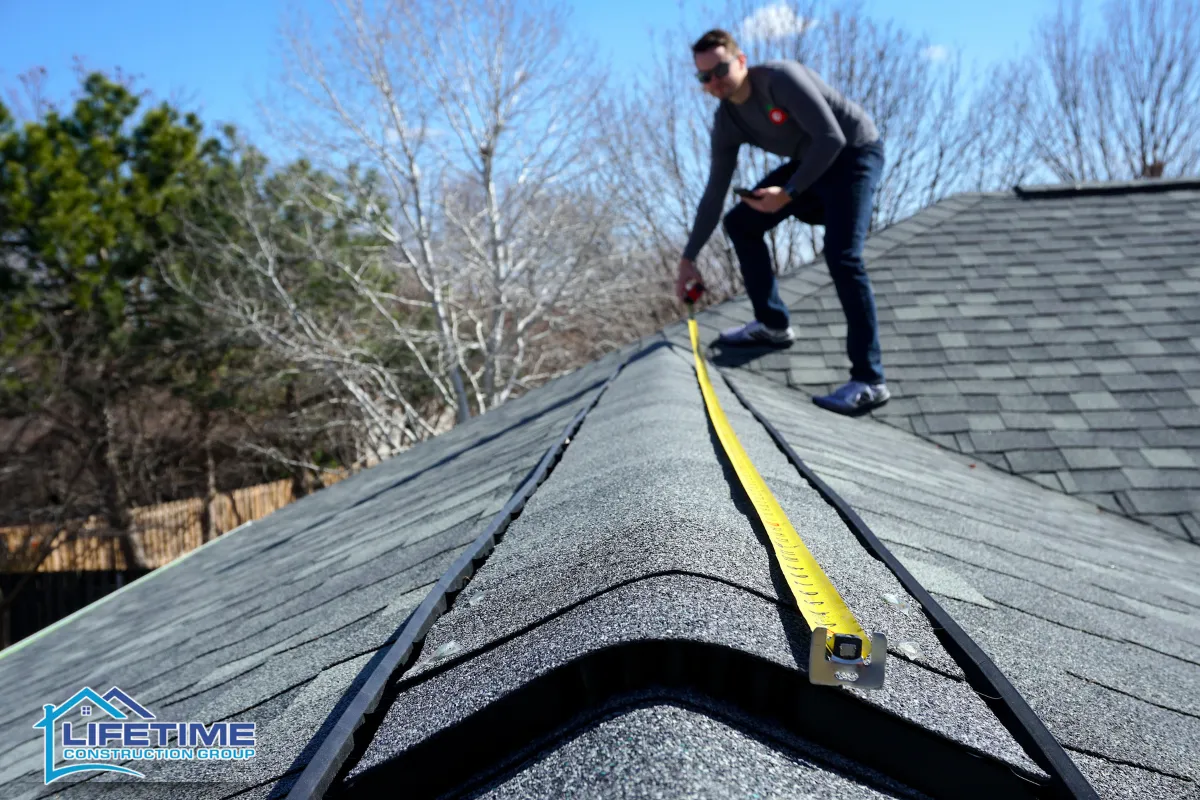
Beyond the visible surface, structural stability is a key concern during inspections.
Decking and Load Stress
During a roof inspection, contractors check for structural integrity, including the condition of the roof deck and any signs of sagging or warping. Soft spots or sagging in roof decking may suggest wood rot or structural stress from heavy snow loads.
Sagging rooflines may signal long-term moisture damage or rot in the underlying decking. These issues often require immediate attention to prevent further deterioration.
Long-Term Safety Considerations
In the construction industry, safety standards are strict. In the United States, OSHA standards require employers to have several means of fall protection available to ensure the safety of workers exposed to falls of 6 feet or more above lower levels. The fatal injury rate for roofers in the United States was 59.0 per 100,000 full-time roofers in 2021, significantly higher than the national average of 3.6 per 100,000 full-time employees.
Attic Inspection: Hidden Clues Homeowners Miss
A full inspection doesn’t stop at the roof surface. The attic often reveals underlying problems.
Moisture and Leak Detection
Water stains on rafters, damp insulation, or mold presence are indicators of moisture issues in the roofing system. Dark spots, mold, or visible “daylight” through the roof boards in the attic indicate potential water infiltration issues.
Pinholes of light, or daylight gaps, can indicate punctures or failed seals in the roofing material. Damp or compressed insulation may be a sign of recurring leaks in the roofing system.
Ventilation and Airflow
Poor airflow due to ventilation issues can accelerate shingle decay and lead to excessive heat and moisture buildup. Poor ventilation, including blocked ridge and soffit vents, can lead to ice dams in winter and damage shingles in summer.
Ice dams can form when melting snow refreezes at the eaves, leading to potential water infiltration. This is a common concern in colder climates and must be addressed through proper ventilation and insulation.
Read Roof Repair vs. Replacement: A Guide from a Roofing Contractor in Dingmans Ferry, PA
Material Assessment: Choosing the Right System
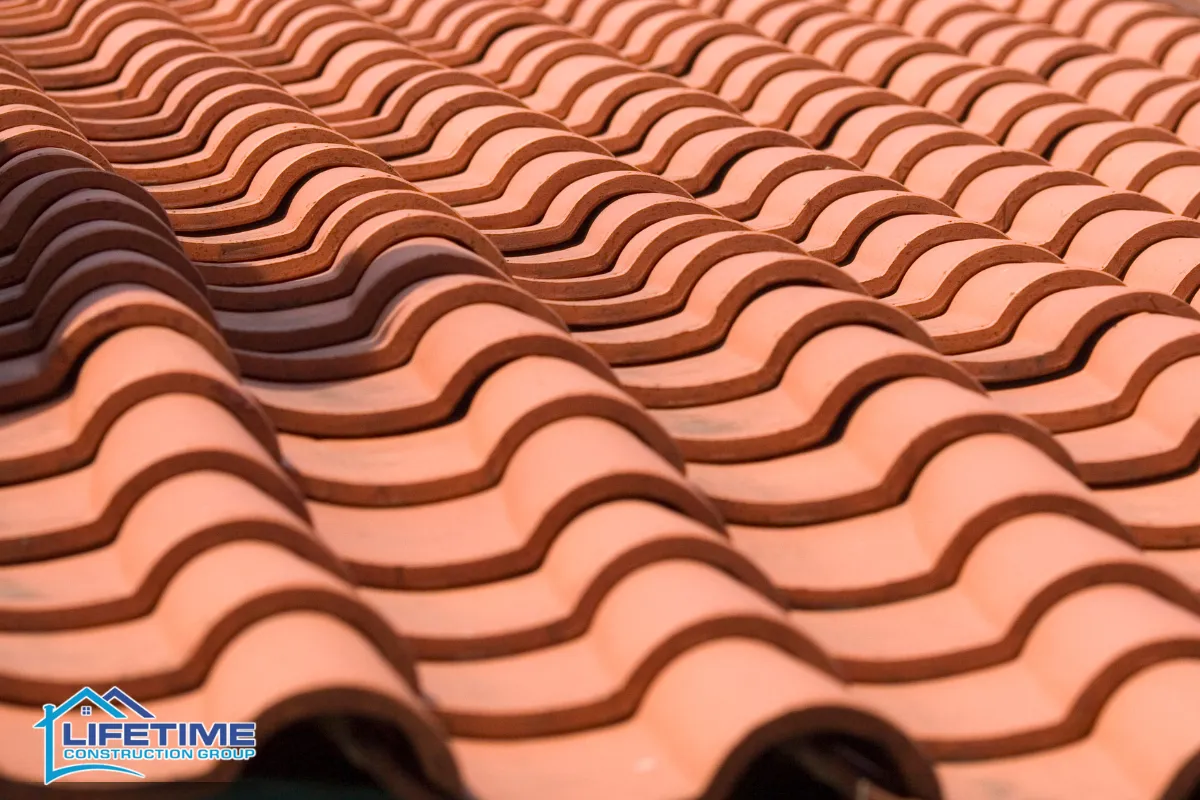
Roofing materials can vary widely, including options such as asphalt shingles, metal, tile, and slate, each offering different benefits in terms of durability, cost, and aesthetics.
Evaluating Current Materials
Rust, corrosion, or leaking seams should be inspected in metal roofs, especially in older installations. Moss and algae can trap moisture and rot shingles, particularly in damp and shaded environments. Moss or algae can thrive in humid environments and may trap moisture against shingles, causing damage.
Emerging Trends in Roofing
Metal roofing has seen a significant increase in popularity, with roofing contracting companies reporting a rise in inquiries about metal roof installations from 5-6 calls weekly. Solar roof installation is one of the fastest growing trends in the roofing industry, allowing homeowners to potentially save 40-70% on electric bills depending on the number of tiles installed.
Drainage Systems: Protecting the Foundation
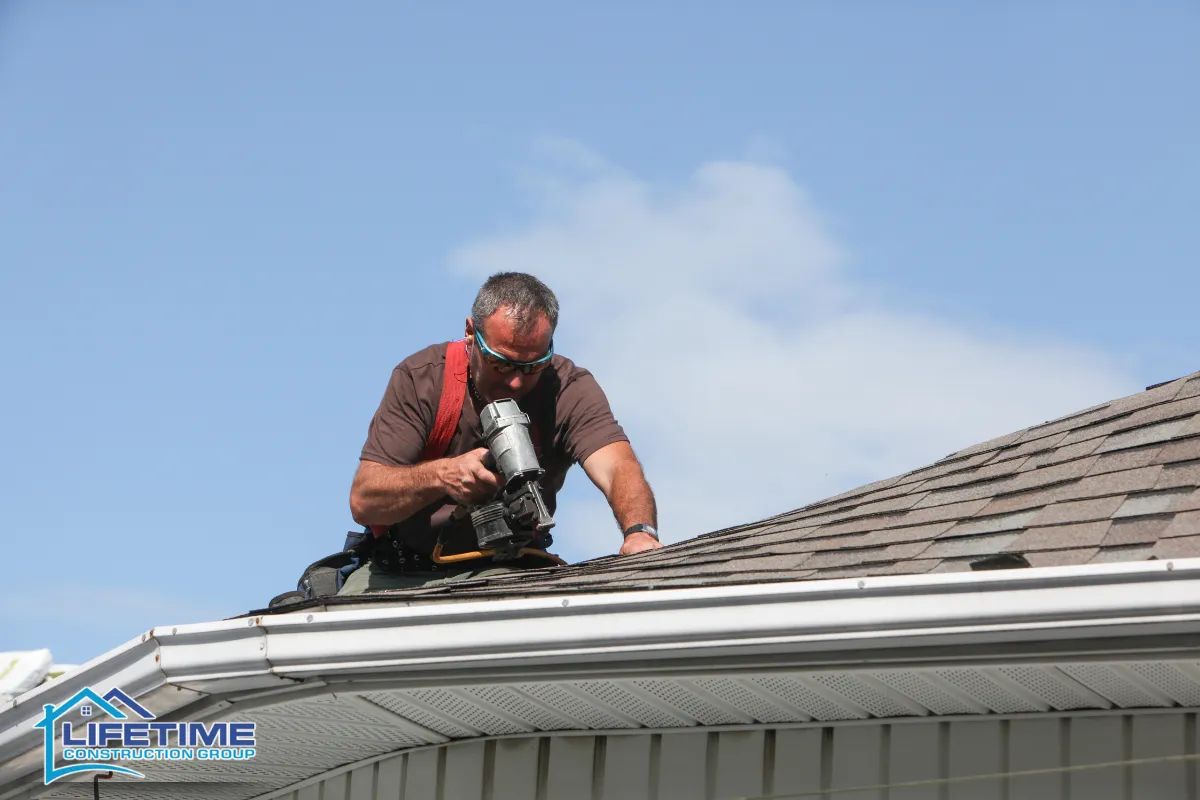
Water management is critical to preserving both the roof and the home’s foundation.
Gutters and Downspouts
Contractors evaluate gutters for blockages, slope issues, and damage. Proper drainage ensures water is directed away from the home, preventing foundation issues.
Impact on the Entire Structure
When drainage fails, water can seep into siding, weaken the foundation, and compromise structural stability. This is why inspections always include a full review of the drainage system.
Insurance and Documentation: What Homeowners Should Know
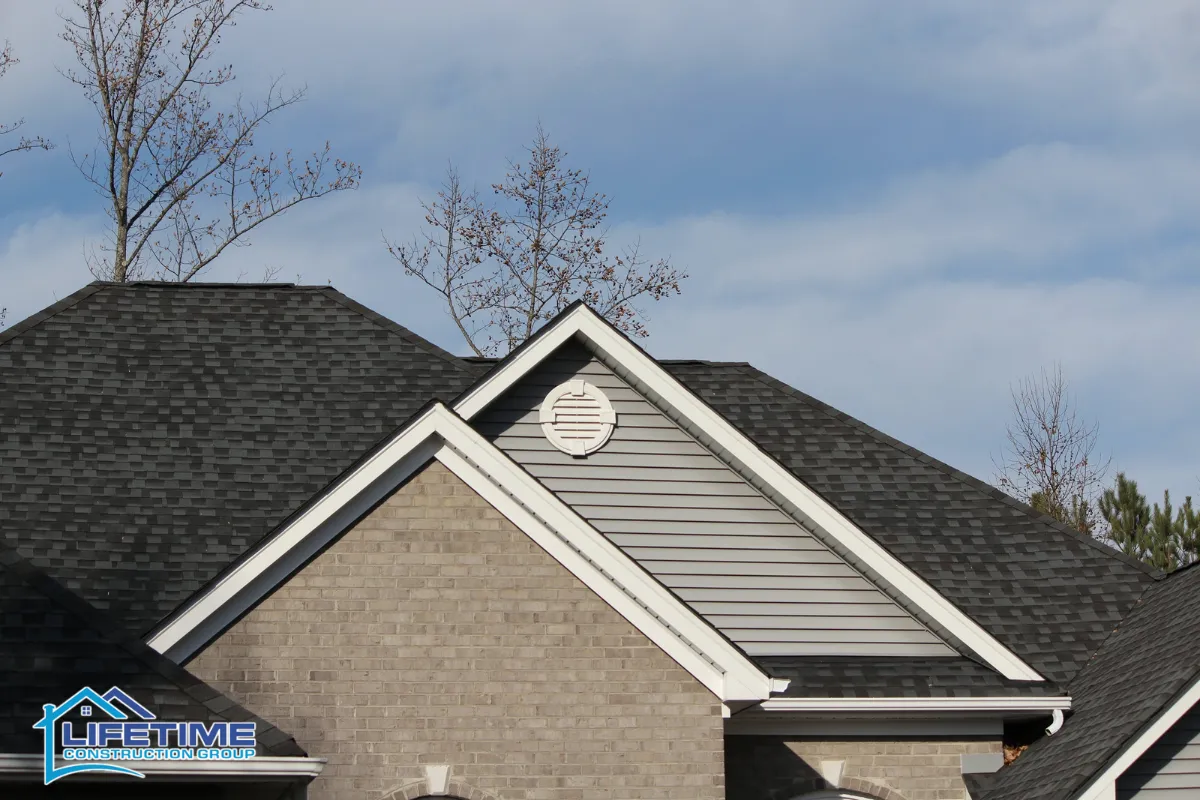
Roof inspections often intersect with insurance claims, especially after storms.
Navigating Claims Carefully
Roofing contractors often assist homeowners in navigating the insurance claims process, which can include coordinating with insurance adjusters and ensuring that all necessary documentation is submitted for approval.
Homeowners should be cautious when working with roofing contractors who claim to handle insurance claims, as multiple claims can negatively impact their insurance premiums and future coverage options.
It is advisable for homeowners to thoroughly research and understand the terms of any agreement with roofing contractors who work through insurance, ensuring that there are clauses that protect them if the insurance claim is denied.
Preventative Maintenance: Extending Roof Lifespan
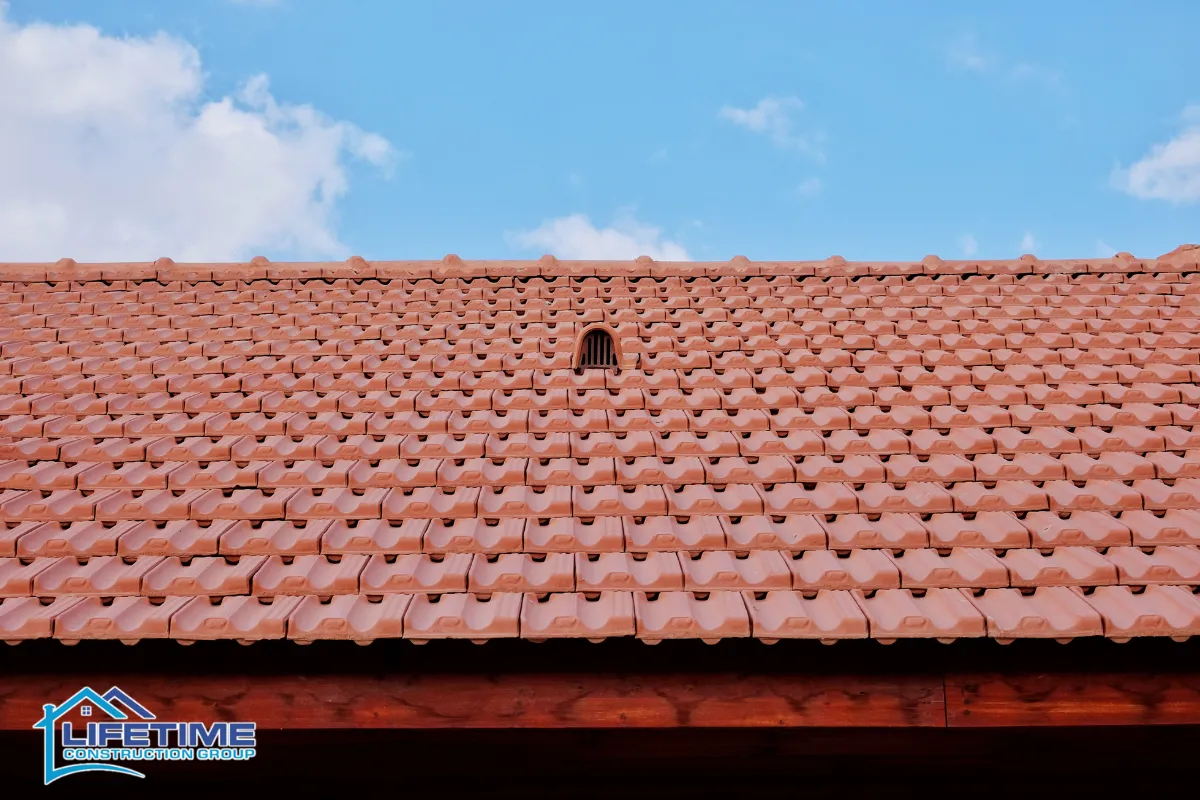
Routine inspections are not just about identifying problems—they’re about preventing them.
Common Maintenance Recommendations
- Remove debris regularly
- Trim overhanging branches
- Clean gutters and downspouts
- Inspect flashing and seals annually
- Schedule professional inspections after storms
Regular maintenance reduces long-term costs and extends the life of your roofing system.
Local Considerations in Dingmans Ferry, PA
Roof inspections in Dingmans Ferry must align with Pennsylvania building codes and safety regulations. Local requirements emphasize proper installation, ventilation, and structural integrity to handle seasonal weather changes, including snow loads and heavy rainfall.
Nearly every industrialized country has established specific safety regulations for work on roofs, including the use of personal fall arrest systems, guardrail systems, and safety nets to prevent falls. These standards influence best practices followed by local roofing companies.
Final Thoughts on Protecting Your Roof Investment
A full inspection goes far beyond a quick glance at shingles. It’s a detailed evaluation of your entire roofing system—from surface materials to structural components and ventilation. By working with experienced roofing contractors, homeowners gain peace of mind and long-term protection. Regular inspections, proper maintenance, and timely repairs are the keys to extending your roof’s lifespan and avoiding costly surprises.
Roofing Contractor in Dingmans Ferry, PA – Lifetime Construction Group LLC
At Lifetime Construction Group LLC, we take pride in delivering reliable roofing services tailored to our community. As a trusted roofing contractor, we understand what local homes face—from harsh winters to seasonal storms. Our team carefully inspects every detail, from shingles to structural components, ensuring your roof is safe and built to last. Whether you need repairs, a full replacement, or guidance on your next roofing project, we are here to help. We offer honest assessments, transparent pricing, and dependable workmanship. Call us today at (570) 517-6557 or fill out our contact form to schedule your inspection and protect your home.
Frequently Asked Questions
How often should I schedule a roof inspection?
Most homeowners benefit from scheduling a professional inspection at least once a year, ideally in spring or fall. Seasonal weather changes can cause wear that isn’t always visible from the ground. Regular inspections help detect minor issues early, preventing expensive repairs later. If your area experiences heavy storms, additional inspections may be necessary. A roofing company can identify risks specific to your environment and recommend a maintenance schedule that keeps your roof in optimal condition year-round.
What are the signs I need immediate roof repairs?
Immediate repairs are necessary if you notice leaks, missing shingles, sagging areas, or water stains on ceilings. These signs often indicate deeper structural or moisture issues that worsen over time. Ignoring them can lead to mold growth or damage to insulation and framing. A qualified roofing contractor will assess the severity and recommend timely solutions. Acting quickly helps minimize repair costs and protects your home from further deterioration.
Can a roof inspection help improve energy efficiency?
Yes, inspections can uncover issues affecting energy efficiency, such as poor insulation or ventilation problems. When airflow is restricted, heat and moisture build up, forcing HVAC systems to work harder. A professional evaluation identifies these inefficiencies and suggests improvements. Addressing them can reduce energy bills and create a more comfortable indoor environment. Energy efficiency is an important part of modern roofing services.
Is it safe to inspect my own roof?
While visual checks from the ground are safe, climbing onto the roof is risky without proper training and equipment. Professional roofers follow strict safety protocols and use specialized tools to conduct thorough inspections. Attempting a DIY inspection can result in injury or missed issues. Hiring a roofing company ensures accurate findings and protects your safety.
How long does a full roof inspection take?
A comprehensive inspection typically takes between 45 minutes to a few hours, depending on the size and complexity of the roof. Larger homes or roofs with multiple features may require more time. The process includes examining exterior surfaces, attic conditions, and drainage systems. Afterward, the contractor provides a detailed report outlining findings and recommended actions. This thorough approach ensures nothing is overlooked.
Disclaimer: This article is for informational purposes only and does not replace professional roofing inspections or local code compliance requirements in Dingmans Ferry, Pennsylvania. Always consult a licensed contractor for accurate assessments and recommendations.
Read Can a Kitchen Remodeler Help Increase Resale Value in Dingmans Ferry, PA?