
Any roofing contractor working in Pike County, PA sees the same pattern repeat every listing season: homes with clean, well-installed roofs sell faster and at higher prices than homes where the roof raises questions. The material on top of your house plays a role in that outcome, but it is not the only factor. Condition, age, local code compliance, and how well the roof fits the neighborhood all feed into what buyers are willing to pay. Most homeowners assume the most expensive roofing material wins, but that is rarely how resale math works in this market. This article breaks down how asphalt shingles, metal roofing, slate, wood shakes, and flat roof systems perform in Pike County, PA, so property owners can make informed decisions before spending tens of thousands of dollars.
Key Takeaways
- Architectural asphalt shingles deliver the strongest balance of cost effectiveness and resale value for most Pike County homes, with asphalt roofs recouping about 61% of installation cost.
- Metal and slate roofing can raise resale value in higher-end or historic properties, but higher initial costs mean the return depends on the home’s price point and neighborhood standards.
- Roof condition, structural integrity, and a recent roof inspection often influence buyer offers more than the roofing material itself.
- Matching material choices to Pike County’s snowy climate, local building codes, and surrounding homes is the most reliable way to protect your investment.
- A new roof can add $12,000 to $15,000 in value to a home, and installation quality is critical in defining that resale value.
How Roofing Materials Shape Resale Value in Pike County Homes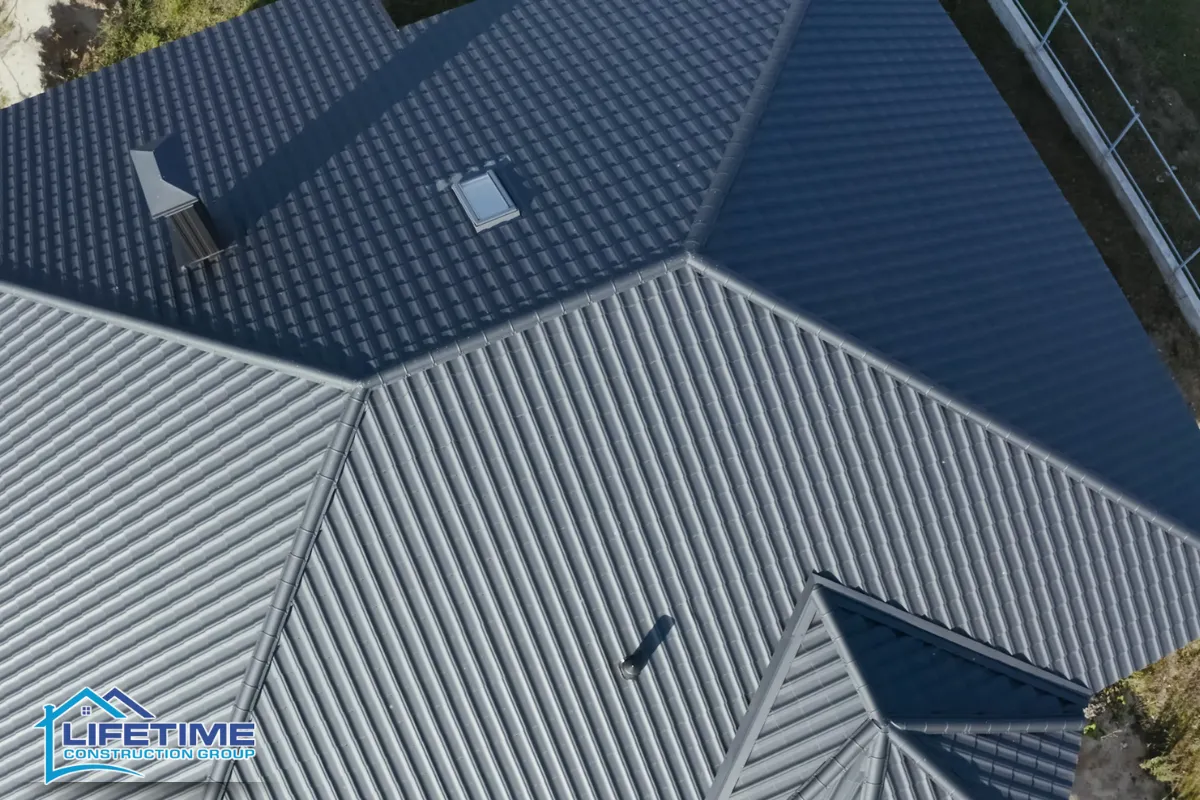
A roofing system does not exist in isolation. Its resale value depends on how it interacts with three variables: the material’s durability in Pike County’s climate, the condition it is in at the time of sale, and whether it fits the expectations of buyers in that specific neighborhood. A $50,000 slate roof on a $200,000 home in Dingmans Ferry will not deliver the same return as the same roof on a $600,000 historic property in Milford.
Common roofing materials across Pike County include architectural asphalt shingles on most single-family homes, standing seam metal on cabins and mountain properties, natural slate on historic and high-end residences, wood shakes on rustic-style homes, and flat roofs on porches, additions, and some commercial buildings. Buyers and appraisers in local communities examine roof age, warranty documentation, and visible wear during showings. A well-installed, younger roof with years of life remaining typically adds more resale value than a premium but visibly worn or poorly maintained system. Roof material selection is influenced by local climate conditions and buyer expectations, and the rest of this article explains how those dynamics play out for each material type.
Pike County Climate, Codes, and How They Influence Material Choices
Pike County experiences heavy winter snow loads and freeze-thaw cycles that stress every roofing material on the market. The Pocono region regularly sees ground snow loads of 40 to 50 pounds per square foot or higher, and ice dams form wherever attic ventilation or insulation falls short. Dense tree canopy across much of the county promotes algae growth, moss accumulation, and trapped moisture that shortens a roof’s lifespan.
The Pennsylvania Uniform Construction Code sets requirements that local roofers follow closely:
- Roof framing and deck must be designed to handle the required snow load for the specific location.
- Ice and water shield is required at eaves, valleys, and around penetrations like chimneys and skylights.
- Proper attic ventilation, including ridge and soffit vents, is necessary to reduce ice dam formation and moisture damage.
- Underlayment specifications and flashing details must meet manufacturer and code requirements.
Heavy roofing materials like slate or tile may require a structural evaluation before installation on older Pike County homes, because the framing may not support the additional dead load on top of the existing snow load rating. Buyers in Pike County value roofing material durability and maintenance, so a roof that clearly meets code requirements gives them confidence and keeps the transaction moving. Scheduling a roof inspection before listing allows sellers to document compliance and resolve small issues before they become negotiation points.
Asphalt Shingles: Balancing Cost Effectiveness and Buyer Expectations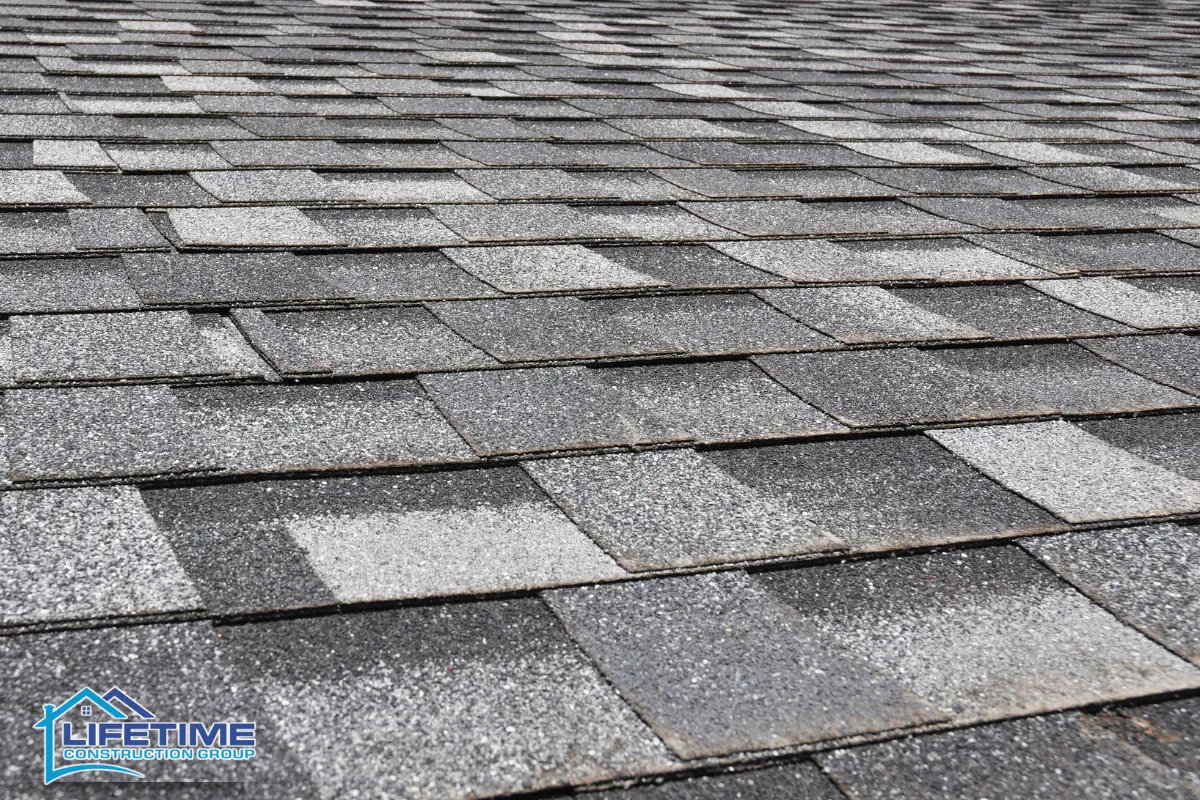
Architectural asphalt shingles are considered the standard roofing material in Pike County. Walk through any subdivision in Dingmans Ferry or Milford, and the majority of residential roofing you see will be dimensional asphalt in charcoal, weathered wood, or slate-blue tones. Asphalt shingles are often viewed as the baseline for home resale value in Pike County, which means buyers expect them and appraisers know exactly how to evaluate them.
The difference between 3-tab and architectural shingles matters to buyers. Three-tab products are flat, uniform, and cheaper, with a lifespan of roughly 15 to 20 years in northeastern Pennsylvania. Architectural shingles are thicker, multi-layered, and provide a textured look that complements various architectural styles. Quality architectural products last about 22 to 28 years with proper ventilation and installation. Aging roofs typically last 20 to 25 years in northeastern Pennsylvania before showing the kind of wear that raises questions during inspections.
A new asphalt roof can add $12,000 to $15,000 in value to a home, and asphalt roofs recoup about 61% of their installation cost. When a roof installation falls within the last 5 to 10 years, sellers can justify higher list prices and avoid inspection repair credits. Homes with new roofs are favored for reduced future expenses, which is why a fresh start with new architectural shingles before listing often makes financial sense.
Color choices affect a property’s curb appeal. Earth tones, charcoal, and slate blue tend to complement vinyl siding, natural stone, and wood exteriors common in Pike County. Moss-resistant and algae-resistant shingle options add practical value in areas with heavy tree cover. For standard neighborhoods, asphalt remains the best balance of upfront cost and resale value.
Metal Roofing and Its Appeal for Long-Term Value Buyers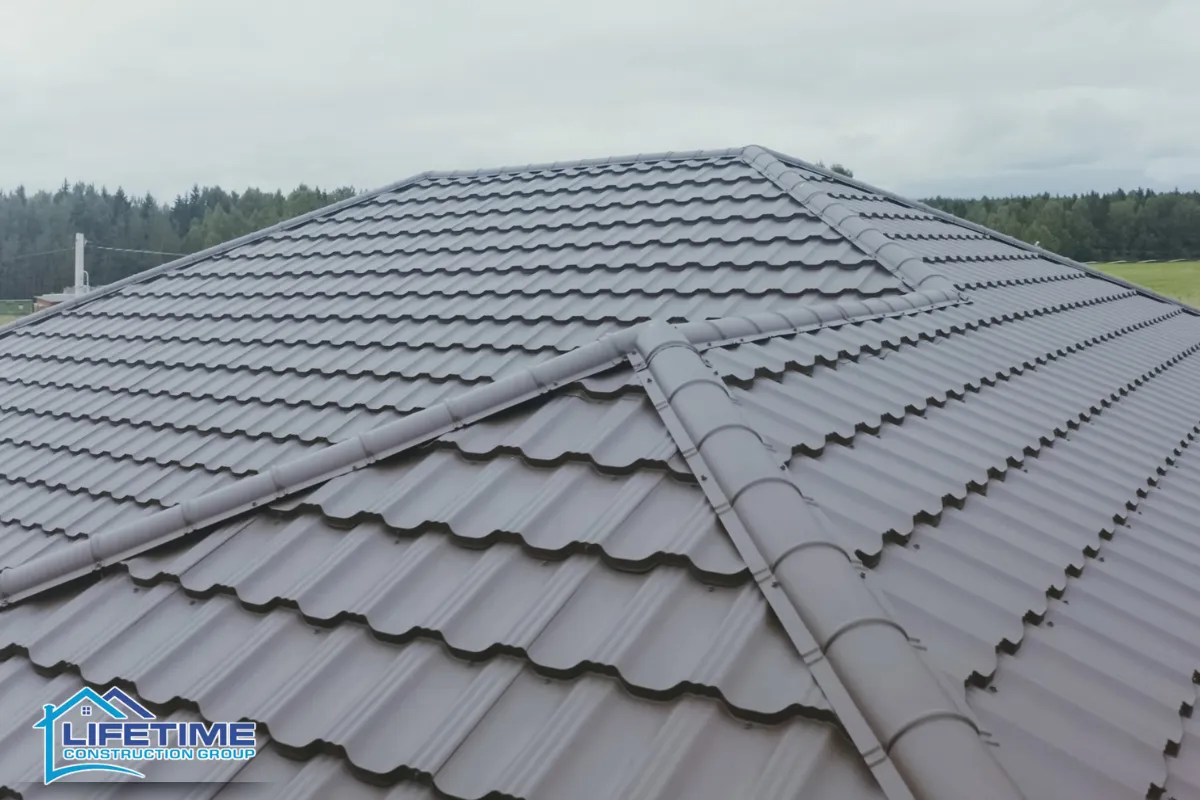
Metal roofing appears most often on cabins, mountain homes, and select higher-end properties across Pike County. Some commercial roofing applications and agricultural buildings also use metal panels. Standing seam metal roofs with concealed fasteners and PVDF or Kynar coatings represent the premium end of this category.
The advantages are concrete. Metal roofing is valued for its longevity and performance in heavy snow conditions, with service lives of 40 to 60 years or more. Snow slides off smooth metal panels more easily than it does off asphalt, reducing ice dam risk and snow load stress. Metal resists moss, algae growth, and decay under dense tree cover. Metal roofs can command a premium price in regions with extreme weather conditions, which includes Pike County’s winters.
Metal roofs can also enhance a home’s curb appeal when the color and profile fit the surrounding architecture. Fire resistance and wind performance ratings attract both buyers and insurance carriers, and some policies offer premium discounts for metal roofing systems.
The trade-off is cost. Installed prices run roughly $9 to $15 per square foot for standing seam, putting a full roof replacement on a 2,000-square-foot home in the $18,000 to $30,000 range. Higher initial costs mean the return on investment depends on the home’s price point and how long the next owner plans to stay. Metal roofs can boost property values due to durability, but in a $180,000 neighborhood, the math may not support the upgrade. In a $400,000-plus property, the premium is easier to justify.
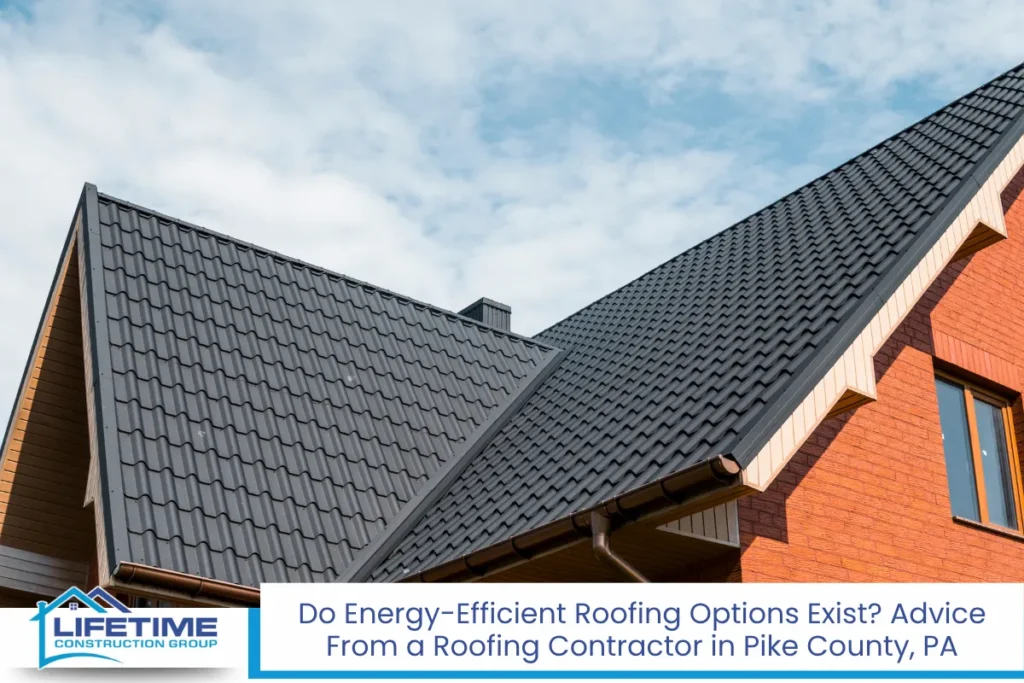
Read Do Energy-Efficient Roofing Options Exist? Advice From a Roofing Contractor in Pike County, PA
Slate and Wood: When Premium Materials Do and Don’t Pay Off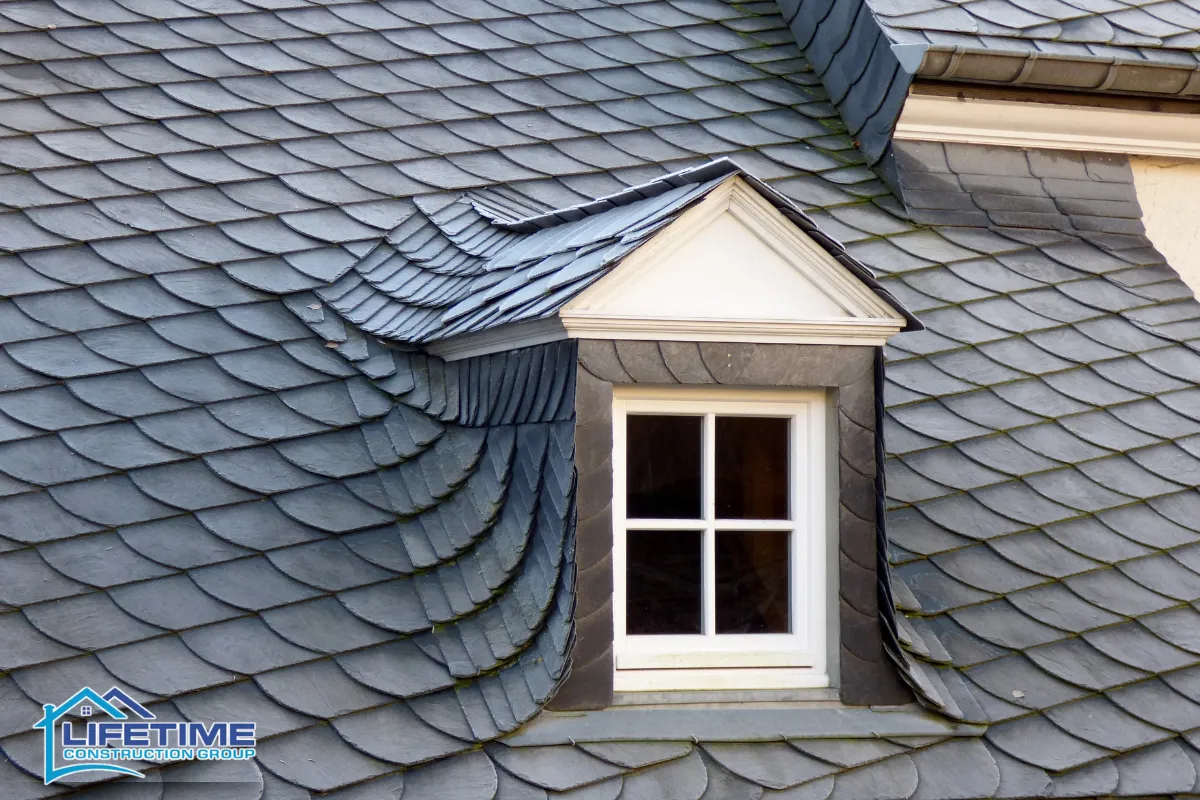
Historic Pike County homes, especially around Milford and along the Delaware River, sometimes feature original slate roofs that have lasted 75 to 100 years or more. Natural slate roofing provides luxury appeal but may not recover installation costs in mid-tier homes. The installed cost ranges from $11 to $22 per square foot, and the weight of slate demands confirmed structural integrity in the framing and deck beneath it.
For high-end or historic properties, a well maintained roof of natural slate delivers exceptional durability and authentic aesthetic appeal that resonates with buyers willing to pay for it. Higher-end roofing materials can recoup between 60% to 85% of their installation cost in the right market segment. On a $150,000 ranch home, a slate roof would be an over-investment with poor returns.
Wood shakes have aesthetic appeal but require high maintenance, impacting buyer interest. In Pike County’s humid, shaded environment, cedar shakes are vulnerable to moss, moisture damage, and decay, with realistic lifespans closer to 15 to 22 years rather than the 30 years sometimes advertised. Regular maintenance including sealing, treating, and cleaning is non-negotiable for wood roofs. Many mainstream buyers today prefer lower-maintenance residential roofing services, so the pool of interested purchasers shrinks.
Clay tiles offer a timeless look that appeals to buyers, and tile roofs can last over 50 years. But tile is rare in Pike County because freeze-thaw cycles cause cracking, and the weight creates the same structural concerns as slate. Regional expectations dictate whether premium materials provide a good return on investment, and in most Pike County neighborhoods, they do not unless the home’s architecture and price point demand them.
In some cases, replacing failing slate with high-end architectural shingles actually broadens buyer interest and simplifies inspections while maintaining strong visual appeal.
Flat Roofs in Pike County: Resale Risks and How to Manage Them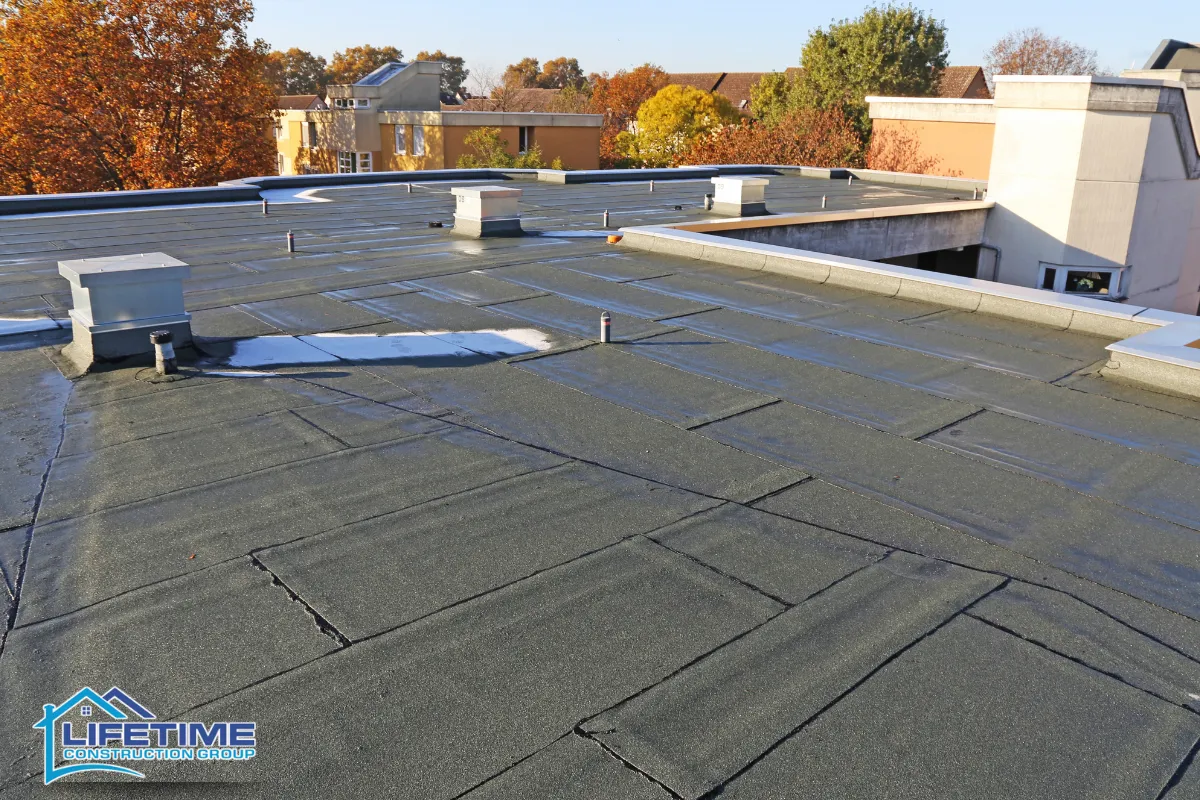
Flat roofs appear on additions, porches, balconies, and some small commercial buildings across Pike County. Common flat roofing materials include modified bitumen, EPDM rubber, and TPO membranes. When properly installed with correct drainage, these systems deliver 20 to 30 years of service.
Flat roofs often worry buyers. Ponding water, leak history, and the potential for more frequent flat roof repair raise red flags during inspections. Poor drainage accelerates membrane deterioration, and visible evidence of past leaks can stall negotiations or reduce offers.
Sellers can manage this risk:
- A recent membrane replacement with documented warranty removes the largest objection.
- Clean seams, functional drainage, and intact flashing signal professional workmanship.
- A pre-listing roof inspection report on flat sections provides appraisers and buyers with third-party confirmation of condition.
- Pairing a flat section with robust gutters and downspouts, including gutter installation where missing, helps preserve both the roof and the foundation.
When flat roof repair or replacement has been completed recently and the documentation is clean, this potential liability becomes neutral or a small positive during resale.
How Roof Age, Condition, and Maintenance Influence Buyer Offers
Material type matters, but age and visible condition drive negotiations in most Pike County real estate transactions. Quality roofing can create a perception of care and quality across the entire property. The reverse is equally true: visible roof disrepair can deter potential homebuyers, and homes with aging or failing roofs may trigger buyer objections, affecting sale speed.
Inspectors look for specific problems:
- Shingle granule loss and curling, which indicate aging asphalt roofs approaching the end of their service life
- Missing shingles or cracked slate pieces
- Failed or lifting flashing around chimneys, skylights, and valleys
- Soft spots in decking that suggest moisture damage
- Signs of prior leaks in attic framing or ceiling staining
- Gutter damage or blocked downspouts causing water backup
Newer roofing reduces buyer concerns regarding immediate replacements and maintenance. Even a mid-life roof benefits from documented roof repair records, regular cleaning, and maintained gutters. Transferable warranties enhance buyer confidence and can influence resale value, so sellers should keep receipts and warranty paperwork from past roofing services to share with real estate agents and potential buyers.
A targeted repairs visit before listing, including sealing penetrations, replacing a few damaged shingles, and clearing moss, can eliminate cosmetic issues that imply neglect. Costly repairs after an inspection often exceed what the same work would have cost proactively.
Neighborhood Standards, Appraisals, and Matching Your Roof to Your Market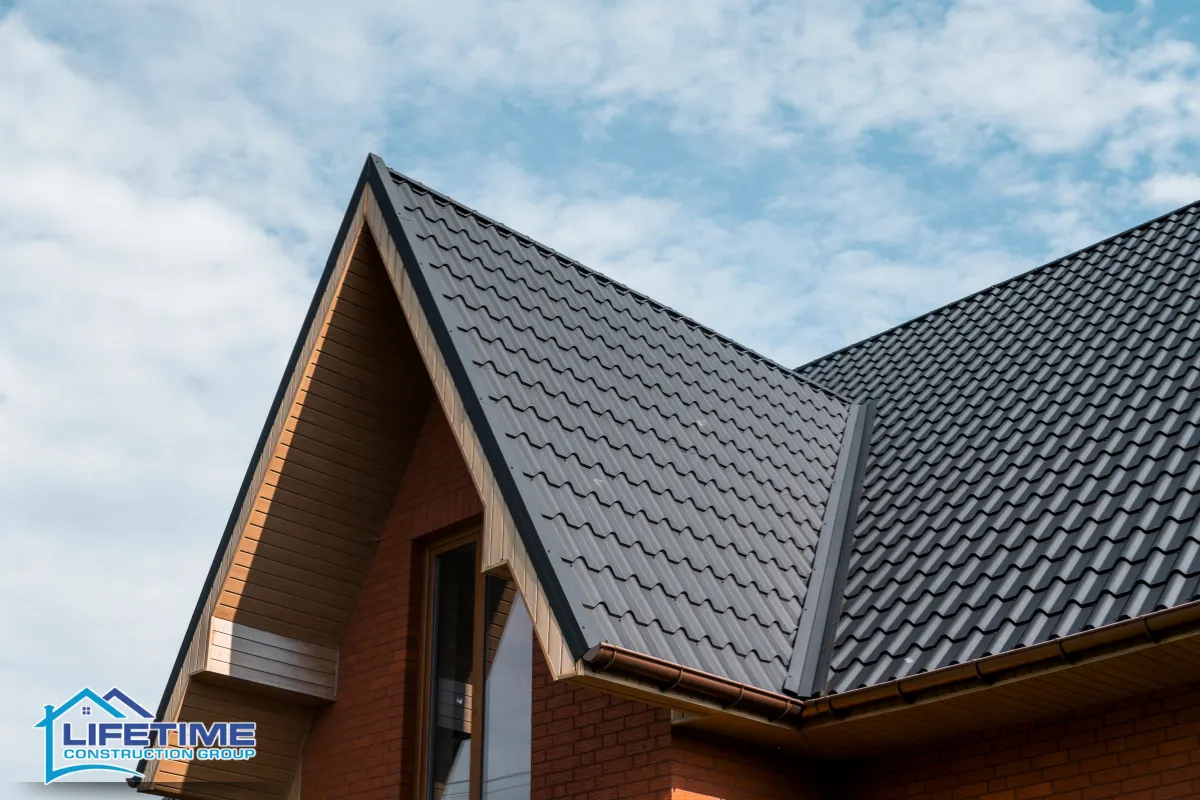
Roof material and style should align with surrounding homes. Over-roofing, meaning installing premium materials in modest neighborhoods, limits return on investment. Under-roofing, meaning using budget shingles in a luxury pocket, hurts buyer perception and can lower the appraised value relative to comparable sales.
Appraisers primarily evaluate roofs based on remaining life and condition, but the material can still influence overall marketability. A home with a 5-year-old architectural asphalt roof in a neighborhood of similar homes will appraise well. A metal roof in the same neighborhood might appraise similarly but could narrow the buyer pool if the visual appeal does not match surrounding properties.
Before choosing a replacement material for resale:
- Review recent local sales and listing photos to identify common roof types, colors, and profiles among successful sales.
- Coordinate roof color with siding, windows, and entry doors for a cohesive exterior that maximizes enhanced curb appeal.
- Consult a roofing company and your listing agent together to align the roofing project with market expectations.
Energy Efficiency, Ventilation, and Long-Term Ownership Costs
Buyers prefer energy-efficient roofing materials to reduce heating and cooling costs. This preference is growing in Pike County as utility rates rise and more buyers ask about indoor temperatures, insulation, and energy costs during showings.
Energy-efficient roofs can lower cooling expenses by up to 15%. Metal roofs with reflective coatings reduce cooling costs by bouncing solar radiation away from the building envelope instead of absorbing it. Even lighter-color asphalt shingles or cool roof technologies improve energy efficiency and property value by reducing summer heat gain through the attic. Energy Star ratings indicate a roof’s ability to reflect sunlight, giving buyers a quick benchmark for comparison.
Attic ventilation plays a direct role. Ridge vents paired with soffit vents create continuous airflow that keeps the roof deck cooler in summer and drier in winter, extending the roof’s lifespan and reducing ice dam formation. While Pennsylvania’s energy codes set minimum standards, upgraded ventilation and underlayment can differentiate a property for energy-conscious buyers.
Energy-efficient roofing materials boost property value over time, and including those details in listing descriptions helps justify a higher asking price.
Practical Steps for Homeowners Planning a Value-Focused Roof Project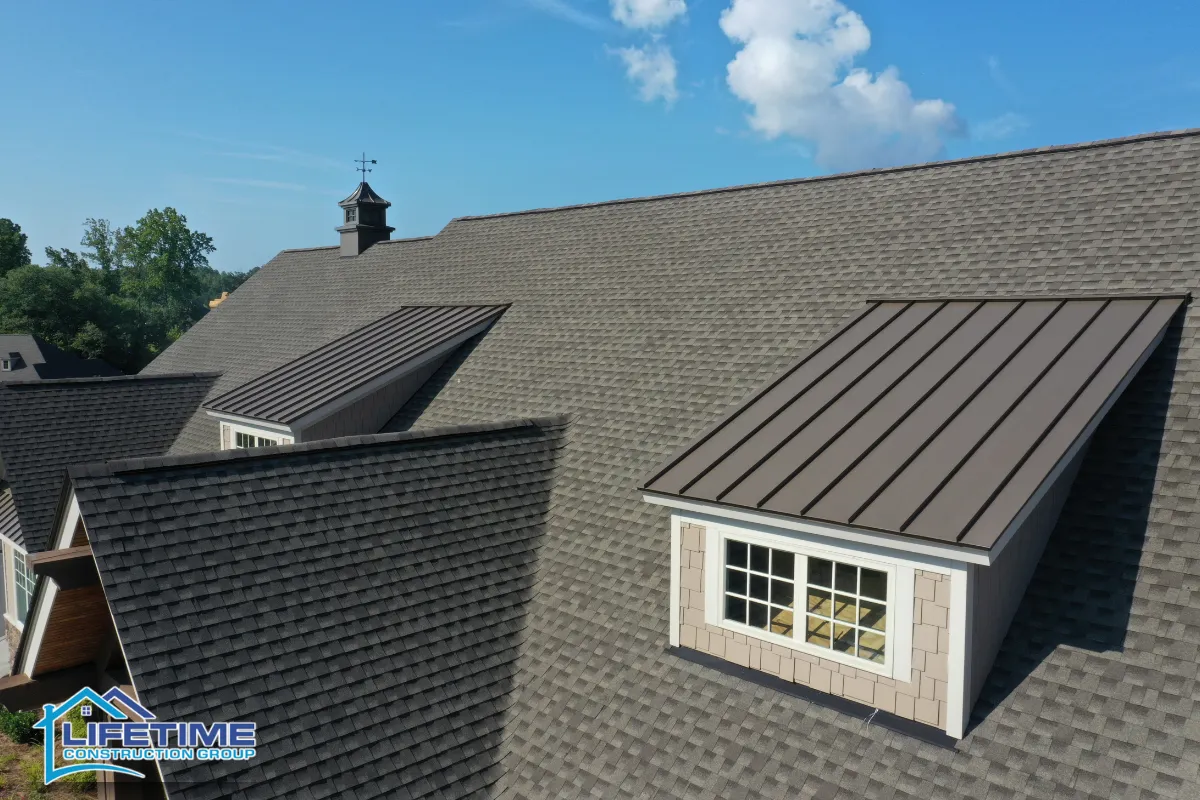
For owners considering roof replacement before selling within the next 3 to 7 years, the process should be deliberate rather than reactive.
- Schedule a professional roof inspection to establish current condition, remaining lifespan, and any code compliance gaps.
- Review findings with a trusted roofer and clarify whether targeted repairs, a partial fix, or full roof replacements make financial sense.
- Compare 2 to 3 material options, such as mid-range architectural asphalt versus upgraded impact-resistant shingles versus metal where the price point supports it, with cost and expected return estimates.
- Coordinate roof color and profile with any planned exterior projects like painting or siding replacement to maximize visual appeal across the home’s facade.
- Time the roof installation so the home can be photographed and listed shortly after completion, while the roof still looks new.
- Choose established local roofing professionals familiar with Pike County codes, weather conditions, and typical buyer expectations to ensure top quality installations and avoid inspection surprises.
Getting a free estimate from more than one contractor gives homeowners a realistic cost range and helps confirm that the scope of work, strong warranties, and material choices align with the goal of long lasting protection and resale value.
Roofing Contractor in Pike County, PA – Lifetime Construction Group LLC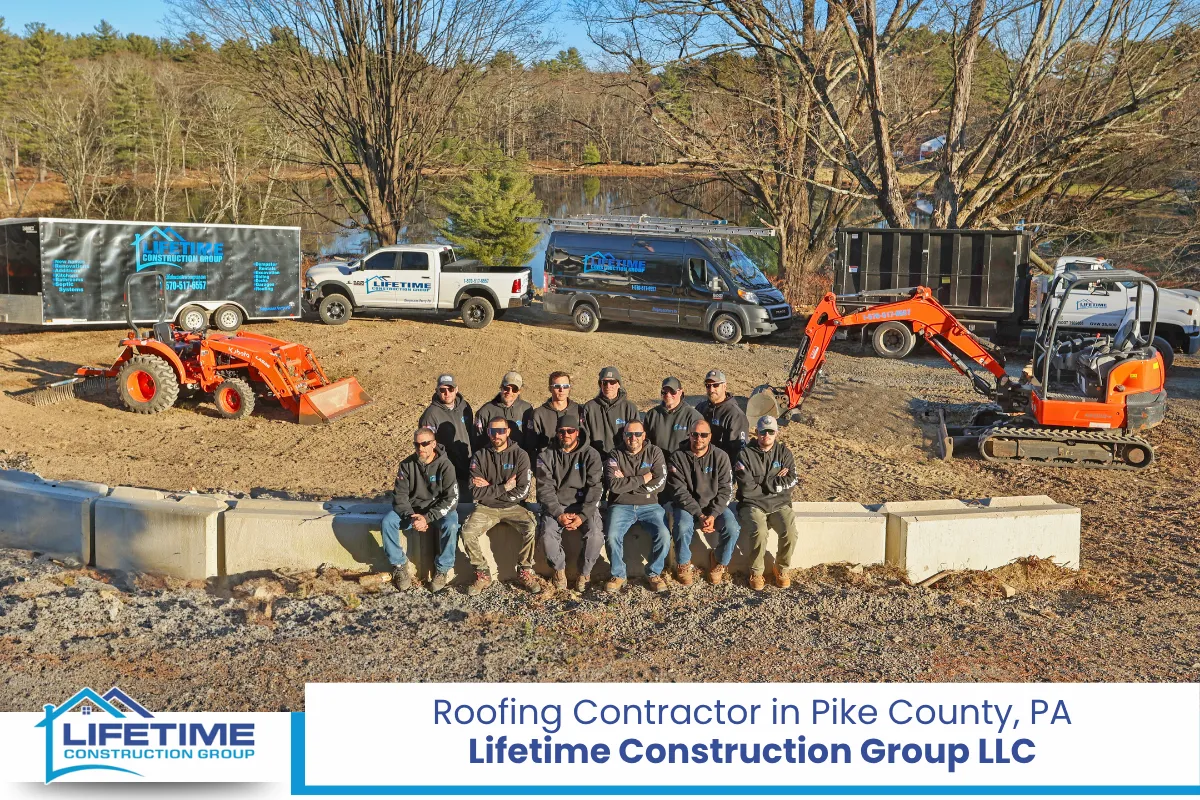
At Lifetime Construction Group LLC, we are a roofing contractor based in Dingmans Ferry, Pennsylvania, serving homeowners and property owners throughout Pike County and the surrounding communities. Our experienced team handles roof installation, roof repair, storm damage restoration, and roof inspection services built around the specific climate, codes, and resale concerns of this region.
We walk every client through material choices, from quality roofing solutions in architectural shingles to metal and premium materials, so the final decision fits both budget and neighborhood standards. Whether you need replacement services, gutter installation, or a second opinion before listing your home, we focus on quality craftsmanship and honest assessments that protect your investment.
Call us at (570) 517-6557 or fill out our online contact form for an inspection, a free estimate, or a conversation about what your roof needs. We prioritize code-compliant work, clean job sites, and roofing solutions that support your home value for years to come.
Frequently Asked Questions
Should I Replace My Roof Right Before Listing My Home?
It depends on the roof’s current condition, the price range of your home, and what competing listings look like. If the roof is past 20 years and showing granule loss, curling, or flashing failures, a full replacement before listing often recovers 60% or more of the cost through a higher sale price and fewer inspection concessions. Coordinate with your real estate agent and a roofing contractor to compare the potential listing price bump versus the project cost. In some situations, offering a buyer credit for roof replacement instead of doing the work yourself can be a workable alternative, though it typically gives the buyer more negotiating power than a completed project would.
How Old Is “Too Old” for a Roof When Buyers Are Getting Mortgages?
Many lenders and insurance carriers begin raising questions when an asphalt roof reaches 18 to 20 years old in northeastern Pennsylvania, because the expected useful life of architectural shingles in this climate is about 22 to 28 years. FHA and VA loan programs have specific condition requirements, and an inspector’s estimate of less than 3 to 5 years of remaining life can trigger lender-required repairs or replacement before closing. If your roof is older but still serviceable, getting a written condition report from a local roofer that documents remaining lifespan and current integrity can satisfy buyer agents and underwriters who might otherwise push back.
Will Small Cosmetic Issues on My Roof Scare Away Serious Buyers?
There is a clear line between cosmetic concerns and functional problems. Slight discoloration, minor moss patches, or a few weathered shingles are common in Pike County and usually do not alarm experienced buyers. Functional issues like active leaks, soft decking, failing flashing, or missing shingles cross into territory that triggers inspection repair demands and raises doubts about the rest of the home’s maintenance history. A relatively inexpensive maintenance visit before listing, including cleaning, sealing penetrations, and replacing damaged shingles, resolves most cosmetic concerns and signals that the home has been well cared for. Fix anything that implies neglect, because buyers extrapolate from the roof to everything else.
Can I Recover the Cost of Upgrading From Basic to Architectural Shingles?
The price difference between 3-tab and architectural shingles typically runs $1 to $2 per square foot installed, which adds roughly $2,000 to $4,000 on a standard-size home. Architectural shingles offer improved wind ratings, a textured dimensional look, and longer warranties. In mid-range to higher-end Pike County neighborhoods, this upgrade often pays off through better listing photos, stronger buyer first impressions, and fewer questions during inspections. Sellers rarely recoup 100% of any renovation, but the gap between 3-tab and architectural is narrow enough that the improved resale positioning usually justifies the upgrade, especially if you plan to hold the property for even a few more years before selling.
How Often Should I Schedule a Roof Inspection If I May Sell in a Few Years?
A general cadence of every 2 to 3 years, plus after any major storm event, keeps you ahead of problems that could become inspection deal-breakers later. Each inspection should include documentation and photos of roof condition, flashing, gutters, ventilation, and any repairs performed. This proactive approach means small issues like cracked sealant or a lifted shingle get resolved for a few hundred dollars instead of escalating into costly repairs that surface during a buyer’s home inspection. Keeping organized records from each roof inspection gives future buyers proof of conscientious care, which supports both their confidence and your asking price.
Disclaimer: This article provides general roofing and resale information for Pike County, PA. It is not legal, engineering, or financial advice. Always consult licensed local professionals for project-specific guidance.
Read How Do I Know if a Kitchen Remodeler Is Reputable in Pike County, PA?