


How to Quickly Spot a Trustworthy Kitchen Remodeler
Hiring a kitchen remodeler is one of the biggest decisions you will make as a homeowner, and getting it wrong can cost you thousands. In Pike County, where communities like Dingmans Ferry and Milford rely on a smaller pool of contractors, the risk of running into unfinished projects, surprise cost overruns, or code violations feels especially real. A poorly executed kitchen remodel can leave you with unsafe wiring behind the walls, cabinets that do not align, and a renovation that drags on for months past deadline. This article gives you a practical, step-by-step checklist to evaluate any kitchen improvement professional in the county before you sign a single document or hand over a deposit.
Key Takeaways
- A reputable kitchen remodeler in Pike County will be properly registered under Pennsylvania law, carry active insurance, and willingly pull all required permits for your project.
- Strong local reviews, detailed written contracts, and transparent estimates are non-negotiable signs of a trustworthy company.
- Reviewing portfolios of past work that match your style and budget helps confirm whether a contractor can deliver the dream kitchen you have in mind.
- In-person consultations, clear communication, and realistic timelines help you determine whether the remodeler is a good long-term fit for your home.
Essential Legal and Professional Checks for Pike County Kitchen Contractors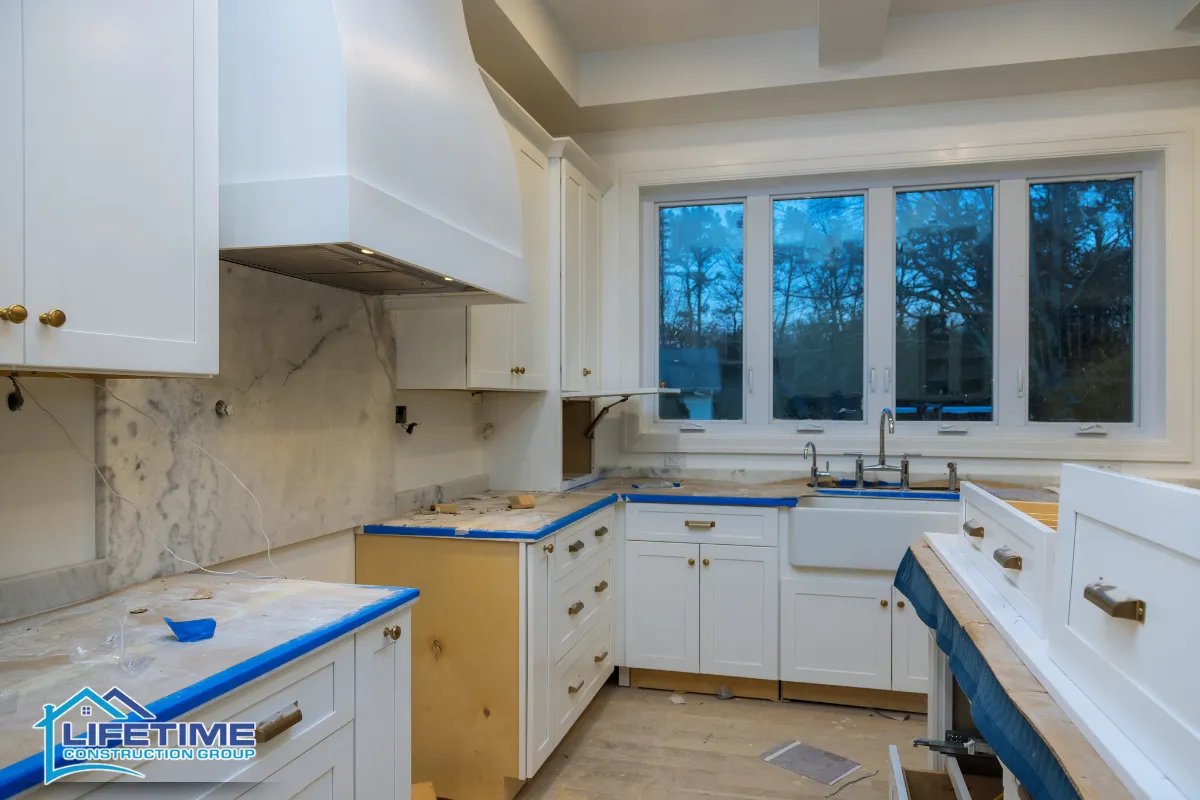
Legal compliance is the first filter you should apply when choosing a kitchen remodeling contractor. Before you evaluate style, pricing, or personality, you need to confirm that the company you are considering is operating within the law. Pennsylvania has specific statutes that protect homeowners, and Pike County has its own local permitting requirements. A contractor who meets all of these standards is already far more likely to deliver a quality result than one who cuts corners from the start.
Pennsylvania Home Improvement Contractor Registration
Pennsylvania home improvement contractors must register under the Home Improvement Consumer Protection Act, commonly known as HICPA. Any contractor or business performing more than five thousand dollars in residential work per calendar year is required to register with the Attorney General’s Office. Registration costs one hundred dollars every two years and must be renewed on schedule.
A registered contractor receives an HIC number that starts with “PA,” and that number must appear on all advertising, estimates, proposals, and contracts. If a kitchen contractor cannot show you a valid HIC number, that is an immediate disqualification. You can verify registration status through the Pennsylvania Attorney General’s website to confirm the number is active and in good standing.
Insurance Coverage That Protects You
Contractors should have a valid license and insurance. Under HICPA, registered contractors must carry general liability insurance with minimums of fifty thousand dollars for personal injury and fifty thousand dollars for property damage. Ask for a current certificate of insurance and confirm it has not expired.
Contractors must also have active liability and workers’ compensation insurance coverage if they employ any workers. Workers’ compensation protects you from being held financially responsible if someone is injured on your property during the project. If the contractor uses subcontractors, verify that those subcontractors carry their own current policies as well.
Permits and Local Code Compliance
Permits are required for electrical and plumbing changes, structural modifications, and work involving load-bearing walls. Cosmetic updates like painting, replacing hardware, or swapping out a faucet usually do not require permits. A reputable contractor understands the difference and will never encourage you to skip required permits to save time or money.
In Pike County, the Zoning Administrator reviews projects for compliance with local zoning regulations including height restrictions, setbacks, and lot coverage before issuing a building permit. Individual townships and boroughs such as Blooming Grove, Porter, and Milford may each have their own inspection schedules, permit fees, and processing timelines. For properties not connected to public water or sewer, the Pike County Environmental Health Department must also approve any work involving water supply or sewage disposal.
Local building codes and permits must be understood and followed by contractors working in your area. A reputable kitchen remodeling contractor will coordinate directly with the appropriate township or borough office, arrange required inspections at each stage of the project, and design all work to meet current building and safety codes.
Written Contracts and Warranty Protections
Home improvement contracts in Pennsylvania over five hundred dollars must be written and signed by both parties. This is not optional. A proper contract should include a clear description of the scope of work, total price, materials and brand names, allowance amounts for items like appliances or countertops, a payment schedule tied to milestones, approximate start and completion dates, and a defined process for handling change orders.
Contractors must provide a contract with warranty information covering both workmanship and manufacturer warranties on cabinets, countertops, and appliances. Make sure all warranty terms appear in writing rather than relying on verbal promises.
Avoid any contractor who insists on cash-only arrangements, presents vague one-page proposals without line-item detail, or pressures you to skip permits. These are clear red flags that signal a lack of honesty and professionalism.
Read What Questions Should I Ask Before Hiring a Kitchen Remodeler in Pike County, PA?
Research, Reviews, and Portfolios: Checking Real-World Reputation in Pike County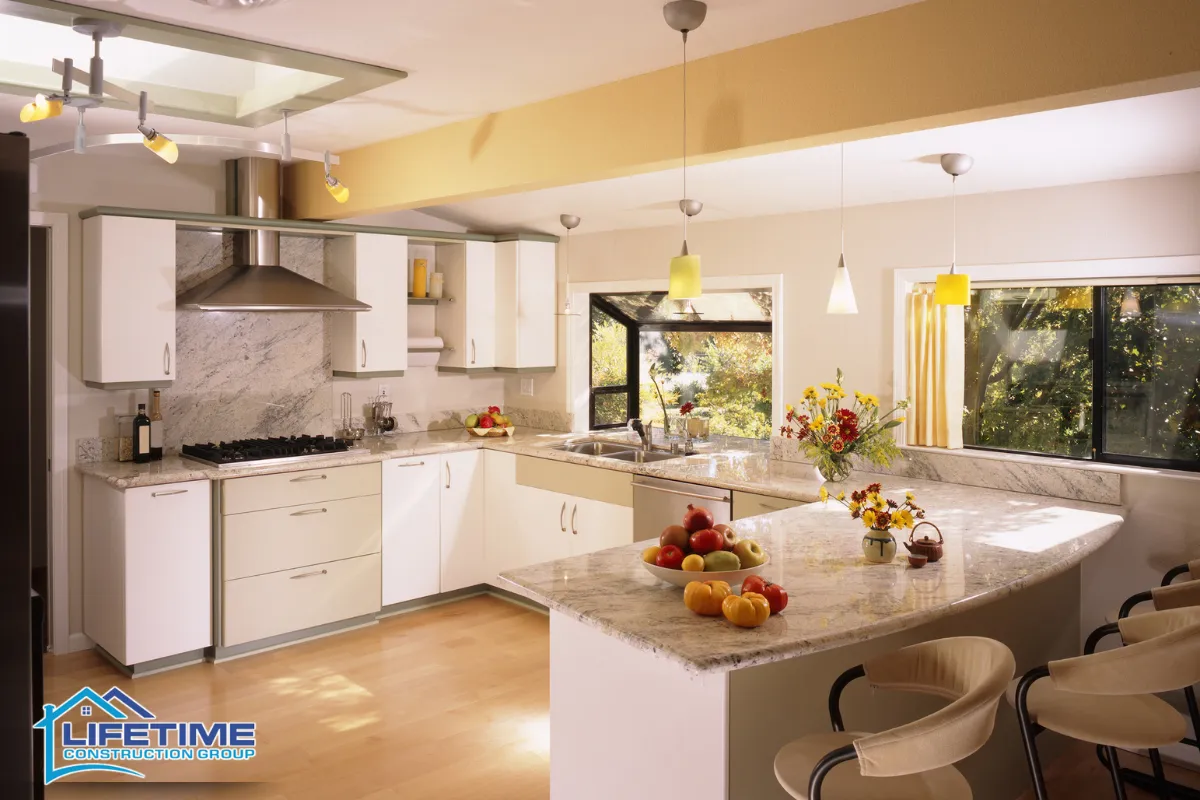
Online research and visual proof of past projects are the most reliable ways to confirm whether a contractor’s reputation matches their promises. A polished website means little if the actual completed work does not hold up. Spending time on this step before you commit to a contract can save you significant frustration and expense down the road.
What to Look for in Online Reviews
Aim for kitchen remodelers with Google ratings of 4.5 or higher. A high average rating combined with a solid number of recent reviews, ideally from the last twelve to twenty-four months, signals consistent performance. Pay attention to the substance of the reviews rather than just the star count. Look for patterns in how reviewers describe communication quality, punctuality, cleanliness on the job site, adherence to budget, and how the team resolved any problems that came up during a kitchen renovation.
Complaints and customer feedback can be checked through the Better Business Bureau and online platforms such as Yelp, Facebook, and local community forums on Nextdoor. Reviews mentioning code violations, failure to pull permits, or unexpected cost increases are serious warning signs. A contractor’s reputation can be assessed through local references and past project evaluations that paint a consistent picture across multiple sources.
Evaluating Portfolios and Past Work
A contractor’s portfolio should reflect actual completed projects relevant to the work being hired for. When reviewing a portfolio, look for before-and-after photos of projects completed in Pike County or neighboring communities. Good portfolios include clear images of cabinetry, countertop materials, lighting fixtures, tile work, and overall layout design.
Review portfolios for previous projects matching your kitchen style. If you want a modern open-concept space, a portfolio full of traditional country kitchens may not demonstrate the right fit. Reputable contractors often share details about the materials they used, whether that is quartz or granite countertops, solid-wood custom cabinets, or specific flooring options, along with the approximate scope and size of each project.
Asking for and Using References
Ask contractors for references from recent kitchen remodels in the Pike County area. When you reach out to those homeowners, focus on questions that reveal how the contractor actually works day to day:
- Did the project stay on or near the original schedule?
- Were unforeseen issues handled transparently, with written change orders and fair pricing?
- Was the job site kept clean and organized throughout the process?
- How quickly were punch-list items addressed after the final walkthrough?
If possible, drive by completed exterior projects with permission to see general craftsmanship. Some contractors may arrange in-person visits to past kitchen projects if the prior client agrees, which gives you an unfiltered look at the quality of their finished work.
Comparing Bids, Communication Style, and Project Process Before You Commit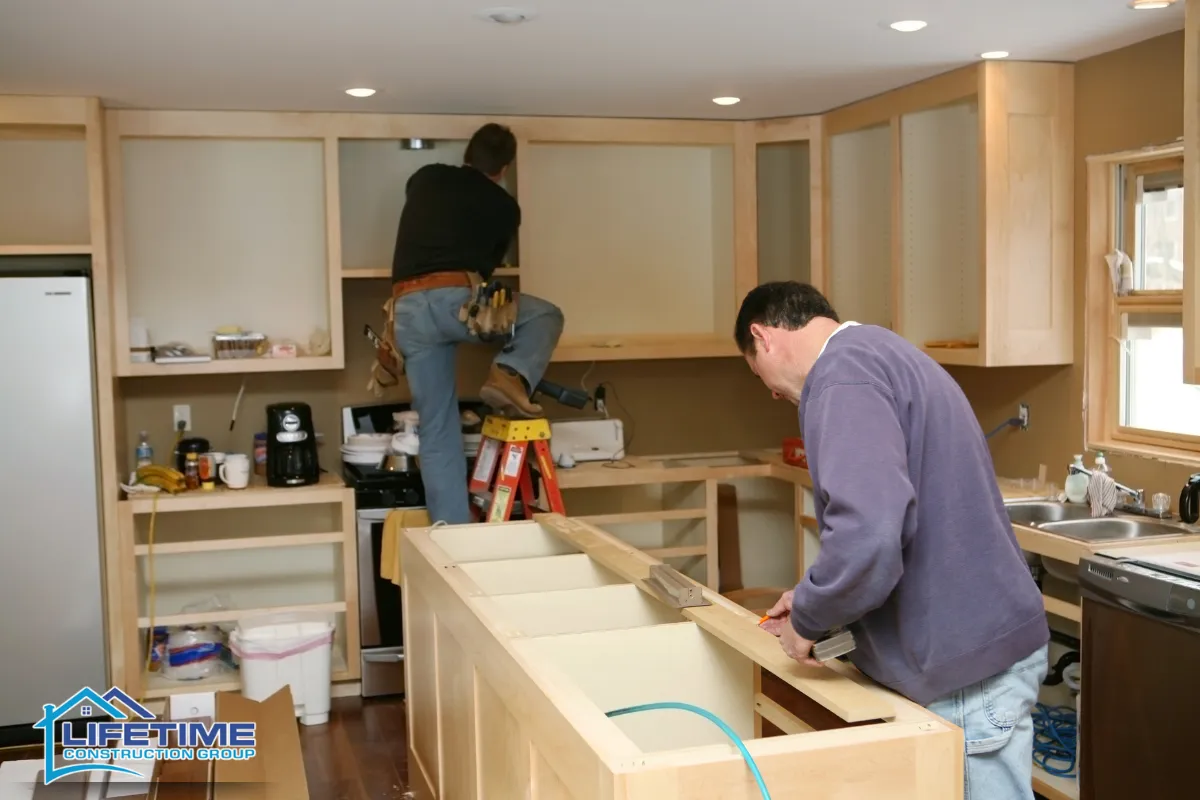
How a remodeler plans and explains your project before any work begins is one of the strongest indicators of reliability. The planning phase reveals whether you are working with a true professional or someone who wings it once demolition starts.
What a Detailed Estimate Should Include
Get written estimates from multiple contractors for comparison, ideally two to three bids from licensed professionals operating in Pike County. A thorough estimate for a kitchen remodel should break down costs into line items covering labor, materials, cabinet and countertop selections, rough appliance allowances, flooring type, backsplash materials, lighting, and any structural work such as removing or reinforcing walls.
Kitchen remodel costs in Northeast Pennsylvania range from twenty-five thousand to seventy-five thousand dollars for most mid-range projects. Custom cabinets cost five hundred to fifteen hundred dollars per linear foot, while semi-custom cabinets range from one hundred fifty to six hundred fifty dollars per linear foot. If a bid comes in dramatically lower than others without a clear, documented explanation of where savings come from, treat that as a red flag rather than a bargain.
The Consultation and Design Phase
Reputable contractors will schedule an in-home consultation before providing a final proposal. During this visit, they should measure the space, ask about your cooking habits, storage needs, and entertaining frequency, and discuss your goals for the finished space. Many experienced remodelers will create layout drawings or even three-dimensional renderings to help you visualize the result before making final decisions on materials and options.
Pay close attention to communication style during this phase. How quickly does the remodeler return calls or emails? Can they explain technical steps like rough-in plumbing, electrical upgrades, or load-bearing support in plain language? A contractor who is ready to answer your questions thoroughly and patiently is far more likely to maintain that standard throughout a multi-week project.
Project Scheduling, Timelines, and Logistics
A typical kitchen remodel takes six to twelve weeks from start to completion, depending on the scope. Cabinet refacing takes two to three weeks to complete, while full renovations can take ten to fourteen weeks when structural changes, custom cabinetry, and multiple trades are involved. Ask your contractor for a realistic timeline that accounts for material lead times, permit processing, and inspection scheduling in your specific township.
Discuss logistics before signing: daily work hours, dust and noise control measures, how deliveries will be handled, debris removal, and whether your family can remain in the house during the kitchen renovation. Understanding these details up front prevents misunderstandings and helps you plan around the disruption.
Payment Structure and Change Orders
Contractors generally cannot demand large upfront payments in Pennsylvania. A responsible payment schedule ties each installment to a project milestone: a small deposit at contract signing, progress payments at demo completion, rough-in completion, and cabinet installation, with a final payment held until the walkthrough and all inspections are complete.
A reputable kitchen remodeling contractor will outline a clear change-order process for unexpected issues such as hidden water damage, outdated wiring, or subfloor problems uncovered during demolition. Change orders should be in writing, include the additional cost and any impact on the timeline, and require your signature before the extra work proceeds. Under Pennsylvania law, time-and-materials contracts cannot exceed the original estimate by more than ten percent without a signed change order.
Making the Right Choice
Choosing a remodeler is not just about finding the lowest pricing. It comes down to trust, clear expectations, and confidence that the team assigned to your project can deliver a durable, code-compliant kitchen that supports everyday life in your house for years to come. Take your time during this phase. The attention you invest now in vetting a residential contractor will pay off in a smoother build, fewer surprises, and a finished space that truly feels like your own.
Kitchen Remodeler in Pike County, PA – Lifetime Construction Group LLC
At Lifetime Construction Group LLC, we specialize in home construction and kitchen projects throughout Pike County, serving Dingmans Ferry, Milford, and the surrounding communities. We follow all relevant local codes, obtain every necessary permit, and keep our job sites clean and organized from demolition through final walkthrough. Our team provides personalized design support, helping homeowners clarify their layout preferences, material selections, and overall project scope before we break ground. We believe every homeowner deserves transparent estimates, reliable timelines, and craftsmanship built to last. Whether you are planning a complete kitchen remodel or a broader residential construction project, we are ready to help you bring your vision to reality. Call us at (570) 517-6557 or fill out our online contact form to schedule your consultation today.
Frequently Asked Questions
What Is a Realistic Budget Range for a Full Kitchen Remodel in Pike County, PA?
For a minor kitchen remodel with cosmetic updates and stock cabinets, expect to spend between fifteen thousand and thirty thousand dollars. Mid-range projects that include semi-custom cabinetry, new countertops, updated appliances, and moderate layout adjustments typically fall in the forty thousand to seventy-five thousand dollar range. Major kitchen renovations involving structural changes, custom millwork, or commercial-grade appliances can cost fifty thousand to one hundred thousand dollars or more. Moving plumbing or electrical lines, removing walls, or adding windows will push costs higher. Always leave a contingency of ten to fifteen percent for unexpected findings like outdated wiring or subfloor damage. Only a detailed, in-person estimate from a qualified contractor can provide an accurate number for your specific home.
How Far in Advance Should I Book a Kitchen Remodeler in Pike County?
Reputable contractors in Pike County often book several months ahead, especially during the busy spring and summer construction seasons. If your project requires custom cabinets or specialty materials, plan for additional lead time since manufacturing and shipping schedules can add six to twelve weeks before installation even begins. Starting consultations early gives you the best chance of securing your preferred start date and having the project completed before major holidays or family gatherings. Avoid rushing the planning and design phase. Thoughtful decisions made during this window prevent costly changes and frustrating delays once construction is underway, and they help ensure you end up with a kitchen you truly love.
What Should I Prepare Before My First Consultation with a Kitchen Contractor?
Gather inspiration photos from magazines, websites, or social media to help communicate your preferred style. Create two lists: a must-have list of features you cannot compromise on, and a wish list of extras you would add if the budget allows. Have a realistic budget range in mind so the contractor can tailor recommendations accordingly. Measure your existing kitchen and note traffic patterns, storage pain points, and any appliances you plan to keep. Identify preferred finishes such as cabinet door styles, countertop materials, and flooring types, even if final selections happen later with professional guidance. Arriving prepared allows the contractor to provide a more accurate, tailored proposal and gives you a chance to evaluate their communication style and design expertise from the very first meeting.
Can a Kitchen Remodel Be Done in Stages to Spread Out the Cost?
Yes, phasing a kitchen project is possible and can help manage cash flow. A common approach is to handle essential infrastructure work first, including electrical upgrades, plumbing relocations, and any layout changes, then upgrade finishes like countertops, backsplash, or flooring in a later phase. The advantage is a smaller initial outlay. The downside is that phasing can extend disruption and sometimes increase overall costs because the contractor needs to mobilize equipment and crews more than once. Work with your remodeler to create a master plan up front so all phases are compatible and future upgrades fit seamlessly with the initial work. Prioritizing structural and behind-the-wall improvements ensures the kitchen remains safe and functional between stages.
How Can I Protect My Home and Belongings During a Kitchen Renovation?
Start by removing fragile items, artwork, and electronics from rooms adjacent to the work area. Store dishes, food, and small appliances in labeled bins and set up a temporary kitchen in another part of the house with a microwave, portable cooktop, and a utility sink if available. Reputable contractors will seal off the work zone with plastic sheeting, use floor protection on main traffic paths, and perform daily cleanup including proper debris disposal. Communicate with your remodeler about pets, children, parking, and access routes before work begins. Agreeing on these details keeps the project organized, minimizes dust migration throughout the house, and helps protect your belongings from accidental damage throughout the entire construction process.
Disclaimer: This article provides general information and is not a substitute for legal, design, or building code advice. Verify all permits, codes, and project details with local Pike County officials and qualified professionals before starting any work.
Read What Is the Average Cost to Build a House? A Guide to Home Construction in Pike County, PA