
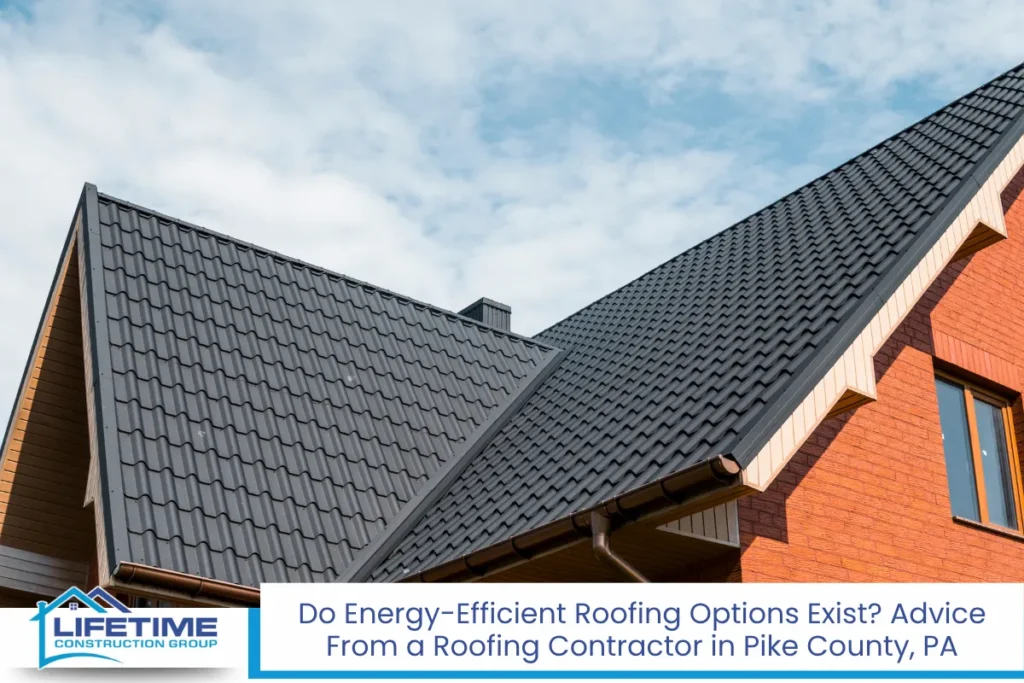
Can Your Roof Really Be Energy Efficient in Pike County, PA?
A roofing contractor in Pike County, PA hears the same concern from homeowners every season: why are my energy bills so high when I just replaced my roof a few years ago? The problem runs deeper than shingles. Drafty rooms, overworked HVAC systems pushing through July heat, bedrooms over garages that stay cold all January, and ice dams forming along eaves every winter all point to a roof system that is not working efficiently. Fluctuating weather demands durable roofing solutions for both summer and winter performance in Pennsylvania. The good news is that modern materials, better insulation, and smarter ventilation work together to deliver real energy efficiency without sacrificing the durability Pike County demands. This article breaks down what actually works, what the local codes require, and how to make a decision that fits your home and budget. Any reputable roofing company in this area will tell you the same thing: material selection is only part of the equation.
Key Takeaways
- Yes, energy-efficient roofing options do exist and perform well in Pike County’s climate when paired with the right insulation and ventilation.
- Reflective cool shingles, metal roofing, and proper attic ventilation can cut summer cooling costs while still handling heavy snow and ice loads.
- Pike County’s climate demands that energy efficiency be balanced with durability, snow load capacity, and code-compliant installation across residential and commercial properties.
- Green roofs and solar integrated roofing can work on the right structures but require structural review and expert design before installation.
- Working with a local roofing contractor who understands Pike County building codes and offers a free estimate helps homeowners choose the best option for their property.
How Pike County’s Climate Affects Energy Efficiency on Your Roof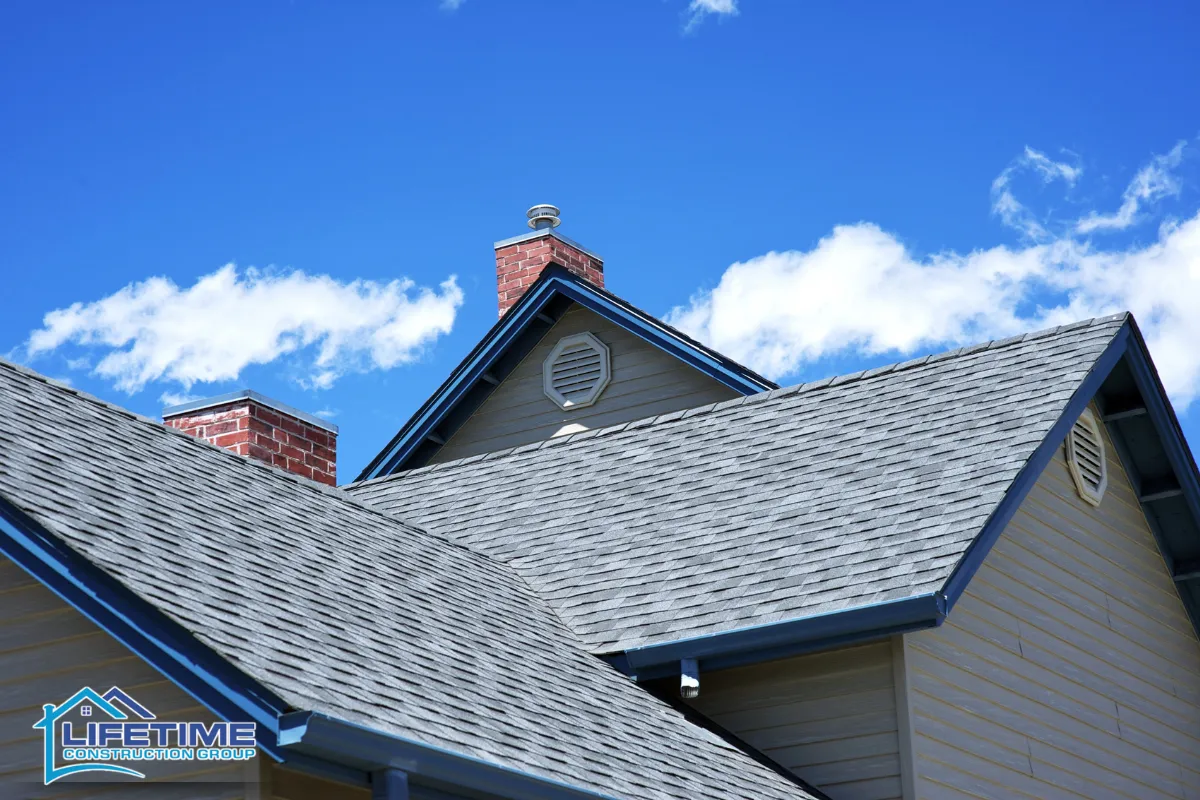
Pike County sits in northeastern Pennsylvania, stretching from the Delaware River lowlands up through forested ridges and valleys. The climate is humid continental with cold, snowy winters and warm, humid summers. Forested lots shade many roofs but also load them with leaves, pine needles, and branches year-round. Much like Brodheadsville, PA, which experiences freezing snowy winters and warm humid summers, Pike County presents a dual challenge for any roof system.
Key climate factors that impact your roof’s energy performance include:
- Over 50 inches of annual snowfall in higher elevations, with frequent freeze-thaw cycles
- Heavy rain events during spring and summer that test drainage and waterproofing
- Summer solar loads that can push dark roof surfaces well above ambient temperature
- Dense tree canopy that traps moisture, encourages moss and algae growth, and contributes to gutter damage over time
Winter snow loads and ice dams increase heat loss when insulation and air sealing are poor, forcing heating systems to run longer. In summer, dark shingles absorb solar radiation and raise attic temperatures significantly, driving up cooling costs in ranch and Cape-style homes common throughout the county. Energy-efficient roofs must balance heat retention in winter with solar reflectance in summer, and any system installed here must still comply with local building codes for snow load, wind resistance, and fire rating under Pennsylvania’s Uniform Construction Code.
Energy-Efficient Roofing Materials That Work in Pike County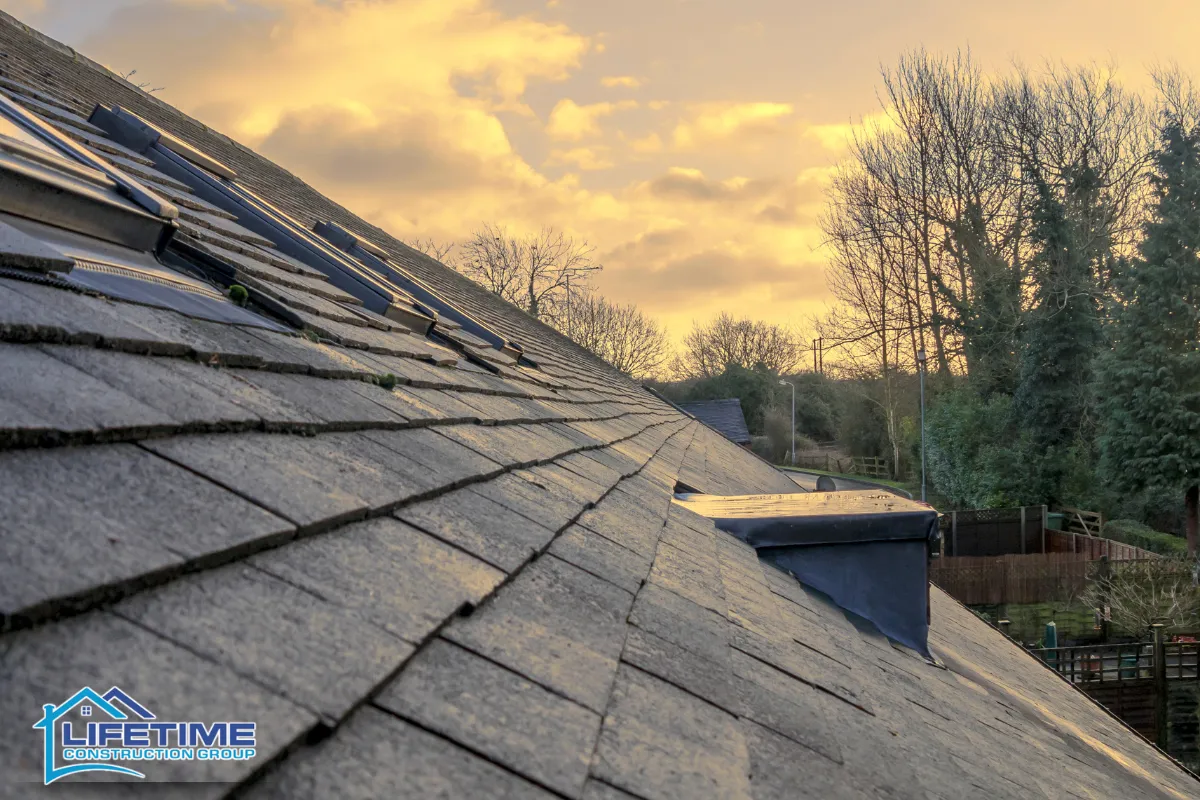
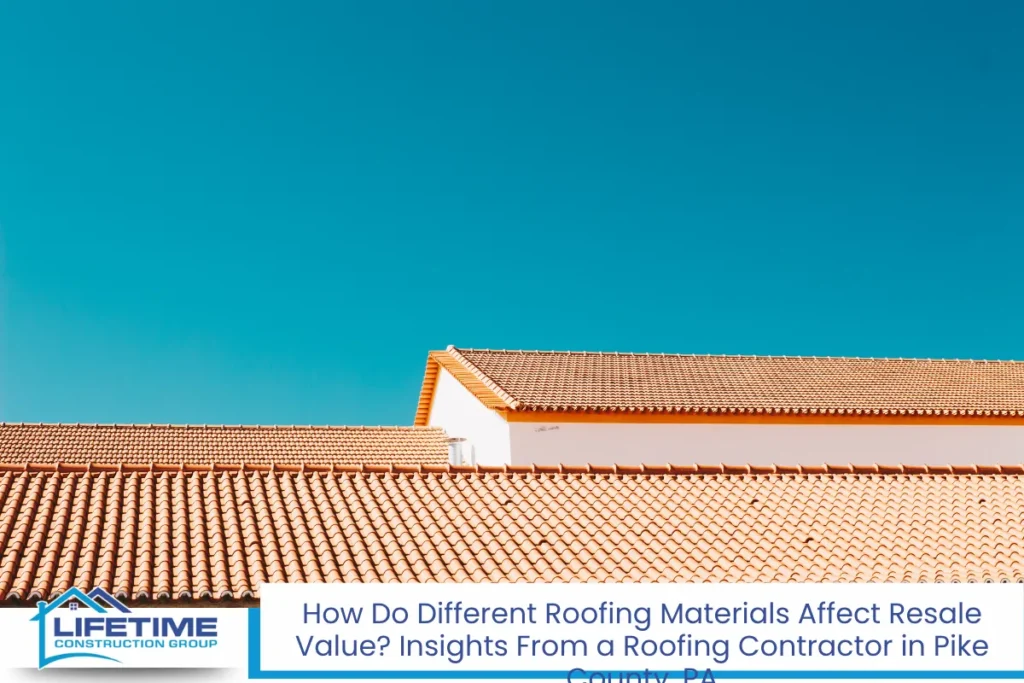
Several real-world roofing systems genuinely improve energy efficiency for both residential and commercial properties in this region. The main categories include cool asphalt shingles, metal roofing, tile or synthetic options, and green roofs. Energy-efficient roofing options in Brodheadsville, PA include metal roofs, cool asphalt shingles, and solar products, and the same holds true across Pike County. Tile roofs can last 50 to 100 years with proper maintenance, making them a viable long-term option where the structure can support them. Asphalt shingles are budget-friendly while metal roofs offer durability and longevity, so choosing between them depends on your goals, your home’s structure, and your timeline. What matters most is treating the roof as a complete system, not just picking a surface material.
Cool Shingles and Reflective Asphalt Options
Cool shingles are asphalt shingles manufactured with highly reflective granules designed to bounce back more solar radiation than traditional roofing materials. Using ENERGY STAR or Cool Roof rated shingles can help lower cooling loads, particularly during Pike County’s humid summer months. Cool asphalt shingles reflect more sunlight and absorb less heat than standard dark shingles, with solar reflectance values reaching 0.25 to 0.30 compared to 0.04 for conventional dark products.
Cool roofs can reduce surface temperatures by 50 to 60 degrees compared to traditional dark surfaces, which translates directly to lower attic temperatures and reduced air conditioning demand. Studies in mixed climates show cooling energy savings of 6 to 15 percent with reflective roofing, while the winter heating penalty remains small. Lighter colors reflect more heat, though advances in cool color pigment technology now allow even darker shades to achieve meaningful reflectance. Reputable manufacturers publish solar reflectance and emissivity data, and experienced roofers in this area can recommend product lines suited to local weather conditions. Cool shingles install similarly to standard architectural shingles, making them a realistic upgrade during a typical roof replacement project.
Metal Roofing and Its Energy-Saving Benefits
Standing seam steel and aluminum are the most common metal roofing types installed across Pike County. Metal roofing reflects solar heat, lowering cooling costs by 10 to 25 percent depending on color and coating. Reflective metal roofs can last 40 to 70 years and significantly reduce summer cooling loads, which makes them ideal for homeowners planning to stay in their home for decades. Metal roofs can last 40 to 70 years with minimal maintenance, far outlasting most other options on the market.
Metal roofing sheds snow efficiently, which helps limit ice dam formation when paired with proper insulation and ventilation. Noise and condensation concerns are easily addressed with correct underlayments, attic insulation, and fastening methods that comply with local codes. Metal roofs also pair well with solar panels because they are durable and can accept specialized mounting systems without frequent re-roofing. Integrating solar-ready roofing options is advisable for future solar panel installations, and solar integrated roofing allows homeowners to generate electricity while shielding the home from the elements.
Where Green Roofs and Vegetated Systems Make Sense Locally
Green roofs combine waterproofing, drainage layers, growing media, and vegetation to create a living roof surface. Green roofs provide natural insulation for buildings and absorb rainwater, reducing stormwater runoff and protecting downstream drainage systems. In Pike County, these systems are more common on flat or low-slope portions of homes, garages, and small commercial roofing systems that can handle extra weight.
Green roofs can reduce urban heat islands significantly and filter air pollution effectively, offering environmental impact benefits beyond the individual property. Extensive green roofs require less maintenance than intensive systems, making them more practical for most homeowners. Green roofs can last longer than conventional roofs because the vegetation layer shields the waterproof membrane from UV exposure and temperature extremes. However, structural engineering review is required, along with root barriers and drainage design to meet safety and building code requirements. Maintenance, including weeding, irrigation during dry spells, and periodic inspections, must be factored into the decision. The weight of wet soil and plants typically ranges from 15 to 30 or more pounds per square foot, so a professional assessment of the framing is essential before installation.
Insulation, Ventilation, and Attic Health: The Hidden Side of Energy Efficiency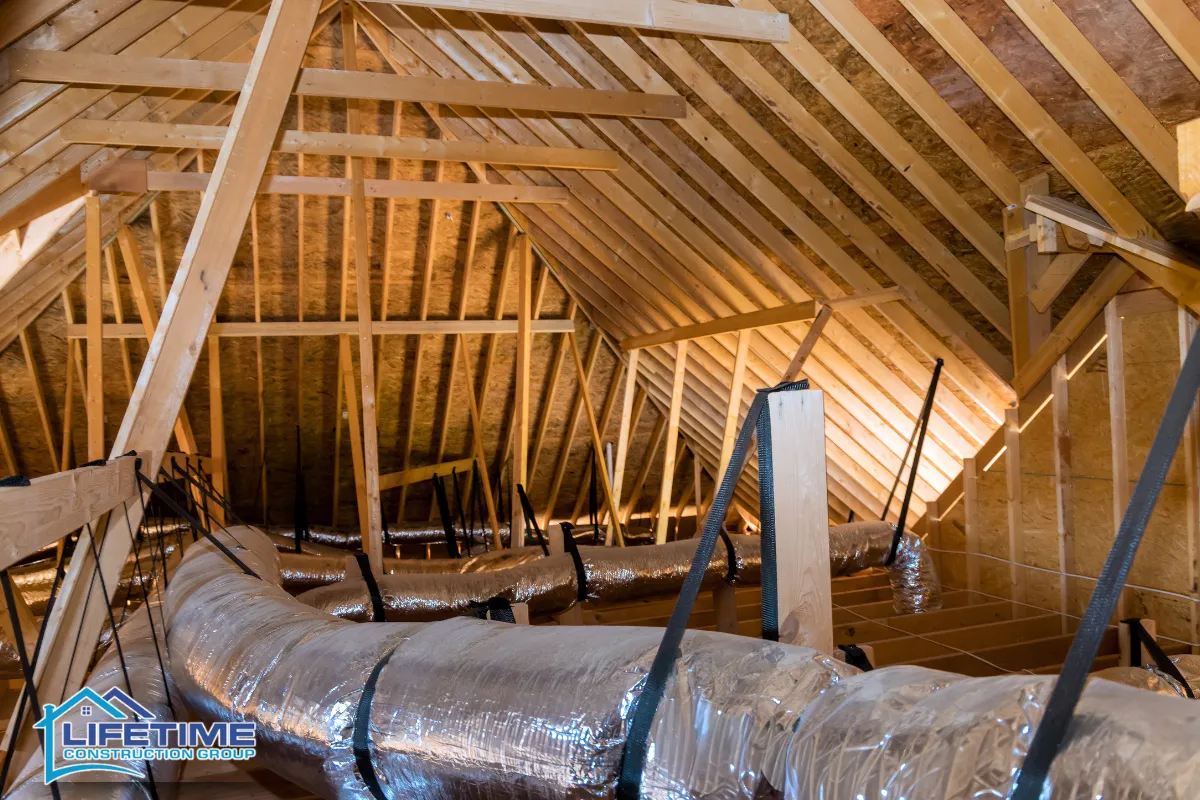
High-performance roof systems are typically more important than the outer material alone. The best shingles or metal panels in the world will not deliver meaningful energy savings if the attic beneath them is poorly insulated and leaking air. Effective roofing solutions for the Poconos climate must consider insulation, ventilation, and material durability as a unified system. Contractors emphasize evaluation of attic insulation and ventilation when installing new roofs because these elements determine how the roof actually performs.
Proper attic insulation and ventilation are critical for preventing heat loss in winter and heat buildup in summer. In Climate Zone 5, where Pike County falls, Pennsylvania’s energy code requires a minimum ceiling insulation value of R-49 in steep-roof attics. Many older homes in Milford and surrounding areas fall well short of this standard. Key practices include:
- Sealing air leaks around light fixtures, plumbing penetrations, and HVAC vents to stop warm air from entering the attic
- Installing continuous insulation coverage with no gaps or compressed sections
- Maintaining balanced intake and exhaust ventilation through soffit vents and ridge vents
- Adding baffles at eaves to keep airflow paths clear even where insulation meets the roof edge
Improved attic ventilation can help manage attic heat and moisture levels, protecting framing and sheathing from mold, rot, and premature deterioration. In Pike County, many older homes benefit greatly from combining a new energy-efficient roof with upgraded attic insulation and air sealing.
Preventing Ice Dams While Improving Energy Performance
Ice dams are one of the most persistent and damaging winter issues in Pike County. They form when warm attic air melts snow on the upper portions of the roof. That meltwater runs down to the colder eaves, refreezes, and creates a dam that forces water backward under shingles and into the home.
Prevention comes down to three steps:
- Seal attic air leaks so warm interior air cannot reach the roof deck
- Increase insulation to code-compliant levels to reduce heat transfer
- Ensure proper ventilation to maintain a uniform roof deck temperature
Ice and water shield installed along eaves, in valleys, and around penetrations is a required part of many code-compliant installations in snow zones. Heat cables are a last resort. Addressing the underlying thermal and ventilation issues is more effective long term and protects the home through many winters without ongoing electricity costs or repairs.
Energy Efficiency, Gutters, and Drainage: Protecting the Whole System
A roof’s energy performance is closely tied to moisture management, and that includes well-designed gutter installation. Clogged or undersized gutters allow water to back up behind fascia boards, wetting insulation and reducing its effectiveness while promoting mold and rot in the soffit and attic edge.
Heavy snow and ice in Pike County can cause gutter damage if hangers are weak or the pitch is incorrect, impacting both roof and siding. Seamless aluminum gutters properly sized for local rainfall, with correctly placed downspouts, help keep foundations dry and framing protected. Where tree canopy is dense, adding gutter guards reduces overflow and preserves both the roof edge and attic insulation from repeated wetting.
During an energy-focused roof replacement, homeowners should ask about inspecting and possibly upgrading their gutter system at the same time. A complement of properly functioning gutters and a high-performance roof protect the entire building envelope.
Costs, Savings, and Incentives for Energy-Efficient Roofs in Pike County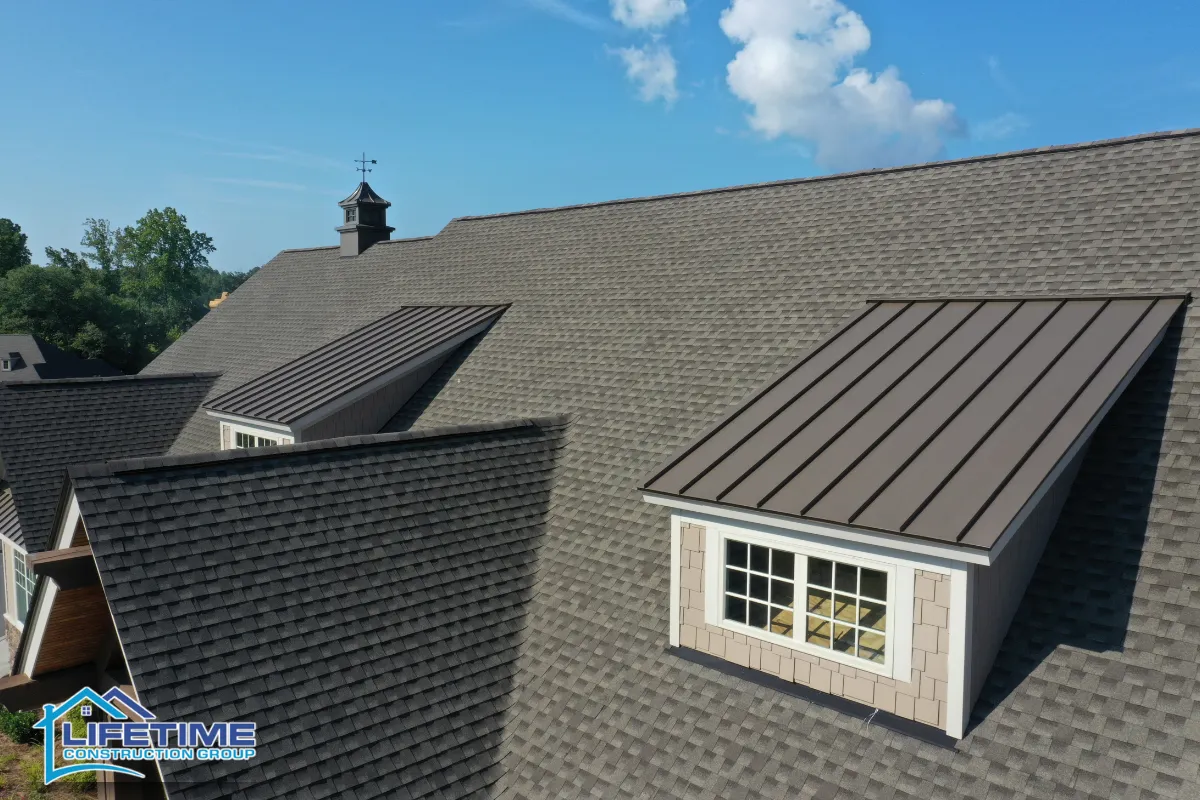
Energy-efficient roofs typically cost more upfront than standard options, but they can pay back through lower utility bills, longer service life, and reduced wear on HVAC equipment. Cool shingles carry a modest premium over standard architectural shingles, often around 10 percent per square foot. Metal roofing costs more initially but lasts significantly longer, and green roofs represent the highest upfront investment due to structural and maintenance requirements.
Solar panel roofs can pay for themselves in 6 to 10 years depending on orientation, shading, and electricity rates, making them a compelling addition where conditions are right. Pennsylvania offers several programs that can offset upgrade costs:
- The Homeowners Energy Efficiency Loan Program offers fixed-rate loans at 1 percent for eligible improvements including roof replacement
- The Weatherization Assistance Program helps qualifying households with insulation and ventilation upgrades
- Federal tax credits under the Inflation Reduction Act cover certain energy property improvements when products meet ENERGY STAR criteria
Payback periods vary with roof orientation, shading, attic condition, and installation quality. Homeowners should request a free estimate that includes side-by-side comparisons of materials, life expectancy, maintenance needs, and projected energy benefits to support informed decision making.
Choosing the Right Local Roofing Expert for an Energy-Smart Upgrade
Hiring an experienced team familiar with Pike County permitting, inspection processes, and climate stresses is the single most important step in any energy-efficient roofing project. The importance of local knowledge cannot be overstated when it comes to choosing materials and methods that will perform through decades of snow, ice, and summer heat.
Look for these qualifications when evaluating a roofing contractor:
- Proper licensing and full insurance coverage for residential and commercial work
- Knowledge of snow-load requirements and proven performance with energy-efficient systems like cool shingles and metal
- Willingness to perform attic inspections and provide insulation and ventilation recommendations as part of the scope
- Detailed written proposals covering materials, underlayment types, flashing methods around chimneys and skylights, and warranty coverage
- Recent local references from projects involving energy upgrades, attic improvements, or storm damage restoration
Confirm that the roofing services offered include maintenance and periodic inspection to ensure the system keeps performing efficiently over time. Choosing the right partner for the job protects your investment and your home.
Roofing Contractor in Pike County, PA – Lifetime Construction Group LLC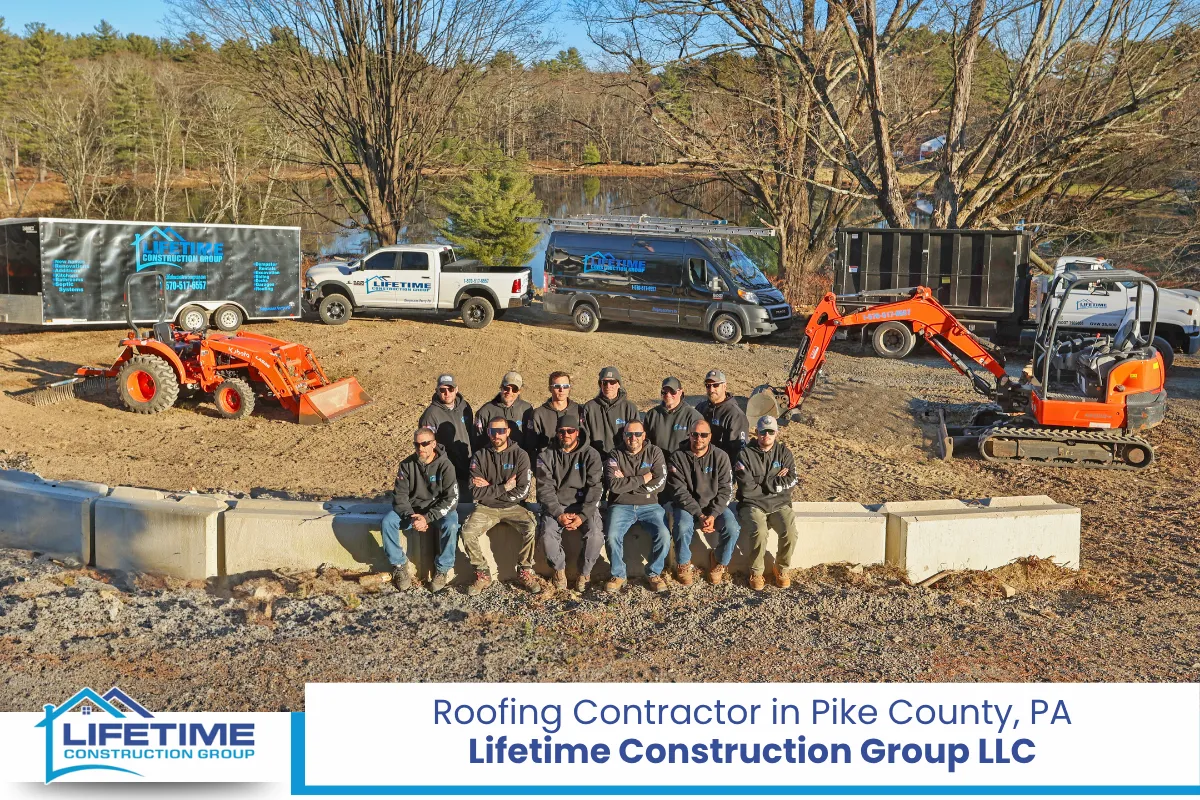
We are Lifetime Construction Group LLC, a local roofing contractor based in Dingmans Ferry, Pennsylvania, proudly serving homeowners and businesses throughout Pike County and the surrounding areas. Our team focuses on energy-efficient solutions including cool shingles, metal roofing, improved attic ventilation, gutter installation, and code-compliant ice and water protection systems designed for our local climate.
Our roofing services cover full replacements, roof repairs, storm damage restoration, and detailed inspections tailored to Pike County’s snow, ice, and tree-cover conditions. We take the time to evaluate each home’s roof structure, attic, and drainage so we can recommend a solution that improves comfort, reduces energy use, and protects your property long term. We understand that every project is different, and we schedule each job to ensure quality from start to end.
Call us at (570) 517-6557 or fill out our online contact form to request a free estimate for an energy-smart roof upgrade. Let our experienced team help you protect your home with a roof built to perform.
Frequently Asked Questions
How Do I Know If My Existing Roof Is Costing Me Extra on Energy Bills?
Several signs suggest your roof system is underperforming. If upper floors are noticeably hotter than lower levels in summer, or certain rooms stay cold regardless of thermostat settings in winter, the attic insulation or ventilation may be inadequate. Frequent ice dams along your eaves are another strong indicator that warm air is escaping into the attic and melting roof snow unevenly. Compare your utility bills to similar homes in your area. If yours are consistently higher, the roof and attic system is worth investigating. Dark, aging shingles with curling or granule loss absorb more heat and provide less protection. A professional roof and attic inspection can identify air leaks, thin or compressed insulation, and ventilation gaps that contribute to wasted energy. Track your bills seasonally and note patterns that coincide with extreme weather.
Can I Improve Roof Energy Efficiency Without Doing a Full Replacement?
Yes, in many cases you can make meaningful improvements without tearing off the existing roof. Adding attic insulation to meet the R-49 minimum, sealing air leaks around penetrations, and improving ventilation through soffit and ridge vent upgrades can all reduce energy waste. Upgrading attic hatches or pull-down stairs with insulated covers is a low-cost improvement that makes a real difference. Reflective coatings may be an option for certain low-slope or metal roofs, though they are not suitable for all shingle types. Addressing gutter issues and fixing active roof leaks also protects existing insulation from moisture that degrades its R-value. That said, if your shingles are near end of life, a full replacement with energy-efficient materials and modern underlayment is typically more cost-effective than layering improvements onto a worn-out surface.
Are Energy-Efficient Roofing Materials Heavier or Harder on My Home’s Structure?
Many energy-efficient options carry similar or even lighter weight compared to standard shingles. Cool asphalt shingles weigh about the same as conventional architectural shingles, and metal roofing is considerably lighter per square foot. Weight concerns apply mainly to tile roofs and green roofs, both of which can add significant load to the structure. Buildings in Pike County must comply with snow-load requirements, so any added material weight needs to be calculated on top of the maximum expected snow load for that elevation and roof pitch. Older homes with original framing should have a structural evaluation before choosing heavier options. Your contractor should assess the sheathing, rafters, and bearing walls to confirm that the structure can safely support the selected system through a full winter.
Will a More Energy-Efficient Roof Change the Way Snow Behaves on My Roof?
Smooth metal roofs and some reflective surfaces shed snow more quickly than textured shingles. This is generally a benefit because it reduces sustained snow load and limits ice dam conditions, but it also means large sheets of snow can slide off unexpectedly. Snow guards or retention systems are often installed on metal roofs to control snow release above walkways, entrances, and landscaping. Insulation and ventilation improvements help maintain a more uniform roof temperature, which reduces the uneven melting patterns that cause ice dams. When planning an energy-efficient system, discuss snow-shedding behavior with your contractor and consider how roof pitch, surrounding structures, and landscaping interact with where snow will land.
Is an Energy-Efficient Roof Worth It If I Plan to Sell My Home in a Few Years?
A newer, energy-efficient roof is consistently attractive to buyers because it signals lower utility costs and reduced near-term maintenance. Home inspectors pay close attention to roof age, condition, and attic ventilation during the sale process. An upgraded system with documented improvements can help avoid inspection issues that delay or derail closings. Modern materials and sustainability features may support stronger listing descriptions and potentially higher offers, particularly as buyers in Pike County become more aware of energy costs and the importance of durability in this climate. While the full financial payback on premium materials may extend beyond a few years, sellers still benefit from improved comfort, reduced risk of leaks, and a more marketable property that stands out in a competitive market.
Disclaimer
This article provides general roofing and energy-efficiency information for Pike County, PA. Readers should consult local building officials and qualified professionals for project-specific code compliance, structural design, and safety requirements before beginning any roofing work.
Read What Questions Should I Ask Before Hiring a Kitchen Remodeler in Pike County, PA?