
Home construction in Pike County is not a one-size-fits-all conversation. If you have been searching for land, browsing property listings through a broker or MLS Grid, or visiting open houses in the Poconos, you already know that building costs here look different from what national averages suggest. The price you pay depends on your site, your finishes, and your plan. This guide walks through every major cost line item so you can determine a realistic number before you begin constructing your dream home in PA.
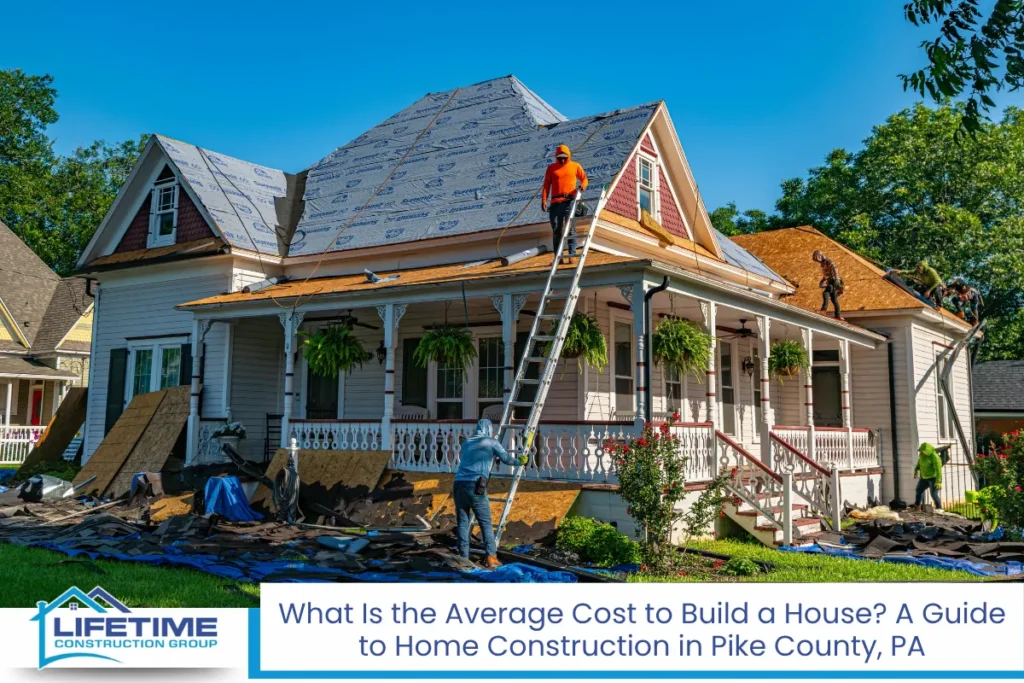
Nationally, the average cost to build a house is around $329,000, and the average building cost per square foot is $150 nationally. By comparison, building a home in Maryland averages around $294,160, while in Texas, the average cost to build a home is approximately $264,100. Urban areas have higher building costs due to land prices and density, but rural regions like Pike County introduce their own cost pressures. Construction costs typically vary widely based on local labor market conditions and material availability, and Pike County is no exception.
Building a single-family home in Pike County typically costs between $190 and $335 per square foot. As of late 2026, many stick-built custom homes in the area range from the low $400,000s for a modest 1,600 to 1,800 square foot home with standard finishes to $800,000 or more for larger or higher-end builds. Total build costs for a standard 2,400-square-foot home range from $455,000 to $805,000, depending on the scope. Custom homes typically cost more than spec homes because every element is tailored to the owner.
- Example scenario: A 2,000 square foot new home at $250 per square foot equals about $500,000 in build cost, plus land, closing costs, and a contingency of at least 10 percent.
These figures generally do not include the cost of land but should cover major construction line items such as foundation, framing, mechanical systems, and standard interior and exterior finishes.
Key Takeaways
- In Pike County, PA, many custom homes fall roughly in the $220 to $350 per square foot range in 2026, depending on finishes and design complexity.
- Land, site preparation, and utility access in rural Pike County can swing the total budget by tens of thousands of dollars, especially when wells, septic systems, and long driveways are involved.
- Design choices like house size, layout, and roof complexity, along with interior finishes, are the two biggest controllable levers for staying on budget.
- Working with an experienced local general contractor helps navigate zoning, permits, and code requirements across Dingmans Ferry, Milford, Lords Valley, and the rest of Pike County.
Local Factors That Shape New Home Costs in Pike County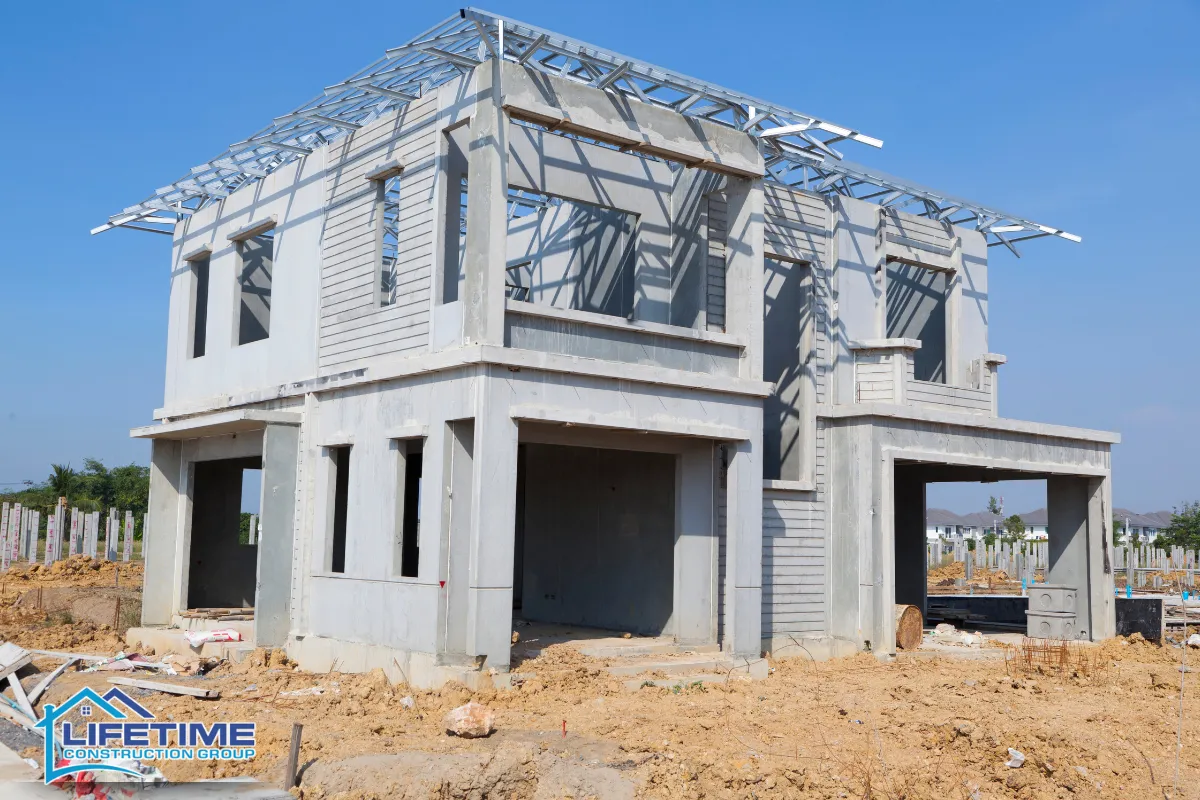
Pike County features varying topography, including rocky terrain and slopes, which means no two building sites present identical challenges. Around Dingmans Ferry, Milford, and Lords Valley, wooded lots often require substantial tree clearing, grading, driveway construction, and drainage solutions before a foundation can even be poured. Costs associated with land preparation can significantly increase total building expenses, sometimes adding $15,000 to $40,000 or more to a project that looked straightforward on paper.
Much of Pike County requires independent infrastructure like wells and septic systems, since municipal water and sewer service is limited outside of a few boroughs. Distance to electrical service lines and the potential need for propane storage for heating or cooking are additional cost factors that buyers in more developed areas rarely face. A significant portion of Pike County falls under strict environmental protections due to the Delaware River watershed, which can impose additional review requirements on grading, stormwater management, and land disturbance.
House size and design complexity heavily influence overall construction costs in Pike County. A simple rectangular footprint with a standard gable roof costs far less to frame and finish than a home with multiple wings, dormers, or complex rooflines. High winter snowfall in Northeast PA affects local building codes and design requirements, meaning roof load ratings, insulation standards, and frost-depth specifications for foundations are all dictated by the climate.
Labor costs in Pike County reflect a market with a limited pool of skilled trades. Helpers in construction trades average roughly $16 to $20 per hour, while plumbers, electricians, and pipefitters typically earn $25 to $30 or more per hour. When scheduling trades during peak building season, expect competition and lead times that can stretch timelines, especially if winter weather limits outdoor work windows.
Cost Per Square Foot: What You Get for Your Money
Cost per square foot is a useful shorthand for comparing building options, but it is imperfect. Two homes at the same price per square foot can look and feel completely different depending on how the budget is allocated between structure, systems, and finishes. Building costs range from $100 to $200 per square foot for straightforward homes in lower-cost markets, but Pike County’s conditions push most projects above those national averages. A larger home increases costs due to more materials needed, but cost per square foot can actually decrease slightly with scale because fixed costs like permits and utility connections are spread across more space.
- Basic tier (approximately $200 to $240 per square foot): Simple footprint, standard framing, vinyl siding, asphalt shingles, builder-grade cabinets, laminate or LVP flooring, and straightforward mechanical systems. This tier is the most cost effective starting point for a new construction home.
- Mid-range tier (approximately $240 to $290 per square foot): Upgraded exterior finishes with stone accents or engineered wood siding, better windows and doors, more detailed trim, a mix of LVP and hardwood floors, granite countertops, and upgraded kitchen and bath fixtures with quality appliances.
- Higher tier (approximately $290 to $350 or more per square foot): Custom architecture, complex rooflines, premium siding or full masonry, higher-end cabinetry, custom tile work, luxury finishes throughout, specialty systems, and smart-home features. This range also tends to include expansive porches, decks, and finished lower levels.
Unusual architectural details, extra bathrooms, large outdoor living space, and a finished basement can all push the cost per square foot to the upper end of local ranges.
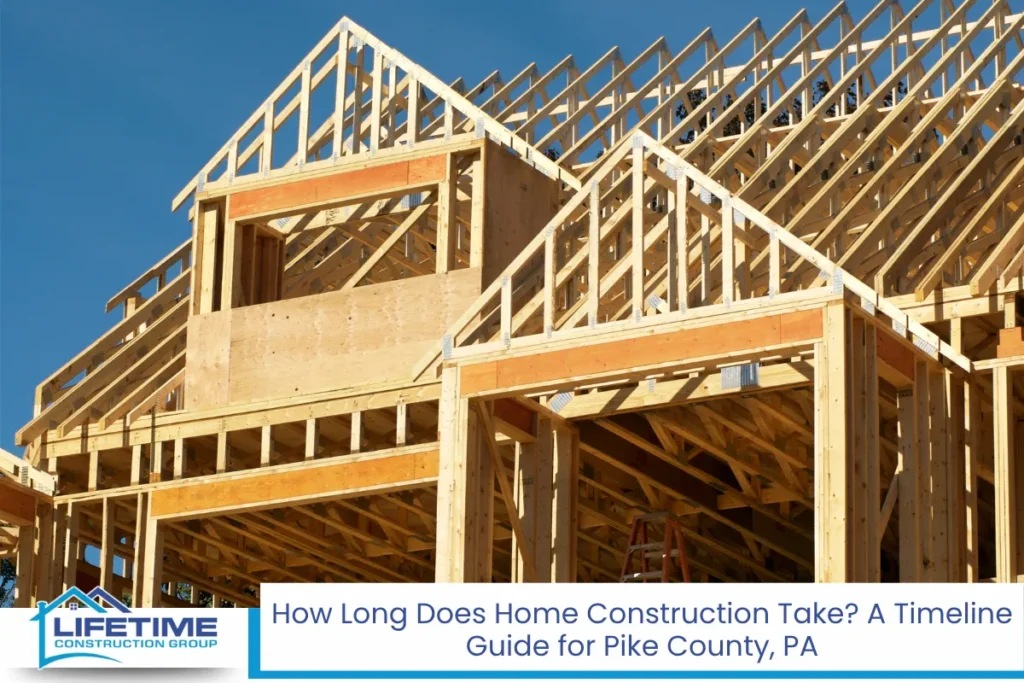
Read How Long Does Home Construction Take? A Timeline Guide for Pike County, PA
Breaking Down Your Pike County Home Construction Budget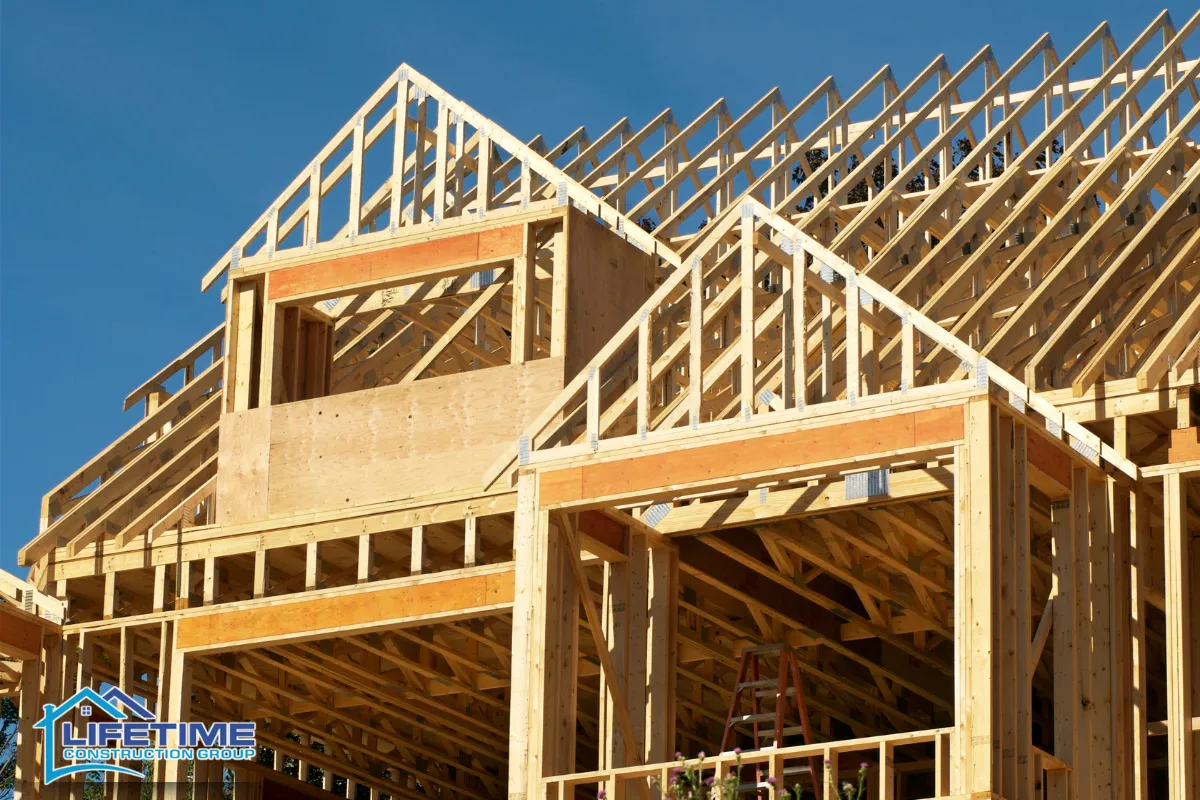
Understanding where your money goes during a build makes it easier to control spending and prioritize what matters most. Below is an approximate breakdown for a custom home in the $500,000 to $700,000 construction range in Pike County. These percentages come from data gathered across various sources and are illustrative, since actual allocations will shift based on your site and selections.
- Foundation and site work typically represent 10 to 15 percent of the total budget. For a $550,000 build, that translates to roughly $55,000 to $82,500.
- Framing and structure costs generally constitute 15 to 20 percent of the total budget, covering lumber, trusses or rafters, sheathing, and structural labor.
- Mechanical systems costs account for 15 to 18 percent of the total budget and include HVAC equipment, plumbing rough-in and finish, and electrical wiring and panels.
- Interior finishes usually account for 20 to 28 percent of the total home construction budget. This is the single largest flexible category and covers cabinets, countertops, flooring, trim, painting, lighting, and bathroom fixtures.
- Exterior finishes, including siding, roofing materials, windows, exterior doors, and porches, typically run 7 to 12 percent.
- Additional soft costs like architect fees and permits typically account for 15 to 20 percent of total construction costs, covering initial design, engineering, surveys, permit fees, inspections, and contingency funds.
Interior finishes and exterior details are usually the most flexible categories, while structural and code-driven items like insulation levels, egress windows, and safety systems have much less room for cuts. Budget at least a 10 to 15 percent contingency for material price changes, rock found during excavation, last-minute design tweaks, or additional home improvement features requested mid-project.
Land, Site Preparation, and Utilities in Pike County
Land and site preparation costs are separate from the house itself, but they directly shape your total budget. In Pike County, land costs can vary from $30,000 to over $150,000 depending on acreage, road frontage, views, and proximity to amenities like the Delaware River or state forests. Nationally, land acquisition costs average $3,380 per acre, but Pike County’s median price for rural vacant land sits closer to $12,359 per acre, with smaller parcels near rivers or roads commanding much higher premiums. When searching for available property, you may encounter IDX listings on real estate websites or supplied open house information from local agents that can help you compare parcels and narrow your search.
Site preparation costs average about $5,000 to $25,000 for typical residential projects, but heavily wooded or steeply sloped lots in Pike County can push that figure well beyond $25,000 when you factor in rock removal, retaining walls, and extended driveways. Common tasks include surveying, clearing trees and stumps, grading building pads and driveways, installing erosion and stormwater controls, and placing culverts where required by local ordinances.
Installing a private drilled well typically costs between $8,000 and $18,000, depending on depth and geology. Wells in Pike County often need to reach 200 to 400 feet through glacial deposits and shale. Installing a customized septic system ranges from $12,000 to $35,000 depending on soil conditions; sand mound systems, which are common in the region due to soil and elevation constraints, land on the higher end of that range. Electrical service from the road may require trenching over long distances, and many homeowners also budget for a propane tank for heating or cooking. Open house information and data from MLS Grid platforms rarely include these utility details, so always verify infrastructure requirements before making an offer on land.
Major Construction Phases: From Foundation to Final Walkthrough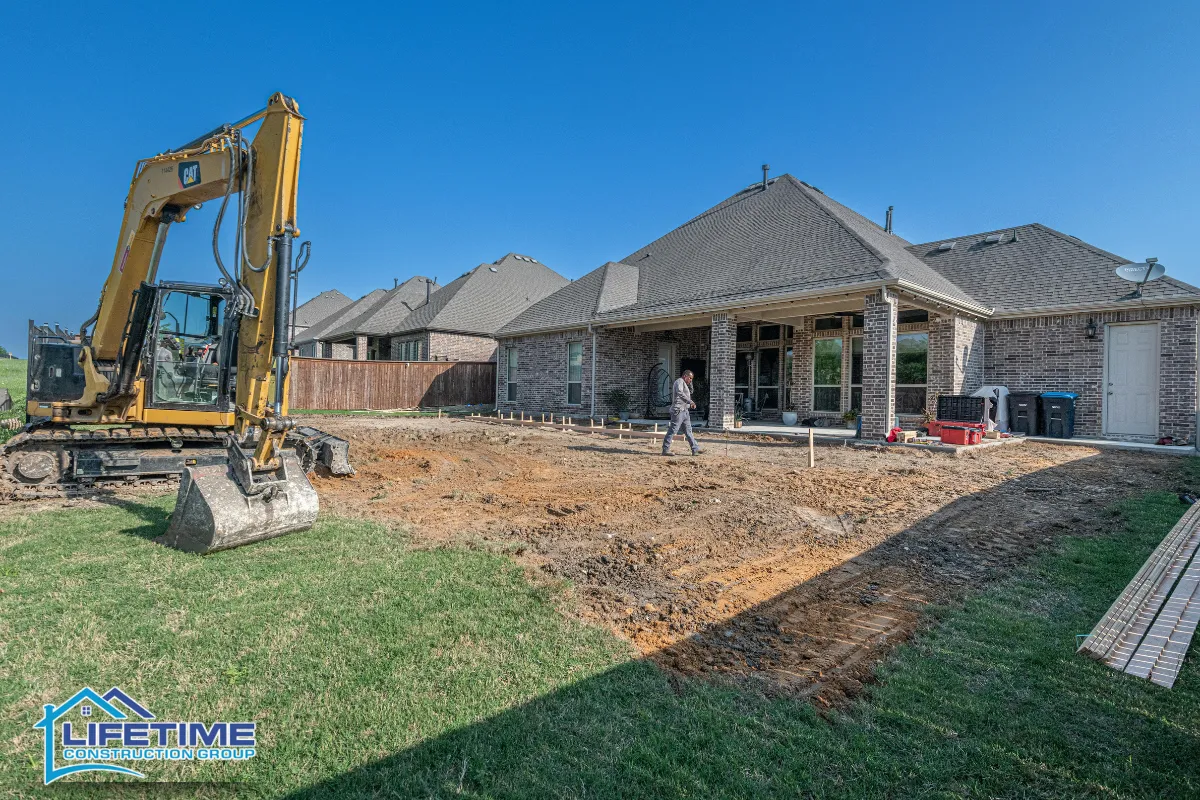
Building a new home follows a predictable sequence of phases, each with its own cost profile and inspection requirements.
- Foundation: In Pike County, full basements are popular because frost depth requirements already demand footings well below grade, and a basement provides valuable storage or future living space. Foundation costs range from $4,500 to $27,000 depending on type, with full basements at the higher end and slab-on-grade at the lower end. Crawlspaces fall in between and suit certain sites where drainage or slope makes a full basement impractical.
- Framing and structure: Once the foundation is cured, framing begins. Framing costs typically range from $10 to $20 per square foot, covering wall framing, floor systems, roof trusses or rafters, sheathing, and basic weatherproofing. Simpler roof designs and rectangular footprints cost less to frame than homes with multiple rooflines or cantilevered sections.
- Mechanical systems: After the shell is weather-tight, plumbing, electrical, and HVAC rough-ins are installed. Plumbing installation costs range from $11,800 to $15,000 for a typical single-family home. Electrical work and HVAC systems are priced based on the home’s size, layout, and the type of heating and cooling equipment chosen. Inspections are required at each stage before walls are closed.
- Interior and final exterior work: Insulation, drywall, interior trim, cabinets, flooring, and painting follow in sequence. Exterior finishes like siding, roofing, and porches are completed concurrently. After all systems are operational and finishes are in place, the home goes through final inspections, a punch list review, and a walkthrough before the owner can move in.
Interior and Exterior Finishes: Where Choices Drive Your Total Budget
Finishes are where your new home truly takes shape, and they are also where spending can escalate fastest. The final touches you select for kitchens, bathrooms, and living areas often make the biggest difference in both appearance and price.
On the interior side, kitchen cabinets and countertops represent some of the highest single-line-item costs. Granite countertops, custom cabinetry, and premium appliances can easily add $30,000 to $60,000 compared to builder-grade alternatives. Flooring choices matter too. Hardwood floors cost more upfront than LVP but add long-term value and appeal. Bathroom fixtures, interior doors, lighting packages, and built-ins each contribute to the total in ways that compound quickly when multiplied across rooms.
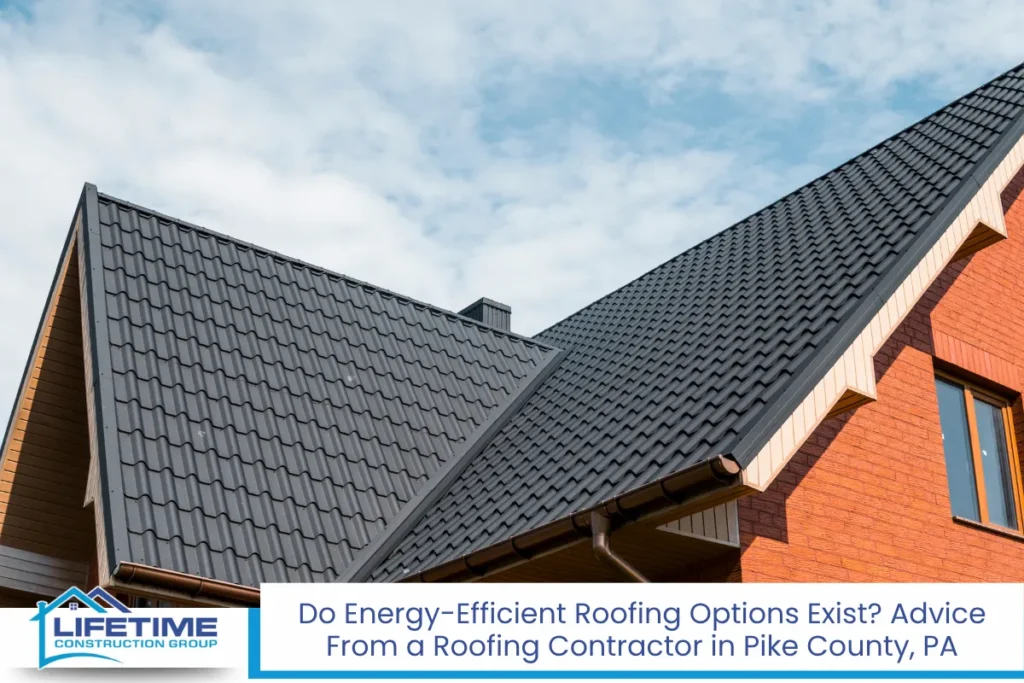
Exterior finishes carry similar weight. The difference between vinyl siding and a combination of stone veneer and engineered wood siding can be $20,000 or more. Roofing type, whether asphalt shingles, standing-seam metal, or synthetic slate, affects both the initial price and the future maintenance profile. Window and door quality matters for energy efficient performance in Pike County’s four-season climate, where cold winters and humid summers put materials to the test. Porches, decks, and exterior trim details can swing the budget significantly on homes designed for outdoor living.
Choosing durable, low-maintenance materials can be a smart long-term investment, even if the upfront line item is higher. To keep the total budget in line, consider prioritizing high-impact rooms like the kitchen and primary bath, selecting mid-range finishes that still offer good performance in other areas, and postponing some decorative home remodeling elements or landscaping for a later phase.
Permits, Codes, and Working With a General Contractor in Pike County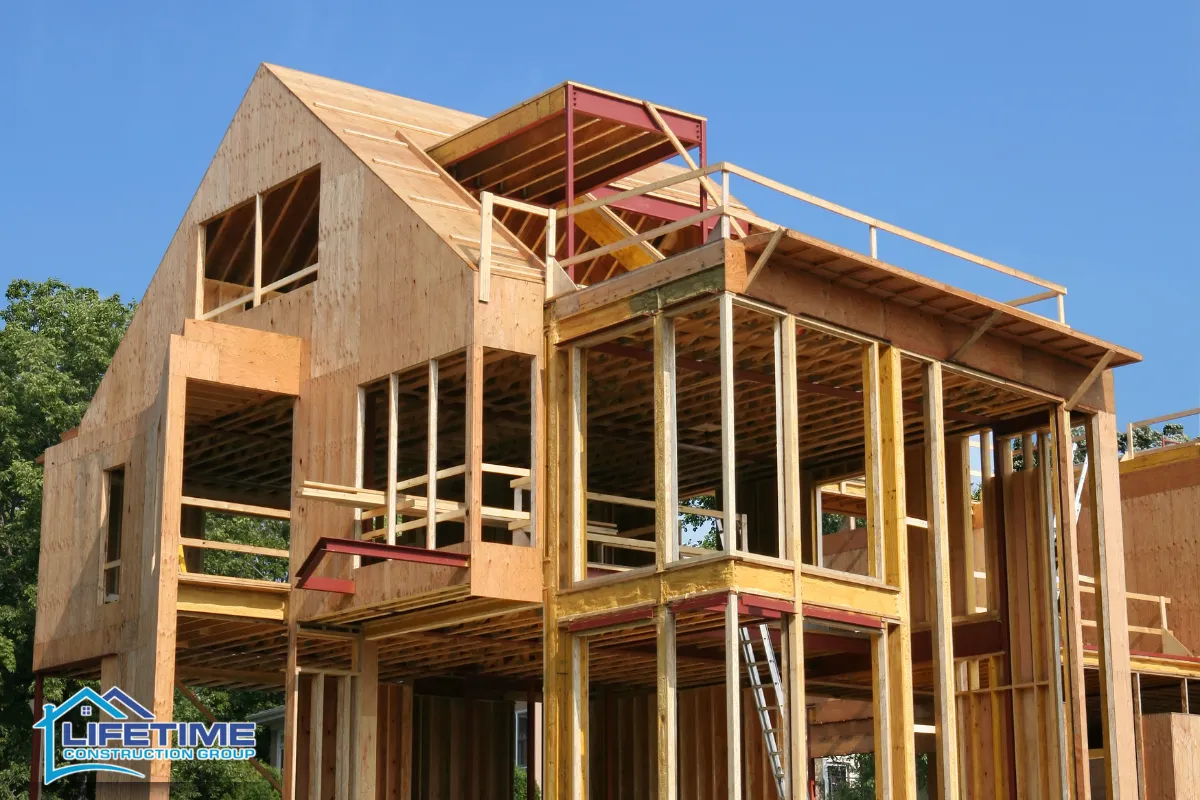
Pennsylvania enforces the Uniform Construction Code statewide, and each township or borough in Pike County handles local enforcement, plan review, and inspections. When building in Pike County, local permitting processes can vary substantially by municipality, so understanding your specific township’s requirements early is critical. Regulatory and permit costs should be budgeted well in advance due to local building code enforcement timelines.
Typical permits for new home construction include building, zoning, driveway, septic, and well permits, along with inspection milestones at foundation, framing, mechanical rough-in, and final completion. Permit fees vary by township. Under the state fee schedule, base fees start at $321 plus $0.65 per square foot of floor area, with additional local administration charges on top. Information submitted to the township for review is independently reviewed by a code official, and any plan deficiencies can add weeks to the approval timeline.
A local general contractor coordinates plans, engineering, permit submissions, trade scheduling, inspections, and quality control from groundbreaking through completion. For builders and homeowners alike, this coordination is what keeps a project on schedule and code-compliant. When choosing a home contractor in Pike County, check licensure and insurance, review local references and past projects, understand exactly what is included in the written proposal, and clarify change-order and communication procedures before signing.
Planning Your Total Budget and Avoiding Cost Surprises
Before you create a final budget, map out every cost category with realistic numbers. Here is a sample total budget framework for a hypothetical 2,000 square foot custom home in Pike County:
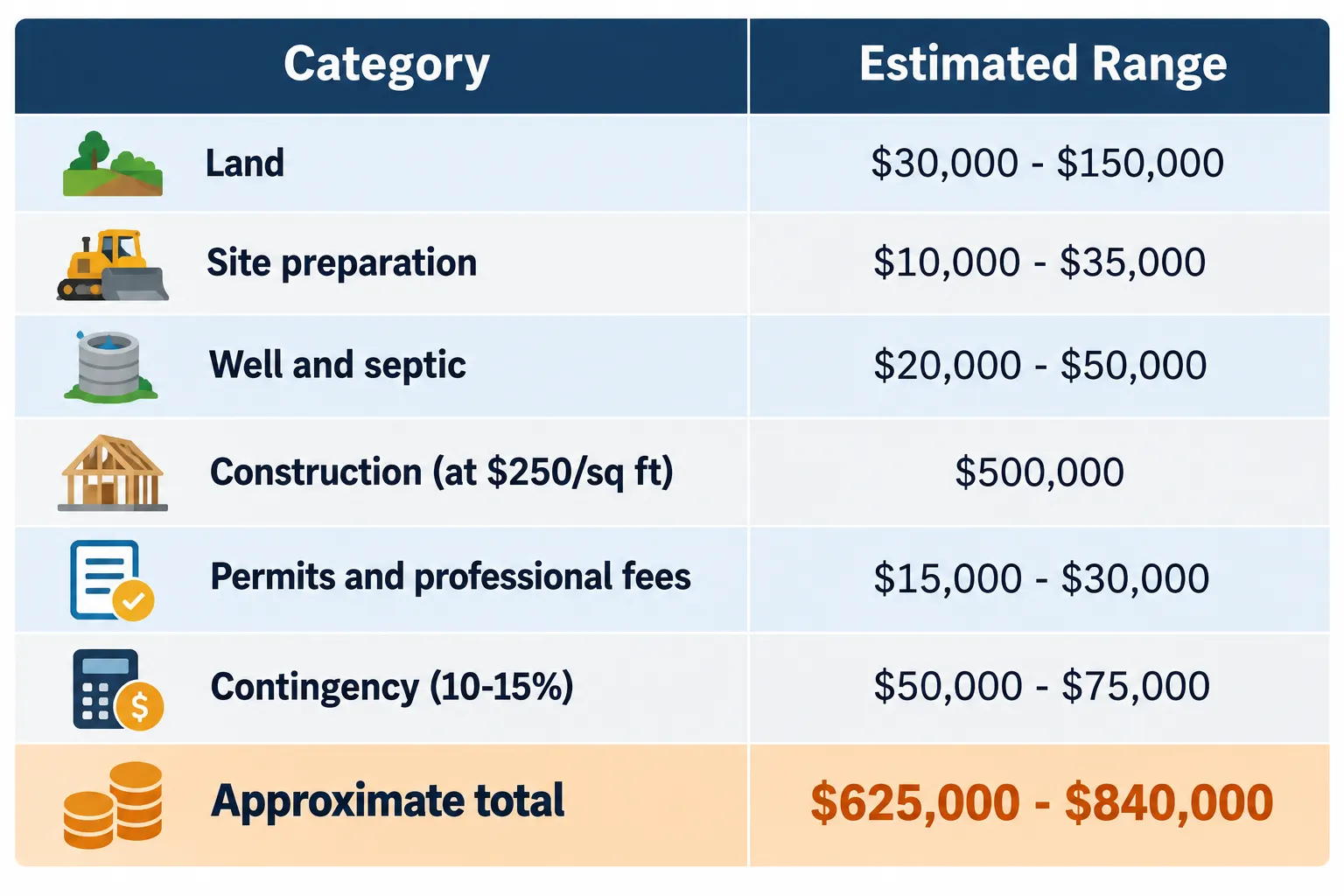
Get detailed, itemized quotes that break down labor costs, materials, and allowances for items like cabinets, flooring, and fixtures so you can see exactly where money is allocated. Septic and well costs should be investigated early in the budget planning process, since they can swing by thousands depending on soil and depth.
Most homebuilders finance construction costs through loans, and construction loans typically convert to a traditional mortgage after completion. Shop around for the best rates on construction financing, and be aware that land loans can lead to higher total interest costs if you purchase property well before you begin building. Allocate about 20 percent of your budget for unexpected expenses, which covers everything from rock encountered during excavation to mid-project material price increases.
Prioritize must-have features such as bedroom count, energy efficient systems, or a covered porch, and keep a separate list of nice-to-haves that can be added if the numbers still work. Stay flexible during the build by being willing to adjust finishes, postpone some home renovation upgrades, or simplify design elements if bids or change orders start pushing beyond the original target. The goal is to create a home you love without sacrificing financial stability in the future.
Home Construction in Pike County, PA – Lifetime Construction Group LLC
At Lifetime Construction Group LLC, we specialize in home construction and residential projects throughout Pike County and the surrounding communities. From initial design and budgeting through final inspections, our team handles every phase of new construction so you can focus on the decisions that matter most for your new home. We act as your full-service general contractor, coordinating trades, permits, and inspections to keep your project on schedule and aligned with local building codes. Our clients trust us because we prioritize clear communication, realistic pricing, and quality craftsmanship on every project we build. Whether you are planning a custom home, a home renovation, or a home improvement project, we are here to help. Call us at (570) 517-6557 or fill out our online contact form to discuss your plans and get a tailored estimate.
Frequently Asked Questions
How Long Does It Typically Take to Build a New Home in Pike County?
From permit application to move in, a typical custom home in Pike County takes about eight to thirteen months, assuming average size and mid-range complexity. The timeline depends on several factors including how quickly permits are approved, weather conditions during foundation and exterior work, and the availability of subcontractors for mechanical systems and finishes. Winter weather can delay outdoor work by weeks or even months if heavy snow or frozen ground prevents excavation, concrete pours, or site grading. Starting the permit process in late winter or early spring often allows builders to take advantage of the full construction season. Plan for delays and build schedule buffers into your expectations from the start.
Is It Cheaper to Buy an Existing Home or Build New in Pike County?
Building a custom home usually costs 10 to 20 percent more than buying an existing property of comparable size. The median home value in Pike County is significantly lower than what most new construction projects cost, which makes buying an existing home cheaper on a pure price basis. However, older homes may need significant home remodeling, system replacements, or structural repairs that close the gap over time. New construction gives you modern code compliance, energy efficient systems, lower near-term maintenance, and a layout tailored to your lifestyle. The right choice depends on your priorities, your budget, and whether the market offers an existing home that meets your needs without major renovations.
Can Homeowners Do Some Work Themselves to Reduce Costs?
Owners can sometimes handle tasks like painting, landscaping, or installing shelving to reduce the amount they pay, but there are important limits. Any work involving electrical, plumbing, or structural modifications must meet code requirements and typically requires licensed professionals and inspections. If you perform work that fails inspection, the cost to redo it often exceeds what you saved. Additionally, some builders limit or void warranty coverage on portions of the home where the owner performed work outside the scope of the contract. Discuss any sweat-equity plans with your general contractor early in the process so everyone understands responsibilities, inspection requirements, and liability boundaries before work begins.
Are Modular Homes a Viable Option for Pike County?
Modular homes are built in controlled factory environments and transported to the site for assembly, which can be a practical alternative in Pike County. Modular homes reduce construction time significantly because the structure is fabricated while site preparation and foundation work proceed simultaneously. Modular homes offer lower costs compared to traditional homes in many cases, and energy-efficient features are standard in modular homes, including tighter building envelopes and factory-installed insulation. Pike County’s climate suits modular home construction well since the factory-built components are not exposed to weather during fabrication. Keep in mind that site work, foundation, well, and septic costs still apply, so the total project cost should be evaluated against a comparable stick-built estimate.
How Do Energy-Efficient Design Choices Affect Costs and Savings?
Investing in energy efficient design, such as higher-rated insulation, triple-pane windows, or a heat pump HVAC system, typically adds 5 to 15 percent to the relevant line items compared to code-minimum options. However, these upgrades reduce monthly utility costs and can pay for themselves within several years, especially given Pike County’s cold winters and warm summers. Many homeowners also find that energy efficient homes qualify for better financing terms, rebates, or tax incentives that offset the upfront difference. When planning your build, ask your construction company to price both standard and upgraded mechanical and insulation packages so you can compare the upfront cost against projected long-term savings and make an informed decision.
Disclaimer
All costs, code references, and timelines in this article are approximate as of late 2026 and may change. Consult local officials and qualified professionals before starting any home construction project in Pike County, PA.
Read What Are Exterior Finishes in Home Construction? Essential Options for Your Dingmans Ferry, PA Home