
Weather-Proof Roofing Choices for Dingmans Ferry Homes
Choosing the right roofing materials for a Dingmans Ferry home requires careful consideration by any roofing contractor. Homes in this area face relentless snow loads, ice dams, strong wind gusts, and humid summers that can quickly damage weak roof systems. Using the wrong materials can lead to leaks, mold growth behind walls, higher energy bills, and premature roof replacement—problems no homeowner wants to face. The key is selecting weather-resistant roofing materials and working with a knowledgeable roofing contractor who understands the unique local conditions. This guide explores the best roofing materials for severe weather, important structural design factors, Pennsylvania code requirements, and how professional roofers can help safeguard your home.
Key Takeaways
- Dingmans Ferry, Pennsylvania sees heavy snowfall exceeding 50 inches per year, recurring ice dams, high humidity, and strong storm events that demand durable roofing materials built to last.
- Standing seam metal roofing, architectural asphalt shingles with Class 4 impact ratings, and synthetic slate systems offer the strongest performance against local severe weather when paired with proper underlayment and ventilation.
- Pennsylvania building codes require ice barrier membranes, specific fastening patterns, and load-rated roof structures; meeting these standards is just as important as selecting the right material.
- Homeowners and business owners in the area should work with an experienced local roofing company familiar with Pike County weather patterns and PA code requirements to choose the best roofing option for their property.
Local Weather Challenges in Dingmans Ferry, Pennsylvania
Dingmans Ferry features a humid continental climate with heavy rain and snowfall. Winters stretch from late November into March, cycling between freezing and thawing repeatedly. Summers bring thunderstorms with hail and sustained humidity that lingers in the forested, shaded lots common across Pike County. Dingmans Ferry has high winds and ice dam risks due to mountain elevations in the Pocono Highlands.
Heavy snowfall in the Northeastern U.S. increases ice damming risks, and Dingmans Ferry experiences heavy snowfall exceeding 50 inches annually. When snow accumulates on a roof and heat escapes through a poorly insulated attic, ice dams form when melting snow refreezes at roof edges. This cycle traps water behind the ice ridge, forcing it under shingles and into the roof deck. Ice dams can result from heavy snow accumulation and freeze-thaw cycles, making them one of the most destructive forces a local roof faces each winter.
High humidity can lead to mold if roofs lack ventilation. In shaded, wooded areas around Dingmans Ferry, moisture clings to roof surfaces and decking for longer periods. Algae streaks, moss growth, and wood rot in decking and fascia boards appear within a few years on vulnerable materials. This is a concern for both residential and commercial roofing structures across the region.
Strong winds can loosen shingles and cause roof damage. Wind-driven rain forces water into gaps around flashing, ridge caps, and nail holes. During severe thunderstorms, gusts in exposed Pocono ridges sometimes reach 70 to 90 mph, stressing every fastener and seal on the roof. Even moderate but sustained wind creates uplift pressure that can peel back shingles or lift metal panels if they were not attached correctly.
Pennsylvania building codes, specifically the Uniform Construction Code, require specific measures to address these conditions. Ground snow load design values in the region run around 25 psf, and ice barrier underlayment is required in areas where average January temperatures fall below 25 degrees Fahrenheit, which includes all of Pike County.
Comparing Roofing Materials for Severe Weather Performance
Selecting the right type of material starts with understanding how each option handles wind, snow, hail, moisture, and temperature extremes. Below is a breakdown of the major categories relevant to homeowners and business owners near Stroudsburg, East Stroudsburg, Port Jervis, and throughout Pike County.
Asphalt Shingles: 3-Tab and Architectural
Asphalt shingles are cost-effective but less durable in storms compared to metal or slate. Standard 3-tab shingles carry wind ratings between 60 and 90 mph and offer minimal impact protection. For a region that regularly sees hail and 70-plus mph gusts, 3-tab shingles are a risky choice.
Architectural shingles offer improved wind resistance over standard asphalt. Premium architectural products reach wind ratings of 110 to 130 mph. High-end architectural asphalt shingles have Class 4 impact resistance for severe weather, tested under UL 2218 to withstand a 2-inch steel ball dropped from 20 feet. Class 4 impact-resistant shingles can absorb high-velocity impacts from hail, making them far more practical for Dingmans Ferry. Lifespan ranges from 25 to 35 years with proper installation and adequate ventilation. Weight runs about 320 to 400 pounds per square (100 square feet), manageable for most existing roof framing.
Standing Seam Metal Roofing and Metal Shingles
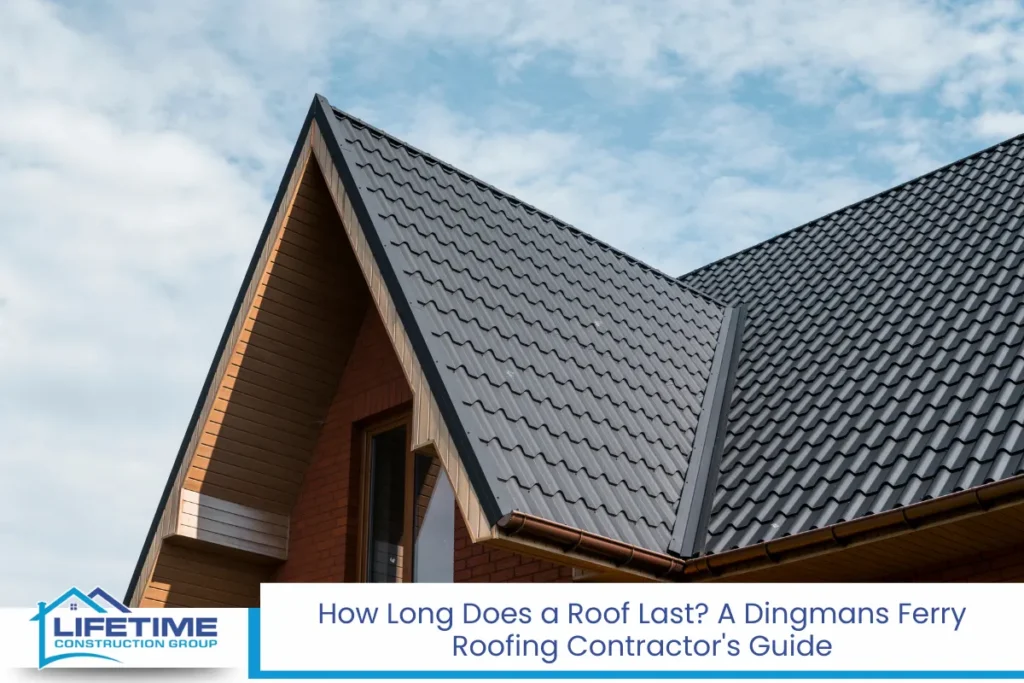
Metal roofing resists strong winds and sheds snow quickly. Standing seam panels interlock without exposed fasteners on the surface, reducing water intrusion points. Wind resistance on premium systems exceeds 140 mph, and the smooth surface lets snow slide off before it accumulates into damaging loads. Metal carries a Class A fire rating.
The tradeoff is higher upfront cost, but the 40- to 70-year lifespan offsets that gap. Metal weighs between 150 and 300 pounds per square depending on gauge and panel profile, so structural reinforcement is rarely needed. Reflective coatings reduce heat gain during humid summers. Noise is often raised as a concern; proper attic insulation and solid decking bring interior sound levels close to those under asphalt shingles.
Slate and Synthetic Slate
Slate roofing withstands extreme temperatures and strong winds. Natural slate is nonporous stone, virtually immune to freeze-thaw damage. A well-installed slate roof lasts 75 to 100 years or longer. The drawback is weight: natural slate often runs 800 to 1,500 pounds per square, requiring engineered framing. Repairs need a contractor trained in slate work, and the material is brittle underfoot.
Synthetic composite slate mimics the durability of natural slate at a fraction of the weight. These engineered products carry impact ratings, UV stabilization, and resistance to moisture absorption. They give homeowners the look of stone without the structural demands and with easier handling for the installation team.
Concrete and Clay Tiles
Concrete and clay tiles are durable and interlock for high wind areas. Glazed clay tiles resist algae and moss, and both materials offer lifespans beyond 50 years. Weight is the main limitation: clay tiles often reach 900 to 1,100 pounds per square. Structural reinforcement is a requirement. In snow-heavy climates, tiles can crack when saturated with water and then subjected to freezing temperatures. These materials perform better on steep slopes where snow slides off rather than pooling.
Modern Synthetic and Composite Systems
Polymer-based composite shingles replicate the appearance of wood shakes or slate tiles. Many carry Class 4 impact ratings and resist UV degradation. Performance in freeze-thaw conditions depends on the quality of the manufacturing process; not all brands hold up equally. These materials weigh roughly the same as heavy asphalt shingles, keeping them within the capacity of standard residential framing. They resist warping, mold, and algae better than natural wood.
Read What Roofing Material Is Best for Homes? A Dingmans Ferry Roofing Contractor Weighs In
Best Roofing Materials for Dingmans Ferry’s Snow, Ice, and Storms
Narrowing the field to what actually performs in this area, three to four options stand out.
Architectural asphalt shingles with wind ratings of 110 mph or higher and UL 2218 Class 4 impact resistance balance cost and protection for most budgets. Hailstorms can impact roofs, requiring durable materials; Pike County recorded hail up to 1.3 inches as recently as July 2026, so anything below Class 3 rated leaves a roof vulnerable to granule loss and bruising.
Standing seam metal roofing is recommended for heavy snow and high winds. For people making a longer investment, metal delivers the best combination of snow shedding, wind resistance, fire safety, and longevity. It is the top option for anyone planning to live in their home for 20-plus years or for commercial property owners who want minimal maintenance.
Synthetic slate or composite shingles are a strong premium alternative. They provide weather resistance close to natural slate, lighter weight, and a price point between metal and natural stone. For houses with architectural character or those near historic areas, synthetic slate offers curb appeal without the structural burden.
When selecting colors and coatings, lighter tones and algae-resistant finishes extend the life of any material in Dingmans Ferry’s humid, wooded environment. Lighter surfaces also reduce heat absorption during summer months.
Roof Construction Details That Matter as Much as the Material
Proper installation is crucial for roofing material performance in severe weather. Even the best roofing material fails when the structure underneath it is wrong.
The roof deck, typically plywood or OSB at 5/8-inch thickness or greater in snow load zones, anchors every material above it. Ring-shank nails improve withdrawal resistance over smooth-shank nails; the deck must be fastened per manufacturer specifications and IBC/IRC schedules to resist wind uplift.
Roof installation systems, including underlayment and flashing, impact storm resilience. Pennsylvania’s Uniform Construction Code requires ice barrier membranes along eaves in areas prone to ice formation. The barrier must be either two layers of underlayment cemented together or a self-adhered polymer-modified bitumen membrane, extending from the lowest eave edge at least 24 inches inside the exterior wall line. On slopes of 8:12 or steeper, that distance increases to 36 inches. Ice and water shield underlayment prevents leaks caused by ice dams by creating a waterproof seal at the most vulnerable points of the roof.
Roof pitch and shape directly affect snow behavior. Steeper slopes (above 6:12) encourage snow to slide off rather than accumulate. Complex roof shapes with multiple valleys, dormers, and intersecting planes trap snow and create drift zones that concentrate loads.
Proper ventilation helps manage attic temperature and reduce ice buildup. Cross-ventilation through soffit and ridge vents keeps the underside of the roof deck at a consistent temperature, preventing the uneven melting that starts ice dams. Pennsylvania code requires ventilation openings in enclosed attic and rafter spaces, protected against snow and rain entry.
Flashing at valleys, walls, chimneys, and penetrations must be corrosion-resistant metal, properly lapped and sealed. Drip edges at eaves and rakes direct water away from the fascia and into gutters. Ridge caps sealed according to manufacturer instructions close the top of the roof against wind-driven rain.
Fasteners, Attachment Methods, and Code Compliance
Wind uplift requires proper fastening techniques and quality materials. Every fastener on the roof must be corrosion-resistant: galvanized steel, stainless steel, or approved nonferrous metals. Nail length and diameter vary by material; architectural shingles typically require at least 12d roofing nails penetrating the deck to a specified depth.
Professional roofers use proper nailing patterns for secure attachment. On architectural shingles, manufacturers define specific nailing zones; missing those zones or driving nails at the wrong angle reduces wind uplift resistance. In high-wind areas, some products require six nails per shingle instead of four. Standing seam metal systems use hidden clip fasteners that allow thermal expansion without creating exposed penetrations.
Improper installation can void roofing material warranties. Manufacturers tie their warranty coverage to documented compliance with their installation instructions. Professional installation ensures compliance with local building codes, and local code enforcement inspects deck attachment, underlayment placement, ice barrier coverage, flashing details, and ventilation before issuing final approval.
For commercial roofing systems such as single-ply membranes on low-slope roofs, fastening or adhesion systems are tested for specific uplift resistance values. These require contractors experienced in commercial specifications.
Choosing the Right Roof for Your Home or Business
Selecting the right material involves more than picking what looks good. Here are the decision factors worth keeping in mind.
Budget and lifecycle cost. Asphalt shingles cost less upfront but need replacement sooner; expect 25 to 35 years. Metal costs more initially but lasts 40 to 70 years with minimal maintenance. Synthetic slate falls between the two. Natural slate and clay tile sit at the top of the cost range but can exceed 75 years of service. When you compare the total cost per year of protection, metal and synthetic slate often provide better value.
Aesthetics and property style. A Cape Cod or Colonial home in Pike County pairs well with architectural shingles or synthetic slate. Modern or rustic properties suit standing seam metal. Commercial buildings near Stroudsburg or along Route 209 may prioritize low maintenance and durability over visual style.
Maintenance expectations. Asphalt shingles need periodic inspection for granule loss, curling, and edge damage. Metal roofs require checking sealant joints and fastener integrity. Slate needs replacement of cracked pieces. All roof types benefit from clean gutters and prompt removal of debris.
Structural constraints. Existing framing determines whether heavy materials like natural slate or clay tile are an option. A structural engineer or experienced roofer can assess whether rafters and trusses support the added weight. If reinforcement costs push the budget too far, synthetic alternatives and metal offer similar longevity at lower weight.
Encourage any contractor you hire to provide a detailed written quote comparing roof replacement options, warranty terms, and installation methods. Request documentation of material certifications and code compliance.
Working With a Local Roofing Company You Can Trust
Professional installation reduces the risk of roof damage during storms. A roofing contractor familiar with Dingmans Ferry weather patterns knows where ice dams form on local roof shapes, which slopes need extra fasteners, and how to detail flashing around the stone chimneys common in the area.
Before signing a contract, verify licensing, insurance coverage, and local references. Ask whether the contractor holds manufacturer certifications that provide enhanced warranty coverage. Expert installation can enhance the longevity of roofing materials by years.
A full roofing services package should include ventilation assessment, deck inspection, gutter evaluation, and siding condition review, not just the surface material. Schedule inspections after major storms and at least once per year to catch small issues before they become leaks. People who invest in annual maintenance consistently spend less on emergency repairs over the life of the roof.
Finding a team you trust gives you peace of mind that your property is protected through every season.
Roofing Contractor in Dingmans Ferry, PA – Lifetime Construction Group LLC
We are Lifetime Construction Group LLC, a roofing contractor based in Dingmans Ferry, Pennsylvania, and we are committed to helping homeowners and commercial property owners protect their buildings against the harsh weather conditions this area brings every year. Our team has hands-on experience installing architectural asphalt shingles, standing seam metal roofing, synthetic slate, and other systems designed to perform in heavy snow, ice, and high humidity. We follow Pennsylvania roofing codes and manufacturer guidelines on every project to provide lasting results. Whether you need a full roof replacement, storm damage repair, or an honest assessment of your current roof’s condition, we are here to help. Call us today at (570) 517-6557 or fill out our contact form to request a free quote.
Frequently Asked Questions
How often should I have my severe-weather roof inspected in Dingmans Ferry?
Schedule at least one professional inspection per year, ideally in late spring after the snow and ice season ends. After any storm that brings hail larger than a quarter, heavy wet snow, or wind gusts above 60 mph, a follow-up inspection is worth the cost. Roofers will check for lifted or missing shingles, loose fasteners, cracked flashing, ponding water on low-slope sections, and early signs of ice dam damage along eaves. From ground level, you can use binoculars to spot granule buildup in gutters, sagging ridge lines, or visible gaps in flashing. Avoid climbing the roof yourself; wet or icy surfaces create serious fall hazards. Early detection keeps repair bills small and extends the life of your roofing materials through decades of harsh weather.
What signs show that my current roof cannot handle severe weather anymore?
Frequent leaks in different parts of the house point to a system-wide problem rather than an isolated spot. Widespread granule loss from asphalt shingles, visible as bare patches or heavy granule deposits in downspouts, signals the protective layer is wearing out. Curling or cracking shingles lose their seal against wind-driven rain. Recurring ice dams in the same locations despite clearing snow suggest insulation or ventilation failures underneath. Interior ceiling stains, especially those that appear after freeze-thaw cycles, indicate water is already reaching the decking. A sagging roofline means structural members may be compromised by moisture or overloading. If you find yourself calling for repairs after every major storm, the roof as a whole is likely past its effective life. A professional roofer can assess whether targeted repairs still make sense or whether full replacement is the safer and more cost-effective path.
Are metal roofs too noisy during rain or hail in residential settings?
Modern residential metal roofing installed over solid plywood or OSB decking with synthetic underlayment produces interior noise levels close to those of asphalt shingle roofs. The decking and underlayment act as sound-dampening layers between the metal surface and the living space below. Adequate attic insulation, whether fiberglass batts, blown-in cellulose, or spray foam, further absorbs sound before it reaches interior rooms. Many homeowners in wooded or rural parts of Dingmans Ferry actually enjoy the subtle sound of rain on a metal roof and describe it as calming rather than intrusive. If noise is a concern, ask your contractor about adding an additional layer of synthetic underlayment or specifying thicker insulation. Stone-coated metal shingles, which have a granulated surface, reduce rain noise even further compared to smooth standing seam panels.
When is the best time of year to install or replace a roof in Dingmans Ferry?
Late spring through early fall provides the best conditions for roofing work in this area. Temperatures between 45 and 85 degrees Fahrenheit allow adhesive strips on asphalt shingles to activate and bond properly. Dry conditions reduce slip hazards on the roof and allow underlayment to be installed without trapping moisture underneath. Roofers can work longer days with consistent daylight, which speeds project timelines. If you need an emergency repair or replacement in winter, experienced crews can still perform the work during dry weather windows, but cold temperatures slow adhesive curing and icy surfaces increase labor time and risk. Planning ahead makes a difference: request your quote in early spring so the work can be scheduled before the heaviest storm months of summer and the snow season that follows. Waiting until damage occurs limits your options and often increases the final cost.
How does my choice of roofing material affect my homeowners insurance?
Some insurance providers in Pennsylvania offer premium discounts for roofs built with impact-resistant or fire-resistant materials. A Class 4 impact-rated architectural shingle or a standing seam metal roof with a Class A fire rating can qualify a property for reduced rates, though the exact discount varies by carrier and policy. Before making a material decision, contact your insurance provider and ask specifically which ratings or certifications trigger a discount. Keep detailed records of your roofing material specifications, manufacturer warranty documentation, and proof of professional installation; these documents simplify claims processing after storm damage. If your roof is older and was installed under outdated standards, upgrading to a code-compliant, impact-rated system can change how your insurer views your property’s risk profile. Some policies carry separate deductibles for wind or hail damage, so understanding your coverage before a storm hits helps you make informed decisions about material investment.
Disclaimer
This article provides general informational guidance on roofing materials and is not legal, engineering, or building code advice. Verify all details with local authorities and licensed professionals in Dingmans Ferry, Pennsylvania before making roofing decisions.
Read What Is a Partial Kitchen Remodel? A Guide by a Kitchen Remodeler in Dingmans Ferry, PA