
Choosing High-Value Upgrades for New Homes
Whether you are coordinating with a home construction team on material choices or weighing cabinet options for the kitchen, building a new home in Dingmans Ferry, PA puts dozens of upgrade decisions in front of you at once. The problem is straightforward: not every dollar you invest in construction comes back at resale, and the wrong choices can leave you with a house that costs more to build than the neighborhood can support.
Rising material costs, Pike County permitting timelines, and the real risk of overbuilding for a lakeside or wooded lot make the stakes even higher. Many upgrades are best done during home construction for cost efficiency, so skipping them now often means paying double later.
The solution is to focus your budget on a handful of strategic improvements that align with what local buyers actually want: energy performance, structural quality, a smart layout, and lifestyle-ready outdoor spaces. This guide walks through each category so you can build with confidence and protect your investment from day one.
Key Takeaways
- Energy-efficient roofing, windows, and insulation deliver the strongest combination of resale value and daily cost savings in Dingmans Ferry’s cold-winter climate.
- Thoughtful square footage planning, main-level primary suites, and basement rough-ins outperform simply building bigger.
- Mid-range kitchen and bathroom upgrades consistently recoup more at sale than ultra-luxury finishes.
- Outdoor living spaces, durable siding, and quality entry doors are high-ROI curb appeal investments for Pike County buyers.
- Local building codes, snow load requirements, and zoning rules directly shape which upgrades are worth pursuing and which are not.
Understanding the Market Before You Build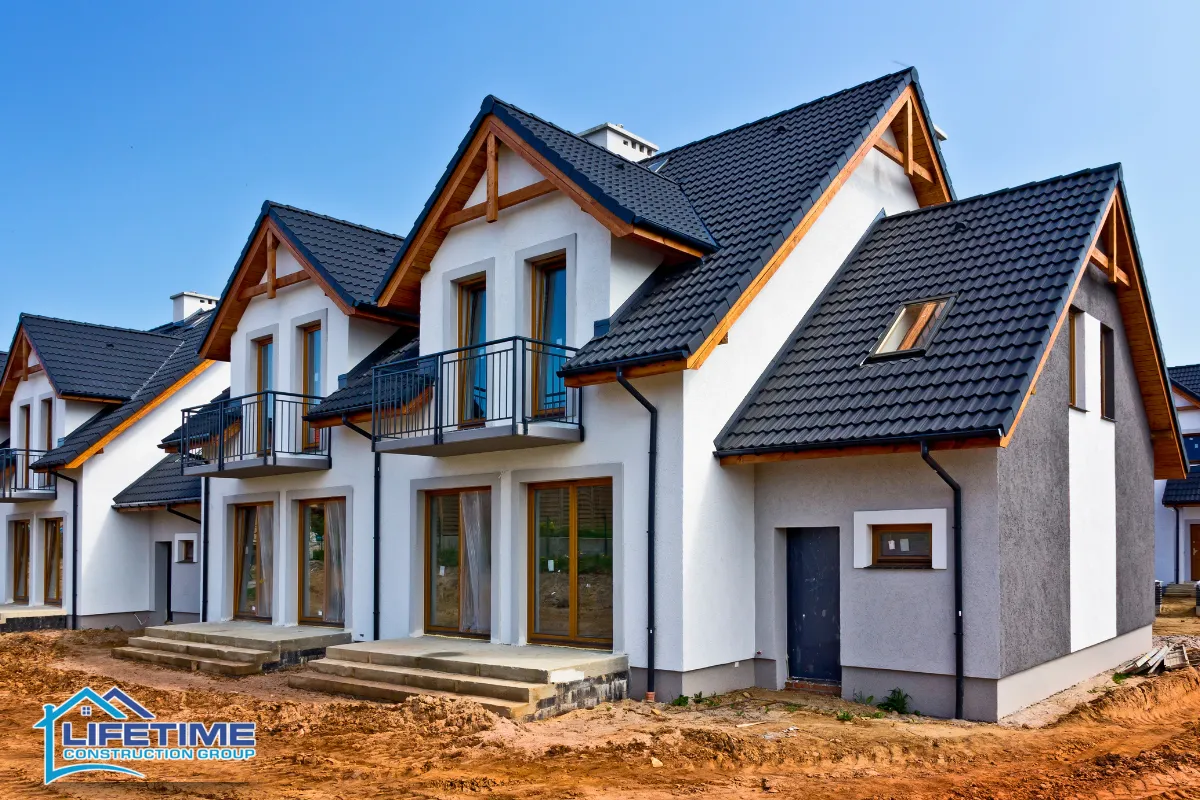
Dingmans Ferry sits in Pike County near the Delaware Water Gap National Recreation Area, drawing a mix of year-round residents, commuters from New Jersey and New York, and second-home buyers looking for a weekend retreat. Understanding who is buying in this area shapes every upgrade decision you make.
- Typical new home listings in the area range from about 1,800 to 3,000 square footage across 3 to 4 bedrooms, with prices spanning roughly $275,000 to $600,000 depending on the lot, views, and finish level.
- Homes in Pike County are selling for approximately $198 per square foot, and properties spend about 53 days on the market before going under contract.
- Lot type matters enormously. A wooded parcel without water access commands different amenities than a river-view property. Buyers for each have a distinct vision of what their home should offer.
- All new builds must comply with the Pennsylvania Uniform Construction Code, Dingman Township subdivision rules, and any HOA or POA guidelines that govern setbacks, exterior materials, height limits, and septic considerations.
- The most valuable upgrades are those that meet or exceed local code, fit the neighborhood, and give appraisers clear documentation to support a higher price.
Before finalizing any upgrade list, talk with a general contractor and a real estate agent who know the Dingmans Ferry market so your choices align with recent sale data rather than guesswork.
Structural and Exterior Shell Upgrades That Deliver Long-Term Value
Structural upgrades yield the best long-term value in new homes because they protect everything inside and define how the house performs for decades. In a region where ground snow loads run 40 to 50 pounds per square foot or higher, cutting corners on the shell is not an option.
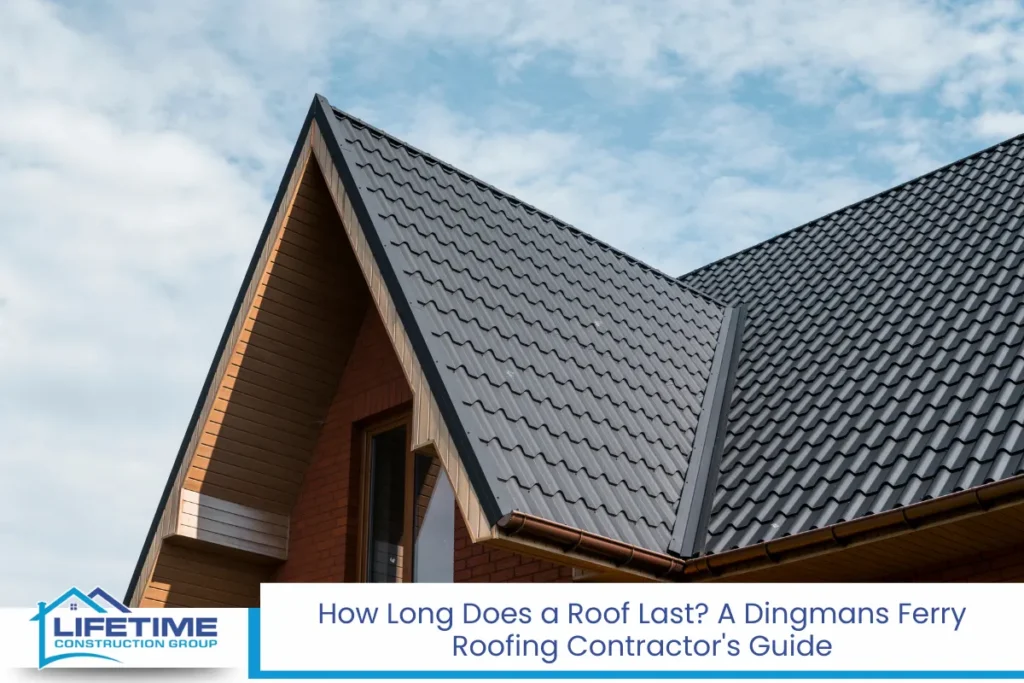
- Roof material selection is one of the highest-impact decisions you will make. Architectural asphalt shingles offer solid performance with a 25- to 30-year lifespan, while metal roofs can last 40 to 60 years and handle heavy snow more gracefully. Proper underlayment, ice-and-water shield at eaves and valleys, and adequate ridge ventilation are all required under Pennsylvania code and protect against ice dams that plague Pocono-area homes. A reputable roofing contractor can help you weigh warranty options against your budget.
- Upgraded windows improve comfort and energy savings significantly. Double- or triple-pane glass with low-E coatings and insulated frames keeps cold air out in January and humidity at bay in July. Replacing windows can recoup 65 to 75 percent of costs at resale, and in a new build you get to choose the right product from the start rather than retrofitting later.
- Framing with 2×6 exterior walls instead of 2×4 allows for higher R-value insulation, a hidden but crucial value add that buyers increasingly ask about. Combine this with thorough air sealing at every penetration and a blower-door test, and the building envelope becomes a genuine selling feature.
- Durable, low-maintenance siding like fiber cement, engineered wood, or high-grade vinyl handles the freeze-thaw cycles common in this area and tends to recoup strong value at resale. Adding stone veneer to a portion of the facade can recover about 97 percent of its cost.
- Property-specific upgrades may include proper grading and drainage. On hilly or wooded lots, investing in footing drains, waterproofing, and sump systems protects the basement and the entire foundation from water damage that could wipe out tens of thousands in future value.
- Attached or oversized garages are a highly desirable feature in rural Pike County. Adding a few extra feet of depth provides storage for vehicles, ATVs, boats, and snowblowers. A new garage door alone can recoup 268 percent of its cost at resale, making it one of the highest-return exterior upgrades available.
Layout, Square Footage, and Interior Planning That Impress Buyers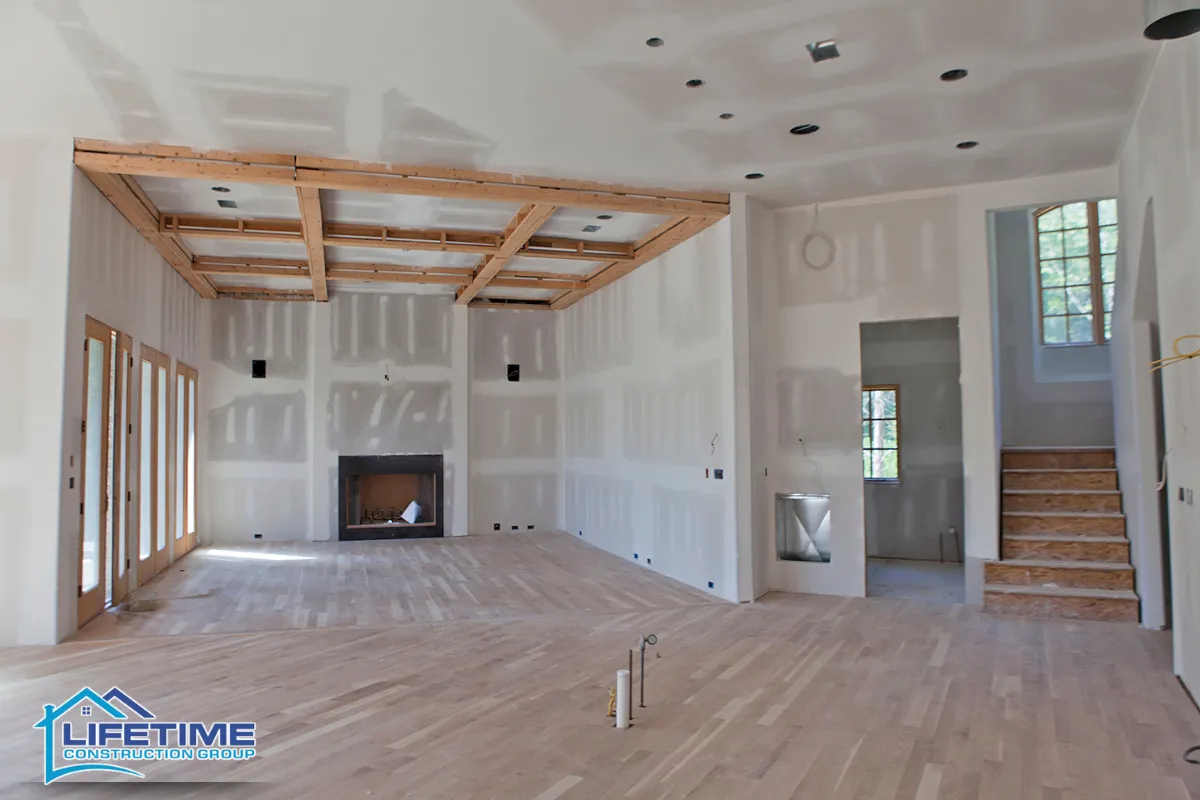
Smart interior planning is about making existing space work harder rather than simply building a larger house. Homebuyers in Dingmans Ferry look for well-zoned homes that handle everyday life, weekend guests, and the occasional extended family visit without feeling cramped or wasteful.
- Open main living areas where the kitchen flows into the family room and dining space remain popular, especially when large windows frame views of trees or water. But preserving quieter zones like a dedicated office or flex room matters just as much for commuters who work remotely part of the week.
- A primary suite on the main level with a walk-in closet and ensuite bath is one of the top value drivers for aging-in-place buyers and multi-generational families relocating from the metro area.
- Designing the basement with egress windows, taller ceilings of at least eight feet, and rough-ins for plumbing and electrical is a high-leverage move. An unfinished basement can add about $15,000 to $20,000 to a home’s value, but a finished basement can increase the asking price by $40,000 to $50,000. Finishing a basement costs an average of $32,000 and has a potential ROI of 70 percent. Basement upgrades can include taller ceilings and larger windows for better light, creating a space that feels like a legitimate extra living area rather than a dark afterthought.
- High-value storage solutions matter here. Mudrooms handle snowy boots and outdoor gear, a generous pantry accommodates the rural shopping pattern of fewer but bigger grocery trips, and a well-located laundry room keeps daily life running smoothly for a full-time family.
- Avoid over-customizing with niche rooms like wine cellars or overly themed media spaces. Flexible rooms that can serve as an office, guest bedroom, or hobby space will appeal to a broader pool of future buyers.
Kitchens, Bathrooms, and Interior Finishes That Help Sell Houses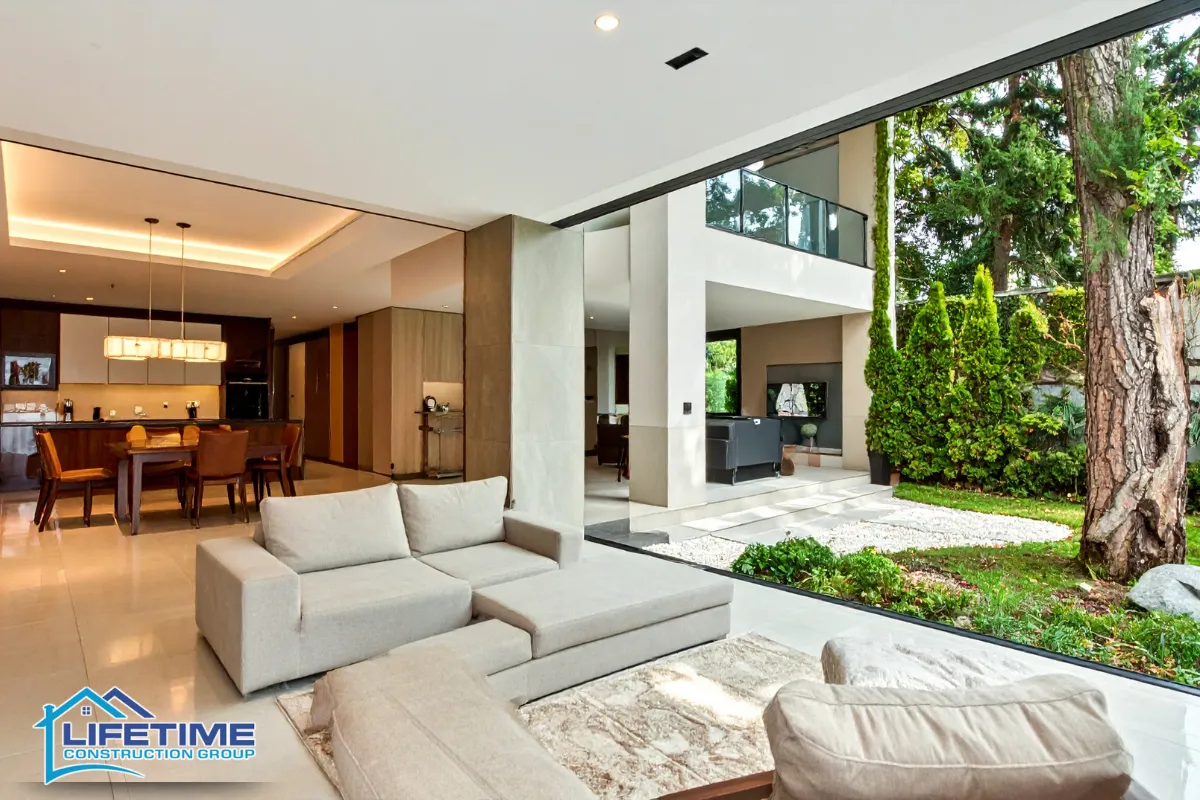
Kitchens and bathrooms are often the deciding factor when buyers compare new construction to an older home on the market. The right finishes do not need to be the most expensive; they need to look sharp, perform well, and hold up to the lifestyle demands of the area.
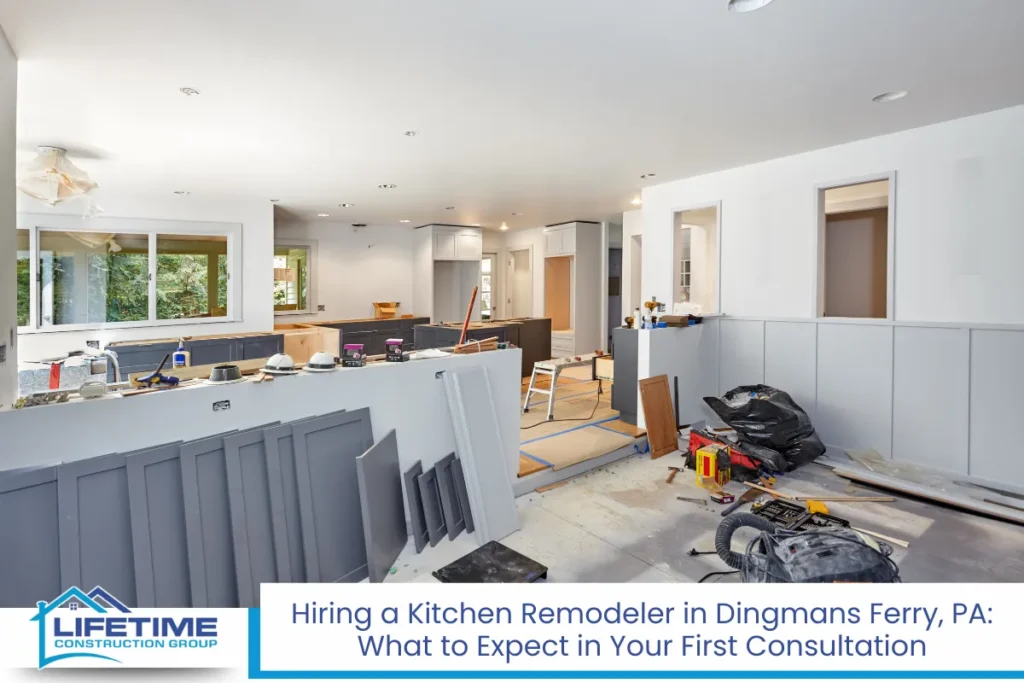
- A 200-square-foot kitchen remodel costs about $28,458 on average, but minor kitchen remodels recoup about 113 percent of costs at resale, making this one of the safest places to invest. Soft-close cabinets and quartz countertops are among the most desirable upgrades today. Granite countertops can also increase home value significantly, so both materials remain strong choices depending on style and budget.
- Updating kitchen fixtures like faucets, pulls, and hardware can attract potential buyers without a major spend. Energy Star appliances reduce energy use without sacrificing performance, and a stainless or black stainless package looks premium without the price tag of ultra-luxury brands.
- Midrange bathroom remodels recoup about 80 percent of their costs. High-impact features include tiled walk-in showers with niches, dual vanities in the primary bath, and durable tile floors that handle humidity. Curbless showers and heated bathroom floors are popular bathroom upgrades that add a sense of luxury without dramatically increasing the overall project cost.
- For floors throughout the main living areas, hardwood or luxury vinyl plank flooring is preferred for durability and ROI. These materials stand up to sand tracked in from the river, wet boots in winter, and pets that come with country living.
- Installing recessed lighting is more cost-effective during construction than adding it after drywall is finished. Layer ambient, task, and accent lighting throughout the kitchen and living spaces to create depth and warmth.
- Choosing neutral finishes for paint and tile can enhance buyer appeal in new homes. Light, warm tones make every room feel larger and let future owners project their own style onto the space without needing an immediate refresh.
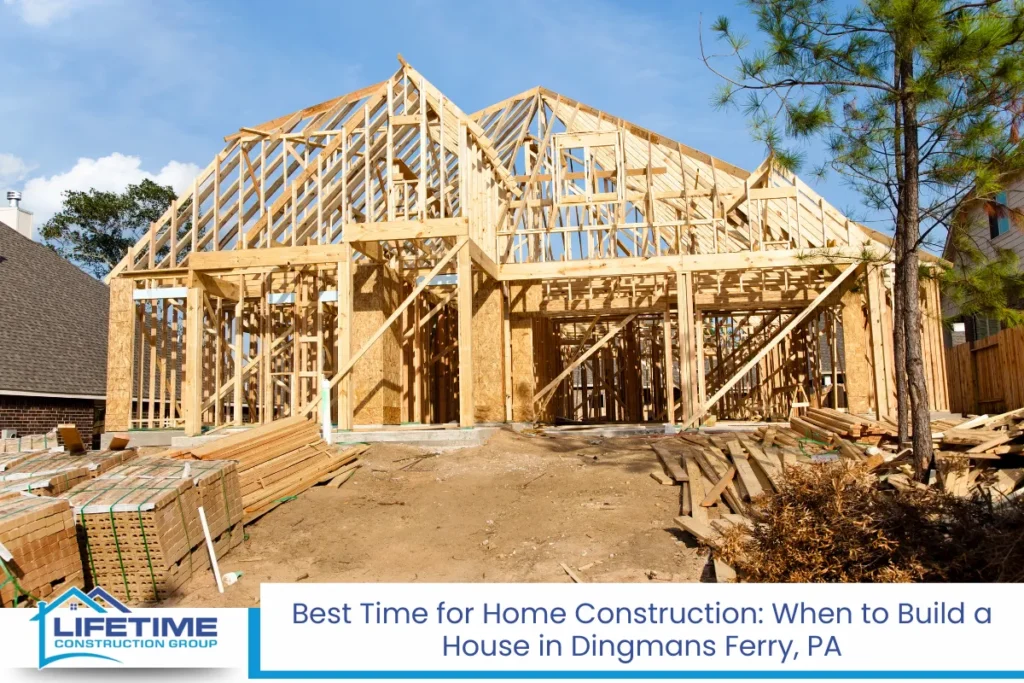
Read Best Time for Home Construction: When to Build a House in Dingmans Ferry, PA
Mechanical Systems, Energy Efficiency, and Comfort Upgrades
Energy efficiency is crucial for homes in cold climates like Dingmans Ferry, and the mechanical systems you select during construction define operating costs for years to come. High-efficiency HVAC systems are a strong selling feature in Pennsylvania, and they pay for themselves through lower monthly bills.
- The average HVAC replacement costs about $7,500, so choosing the right system at the building stage avoids that expense down the road. Heat pumps, high-efficiency furnaces, or dual-fuel configurations paired with zoning for multi-story homes give homeowners precise control over comfort and energy use. Energy-efficient upgrades can lower annual utility costs substantially, money that stays in the homeowner’s pocket every month.
- High-performance insulation reduces heating and cooling costs across the entire life of the home. Go beyond code minimums in the attic, use spray-foam or dense-pack in critical wall cavities, and seal every penetration. These are the kinds of improvements that a documented HERS rating can capture, helping differentiate your new home from older existing space in the neighborhood and supporting a higher appraisal.
- Properly sized and code-compliant septic systems and wells are non-negotiable where municipal water and sewer are not available. Oversights here can kill a sale or limit future addition plans.
- On-demand tankless water heaters, whole-house water filtration, and sump pumps with battery backup provide peace of mind for rural homeowners who rely on well water and face occasional power outages. Installing a whole-house generator improves resilience against power outages, and a generator transfer switch is especially valuable during winter storms when heat is critical.
- Low-flow toilets that use 1.28 gallons per flush are now standard in efficient builds and reduce water consumption without any noticeable difference in performance.
- Smart thermostats, hardwired smoke and carbon monoxide detectors, and simple security or camera systems are basic smart home improvements that resonate with buyers, particularly those who use the home part-time and want remote monitoring.
- Adding more electrical outlets and rough-ins during construction is advisable. The cost of running wiring before drywall goes up is a fraction of what it would be afterward, and today’s homeowners need more outlets than ever for devices, charging stations, and workshop tools.
Outdoor Living, Curb Appeal, and Site-Specific Upgrades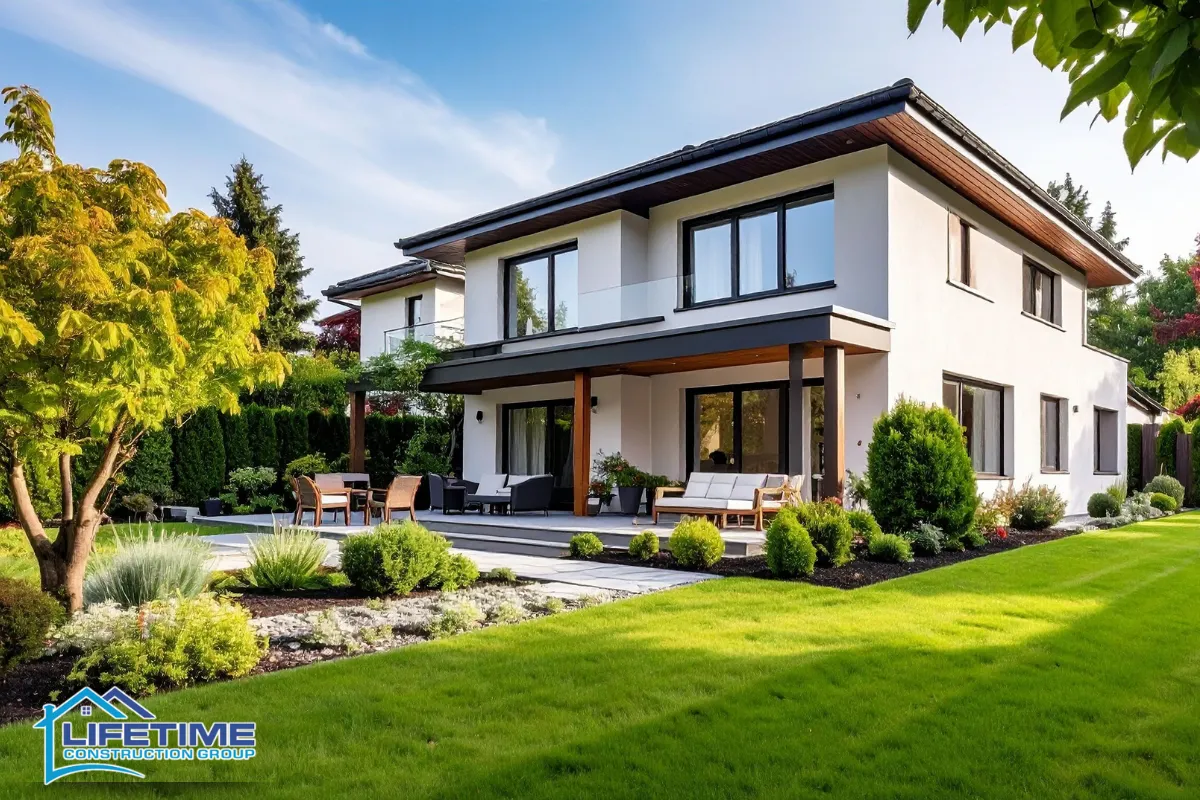
First impressions matter in a spread-out rural market where buyers often drive through a neighborhood before scheduling a showing. Outdoor upgrades that look good and require minimal upkeep are where home improvement dollars go furthest.
- Attractive curb appeal starts with quality siding, a well-designed front entry, and simple landscaping. Landscaping enhances curb appeal and makes a home more attractive without a massive budget. Touching up exterior paint costs about $3,177 on average, and even small details like updating house numbers can start at about $3 per digit, yet they signal a well-maintained property.
- Replacing an entry door with steel costs about $2,435 and recoups 216 percent at resale, one of the best returns of any single upgrade. Combined with a new garage door that recoups 268 percent, these two items alone can transform curb appeal and deliver a premium return.
- Covered decks, screened porches, and fire pits extend living space outdoors for year-round gatherings. A deck or patio gives a 45 to 55 percent ROI, and composite decking provides durability and reduces maintenance in outdoor spaces compared to traditional wood that needs staining every few years.
- Driveways and parking count more than many builders realize. Adding a concrete parking pad costs about $1,200 and provides a clean area for boats, trailers, or guest vehicles common at vacation homes.
- Thoughtful lot clearing, retaining walls, and drainage swales manage hillside runoff while maintaining trees for privacy and natural beauty. These property-specific investments protect the foundation and maintain the wooded character that makes Dingmans Ferry attractive in the first place.
- Align every outdoor project with local zoning, HOA guidelines, and environmental protections near waterways or steep slopes. Non-compliant work can trigger fines, required removal, or complications at the time of sale.
Working With the Right Construction Company to Maximize Value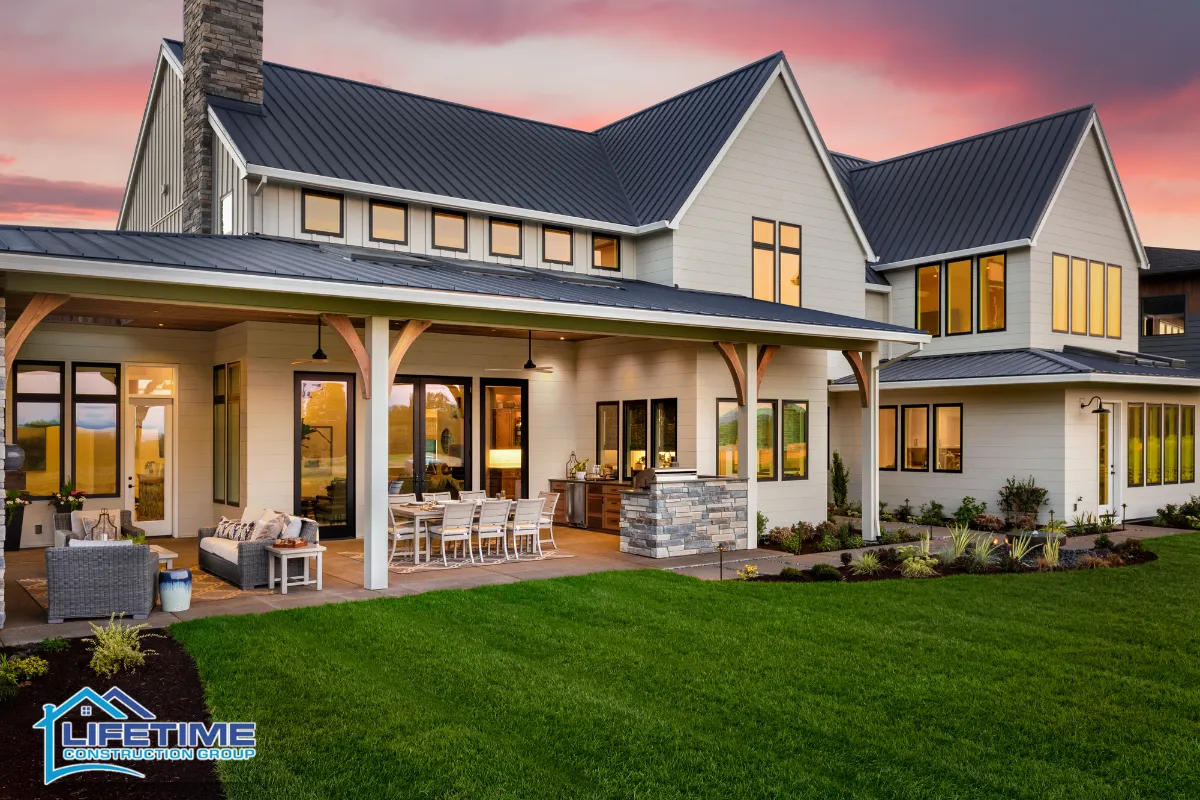
The builder you choose determines whether your upgrades deliver their full value or get lost in poor execution. A licensed, insured home contractor who understands Dingmans Ferry’s permitting process, septic and well approvals, and township inspections can save you weeks of delays and thousands in rework.
- Transparent budgeting and clear allowance structures help you decide where to invest more, such as cabinets, roofing, or windows, and where to maintain standard specifications without guilt.
- Ask builders for recent examples of new home projects in Pike County. Learn which upgrades past clients selected and how those homes have performed on the resale market.
- Detailed plans and written specifications ensure that high-value upgrades like insulation levels, window packages, and mechanical systems are documented for appraisers and future buyers to reference.
- An experienced construction company coordinates with surveyors, engineers, and code officials throughout the process to prevent costly mistakes that can wipe out the benefit of every optional upgrade you selected.
Smart collaboration with a reputable team makes it easier to bring your vision to life in a home that feels custom while holding strong value in the Dingmans Ferry market for years to come.
Home Construction in Dingmans Ferry, PA – Lifetime Construction Group LLC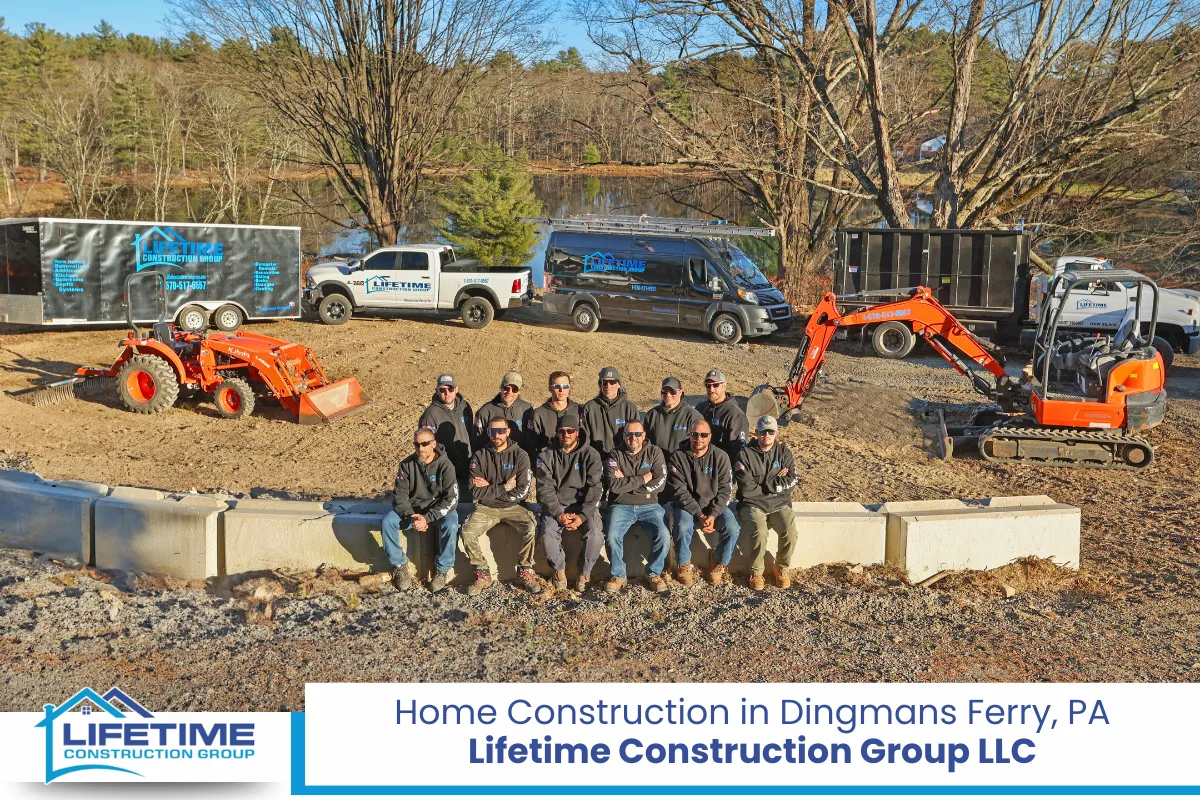
At Lifetime Construction Group LLC, we specialize in home construction across Dingmans Ferry, Pennsylvania, and the surrounding areas. We understand the local building codes, Pike County permitting requirements, and the unique demands of designing homes that perform in this climate. Our team works closely with every client to prioritize the upgrades that deliver real value, from efficient mechanicals and durable roofing to thoughtful layouts and quality finishes that help sell houses when the time comes.
Whether you are ready to break ground on a new build or exploring a targeted home renovation or home remodeling project, we provide clear budgets, honest guidance, and hands-on project management. We handle kitchens, bathrooms, siding, outdoor living spaces, and everything in between. Our goal is to make the building process straightforward so you can focus on the exciting parts of creating your next home.
Contact us today at (570) 517-6557 or fill out our contact form to discover how we can help you build smarter. Let us put our local experience to work on your project.
Frequently Asked Questions
When Is the Best Time to Finalize Upgrade Selections During Construction?
Most builders in the Dingmans Ferry area require final selections on structural and mechanical upgrades before framing begins, typically four to six weeks after permits are approved. Finish selections like countertops, flooring, and fixtures are usually locked in before the drywall stage. Waiting too long can cause costly change orders or construction delays, especially during peak building season from late spring through fall. Work with your builder to establish a selection timeline early in the process so you have enough time to compare options and weigh each choice against your overall budget without feeling rushed.
How Do Appraisers in Pike County Treat Upgrades in New Construction?
Appraisers rely on comparable sales data to determine value, so upgrades that are common among recently sold homes in the area carry the most weight. Documented improvements like energy certifications, higher-grade roofing materials, and finished basements with proper permits are easier for appraisers to assign dollar value to compared with cosmetic or highly personal touches. Providing your appraiser with a detailed list of specifications, receipts, and any performance ratings can help ensure your upgrades are properly reflected in the final appraisal rather than overlooked or undervalued during the evaluation.
Can I Finance Upgrades Separately From the Construction Loan?
In most cases, upgrades selected during the initial build are rolled into the construction-to-permanent loan, which simplifies financing. However, if you want to add improvements after closing, programs like the Keystone Energy Efficiency Program offer loans ranging from $2,500 to $25,000 specifically for energy-related upgrades such as insulation, windows, and HVAC systems. Some builders also offer allowance credits that let you reallocate money from one category to another. Discuss financing options with your lender early so you understand what is covered under the primary loan and what might require a separate arrangement.
Should I Hire an Architect or Can My Builder Handle the Design?
Many production and semi-custom builders in Pike County work from proven floor plans that can be modified to suit your lot and preferences without a separate architect. However, if you are building on a challenging lot with steep slopes, unusual setbacks, or specific environmental restrictions, hiring an architect or residential designer can prevent expensive mistakes. An architect can also help maximize views, natural light, and energy performance in ways that a standard plan may not achieve. The additional cost is often worth it for complex builds and typically pays for itself through smarter use of space and materials.
Is It Better to Phase Certain Upgrades or Do Everything at Once?
Phasing can work well for areas like basements and outdoor living spaces that do not affect the structural integrity or livability of the home at move-in. Installing rough-ins for plumbing and electrical during the initial build is far cheaper than retrofitting later, so even if you plan to finish the basement in a few years, pay for the rough-ins now. Mechanical and envelope upgrades like HVAC, insulation, and windows should never be deferred because they are deeply integrated into the building shell. The general rule is to invest in anything behind the walls or under the roof during construction and save surface-level finishes for a future phase if budget requires it.
Disclaimer
This article provides general guidance and is not a substitute for professional engineering, legal, or code compliance advice. Confirm all details with licensed professionals and local code officials in Dingmans Ferry, Pennsylvania before proceeding with any construction project.
Read How Long Does a Roof Last? A Dingmans Ferry Roofing Contractor’s Guide