
Choosing the Best Roof for Your Dingmans Ferry Home
Most homeowners spend months researching a roofing contractor before making a decision, yet many rush the choice of roofing materials, a critical element that protects everything underneath their home. The problem is real: dozens of roofing options flood the market, each claiming to be the best roofing material for your house. Pick the wrong one and you face leaks, ice dams, premature failure, and thousands of dollars wasted on early replacement. In a place like Dingmans Ferry, where heavy snow, high winds, and freeze-thaw cycles punish weak roofs all winter long, the stakes are even higher. This guide breaks down asphalt shingles, metal roof systems, concrete tiles, slate, wood, and synthetic products so you can make a confident, informed decision backed by the practical experience of a roofing company that understands Pike County weather and codes.
Key Takeaways
- There is no single best roofing material for every home. The right choice depends on your budget, architectural style, and the specific climate conditions in Dingmans Ferry, Pennsylvania.
- Asphalt shingles remain the most common and affordable option, while metal roofing and concrete tiles offer longer lifespans and greater durability for homeowners willing to invest more upfront.
- Local building codes, snow load requirements, and professional installation by experienced roofers directly affect how well any roof performs over time.
- Homeowners in Pike County should evaluate fire resistance, wind ratings, structural weight limits, and energy efficiency before committing to a material.
- Consulting a local roofing contractor in Dingmans Ferry, PA ensures you receive a recommendation tailored to your home’s structure and your long-term plans.
Why Roofing Material Matters So Much in Dingmans Ferry
Your roof does more than keep rain out. It affects your property’s energy costs, structural integrity, and resale value across every season in Pennsylvania’s four-season climate.
Dingmans Ferry experiences heavy winter snow loads and humidity, which directly impact how roofing materials perform year after year. Ground snow load values in northeastern PA typically range from 30 to 40 pounds per square foot, and every roof must be designed to handle that weight plus wind uplift and dead load from the materials themselves. Freeze-thaw cycles crack porous surfaces, loosen fasteners, and degrade adhesive bonds on shingles. Roofing materials must withstand high winds and freezing temperatures in Dingmans Ferry or risk premature failure.
Energy efficiency is a consideration when selecting roofing materials for fluctuating temperatures in Pike County. Darker roofs absorb more solar radiation in summer, increasing cooling demands, while lighter or reflective surfaces help reduce heat gain. Proper attic ventilation through a ridge vent and soffit system prevents moisture buildup and ice dam formation in winter.
Curb appeal matters too. The right roof transforms a home’s exterior, whether it is a rustic cabin near the Delaware River or a modern suburban house closer to East Stroudsburg or Port Jervis. Low maintenance materials save money on emergency roofing services over time, while high-maintenance options can become a financial burden if the homeowner is not prepared.
Key Factors to Weigh Before Picking a Roofing Material
Before focusing on any single product, homeowners should evaluate several criteria together rather than shopping by price per square alone. Materials should be chosen based on weather resistance and local building codes in Pennsylvania, and every decision involves trade-offs.
Lifespan and Cost Comparison
| Material | Typical Lifespan | Approximate Cost per Square |
| Three-tab asphalt shingles | 15–20 years | $100–$250 |
| Architectural asphalt shingles | 20–30 years | $250–$600 |
| Standing seam metal | 40–70 years | $800–$1,500 |
| Concrete tiles | 50–100+ years | $1,070–$2,750 |
| Natural slate | 75–150 years | $800–$3,500 |
| Wood shingles/shakes | 20–30 years | $600–$1,600 |
| Synthetic composite | 20–50 years | Varies by brand |
A higher upfront cost does not always mean a bad deal. Metal roofing and slate may cost several times more than asphalt at installation, but their longevity can make them a worthwhile investment when you factor in avoided replacements, fewer repairs, and reduced energy costs over decades.
Structural and Safety Considerations
Older cabins and homes in the area may not have framing rated for heavy weight materials like concrete tiles or natural slate. A structural engineer or building inspector should evaluate rafters and trusses before you plan to install anything significantly heavier than standard asphalt.
Fire resistance ratings under ASTM E108 classify roof coverings as Class A, B, or C. Metal, tile, and slate typically earn Class A. Impact resistance from hail and falling branches is another factor. Wind ratings also vary; architectural shingles often handle 110 to 130 mph, while metal panels can exceed that.
Sustainability plays a role for many homeowners. Metal roofing is highly recyclable, while torn-off asphalt generates significant landfill waste. Some synthetic products are made from recycled materials, offering a middle ground between durability and environmental responsibility.
Asphalt Shingles: The Workhorse Roof for Most Homes
Asphalt shingles are the most common roofing type in the United States, and for good reason. They remain popular in Dingmans Ferry because of their affordability, wide availability, and the fact that most local roofers have extensive experience installing them.
Types of Asphalt Shingles
- Three-tab shingles are the cheapest asphalt option available. They are thin, flat, and uniform in appearance. They typically cover basic budgets but offer shorter service life, generally around 15 to 20 years in cold climates.
- Architectural or dimensional shingles feature layered laminates that create more visual depth. They carry better wind uplift ratings and stronger resistance to damage. Asphalt shingles typically last 20 to 30 years in this category.
- Premium designer shingles can mimic slate or wood shake profiles with enhanced warranties and improved fire or impact resistance.
Asphalt shingles cost between $100 to $600 per square, depending on the tier. They are lightweight and easy to install, which keeps labor costs down and shortens project timelines. The wide range of color and style choices makes it simple to match most home designs and boost curb appeal without a large budget.
Where Asphalt Falls Short
The trade-off is durability. New shingles in this category will not match the longevity of metal or tile. Granule loss accelerates with freeze-thaw exposure, and high winds can lift poorly fastened tabs. Underlayment and flashing are critical weak points; recent research from NIST on asphalt shingle durability confirms that adhesive bonds and granule attachment degrade under UV exposure, temperature cycling, and moisture. Manufacturer warranties often require installation by qualified roofing contractors and adherence to the full roofing system, including ventilation and specified underlayment products.
Read Best Roofing Materials for Severe Weather: A Dingmans Ferry Roofing Contractor Guide
Metal Roofing: Long-Lasting Protection for Harsh Weather
Metal roofing is gaining popularity among Pennsylvania homeowners who want a reliable roof that can handle decades of severe weather without frequent intervention.
Standing Seam vs. Metal Shingles
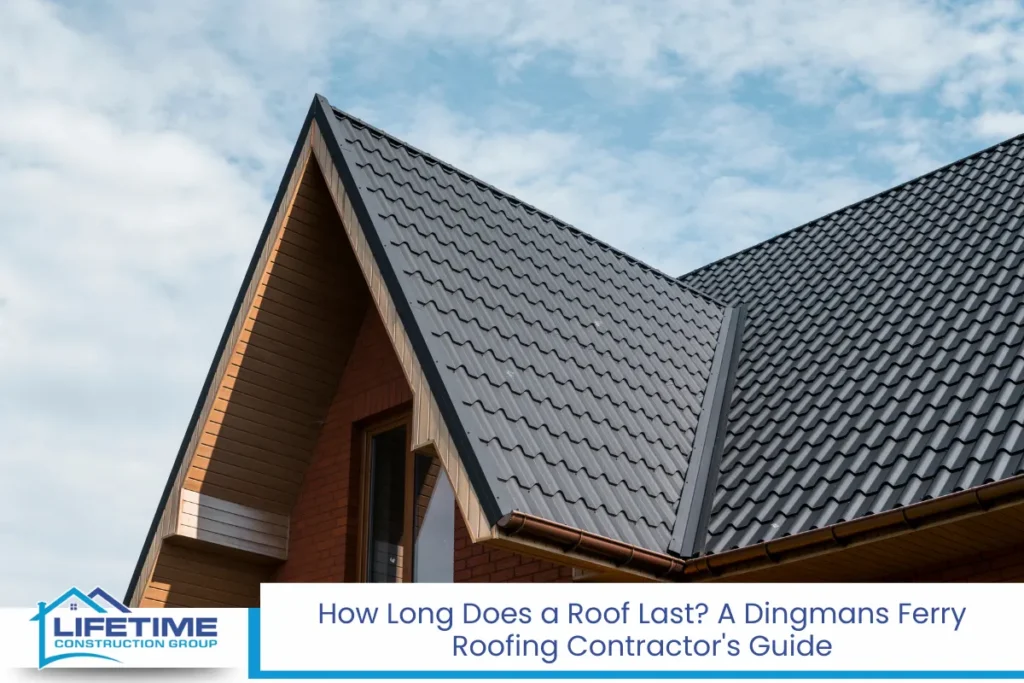
Standing seam metal roofing is increasingly favored for its longevity and snow shedding properties in Pennsylvania. These panels run vertically with raised seams that lock together, creating a continuous surface with minimal exposed fasteners. Metal shingles, by contrast, are smaller panels shaped to resemble traditional asphalt or shake profiles, offering a familiar look with metal’s performance advantages.
Metal roofing can last from 50 to 100 years depending on the material and coating quality. Metal roofs reflect sunlight, keeping homes cooler in summer and potentially reducing energy bills. They are resistant to leaks and wind uplift, making them well suited to areas prone to extreme weather and high winds.
Material Choices and Coatings
Metal roofing can be made from steel, aluminum, or copper. Steel panels with galvalume or galvanized coatings offer strength and corrosion resistance at a moderate price point. Aluminum is naturally resistant to corrosion and lighter, while copper develops a distinctive patina over time and carries a premium cost. Protective paint systems like Kynar 500 help maintain color and resist chalking.
Common Concerns
Metal roofs can be noisy during rainstorms without insulation or a solid deck underneath. Denting from large hail or fallen limbs is possible with thinner gauge panels. Snow guards are necessary on steep metal roofs to prevent sudden snow slides. The higher upfront cost and need for specialized installation mean homeowners should hire experienced roofers who understand local building code requirements for fastening patterns and structural framing.
Tile, Slate, and Concrete: Premium Roofing for Generations
Concrete tiles, clay profiles, and natural slate represent the upper tier of residential roofing. These materials are less common in the region but valued for their extraordinary durability and character.
Concrete and Clay Tiles
Concrete tiles are made from sand, cement, and water, sometimes with added pigment for color. They offer strong fire resistance and can last 50 years or more when installed with proper underlayment and flashing rated for freeze-thaw exposure. Concrete tiles cost between $1,070 to $2,750 per square installed.
Clay tiles are impervious to moisture, insects, and fire, making them exceptionally durable. Clay tiles can last over 100 years in warm climates and hot climates where freeze-thaw is not a factor. They are commonly used in Mediterranean-style roofs. In Dingmans Ferry, clay is less typical but sometimes chosen for architectural statements. Both concrete and clay add significant dead load, so structural evaluation is essential before installation.
Natural Slate
Slate roofing can last over 100 years, making it one of the longest-lived roofing options available. Slate roofs are naturally fire-resistant and resistant to rot and insects. The material provides a premium aesthetic appeal that is difficult to replicate with other materials. Slate roofing costs between $800 to $3,500 per square, and slate roofing requires specialized installation skills. The heavy weight of natural slate, which can exceed 1,000 pounds per square, means the house must have framing designed or reinforced to carry that load.
These premium materials are best considered during new construction or major structural renovations where the roof deck and framing can be engineered for the additional weight.
Wood and Synthetic Roofing: Style-Driven Alternatives
Some homeowners in forested settings prioritize distinctive style and natural appearance, which leads them toward wood or synthetic roofing products.
Wood Shingles and Shakes
Wood shingles offer a classic aesthetic for rustic homes nestled among trees. Cedar shakes and shingles provide natural insulation and aesthetic appeal but require higher maintenance than most other materials. Wood shingles and shakes require more maintenance than other materials because wood roofs are prone to rot, warping, and insect damage over time. Wood shingles can present a fire risk unless treated with fire retardant, and some insurance providers and local codes may restrict untreated wood on residential properties.
Cedar roofing shingles cost $600 to $1,600 per square. Homeowners should review insurance coverage and local code requirements before investing in wood roofing materials in Dingmans Ferry, as PA regulations and proximity to wooded areas may impose additional fire safety conditions.
Synthetic and Composite Roofing
Synthetic roofing mimics traditional materials like slate and tile without the extreme weight or cost. These products are made from polymers or recycled materials, offering a lighter and often more impact-resistant alternative to natural stone or clay. Synthetic roofing is lighter than traditional materials, which means it can typically be installed on existing framing without structural upgrades.
Synthetic roofing typically lasts between 20 to 50 years depending on brand and formulation. It offers greater design flexibility than natural materials, with options that replicate the look of cedar, slate, or tile in a range of colors. However, long-term performance data can vary by brand since many products are relatively new to the market. Homeowners should review third-party testing and warranty details before committing, and always confirm that the contractor has experience with the specific product being installed.
Matching Roofing Options to Dingmans Ferry Homes and Budgets
The right roofing material depends on your home’s structure, your neighborhood context, and how you prioritize cost versus longevity.
Budget-Conscious Homeowners
For homeowners where cost is the primary constraint, quality architectural asphalt shingles paired with proper underlayment, ventilation, and flashing deliver a reliable roof at a manageable price. Architectural asphalt shingles are widely regarded as the best overall value for roofing in Dingmans Ferry, balancing durability, appearance, and affordability. Avoid bargain-bin products with no recognized warranty.
Long-Term Homeowners
If you plan to stay in your house for 20 or more years, replacing a roof with metal or concrete tiles can eliminate the need for a second replacement during your ownership. The life-cycle cost often rivals or beats asphalt when you account for longevity, lower maintenance, and potential energy savings.
Style Matching
- Cabins and wooded properties: wood shakes, synthetic shakes, or metal in earthy tones
- Traditional colonials: architectural asphalt or natural slate if the budget and structure allow
- Contemporary designs: standing seam metal in clean lines, or flat-profile synthetic tile
Before choosing any material, schedule a professional roof inspection and attic assessment. This helps identify ventilation issues, moisture problems, soft decking, and framing concerns that could affect your different options. Request detailed written proposals that specify the material model, underlayment, fasteners, flashing, drip edge details, gutters, and full warranty terms rather than focusing only on the lowest bid.
Working with a Local Roofing Expert for a Safe, Code-Compliant Roof
Even the best roofing material performs poorly if installed incorrectly or without regard to local codes. A long lasting, reliable roof depends as much on the installer as on the materials themselves.
Dingmans Ferry homes must follow the Pennsylvania Uniform Construction Code, which adopts portions of the International Residential Code and International Building Code. This means permits, inspections, and compliance with requirements for underlayment, flashing, fire classification, and snow load design are not optional. Replacing a roof without a permit is typically illegal, and skipping inspections can void both manufacturer warranties and insurance coverage.
When evaluating contractors, look for:
- Active registration and proper insurance in PA
- Documented experience with the specific roofing material you are considering
- Clear written contracts covering scope, materials, timeline, and warranty
- Willingness to provide guidance on material choices rather than pushing a single product
- References from past residential roofing projects in similar climate conditions
Routine maintenance extends the life of any roof. Schedule periodic inspections, keep gutters clear of debris, and address minor repairs promptly before they become costly problems. Snow guards, proper cover over penetrations, and attention to flashing around vents and skylights all contribute to a roof that performs well through every season.
If you are planning a new roof or need to evaluate your current one, working with a trusted local team makes the process far less stressful and far more predictable.
Roofing Contractor in Dingmans Ferry, PA – Lifetime Construction Group LLC
At Lifetime Construction Group LLC, we are a locally based roofing contractor serving Dingmans Ferry, Pennsylvania and surrounding communities throughout Pike County. We help homeowners compare asphalt shingles, metal roofing, concrete tiles, and other roofing materials, providing honest recommendations based on your budget, home style, and long-term plans.
Our team brings hands-on experience with full roof replacement, storm damage repair, and detailed roof inspections tailored to Pennsylvania’s weather and code requirements. Whether you need a cost-effective asphalt install or a lifetime roof built from premium materials, we provide guidance at every step.
Call us at (570) 517-6557 or fill out our online contact form to schedule a consultation or request a detailed estimate. We prioritize quality workmanship, clear communication, and clean job sites so your new roof project feels manageable instead of overwhelming. Your property deserves a roofing company that treats it like our own.
Frequently Asked Questions
How Do I Know If I Need a Full Roof Replacement or Just Repairs?
Start by considering the age of your current roofing material. If your asphalt shingles are past the 20-year mark and you are seeing widespread curling, missing tabs, or heavy granule loss in your gutters, a full replacement is usually more cost-effective than continued patching. Multiple leak points, soft spots in the roof deck, or recurring ceiling stains and musty odors in the attic all point toward systemic failure rather than isolated damage. A professional inspection that includes attic evaluation, moisture testing, and photographic documentation gives you the clearest picture. Spot repairs make sense when damage is limited to a small area on an otherwise sound roof, but covering ongoing problems with patches often leads to more expensive work later.
What Season Is Best for Installing a New Roof in Dingmans Ferry?
Late spring through early fall typically offers the most stable conditions for roof installation in northeastern Pennsylvania. Mild temperatures between 45 and 85 degrees Fahrenheit help asphalt shingle adhesive strips seal properly, and dry weather reduces the chance of moisture getting trapped beneath the new materials. That said, reputable roofers can work outside that window as long as they follow manufacturer temperature guidelines and adjust their techniques accordingly. Emergency repairs and necessary replacements can happen year-round, but expect more weather-related scheduling changes during winter months. If you are planning ahead, booking your project in late spring or early summer often gives you the best combination of contractor availability and favorable weather.
Will a New Roof Lower My Energy Bills?
A new roofing system with proper ventilation, modern underlayment, and adequate attic insulation can measurably improve energy efficiency, though it will not eliminate high utility bills on its own. Reflective metal roofing or lighter-colored asphalt shingles reduce summer heat gain compared with older, darker surfaces, which means your cooling system does not have to work as hard. In winter, sealing air leaks at the attic hatch, around pipe penetrations, and along the eaves helps your heating system retain warmth more effectively. Think of a new roof as one important element in a broader strategy that includes insulation upgrades, air sealing, and efficient HVAC equipment. An energy efficient roof paired with these improvements can produce noticeable savings on monthly energy costs in both sunny climates and cold weather months.
How Long Does It Usually Take to Replace a Residential Roof?
For an average single-family home in Dingmans Ferry, an asphalt shingle replacement typically takes one to three days. Standing seam metal or tile projects often run longer due to the precision required during installation and the additional steps involved in fastening and flashing. Factors that extend the timeline include overall roof size, the number of roof planes and valleys, steep pitch, and the need for deck repairs discovered during tear-off. Weather interruptions, material delivery timing, and required code inspections can also shift the schedule. Ask your roofing company for a clear proposed timeline before work begins, including how they handle unexpected structural issues and what the plan is if rain or other elements delay progress.
Can I Install New Roofing Materials Over My Existing Roof?
Pennsylvania building codes allow a second layer of asphalt shingles under certain conditions, but many professionals recommend a full tear-off for the best long-term results. Overlaying adds weight to your structure, hides damaged decking that may need replacing, and can shorten the lifespan of the new layer because trapped heat and moisture accelerate deterioration. Metal roofing, concrete tiles, and slate have specific substrate requirements and almost always perform best over a properly prepared base. Beyond the technical concerns, some manufacturer warranties are reduced or voided when new shingles are installed over old ones. Consult local code officials and a qualified roofing contractor in Dingmans Ferry before deciding on an overlay versus complete replacement to ensure your approach meets both code and long-term performance goals.
Disclaimer
This article is for general informational purposes only and does not constitute legal, engineering, or building code advice. Homeowners should consult local officials, licensed professionals, and qualified roofing contractors before making decisions about roofing materials or structural modifications.
Read What Is a Kitchen Layout Redesign? Advice from a Kitchen Remodeler in Dingmans Ferry, PA