
What your roof choice really changes above your head
Roofing contractor advice matters most when homeowners are standing at the same crossroads: the old roof is failing, storm damage may be getting worse, and every material sounds perfect until the estimate arrives. One option is cheaper but may not last as long. Another looks beautiful but can strain the structure. Some roofs handle snow, ice, and wind better, while others need more maintenance than people expect. In a place like Dingmans Ferry, where freeze-thaw cycles, heavy rain, and winter weather are real concerns, the wrong decision can become an expensive one. The good news is that there is no one-size-fits-all answer. The right roof depends on your home, budget, goals, and local code requirements. This guide breaks down the major roofing materials so you can compare them clearly and choose wisely.
Why roof material matters more in Dingmans Ferry than many homeowners think
A roof in Dingmans Ferry has to do more than look good from the road. It needs to shed water fast, resist wind uplift, manage snow loads, hold up to freeze-thaw swings, and in northeastern Pennsylvania also handle heavy winter snowfall plus conditions that can encourage mold and moss growth, which makes material selection especially important around vulnerable areas like valleys, eaves, flashing points, skylights, and chimney penetrations.
Pennsylvania’s Uniform Construction Code now references the 2021 International Residential Code for new permit applications filed on or after January 1, 2026, and local municipalities can have their own permit and inspection procedures on top of that. In Delaware Township, property owners are directed to contact the local code official for permits when making improvements to residential or commercial structures, and nearby Dingman Township publicly lists a reroof application packet, which shows how seriously local governments treat roof work.
Pennsylvania also does not broadly license most construction contractors at the state level, but home improvement contractors are generally required to register under the Home Improvement Consumer Protection Act. That law also requires compliant written contracts for qualifying projects, minimum insurance, and other consumer protections. For homeowners, that means choosing a roofing company is not only about shingles or panels. It is also about paperwork, insurance, registration, inspections, and making sure the scope of work matches the contract.
The smartest way to compare roofing services before choosing a material
Before talking about materials, it helps to know the filters experienced roofers use when they evaluate a home.
Start with the shape and pitch of the roof
Not every material works on every slope. Asphalt shingles are water-shedding systems, not waterproof sheets, so low-slope applications need special attention and extra underlayment details. Metal, slate, tile, cedar, and synthetic systems also have installation requirements tied to slope, fastening, and drainage. This is why the same roof material can perform beautifully on one house and poorly on another.
Think about weather, not just appearance
In northeastern Pennsylvania, ice dams, snow retention, wind-driven rain, algae streaking, and freeze-thaw stress all matter. Pennsylvania guidance also emphasizes contractor scam prevention after storms, which is a reminder that storm-related roof work should be handled carefully, with documentation and proper contracts.
Look at the whole roof system
A roof is more than the visible surface. Underlayment, ice barrier, decking condition, drip edge, flashing, ridge vent design, intake ventilation, fasteners, and workmanship all affect service life. Even a premium material can fail early if the attic ventilation is poor or flashing details are wrong. Asphalt roofing guidance specifically describes the roof as a system, not just a layer of shingles.
Asphalt shingles: the practical favorite for many homes
Asphalt roofing shingles typically cost about $100 to $600 per square, making them the most common and cost-effective residential option. They come in many colors, profiles, and design styles, including architectural shingles that create a deeper dimensional look, and many are built with a fiberglass mat layered with asphalt and ceramic granules for added strength. Industry guidance also notes that asphalt shingles are widely chosen because they balance cost, appearance, and repairability while performing well against wind, rain, snow, and temperature swings
Where asphalt roofs shine
For many homeowners, asphalt is the easiest way to get dependable protection without moving into premium-price territory, and standard shingles use a fiberglass mat beneath the asphalt and granules for added strength and durability. Repairs are usually straightforward, replacement materials are widely available, and color matching is often easier than with specialty systems. Some products are also made with algae-resistant granules, which can help with streaking on shaded roof planes.
Where asphalt roofs fall short
Asphalt usually will not outlast metal, slate, or quality tile. It can also show wear faster on roof sections that bake in strong sun, hold moisture, or collect debris. Lower slopes require extra care because slower drainage increases the risk of backup and water entry during wind-driven rain or ice conditions. In other words, asphalt is forgiving in many situations, but it is not the best answer for every roof design.
Best fit for
- Budget-conscious replacements
- Traditional residential homes
- Homeowners who want many color and style options
- Projects where easy future repair matters
Metal roofing: strong, clean-looking, and built for long-term performance
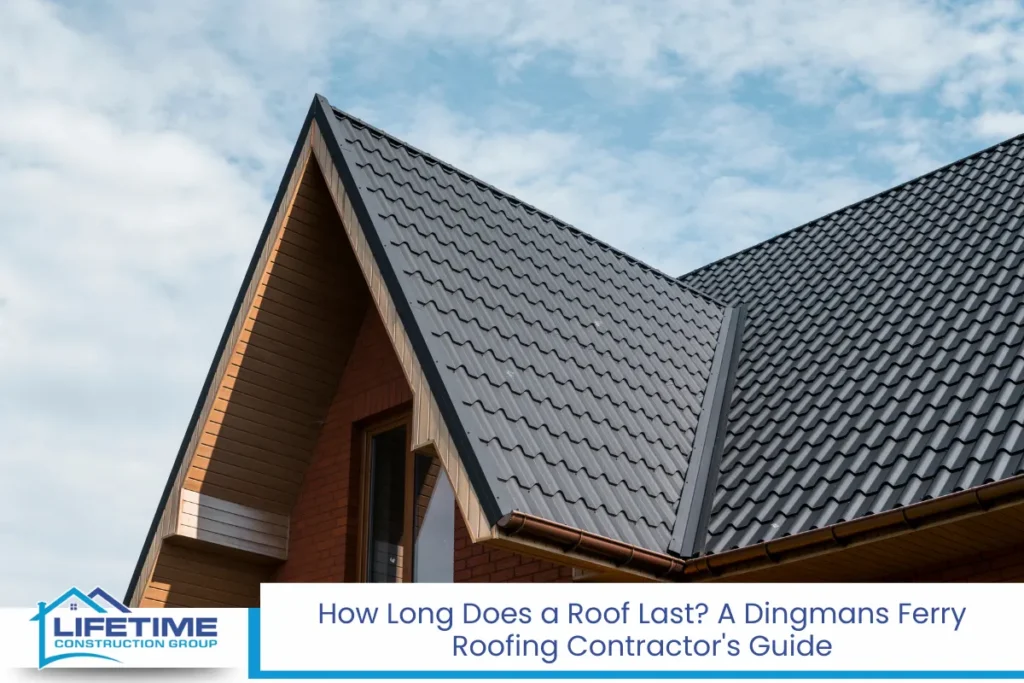
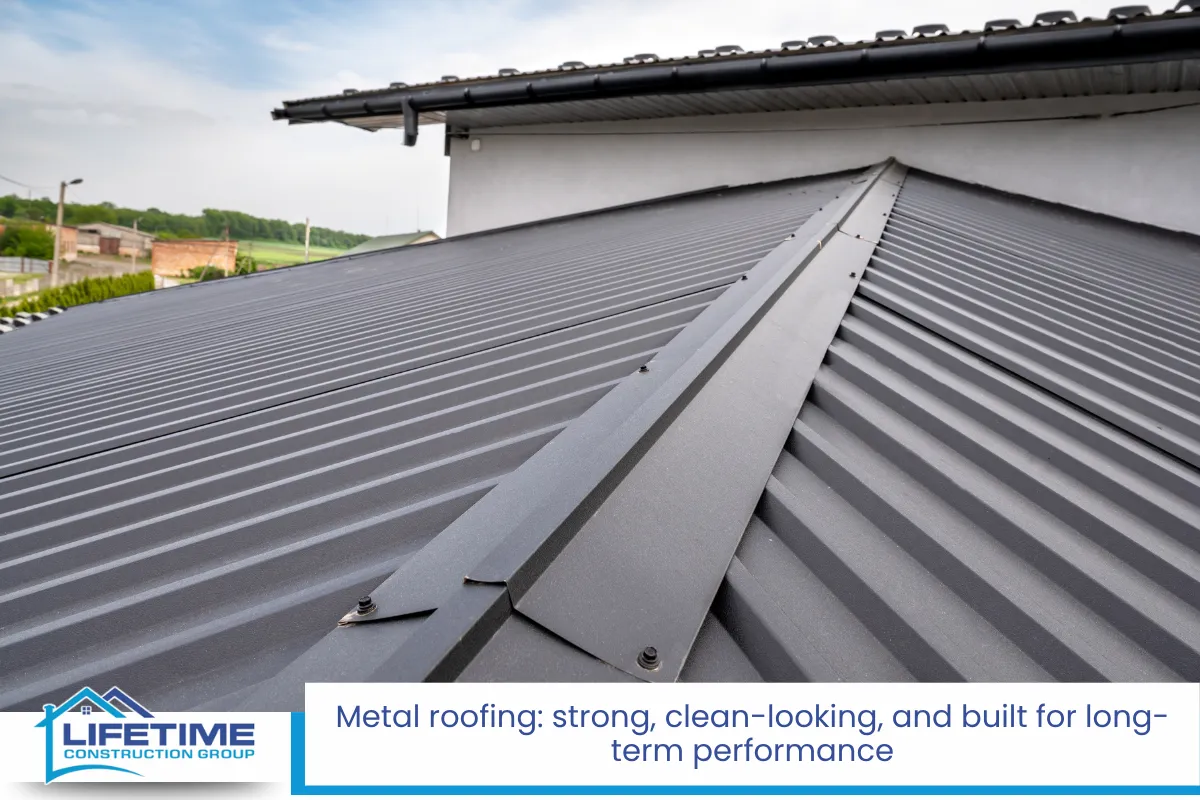
Metal roofing has become a major upgrade option for homeowners who want durability, low maintenance, and modern curb appeal. As a roofing type, it typically costs about $500 to $2,500 per square depending on the material and installation complexity. Standing seam panels are especially popular on residential projects, while exposed-fastener panels can work on certain structures where budget matters more than appearance. Metal Roofing Alliance guidance notes that quality metal roofing is built for durability and low maintenance, handling severe weather that includes snow, hail, wind, and fire exposure while remaining energy efficient through reflective finishes.
Why many homeowners like metal
Metal roofs shed snow efficiently, resist rot, and can last for decades with relatively low upkeep; common options include steel and aluminum, with aluminum being lighter and more corrosion-resistant. Some premium profiles also use a textured surface finish to help conceal small dents and dings. They are also compatible with many architectural styles, from farmhouse to contemporary. For homeowners who care about summer attic temperatures, reflective roof finishes and cool-roof principles can reduce solar heat gain compared with darker, heat-absorbing surfaces. Near the end of their service life, many metal systems are recyclable and may include recycled materials.
What homeowners should consider carefully
The upfront price is higher than asphalt. Copper is a premium metal option with a distinctive appearance and natural patina, but it comes at a much higher cost. For metal roofing, hire a professional installer because details and panel layout heavily affect performance. Details around fasteners, trim, flashing, snow management, and panel layout can make or break the finished result. Metal can also be noisier in some assemblies if the system underneath is poorly designed, though proper construction usually minimizes that concern. On homes with complex rooflines, labor costs can rise because every valley, dormer, and penetration adds detail work.
Best fit for
- Homeowners planning to stay long term
- Homes exposed to snow, ice, and strong weather
- Owners who want cleaner lines and lower maintenance
- Buyers willing to pay more upfront for durability
Cedar shake and wood shingles: natural beauty with a maintenance tradeoff
Cedar roofs have a warmth and texture that few materials can match. They suit cottages, cabins, rustic homes, historic-inspired architecture, and properties that want a more natural look. Wood roofing has deep design appeal, but it asks more from the homeowner and the installer. Maintenance guidance from the Cedar Shake & Shingle Bureau notes that moisture management is critical and that some treatments can actually trap unwanted moisture in humid conditions.
The upside of cedar roofing
Cedar can look exceptional on the right house. It brings character, texture, and a handcrafted appearance that manufactured products often try to imitate. A well-detailed cedar system can also perform well when it is allowed to dry properly and is maintained over time.
The downside of cedar roofing
Wood is not a low-maintenance choice. Moisture, shade, moss, debris, and poor ventilation can shorten service life. In damp conditions, upkeep becomes more important, and maintenance is not optional. Homeowners also need to think about fire ratings, local acceptance, and whether the roof style of the house justifies the ongoing care. In practical terms, cedar is often chosen with the heart first and the maintenance calendar second.
Best fit for
- High-character homes
- Rustic and custom designs
- Owners committed to regular maintenance
- Projects where appearance matters more than lowest cost
Read Roofing Facts: Can a Roofing Contractor in Dingmans Ferry, PA Install a New Roof Over an Old One?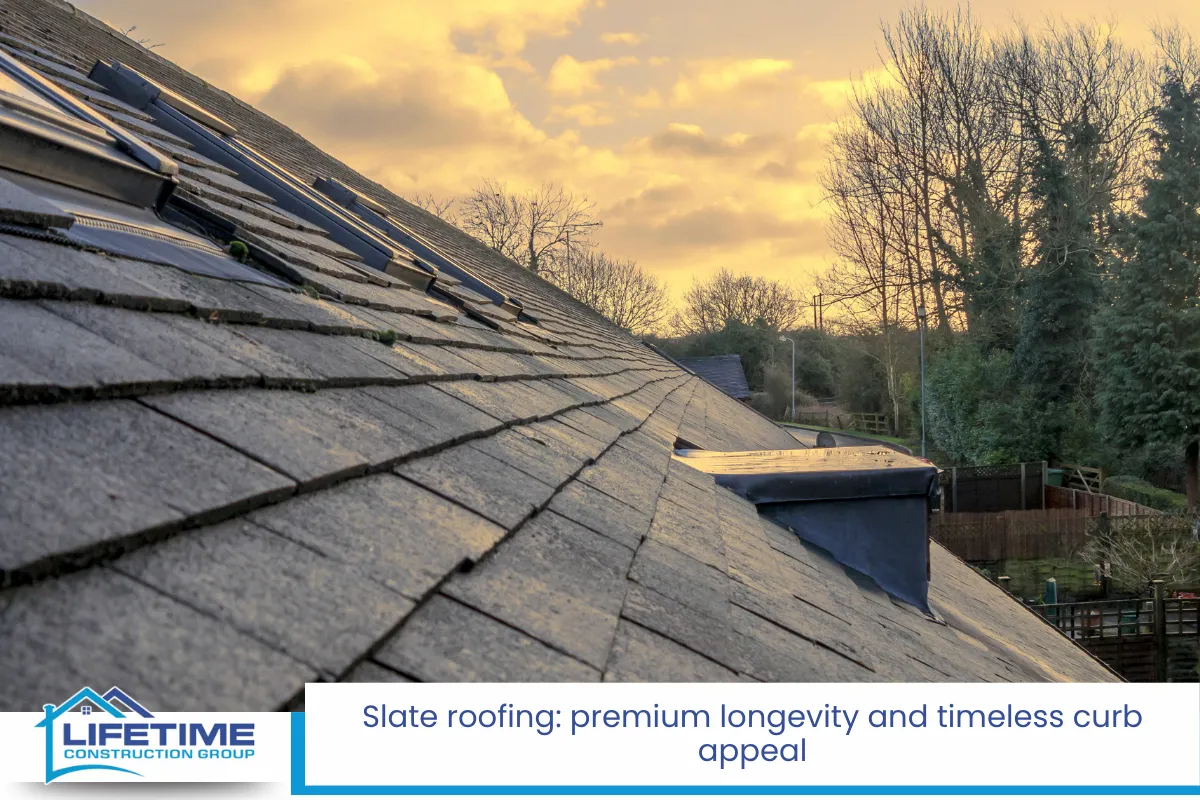
Slate roofing: premium longevity and timeless curb appeal
Slate is one of the most respected roofing materials on the market. It is elegant, durable, and especially appropriate for historic homes, high-end custom builds, and homeowners who want a roof that can outlast several standard replacements. National Park Service guidance states that properly installed slate can last 60 to 125 years or longer, with some slates known to last more than 200 years.
Why slate impresses homeowners and roofers alike
Slate delivers classic beauty and exceptional life expectancy. It is also relatively low-maintenance once properly installed, and it performs well as a weather-resistant roof covering. It adds prestige to a property in a way few materials can
Why slate is not for every house
The biggest issue is weight. A house may need structural review before slate is installed. Repairs also require specialized skill, and mistakes can be expensive. Material and labor costs are both high. If the home is not designed for slate, or if the budget is tight, it can be the wrong choice even when the look is appealing. Slate is often the best roof only when the home, structure, and budget all agree.
Best fit for
- Historic homes
- Luxury properties
- Owners focused on very long service life
- Houses that can support the added weight
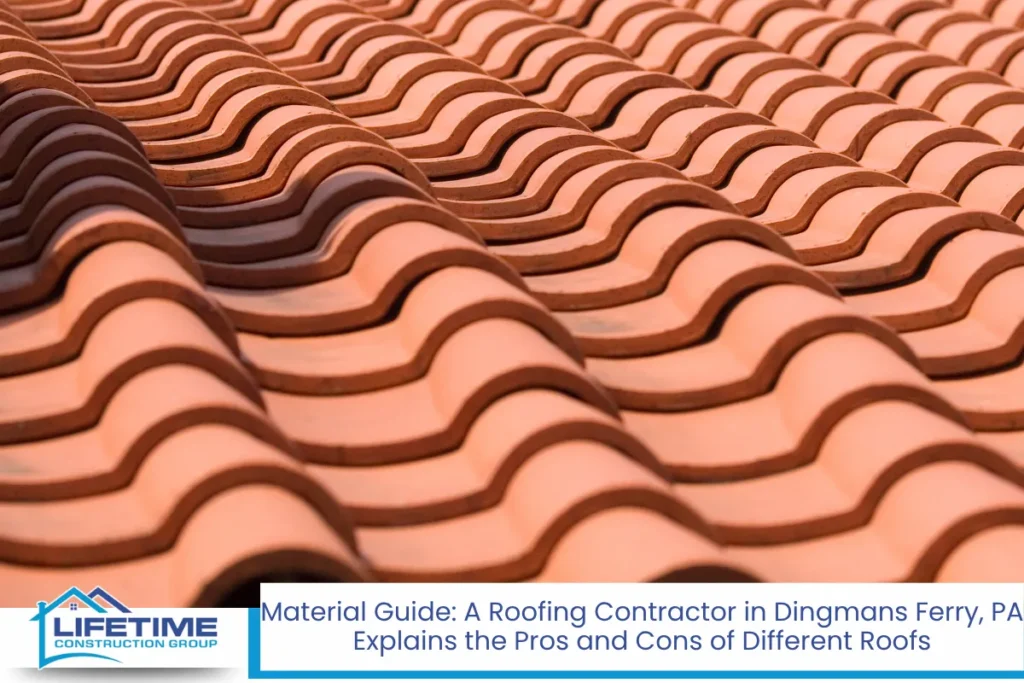
Clay and concrete tile: beautiful, durable, and heavier than many people realize
Tile roofing is admired for its distinct look, strong weather resistance, and long life-cycle value. Clay and concrete tiles can resist fire, perform well in wind, and stand up to harsh conditions when properly installed, but their weight often means additional structural support is needed. Tile industry guidance notes testing for high-wind performance and emphasizes low life-cycle cost over time.
Why tile can be a strong long-term investment
Tile offers standout curb appeal and lasting performance. It also resists rot and insect damage, and many assemblies offer energy-related advantages because roof color, airflow, and thermal behavior can help reduce heat transfer. For the right house, tile brings architectural distinction that is hard to duplicate.
Why tile is less common in this market
Weight is again a major issue. Structural support has to be right. Tile can also be brittle under foot traffic, so careless service work from other trades can crack it. In a market where many homes were originally built around asphalt systems, tile may require more planning, more framing review, and a larger investment. It is often a premium design decision, not a casual replacement choice.
Best fit for
- Distinctive architectural styles
- Long-term owners
- Homes engineered for heavier roofing systems
- Buyers who value life-cycle durability over entry price
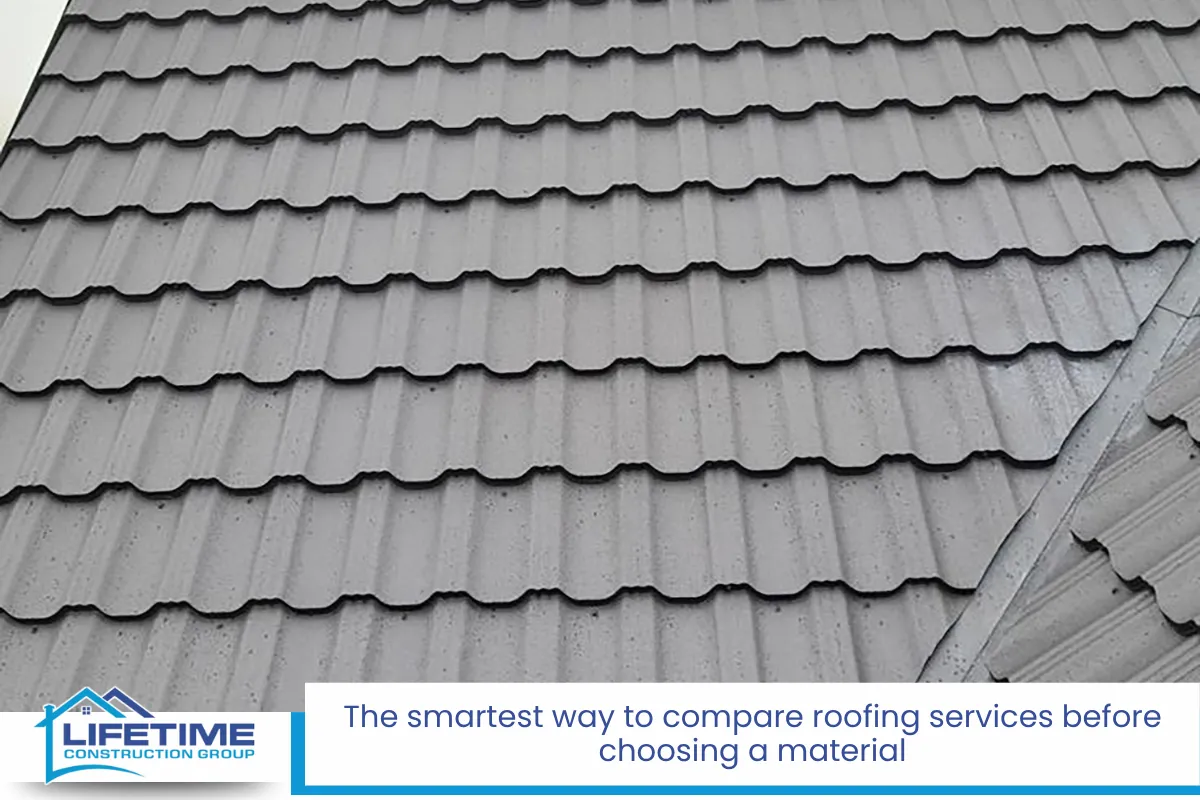
Synthetic and composite roofs: the middle ground many homeowners now consider
Synthetic roofing products are designed to mimic slate, cedar, or tile while reducing weight and often lowering installation complexity. These products appeal to homeowners who want a premium look without the same structural burden as natural stone or clay. The market has grown because people want curb appeal and durability in one package. National Park Service guidance on substitute materials notes that appearance matching can vary, and newer recycled-plastic and rubber shingles are promising but do not always have the same long-term performance history as traditional materials.
The upside of synthetic systems
They can be lighter, easier to install on more homes, and visually convincing from the ground. Some are engineered for impact resistance and lower maintenance. This category can be especially appealing when a homeowner loves the look of slate or shake but not the weight, fragility, or maintenance.
The caution with composite roofs
Performance varies widely by manufacturer and product line. Because some products are newer relative to slate or metal, long-term field history can be less proven. A roofing contractor should review warranties, fastening requirements, local code acceptance, and the product’s real-world track record before recommending it.
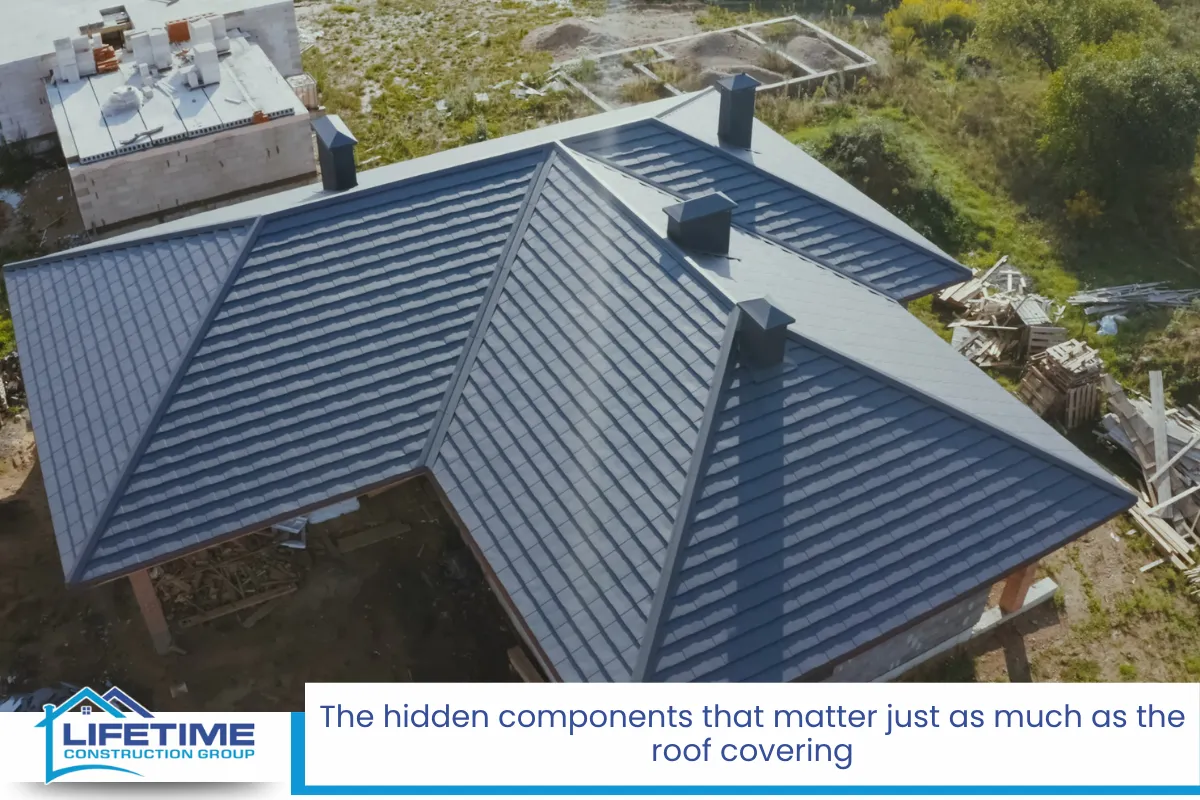
The hidden components that matter just as much as the roof covering
A lot of homeowners compare only the visible material, but the system underneath often determines whether the roof feels trouble-free or frustrating.
Underlayment and ice barrier
Pennsylvania code references the 2021 IRC, and Pennsylvania roofing guidance explains that ice barriers are required in the state for roof areas vulnerable to ice damming. In a snowy region, that matters at eaves and other critical transitions. Underlayment choices also become more important on lower slopes where water moves more slowly.
Flashing and penetrations
Chimneys, skylights, plumbing vents, wall intersections, and valleys are common leak points. Many roof failures blamed on “bad shingles” are actually flashing failures. Good roofing services pay attention to the details most people never see from the yard.
Ventilation and attic balance
A roof needs proper intake and exhaust ventilation so heat and moisture do not build up in the attic. Poor ventilation can shorten material life, worsen ice dam risks, and reduce overall system performance. It is one of the most overlooked parts of a replacement project.
How local rules should shape your decision before work begins
Homeowners in Dingmans Ferry should not assume roof replacement is just a private contract between the owner and roofers. Local permit and inspection processes can apply, depending on the municipality and scope of work. Delaware Township directs property owners to contact its building department and code official when making improvements to existing structures, while Dingman Township publicly provides a reroof application packet. On the consumer-protection side, Pennsylvania’s home improvement law requires compliant contracts for covered jobs, gives consumers a three-business-day rescission right in many cases, and limits deposits on certain larger contracts.
That means the best roofing company is not simply the one with the cheapest estimate. It is the one that explains the scope, registration, insurance, permit path, material options, ventilation plan, cleanup, and warranty terms clearly. A lower quote can become expensive fast if it leaves out flashing replacement, decking repairs, permit coordination, or code-required components. After major storms, Pennsylvania officials also warn homeowners to be careful with unsolicited inspections and high-pressure repair offers.
Which roof is right for your home?
If you want the clearest possible answer, here it is.
Asphalt shingles are usually best for homeowners who want solid value, familiar performance, and easier repairs. Metal roofing fits people who want a cleaner look, strong weather performance, and longer-term durability. Cedar suits owners who love natural texture and accept regular upkeep. Slate is the premium choice for beauty and longevity when the home can support it. Tile is a long-lasting architectural statement, but only when structure and budget allow it. Synthetic roofing can be a smart compromise when you want a luxury appearance without full natural-material weight. Some homes also need evaluation for flat roofs or low-slope sections on porches, additions, or other attached areas.
The real answer, though, is that the right roofing type depends on your roof pitch, attic ventilation, existing deck condition, storm exposure, budget, and structural capacity. That is why experienced roofers begin with an inspection, not a sales pitch.
The roof you choose today shapes the repairs you avoid tomorrow
A new roof is not just a cosmetic update. It affects maintenance, resale value, weather protection, energy performance, and how often you will deal with repairs over the next decade or two. The best choice is rarely the most expensive or the cheapest. It is the one that matches your house, your budget, your climate, and your long-term plans. In Dingmans Ferry, that decision should also reflect local permit practices, Pennsylvania consumer-protection rules, and the realities of snow, rain, ice, and seasonal weather swings. When a roofing contractor helps you compare the full system instead of pushing one product, you end up with a roof that makes sense on paper and performs well in real life.
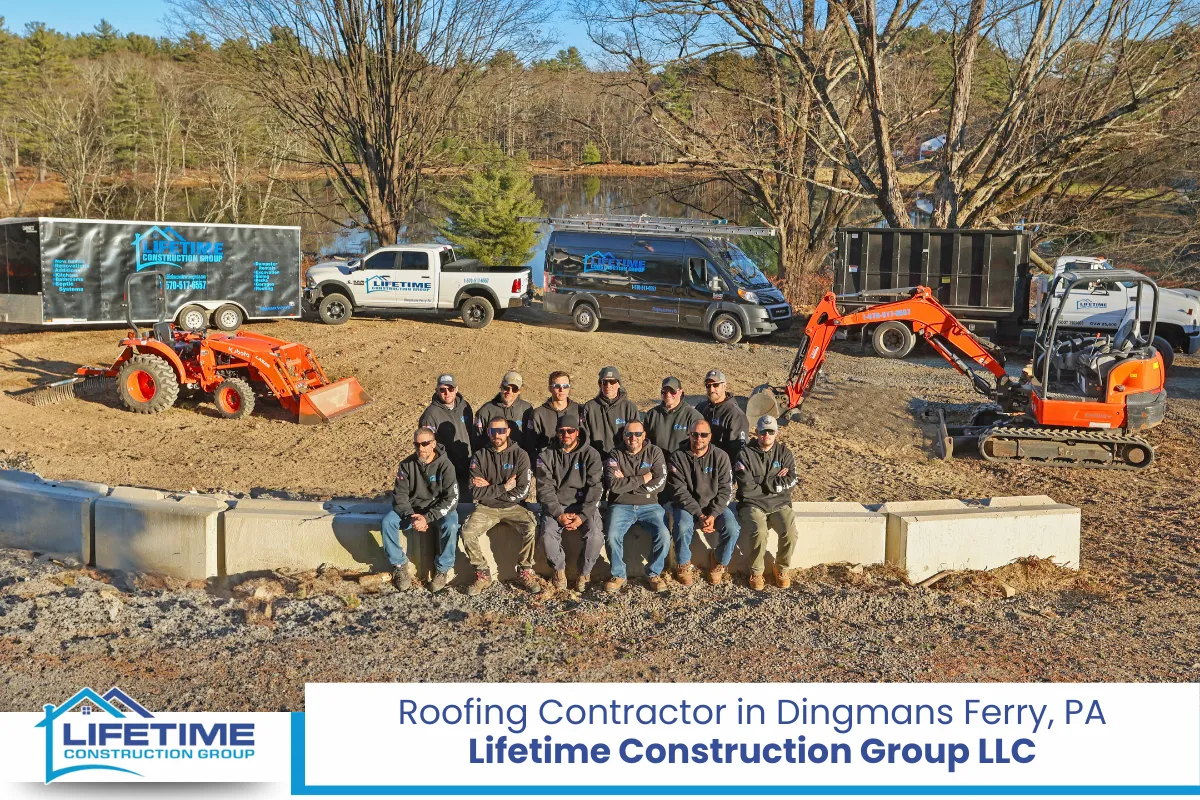
Roofing Contractor in Dingmans Ferry, PA – Lifetime Construction Group LLC
At Lifetime Construction Group LLC, we know choosing a new roof can feel overwhelming. That is why we take the time to explain your options clearly, inspect the full roofing system, and recommend what truly fits your home and budget as a professional roofing contractor. As your roofing contractor in Dingmans Ferry, PA, we provide dependable roofing services and siding for homeowners in Dingmans Ferry, Pennsylvania and the surrounding areas. Whether you need asphalt shingles, metal roofing, repairs, or a full replacement, we focus on honest guidance, quality workmanship, and responsive service. We want you to feel confident before the first shingle is removed. Call us at (570) 517-6557 or fill out our contact form today to schedule your estimate with Lifetime Construction Group LLC.
Frequently Asked Questions
1. Does homeowners insurance usually cover a roof replacement after storm damage?
Insurance coverage depends on the cause of loss, your policy language, exclusions, depreciation method, and how well the damage is documented. Sudden storm damage is often treated differently from wear, age, neglect, or long-term deterioration. That is why homeowners should take photos right away, keep interior leak evidence, save repair receipts, and avoid signing broad agreements before the claim is understood. A roofing company can help identify visible damage, but the insurer determines coverage based on the policy. It is also smart to ask whether the claim is replacement-cost or actual-cash-value, because that affects what you may receive and what you may still owe out of pocket
2. How do I know whether my attic ventilation needs to be changed when I replace the roof?
Ventilation should be reviewed during replacement, not treated as an afterthought. A roof can fail early if the attic traps heat and moisture, even when the shingles themselves are good quality. Signs of a ventilation problem include uneven roof aging, recurring ice dams, moldy attic smells, condensation on nails, hot upper rooms, and curling shingles. The right approach is to look at the whole system: soffit intake, ridge or exhaust venting, insulation levels, air sealing, and any blocked pathways. Replacing the roof without checking ventilation can leave the underlying problem untouched. A good roofing contractor will calculate airflow needs rather than simply adding vents wherever space is available.
3. Is it better to schedule roof replacement in a specific season in Pennsylvania?
There is no single perfect season, but timing can affect pricing, scheduling, material handling, and how fast problems are found. Spring and fall are popular because temperatures are moderate and crews can work efficiently. Summer allows long daylight hours but can make attics and shingles much hotter during installation. Winter work is possible in many cases, though weather delays, snow, ice, and sealing conditions may require more planning. The better question is not only “what season,” but “what condition is my roof in right now?” If active leaks or storm damage are present, waiting for an ideal season can create more costly interior and structural issues.
4. Should gutters, fascia, and soffits be replaced at the same time as the roof?
Not always, but it is often the smartest time to inspect them closely. Roofing projects expose edge details where leaks, rot, and ventilation issues often begin. If fascia boards are soft, soffit panels are damaged, or gutters are undersized or poorly sloped, the new roof may still struggle with drainage and moisture control. Replacing these components together can improve water management, curb appeal, and labor efficiency because the crew already has access to the roof edge. At minimum, homeowners should request an inspection of drip edge, fascia condition, soffit ventilation, gutter fastening, and downspout discharge before the replacement scope is finalized.
5. What documents should I ask for before signing with a roofing company?
Ask for the contractor’s Pennsylvania home improvement registration number, proof of liability insurance, a detailed written scope of work, payment terms, estimated start and completion timing, material specifications, warranty information, permit responsibility, and cleanup procedures. Pennsylvania law also requires important contract elements for covered home improvement jobs, and consumers generally have a three-business-day right to cancel in many situations. You should also confirm who will perform the work, whether subcontractors are involved, and how hidden deck damage will be priced if found after tear-off. Clear paperwork protects both sides and reduces disputes once the project begins.
Disclaimer: This article is for general informational purposes only. Roofing material selection, permits, code compliance, and contract requirements can vary by property, scope, and municipality in and around Dingmans Ferry, Pennsylvania.
Read Roofing Contractor in Dingmans Ferry, PA Tips: How to Extend Your Roof’s Life