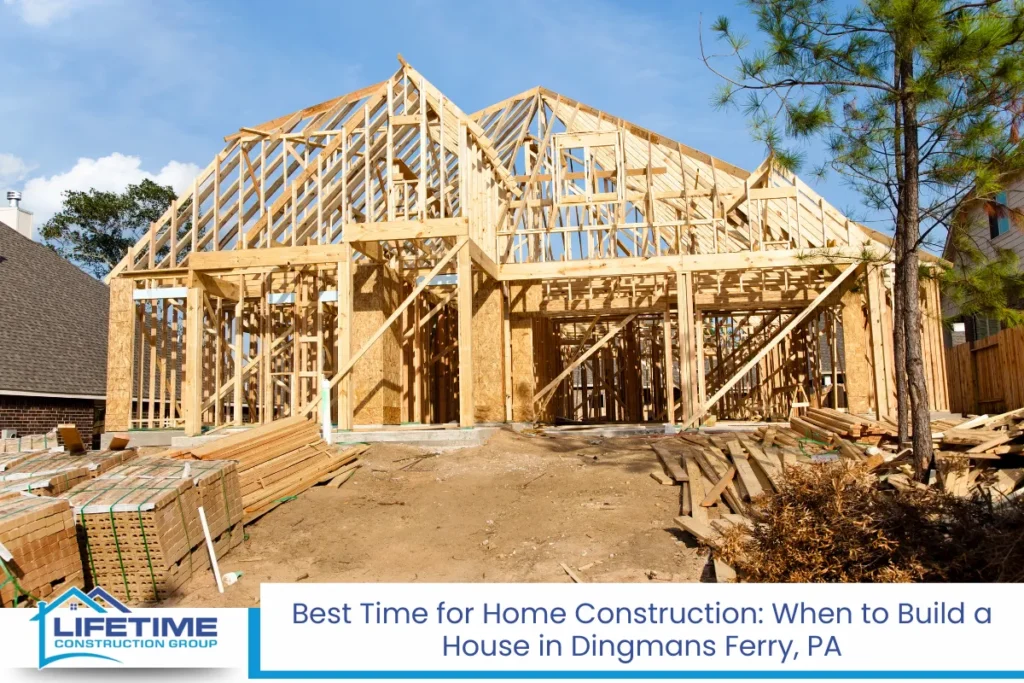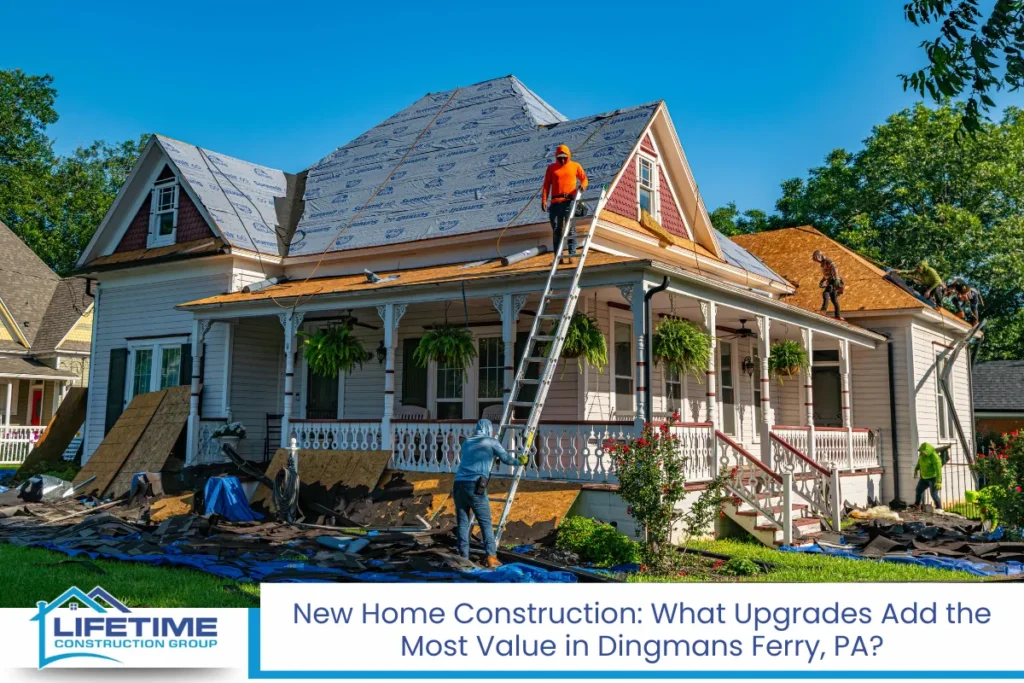


Home construction in Dingmans Ferry, PA can look straightforward at first: buy land, choose a plan, hire a builder, and start. Then reality shows up. Sloped lots, septic approvals, utility access, township permits, code compliance, and finish selections can push a budget higher than expected. That is where many property owners get stuck. They want a clear number, but costs in Pike County are shaped by far more than square footage alone. The good news is that pricing becomes much easier to understand when you break it into the right categories. From site conditions and labor to materials, inspections, and design choices, this guide explains what truly drives the final price so you can plan smarter, avoid surprises, and build with more confidence.
Why Two Homes With the Same Size Can Have Very Different Price Tags Due to Market Conditions
One of the biggest misconceptions about home construction is that cost starts and ends with square footage. In reality, two homes with similar floor plans can have dramatically different budgets in Dingmans Ferry because the land, access, utility setup, and local approvals often change the scope before framing even begins. In this part of Pike County, a home contractor has to think beyond the shell of the house and account for the site itself.
A modest ranch on a flat, cleared lot with easy road access is usually less expensive to build than the same-sized house on a wooded parcel with steep grades, rock excavation needs, drainage challenges, and a long driveway. Add private well installation, septic design, or upgraded structural requirements, and the budget can move quickly. That is why a qualified general contractor typically evaluates the total build environment, not only the house plan.
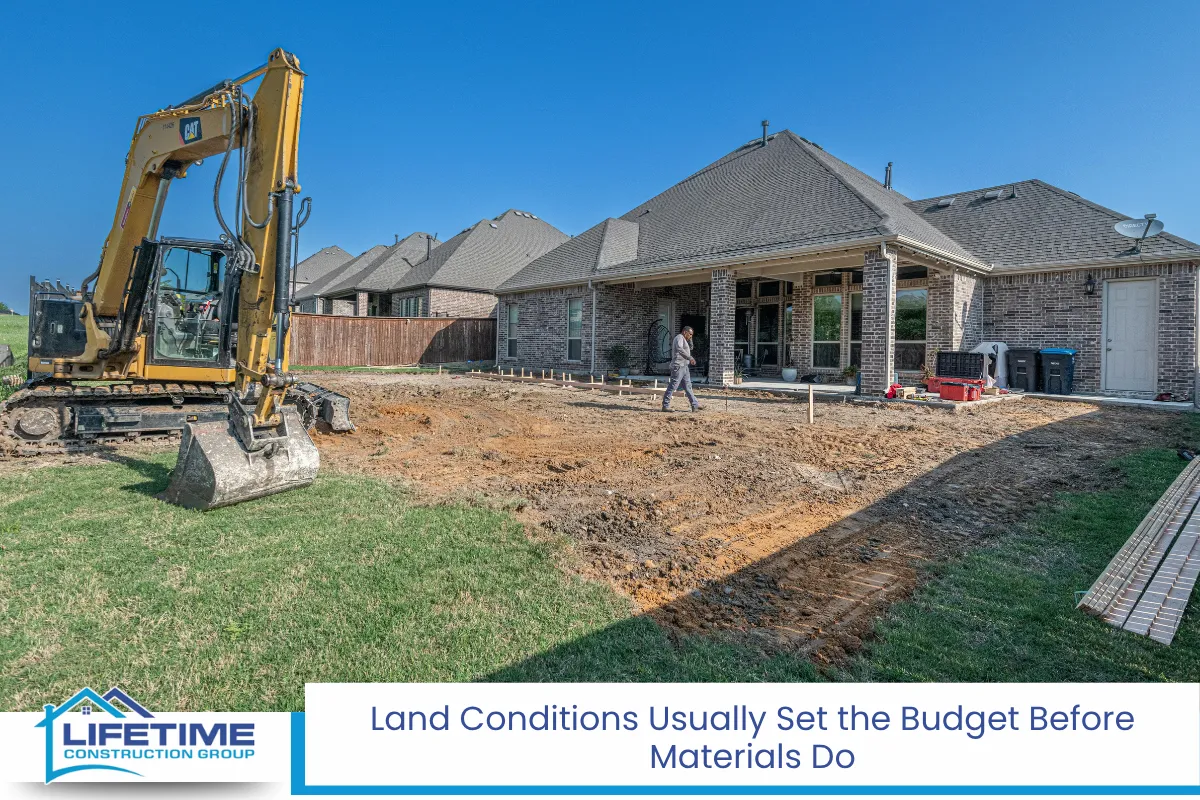
Land Conditions Usually Set the Budget Before Materials Do
Site clearing, grading, and excavation
In Dingmans Ferry, raw land is common, and that means site work is a major cost driver. Trees may need to be cleared, stumps removed, grades adjusted, and drainage managed before the foundation can begin. If the lot is uneven or heavily wooded, the excavation phase often becomes more labor-intensive and equipment-heavy. That adds time, trucking, and disposal costs.
Soil conditions and stormwater compliance
Soil matters more than many homeowners expect. Poor drainage, unstable soils, or a layout that disturbs larger areas of the site can increase engineering and erosion-control costs. In Pike County, earth disturbance projects are regulated under Pennsylvania’s Chapter 102 program, and projects disturbing one acre or more generally require NPDES construction stormwater permitting. Even smaller projects may still need erosion and sediment controls.
Road frontage, access, and setbacks
Access also affects cost. A long driveway, limited construction access, or required setback compliance can alter where the home sits on the lot and how equipment reaches the site. Delaware Township provides zoning permit forms and plot-plan requirements, and one township form states that new construction has a 75-foot setback from the center of the road. Those placement rules can affect grading, utility runs, and driveway length.
Permits, Codes, and Local Approvals Are Real Budget Items
Pennsylvania follows the Uniform Construction Code, and the state requires permits before many residential construction activities begin. That includes constructing, enlarging, altering, repairing, moving, demolishing, or changing occupancy of residential buildings, along with work involving electrical, gas, mechanical, and plumbing systems regulated by code. Inspections are also part of the process.
In Dingmans Ferry, Delaware Township’s forms page includes applications for zoning permits, building permits, sewage permits, and well permits. The township zoning board states that zoning permits are generally required when a property owner intends to build a structure, add to a structure, alter one, or change the use of land or buildings. Those administrative steps do not usually make headlines in a budget, but they do affect scheduling and total cost.
A good construction company plans these items early because delays in approvals can extend the timeline, and extended timelines often increase carrying costs, coordination costs, and labor scheduling challenges. For homeowners, that means the cheapest estimate is not always the most complete estimate.
Septic, Wells, and Utility Infrastructure Can Reshape the Entire Estimate
Unlike dense suburban areas served by public water and sewer, many Pike County properties depend on private systems. That alone can make budgets less predictable.
Septic system design and approvals
Septic costs vary with soil conditions, system design, lot size, and regulatory review. Pike County materials note that on-lot sewage treatment systems are a major planning item, and Delaware Township provides a sewage permit application. In Pennsylvania, septic systems are regulated to protect health and water quality, and the right system depends heavily on the site. A standard system may cost much less than an engineered alternative when soils are limited.
Private well planning
Private water service can also shift the budget. Pennsylvania DEP states that it does not regulate most private homeowner wells at the state level, but local requirements may still apply. Delaware Township specifically provides a well permit application, which means well planning is not just a drilling cost; it can include siting, testing, equipment, trenching, and local approval steps.
Utility distance and service connections
If electric, driveway access, or other services are far from the build area, the budget rises. A parcel that looks affordable at purchase can become costly if trenching, poles, transformers, or long service runs are required. That is one reason experienced home remodeling and new-build professionals often emphasize pre-construction due diligence before finalizing plans.
Read Budget-Friendly Building: How to Save Money on Home Construction in Dingmans Ferry, PA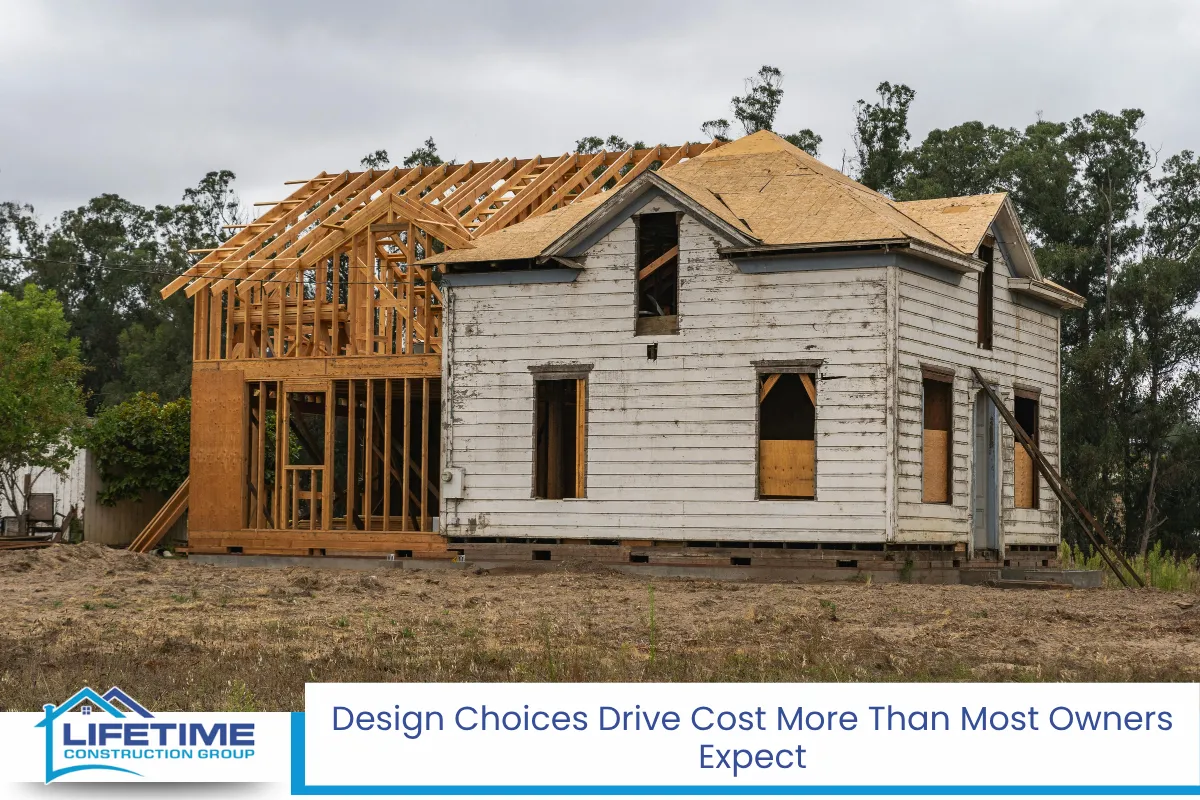
Design Choices Drive Cost More Than Most Owners Expect
Not all square footage costs the same. Simpler footprints are usually more efficient to build. A rectangular home with a straightforward roofline often costs less than a design with multiple bump-outs, vaulted ceilings, dormers, tall walls, and complex framing transitions. Complexity creates more material waste, more cutting and fitting, and more labor hours. Industry cost breakdowns also show that framing, foundation work, rough-ins, and interior finishes represent major portions of total construction cost.
The same principle applies inside the home. Custom tile showers, oversized islands, premium cabinetry, stone surfaces, upgraded windows, specialty siding, luxury flooring, and high-end lighting can move a project from practical to premium very quickly. A home remodeler sees the same issue during home renovation work: finish selections often shift the budget more than the owner expected because every “small upgrade” compounds across the full project.
Labor Costs in Rural Markets Are About More Than Hourly Rates
Homeowners often focus on raw material prices, but labor availability matters just as much. In smaller markets, lead times for skilled trades can affect both timeline and price. Electricians, plumbers, HVAC installers, excavators, framers, and finish carpenters all have to be coordinated. When schedules tighten, labor costs tend to rise. Recent Pennsylvania cost guides also show that construction labor spans many specialties, each with its own rate and scheduling demands.
An experienced general contractor helps control this by managing sequencing. That matters because gaps between excavation, foundation, framing, roofing, rough-ins, insulation, drywall, and finish work can ripple through the job. When a project is poorly coordinated, owners may not notice the problem immediately, but they often feel it in delays, change orders, and extended overhead.
Material Pricing Still Moves the Needle
Material costs remain a core part of any home construction budget, especially for framing lumber, concrete, roofing, windows, insulation, cabinetry, drywall, flooring, and mechanical systems. While national averages vary, current industry reporting continues to place Pennsylvania home-building costs in a broad range, often with average figures around $175 to $300 per square foot depending on finish level, complexity, and location. Custom work can run higher.
That range matters because it shows why “average cost” figures can only be a starting point. A basic build with efficient design and standard finishes may land toward the lower end, while steep lots, custom plans, upgraded envelopes, and premium interiors can push far beyond it. For Dingmans Ferry projects, site-specific costs often explain why a local estimate differs from a statewide online calculator.
Renovation, Additions, or New Build: Which Path Changes the Budget Most?
Some property owners are not starting from scratch. They may be comparing a new build with home remodeling, a major addition, or a whole-home improvement project. That decision changes the pricing logic.
A new build offers the advantage of designing around current needs, code standards, and site conditions from day one. Home renovation or home improvement work may look cheaper at first, but hidden issues inside existing walls, outdated systems, structural repairs, moisture damage, or code-triggered upgrades can complicate the budget. In some cases, extensive home remodeling becomes less efficient than building new, especially when layout changes are major.
That does not mean renovations are the wrong choice. It means apples-to-apples pricing matters. A homeowner comparing options should ask whether the proposal includes demolition, disposal, permit revisions, structural corrections, energy upgrades, and finish matching. Those details separate a rough number from a reliable project budget.
Hidden Cost Categories Owners Commonly Miss
Before signing with a home contractor, it helps to look beyond the headline number. These are the categories owners most often underestimate:
- Pre-construction planning
Surveys, plot plans, engineering, and permit preparation can all add up before work starts. - Site development
Clearing, grading, rock removal, drainage, and erosion control are highly site-dependent. - Utility setup
Septic, wells, trenching, electrical service, and long driveways can shift the budget fast. - Code and inspection costs
Pennsylvania UCC compliance requires permits and inspections for many residential projects. - Finish upgrades
Cabinets, counters, tile, siding, roofing, windows, and fixtures can add large cumulative costs.
Contingency funds
Change orders, weather delays, and subsurface surprises are common in real-world projects. In a wooded, rural market, contingencies are especially important.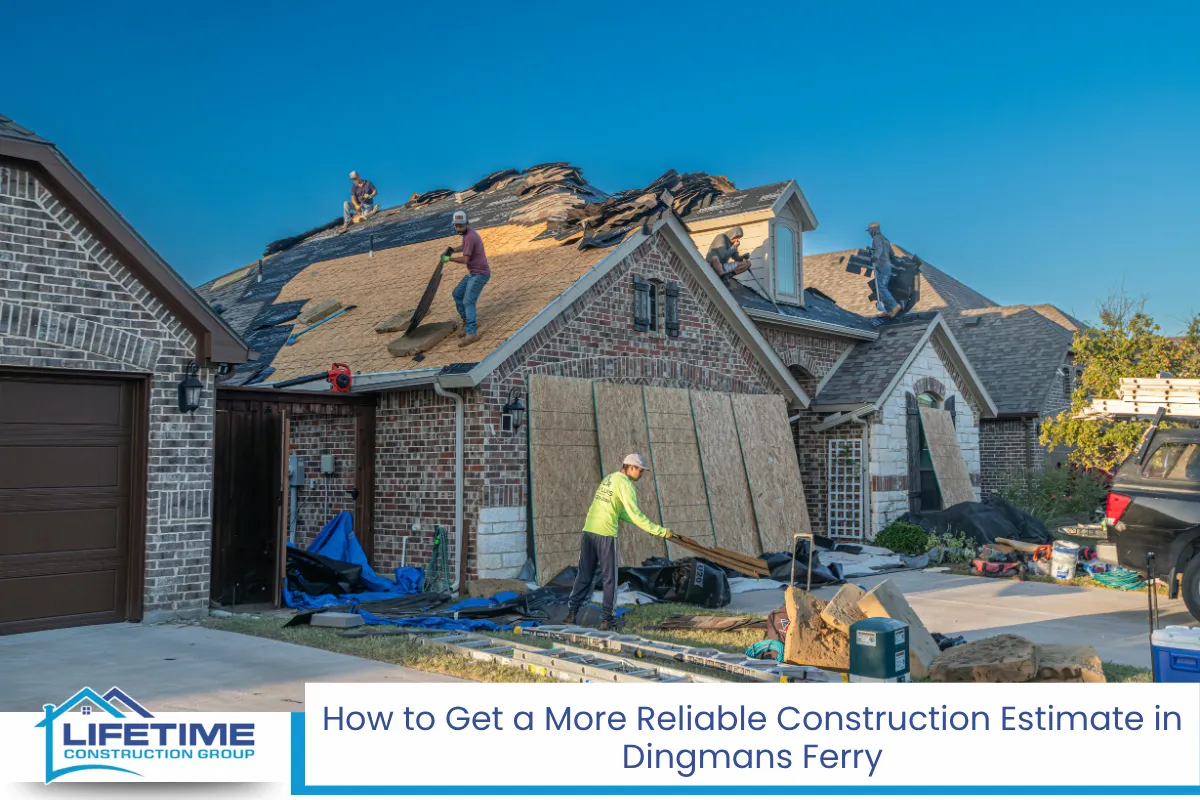
How to Get a More Reliable Construction Estimate in Dingmans Ferry
A serious estimate should do more than multiply square footage by a statewide average. It should reflect the lot, access, utility assumptions, municipality, structural design, finish level, and permit path. In Dingmans Ferry, that usually means reviewing township applications, zoning requirements, septic and well considerations, and any erosion-control obligations before locking in a final price.
When comparing proposals from a general contractor or construction company, ask clear questions:
- Does the estimate include permit-related coordination?
- Is septic or well work included, or only assumed?
- Has site prep been priced from the actual lot conditions?
- Are allowances realistic for cabinets, flooring, windows, and fixtures?
- Is there a contingency for excavation surprises or design changes?
Those answers usually tell you more than the bottom-line number alone. A detailed bid may appear higher at first, but it often provides a more honest roadmap for the real cost of the project.
What Smart Owners and Their Real Estate Agent Prioritize Before Breaking Ground
The smartest way to control home construction pricing in Dingmans Ferry is to make key decisions early. Choose the lot carefully. Confirm setbacks and zoning. Investigate septic feasibility and water access. Keep the design efficient. Select finishes intentionally instead of upgrading everything midstream. And work with a home contractor who understands how local approvals and site realities affect the budget.
In practical terms, construction cost is influenced by four major buckets: land preparation, regulatory requirements, house design, and material-plus-labor choices. When owners understand those levers, they are far better positioned to plan a realistic budget, avoid avoidable overruns, and move into a finished home without the stress that comes from preventable surprises.
Dingmans Ferry Homes Construction – Lifetime Construction Group LLC
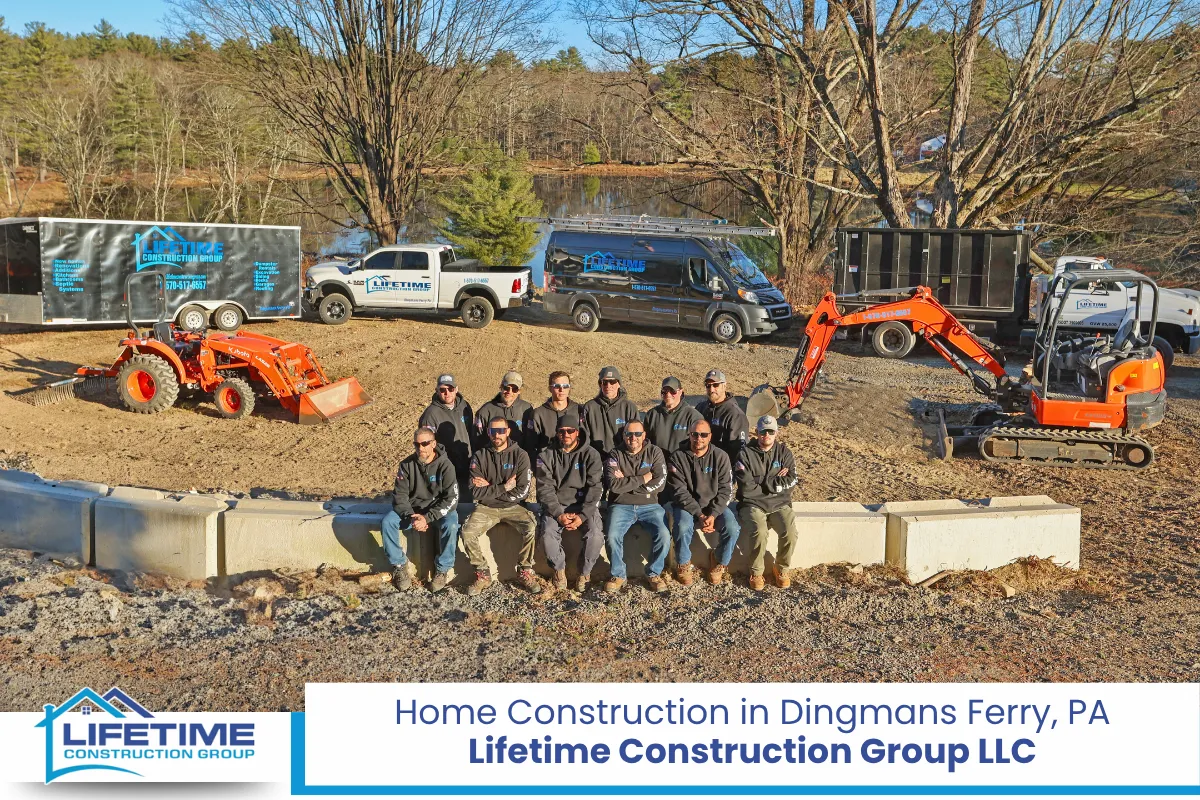
At Lifetime Construction Group LLC, we know that home construction in Dingmans Ferry, PA is never just about putting materials together. It is about planning the right project for the property, the budget, and the long-term needs of your family. We help homeowners make sense of site work, permits, layout decisions, finish selections, and the many details that influence the final price. Whether you are building from the ground up, planning home remodeling, or exploring a major home renovation, our team is here to guide you with clear communication and dependable workmanship. We proudly serve Dingmans Ferry and the surrounding areas. Call us at (570) 517-6557 or fill out our contact form to schedule your estimate and take the next step with Lifetime Construction Group LLC.
Frequently Asked Questions
1. How does financing affect the total cost of a home build in Dingmans Ferry?
Financing can increase the real cost of a project even when the construction contract itself stays the same. Interest payments, lender fees, appraisal fees, draw inspection charges, and changes in rates during the building timeline can all affect the final amount you pay. Some lenders also require reserve funds or contingency thresholds before approving a construction loan. That means a homeowner should not budget only for labor and materials. It is also important to understand how draws are released, what documents are required at each stage, and how delays could affect carrying costs while the home is being completed.
2. Is it cheaper to build during a certain season in Pike County?
Season can influence cost, but not always in the simple way people expect. Winter conditions may slow excavation, concrete work, roofing, and site access, especially on wooded or sloped lots. Wet seasons can also create grading and erosion-control complications. At the same time, some materials or trade schedules may be more available during slower periods. The key issue is not chasing a “cheap season,” but planning the sequence correctly. A well-timed schedule that accounts for weather, inspections, deliveries, and subcontractor availability often saves more money than trying to force a project into a calendar window that does not fit the site.
3. How much should homeowners set aside for contingencies on a new build?
A contingency is the part of the budget reserved for unknowns. For many projects, owners benefit from keeping a separate reserve because unexpected site conditions, design revisions, utility issues, and finish upgrades are common. Even on well-planned builds, surprises can happen after excavation begins or once product selections are finalized. A contingency helps prevent the project from stalling when something changes. The right amount depends on lot conditions, design complexity, and how complete the pre-construction planning is, but a reserve is especially important when building on rural parcels with septic, well, grading, or access variables.
4. Do energy-efficient features always cost more up front?
Not always, but many energy-efficient upgrades do carry a higher initial cost. Better insulation packages, improved air sealing, high-performance windows, advanced HVAC systems, and upgraded water-heating equipment can increase the upfront budget. However, those investments may reduce monthly utility costs, improve comfort, and sometimes lower long-term maintenance issues. The best approach is to look at value, not just price. Some upgrades have a fast payoff, while others are more about durability and comfort. A smart build strategy usually identifies the features that matter most for the home’s location, size, occupancy pattern, and long-term ownership plans.
5. What should be included in a construction contract before work starts?
A strong construction contract should clearly define the scope of work, payment schedule, allowances, exclusions, estimated timeline, change-order process, and responsibility for permits or approvals. It should also explain how materials are selected, what happens if products become unavailable, and how unforeseen site conditions are handled. Homeowners should understand whether the price is fixed, estimated, or allowance-based in specific categories. It is also wise to confirm warranty terms and cleanup expectations. The more detail included before work begins, the less room there is for confusion later. Clear paperwork is one of the best ways to protect both the owner and contractor.
Disclaimer: Pricing, permit paths, and site requirements can vary by parcel, design, and municipality. Always confirm current township, county, code, septic, and stormwater requirements before starting a residential construction project.
Read Small Space Solutions: Can a Kitchen Remodeler in Dingmans Ferry, PA Maximize Your Storage?