

Protecting Your Home Starts at the Top
Roofing Contractor in Dingmans Ferry, PA homeowners trust often get one urgent call: “I didn’t know there was a problem until water started dripping from the ceiling.” That’s the problem. Many roofs fail silently. Small cracks, lifted shingles, flashing gaps, or hidden ice dam damage go unnoticed until costly repairs are unavoidable. The harsh Pennsylvania winters, heavy rain, and windstorms in Pike County only make matters worse.
The good news? Most roofing damage is preventable with routine inspections and timely roofing services. Knowing how often to inspect your roof—and what to look for—can extend its lifespan, prevent structural issues, and save thousands in emergency repairs. This guide explains exactly when, why, and how to inspect your roof in Dingmans Ferry’s climate.
How Often Should You Inspect Your Roof in Pennsylvania?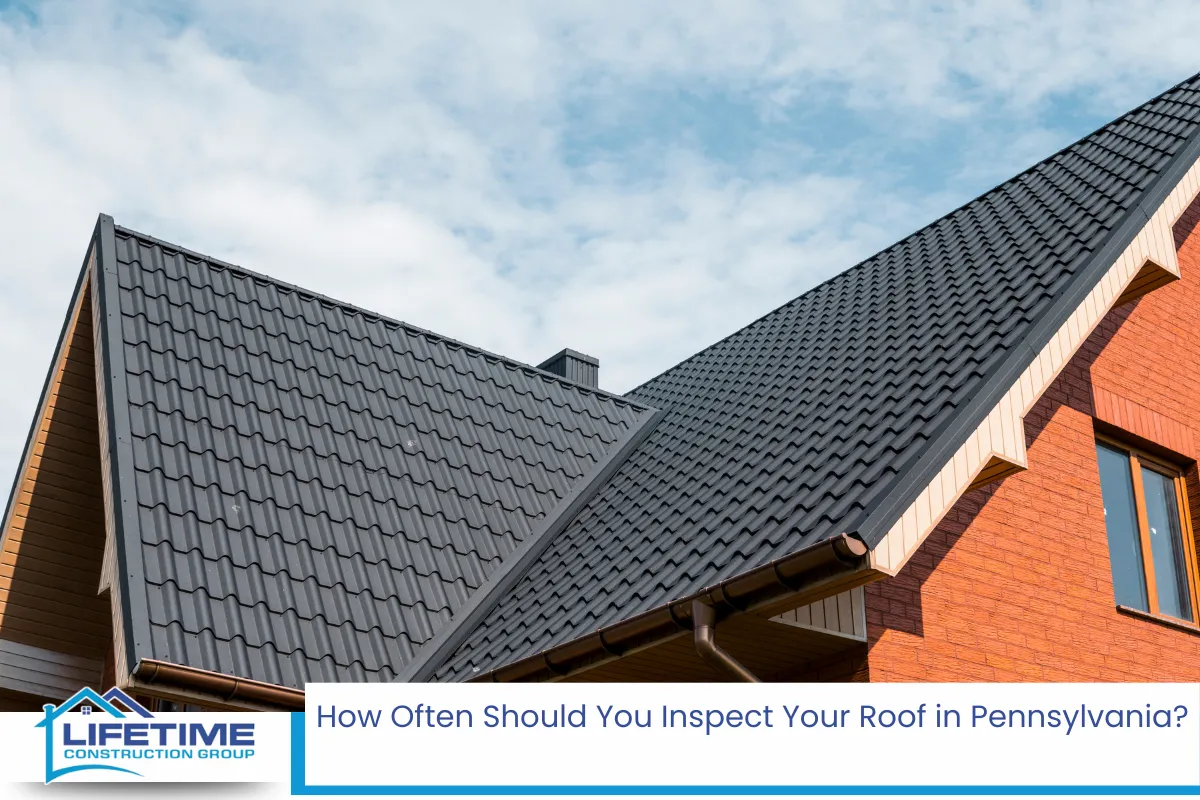
For most residential properties in Dingmans Ferry and surrounding areas, a roof inspection should happen:
- Twice per year (spring and fall)
- After major storms (high winds, hail, heavy snow)
- Before buying or selling a home
- If your roof is 10 years old or older
Pennsylvania experiences freeze-thaw cycles, snow loads, and wind-driven rain. These environmental factors accelerate wear and tear on shingles, flashing, and underlayment. A reputable roofing company will recommend proactive maintenance instead of waiting for visible leaks.
Why Spring and Fall Matter Most
Spring inspections help identify:
- Ice dam damage
- Loose or missing shingles
- Gutter blockages
- Flashing separation
Fall inspections prepare your home for winter by ensuring:
- Shingles are sealed and intact
- Ventilation systems function properly
- Attic insulation is adequate
- Chimney flashing is watertight
Routine inspections are not just about spotting damage. They protect your home’s structural integrity and energy efficiency.
How Dingmans Ferry Weather Impacts Your Roof
Dingmans Ferry, Pennsylvania experiences four distinct seasons. Each season presents unique roofing challenges.
Winter: Snow Load and Ice Dams
Heavy snowfall adds significant weight to roofing systems. If attic ventilation is poor, melting snow refreezes at the edges, creating ice dams. These can force water under shingles and into your home.
Common winter risks include:
- Ice dam formation
- Condensation in the attic
- Cracked shingles from freezing temperatures
- Structural stress
Spring: Heavy Rain and Wind
Spring storms often bring high winds and driving rain. Wind uplift can loosen asphalt shingles, especially on aging roofs. Water intrusion follows quickly.
Summer: UV Damage and Heat
Extended sun exposure breaks down roofing materials. Over time, shingles can curl, blister, or lose granules. Proper ventilation reduces heat buildup in attics.
Fall: Debris and Drainage Issues
Leaves clog gutters and downspouts. When drainage systems fail, water pools along roof edges, leading to rot and fascia damage.
An experienced roofing contractor understands these seasonal patterns and tailors inspections accordingly.
Signs Your Roof Needs Immediate Inspection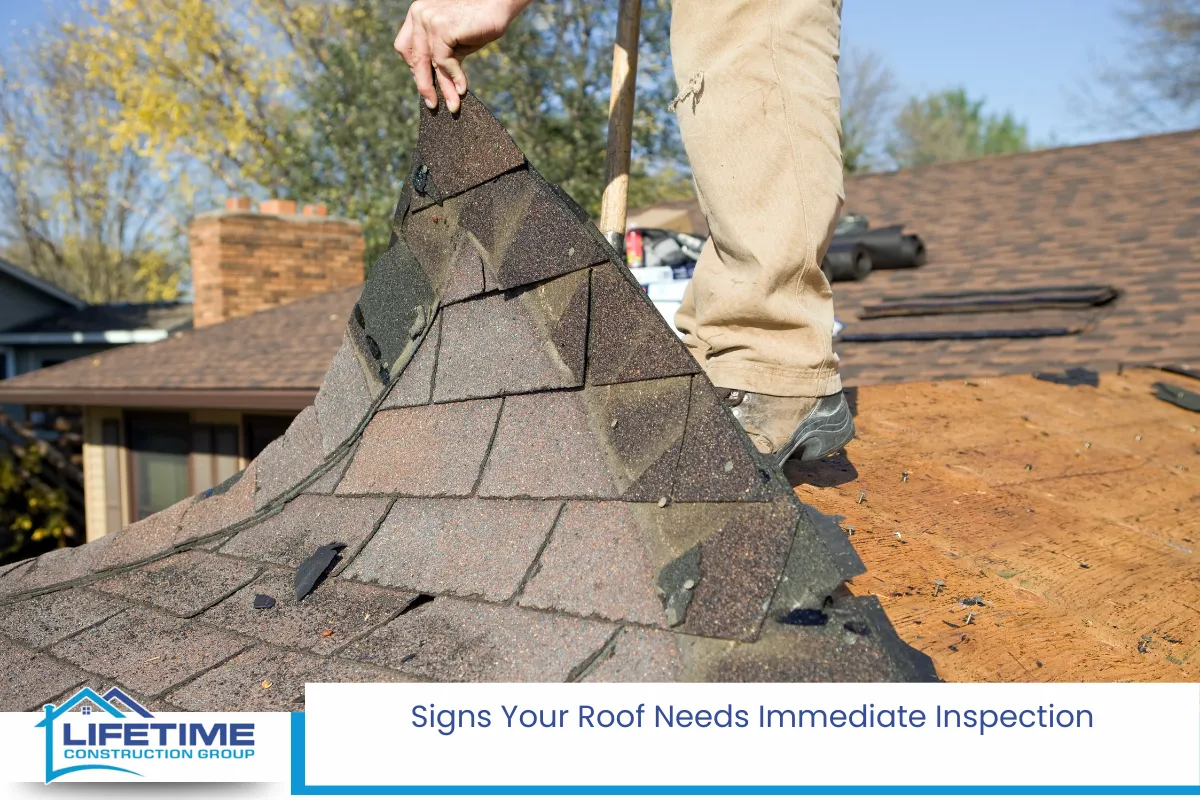
Some warning signs demand prompt attention.
Exterior Red Flags
- Missing or curled shingles
- Granules collecting in gutters
- Sagging rooflines
- Rusted or separated flashing
- Moss or algae growth
Interior Warning Signs
- Water stains on ceilings
- Peeling paint near rooflines
- Mold or mildew smell
- Visible daylight in attic
- Insulation dampness
If you notice any of these, contact professional roofers immediately. Delaying repairs can void manufacturer warranties and lead to structural damage.
Professional Roof Inspection vs. DIY Inspection
Many homeowners attempt visual inspections from the ground. While this helps identify obvious issues, it is not a substitute for professional roofing services.
What a Professional Roofing Company Checks
A licensed roofing contractor typically examines:
- Shingle condition
- Flashing integrity
- Chimney and skylight seals
- Roof penetrations
- Ventilation systems
- Underlayment performance
- Structural decking
- Gutters and drainage
Professionals also assess compliance with Pennsylvania building codes. In Pike County, roofing replacements and structural repairs typically require permits through the local municipality. Working with a compliant roofing company ensures your project meets local construction regulations.
Safety Matters
Climbing on a roof without proper training is dangerous. Falls are one of the leading causes of construction-related injuries. Professional roofers use safety harnesses, stabilizers, and fall protection equipment.
Roof Lifespan: How Age Affects Inspection Frequency
Not all roofs are equal. Inspection frequency depends on material type.
Asphalt Shingles
- Lifespan: 20–30 years
- Inspect twice yearly after 10 years
- Watch for curling and granule loss
Architectural Shingles
- Lifespan: 30–40 years
- Durable but still require seasonal inspection
Metal Roofing
- Lifespan: 40–70 years
- Check fasteners, seams, and sealants
Slate or Tile Roofing
- Lifespan: 50+ years
- Inspect for cracked tiles and flashing issues
Even premium materials require maintenance. A roofing contractor will help determine if repairs or full roof replacement is necessary.
Read Roofing Contractor in Dingmans Ferry, PA Tips: How to Extend Your Roof’s Life
Storm Damage: When to Schedule an Emergency Roof Check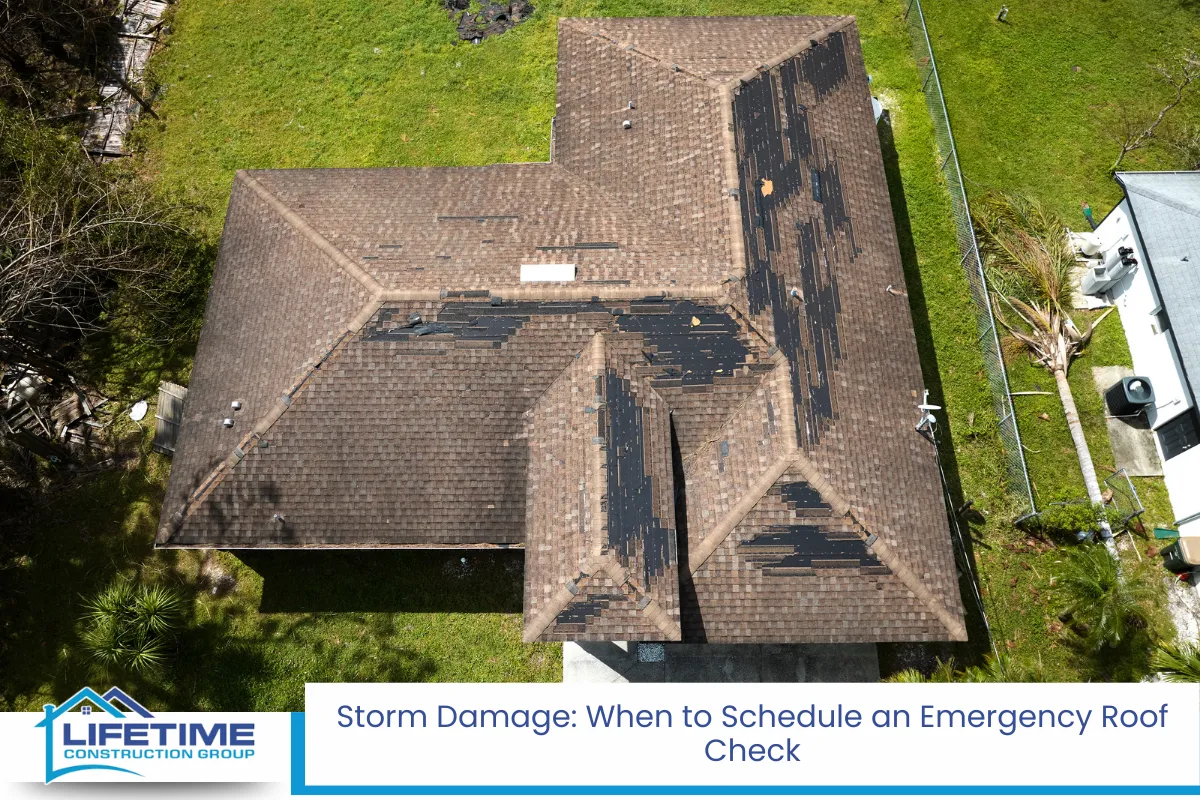
Severe weather is common in northeastern Pennsylvania. After hailstorms or strong winds, inspections should occur within days.
Storm-related damage may include:
- Shingle bruising from hail
- Lifted shingles from wind uplift
- Broken flashing
- Tree limb punctures
Insurance companies often require timely documentation. A roofing company can provide detailed inspection reports, photos, and repair estimates to support claims.
The Role of Roof Ventilation and Attic Inspections
Roof inspections are incomplete without attic evaluation.
Poor ventilation causes:
- Excess moisture
- Mold growth
- Ice dams
- Premature shingle deterioration
Attic airflow systems include ridge vents, soffit vents, and exhaust fans. During inspections, roofing services professionals evaluate air intake and exhaust balance.
Gutter Systems: An Overlooked Part of Roof Maintenance
Gutters protect your foundation and roofing edges. Clogged gutters lead to:
- Fascia rot
- Roof edge deterioration
- Basement water intrusion
- Ice buildup in winter
Inspect gutters at least twice per year. Clean debris and check for sagging sections. Many roofing companies offer gutter maintenance alongside roof inspections.
Pennsylvania Roofing Regulations Homeowners Should Know
In Dingmans Ferry and throughout Pennsylvania:
- Contractors performing home improvement work over $5,000 must register with the Pennsylvania Attorney General’s Office.
- Written contracts are required for most roofing projects.
- Permits may be required for roof replacements or structural changes.
- Workers’ compensation and liability insurance should be verified.
Always confirm that your roofing contractor is properly registered and insured before scheduling inspections or repairs.
Preventative Maintenance Checklist
Use this checklist to stay ahead of problems:
- Schedule inspections every spring and fall
- Trim overhanging tree branches
- Clean gutters and downspouts
- Check attic ventilation
- Inspect flashing around chimneys
- Look for signs of interior moisture
- Document roof condition with photos
Preventative maintenance extends roof life and improves property value.
Why Routine Roof Inspections Save Money
Many homeowners avoid inspections because there’s no visible damage. That approach often leads to larger repair bills.
Small repair costs might include:
- Replacing a few shingles
- Resealing flashing
- Securing loose vents
Major repair costs may involve:
- Structural decking replacement
- Mold remediation
- Interior drywall repair
- Full roof replacement
A trusted roofing contractor focuses on prevention rather than reaction.
When Is It Time for Roof Replacement Instead of Repair?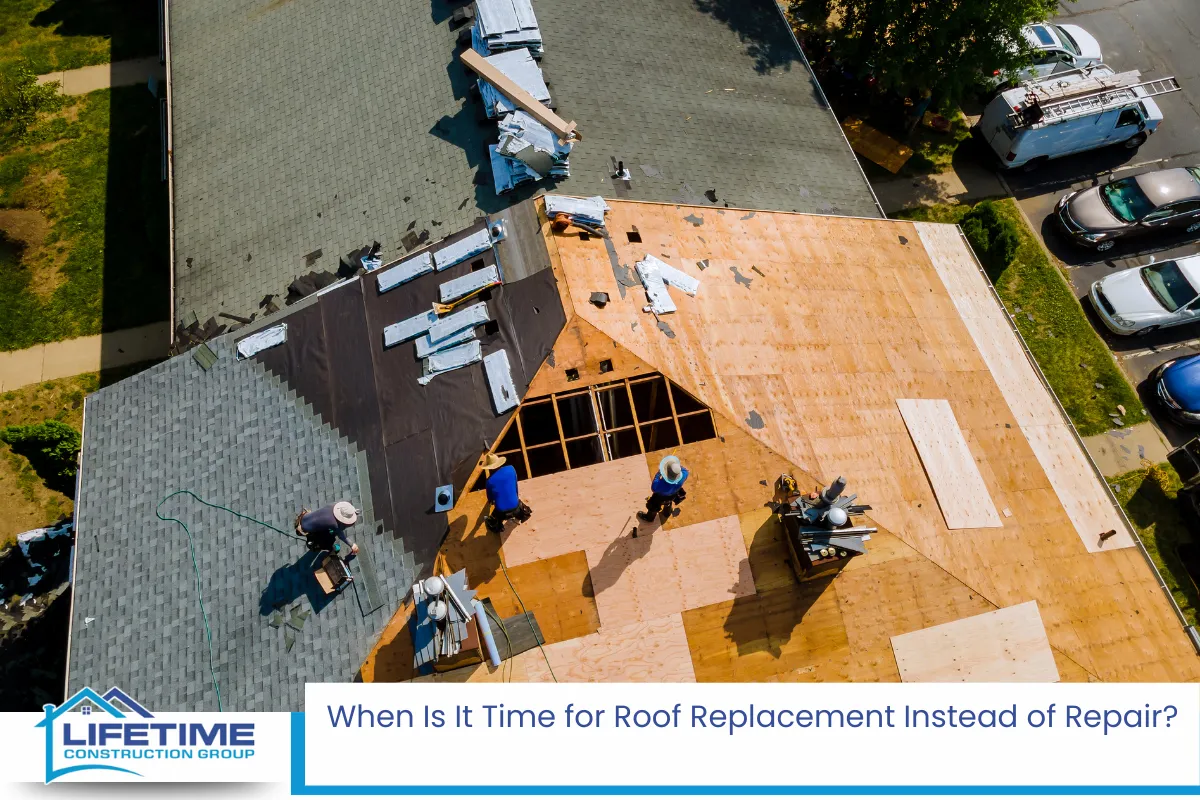
Inspection findings may reveal widespread deterioration.
Replacement is often recommended when:
- Shingles are past life expectancy
- Decking shows rot
- Multiple leaks occur
- Storm damage is extensive
- Repairs exceed 30–40% of roof area
An experienced roofing company will provide honest recommendations and detailed estimates.
Choosing the Right Roofing Contractor in Dingmans Ferry
When selecting roofers:
- Verify registration and insurance
- Request written estimates
- Ask about warranties
- Review inspection reports
- Confirm permit handling
Local experience matters. Contractors familiar with Pike County weather conditions and municipal requirements deliver better results.
Smart Roof Care Leads to Long-Term Protection
Your roof is your home’s first defense against rain, snow, wind, and heat. Inspecting it twice a year—and after severe storms—reduces risks, protects property value, and prevents costly surprises. Seasonal inspections, professional evaluations, and preventative maintenance ensure your roofing system performs as designed.
Whether your roof is new or approaching the end of its lifespan, routine attention makes all the difference. Working with a qualified roofing company provides peace of mind and protects one of your largest investments.
Roofing Contractor in Dingmans Ferry, PA – Lifetime Construction Group LLC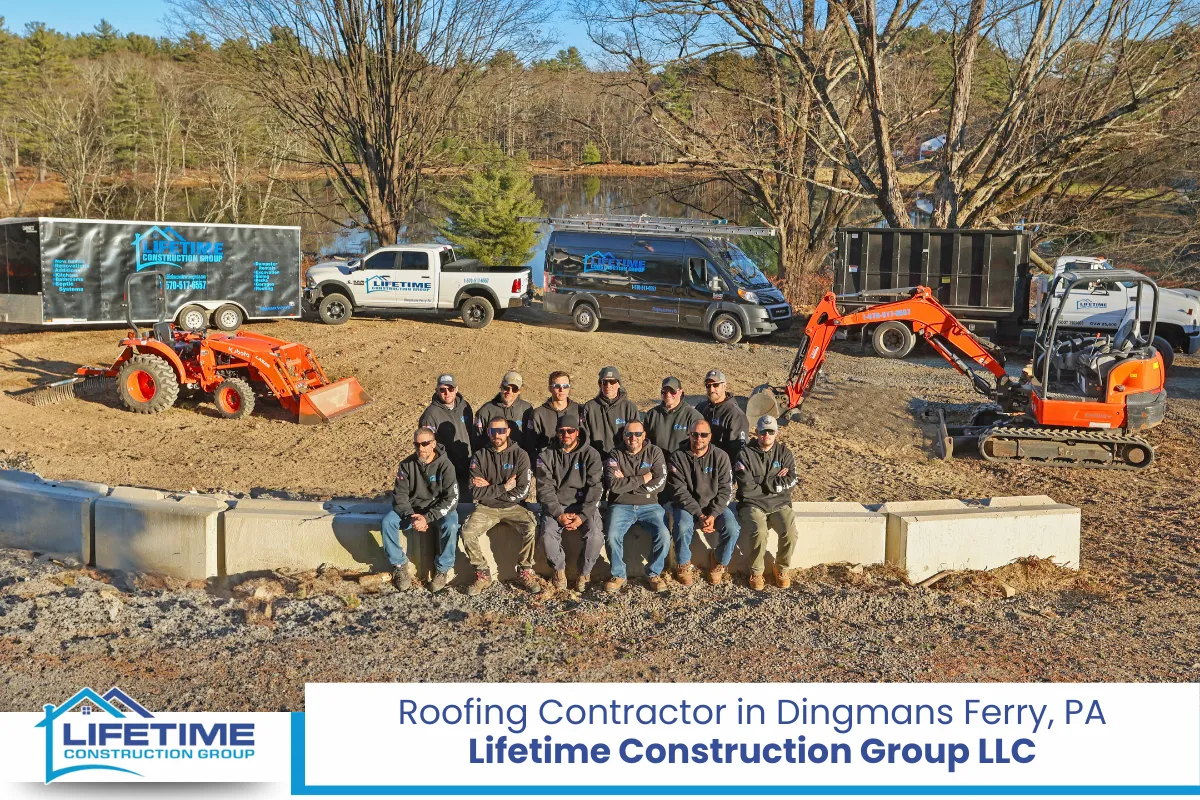
At Lifetime Construction Group LLC, we understand how unpredictable Pennsylvania weather can be. As a trusted roofing contractor in Dingmans Ferry, Pennsylvania, we provide detailed roof inspections, honest evaluations, and dependable roofing services designed to protect your home year-round. Whether you need seasonal maintenance, storm damage assessment, or full roof replacement, our team delivers quality craftsmanship and clear communication every step of the way.
We work with durable materials, follow local regulations, and prioritize long-term performance over quick fixes. If you are unsure about your roof’s condition, now is the time to act. Call us today at (570) 517-6557 or fill out our contact form to schedule your inspection. We proudly serve Dingmans Ferry and surrounding areas with reliable roofing solutions built to last.
Frequently Asked Questions
1. Does homeowners insurance require regular roof inspections?
Most insurance policies do not require scheduled inspections, but they expect homeowners to maintain their property. If a claim is filed due to neglect or long-term damage, it may be denied. Having documentation from a roofing contractor showing regular inspections strengthens claims after storms or sudden events. Some insurers may request inspection reports for older roofs before renewing coverage. Routine inspections demonstrate responsible maintenance and reduce disputes during claims processing.
2. How long does a professional roof inspection take?
A standard residential inspection typically takes 45 minutes to 2 hours, depending on roof size, pitch, and accessibility. Larger homes or complex roofing systems may require more time. The process includes exterior assessment, attic inspection, and documentation. If damage is found, additional time may be needed for measurements and reporting. Professional roofing services focus on thoroughness rather than speed, ensuring no potential issue is overlooked.
3. Can roof inspections improve home resale value?
Yes. Buyers often request roof condition reports during real estate transactions. A recent inspection from a reputable roofing company can reassure buyers and reduce negotiation issues. It may also prevent last-minute surprises during home inspections. Providing documentation that shows your roof has been maintained can increase buyer confidence and support your asking price.
4. Are drone inspections reliable for roofs?
Drone inspections are increasingly common and useful for identifying visible damage, especially on steep or high roofs. However, they cannot replace hands-on assessments. A roofing contractor may use drones for initial visuals but will still check flashing, shingles, and structural components up close. Drones enhance safety and documentation but should be part of a comprehensive inspection process.
5. What time of year is best for a roof replacement in Pennsylvania?
Late spring through early fall is generally ideal due to moderate temperatures and stable weather. Roofing materials, especially asphalt shingles, seal best in mild conditions. Winter installations are possible but may require additional sealing steps. A professional roofing contractor can recommend timing based on material type and forecast conditions.
Disclaimer: This article is for informational purposes only and does not replace professional inspection or legal advice. Roofing regulations and permit requirements in Dingmans Ferry, Pennsylvania may change. Always consult a licensed and properly registered roofing contractor for property-specific recommendations.
Read Does a Construction Company in Pocono Ranch Lands, PA Provide Demolition Services?