

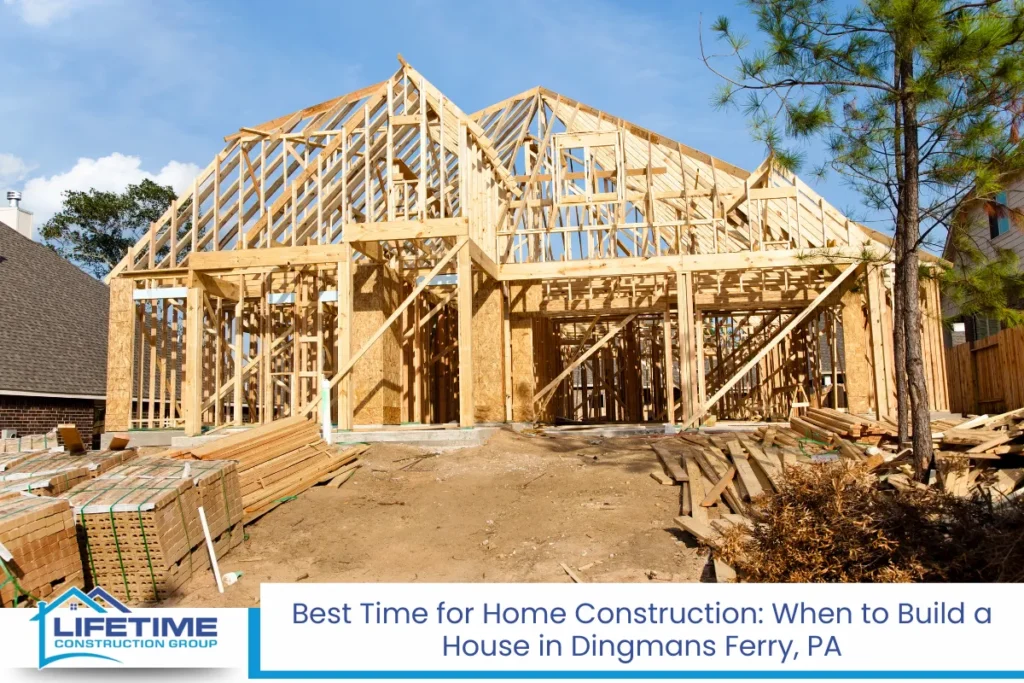
Whether you are planning home construction or need a general contractor to cap off a new build, choosing the best time for home construction in Dingmans Ferry, PA can save you months of frustration and thousands of dollars. Many homeowners in this part of Pike County dream about life in the Poconos but stumble because they misjudge when to begin. Weather significantly impacts construction schedules in Dingmans Ferry due to seasonal changes, and breaking ground at the wrong moment means fighting mud, frozen soil, or runaway costs.
The solution is straightforward. For this specific area of Pennsylvania, the ideal window to start site work and foundation pours is late April through early June, with framing and roofing ideally completed before November storms roll in. Dingmans Ferry sits in a humid continental climate zone with snowy winters, a muddy spring thaw, warm and humid summers, and colorful but quickly cooling falls. Freeze-thaw cycles and steep, wooded lots near the Delaware River and the Delaware Water Gap mean timing directly affects excavation, concrete curing, and access for heavy equipment. Because the Uniform Construction Code and Pike County permitting timelines require lead time, you should talk to a home contractor months before you hope to break ground.
Key Takeaways
- The best time to start building a house in Dingmans Ferry, PA is usually late spring through early fall, with many homeowners hoping to break ground between May and October.
- Serious planning, design choices, and permitting should begin 6 to 12 months before construction begins, often during late fall or winter, so your project stays on track when weather cooperates.
- Pike County weather, Pennsylvania Uniform Construction Code requirements, septic approvals, and access to a qualified general contractor all affect your ideal start date.
- Fall is the prime building season for homes in this region, offering cool, dry weather that minimizes construction delays and can even lead to lower material costs.
- The right time also depends on your realistic budget, move-in goals, and how much customization you want in your dream home.
How Seasons Affect Home Construction in Dingmans Ferry, PA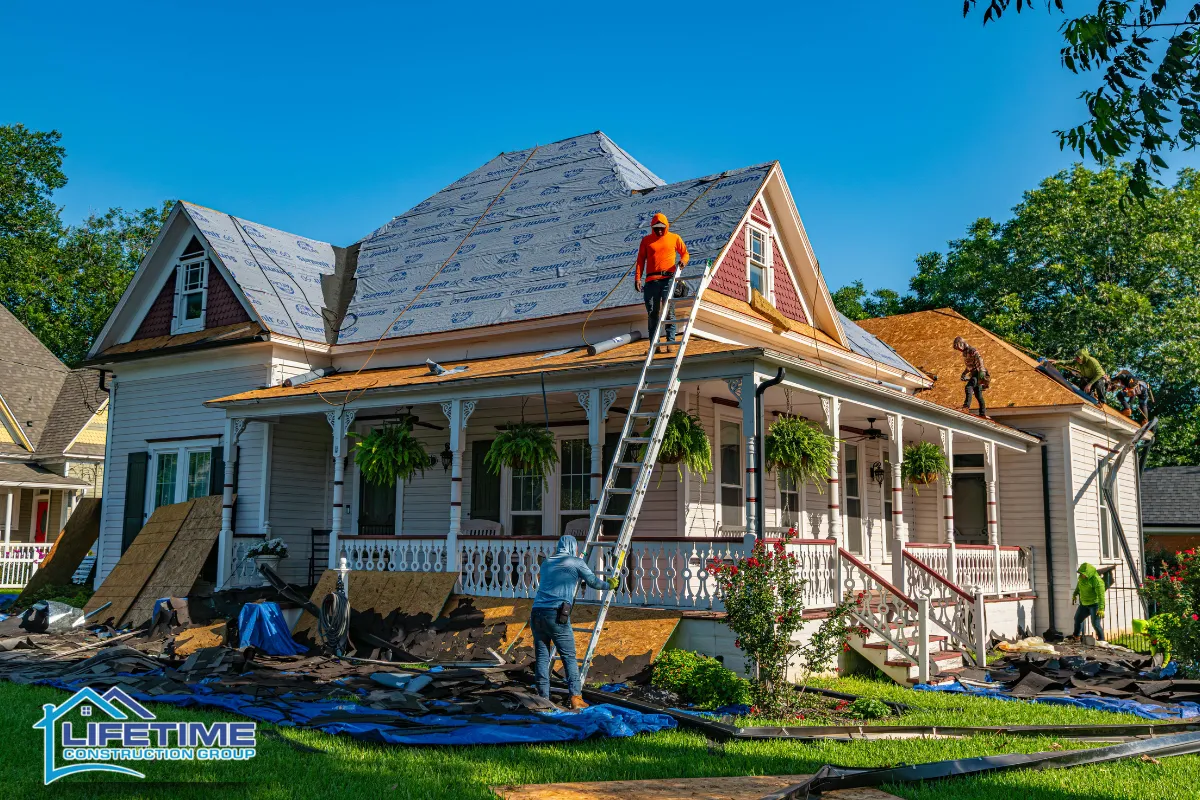
Every season in Dingmans Ferry brings a different set of conditions that can either help or slow a new home build. Understanding these patterns is the first step toward a smoother process.
Spring: March Through May
Spring thaw sends water table levels climbing, especially near creeks and low-lying land along the Delaware River. Spring rains can create muddy conditions affecting excavation, and spring weather can cause muddy and unstable job sites. Soil in spring can be rich in clay, complicating construction even on lots that appear firm. Spring thaw can lead to drainage challenges on construction sites, so ground conditions must be assessed before beginning excavation to avoid delays. Excavation is best performed when the ground is thawed and dry, which is why late spring is optimal for breaking ground due to thawing ground conditions. If you plan drainage carefully, the later weeks of May offer a strong window to start building.
Summer: June Through August
Summer delivers the longest days and the most predictable scheduling for framing, roofs, and rough-in work. Average highs reach the low 80s in July, and precipitation can spike to four or five inches per month with afternoon thunderstorms. Builders in this region plan around heat and sudden showers to keep materials protected and crews productive. Contractor availability peaks during spring and summer, so scheduling a builder early matters.
Fall: September Through November
Cool, dry weather in fall minimizes construction delays, making this season outstanding for exterior work. Late summer or early fall is ideal for completing exterior work before winter, and many experienced teams use a dry-in strategy, getting the roof, windows, and doors installed before the first hard freeze arrives around October 1 to 10. Material costs typically drop in the fall, and fall offers mild temperatures for construction crews to work comfortably. Though often considered the off season for home construction, fall is actually the prime building season for quality homes in this region because fewer projects compete for trades and inspections.
Winter: December Through February
Average January highs hover around 32 degrees, and snow accumulations of five to six inches per month are normal. Frozen ground makes excavation expensive, and concrete pouring in winter may require special methods to prevent freezing. Use of special concrete mixes may increase costs during colder months, adding to the overall project price. Short days, ice on Route 739 and local roads, and limited subcontractor availability all work against heavy site work. However, winter is not wasted time. Interior finishes, cabinetry, and home improvement projects inside an already enclosed shell can proceed, and planning and permitting should start in winter for a spring construction start.
Permits, Codes, and Approvals That Drive Your Start Date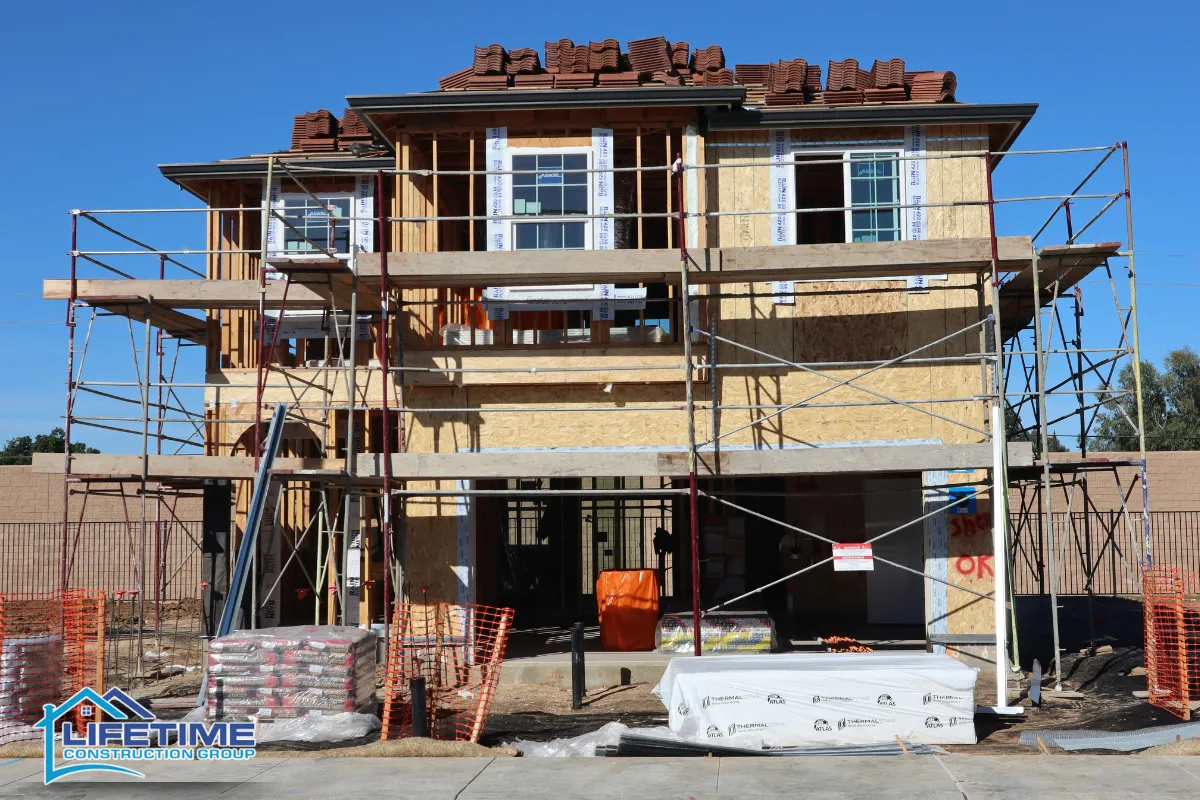
Even the perfect weather window will not matter if permits and approvals in Dingmans Ferry and Pike County are not in place early. Early planning helps avoid bottlenecks in the permitting process and keeps your schedule realistic.
Pennsylvania’s Uniform Construction Code sets statewide building standards covering structural safety, energy performance, electrical, plumbing, and mechanical systems. Building codes vary by location and must be followed, and Pike County townships like Dingman Township and Delaware Township each handle zoning approvals, building permits, driveway permits, and inspections with their own review timelines. Under Pennsylvania Code Section 403.43, a building code official must grant or deny a UCC permit within 30 business days from filing.
Common local requirements include:
- Zoning use and setback verification
- Steep-slope restrictions for lots with grades above 25 to 30 percent
- Floodplain limits near the Delaware River or Dingmans Creek
- Stormwater management plans and erosion and sedimentation controls
- NPDES permits for sites disturbing one acre or more
Septic and well approvals add another layer. Soil testing through perc tests, sewage planning modules, and Pennsylvania Department of Environmental Protection standards can add weeks or months before you can start home construction. Pike County charges roughly 90 dollars for on-lot sewage permits on lots of three acres or less.
Permits typically include zoning approval and building inspections, and permitting delays can occur during peak application seasons. Permitting delays increase in spring due to high application volume, so submitting applications during the slower winter months positions your project ahead of the rush. Building in fall allows quicker permits and inspections because local offices see less demand. Partnering with an experienced general contractor who understands the paperwork and inspection schedule can shave weeks off your timeline.
Read New Home Construction: What Upgrades Add the Most Value in Dingmans Ferry, PA?
Aligning Your Budget, Financing, and Move-In Goals With the Calendar
The best time to build in Dingmans Ferry is also about money, financing windows, and when you actually want to move in, not just temperature and snow.
Start by working backward from your desired move-in date. If you are hoping to settle in before a new school year in September or before winter holidays, you need to know how many months the full process demands. A typical custom build timeline in this part of Pennsylvania looks roughly like this:
- Design choices, engineering, and permits: 3 to 6 months
- Construction and inspections: 8 to 14 months
- Punch lists and certificate of occupancy: 1 to 2 months
That means a total span of roughly 12 to 22 months from project start to move in day.
Financing considerations matter too. Construction-to-permanent loans tie draws to completed phases, so timing major site work during favorable weather keeps your construction company on schedule and your budgeting predictable. Securing financing approval before winter can position you to start fast in spring. Starting planning in spring allows time for permit acquisition and land evaluation and design choices if you are targeting a groundbreaking the following year.
Material lead times have stretched in recent years. Windows, engineered roof trusses, and custom items can take many weeks to arrive, which means fall or early winter is often a good time to sign contracts, lock pricing, and place orders even if physical work starts later. Material prices drop significantly in the fall, giving cost-sensitive homeowners another reason to finalize contracts during that season.
Build a contingency into both your realistic budget and your schedule. Weather delays, permitting slowdowns, and design changes happen, and Dingmans Ferry’s rural location may lengthen delivery and inspection windows compared to more urban areas of Pennsylvania.
Planning Your Site, Design Selections, and Construction Phasing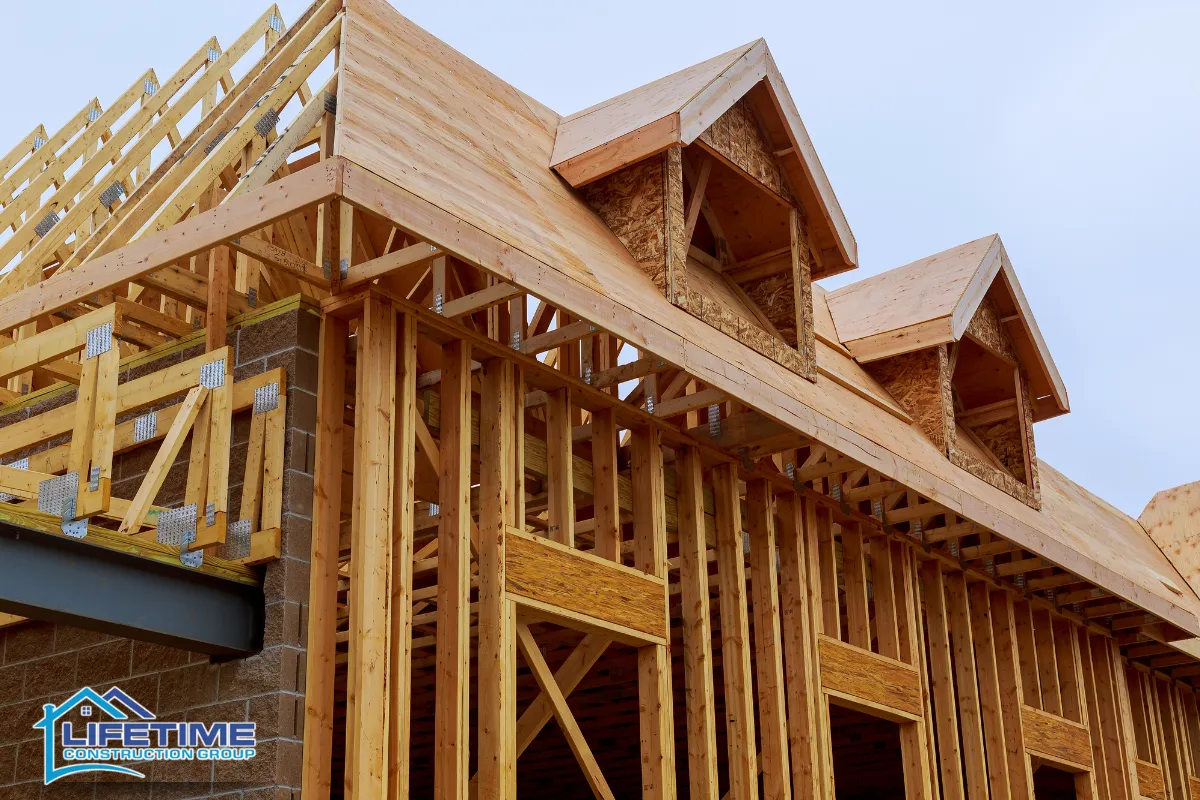
Early planning of your lot, home layout, and design selections lets you take full advantage of the best weather window in Dingmans Ferry. Rushing this phase almost always costs more money later.
Site-Specific Considerations in Pike County
Wooded lots, slopes, rock outcroppings, and access off narrow private lanes define much of the buildable property in this region. Grading, driveway layout, snow storage space, and safe emergency access all need attention for year-round living. Surveyors prefer leaf-off seasons, typically late winter or early spring, when sight lines through the forest are clear and the shape of the terrain is easiest to read.
Orientation and Layout
Sun orientation, prevailing winds, and views of the Delaware River Valley or surrounding forest should guide the placement of main living areas, decks, and large windows. A well-oriented home is both beautiful and energy efficient, reducing heating costs through decades of harsh Pocono winters. This is where the layout of your new home truly reflects your lifestyle.
Ordering and Lead Times
Finalize design selections for roofing, siding, windows, kitchen layouts, and finishes before framing or rough-ins begin. Deciding early avoids backorders that can waste the best building months. If you are creating a functional space with custom cabinetry or specialty materials, orders may need to go out three to four months ahead.
Ideal Construction Sequence
For this climate, an ideal phasing plan looks like:
- Winter and early spring: design, engineering, permit submissions
- Late spring: excavation and foundation pours
- Summer: framing, rough mechanicals, electrical, plumbing
- Late summer and early fall: roofing, siding, exterior finishes
- Fall through winter: interior finishes, trim, flooring, systems commissioning
Planning for future home renovation or additions at the design phase, such as flexible floor plans and mechanical spaces sized for heat pumps, solar, or finished basements, saves significant cost and disruption down the road.
Season-by-Season Pros and Cons: Choosing the Right Start for Your New Home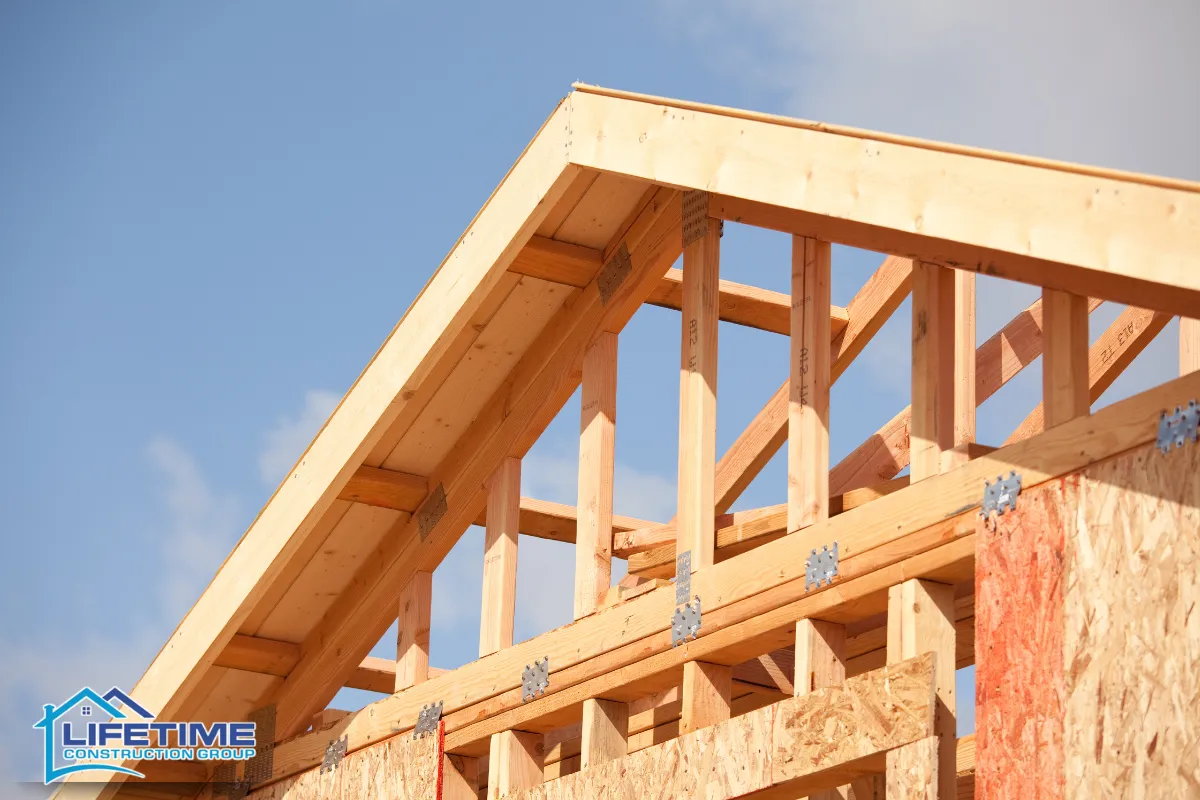
This comparison helps you pick the season that best fits your priorities, whether that is speed, cost, comfort, or scheduling certainty.
Spring Starts
A spring start gives you a fresh beginning with a full build season ahead and favorable temperatures for concrete curing. On the downside, mud and high water tables in this region create access problems, and permitting delays increase in spring due to high application volume from other homeowners filing over the winter. Demand for skilled trades is high, so locking in your builder early is critical.
Summer Starts
Summer delivers strong productivity, predictable inspection schedules, and easier coordination with school breaks if you have a family. The trade-off is heat, heavier storm risk, and competition for a skilled home remodeler or trade partners. Prices for labor and materials tend to sit at their seasonal peak, so budgeting needs to account for the premium.
Fall Starts
Fewer construction projects in fall lead to quicker schedules, and cool, dry weather minimizes construction delays across every phase. Fall construction allows for faster permit approvals because municipal offices handle a lighter volume. Material prices drop significantly in the fall, making this the slow season that actually delivers some of the best value. The concern is that a late start risks concrete and excavation complications if an early freeze hits Pike County before the foundation is complete.
Winter Starts
Heavy site work is challenging when the ground is frozen and snow covers the property, but winter is not idle time. Design work, engineering, permits, and even some demolition or indoor home improvement on existing structures can proceed so that the project is shovel-ready by March or April. Many homeowners use winter to finalize financing, confirm their plan, and set expectations with their team.
Matching the Season to Your Priorities
If cost savings and schedule speed matter most, fall offers clear benefits. If you prefer maximum involvement and a long runway, begin design work in spring and target a late-spring groundbreaking the following year. Tolerance for delays, need for a firm move-in date, and preference for being deeply involved versus hands-off during the process should all shape your decision.
Home Construction in Dingmans Ferry, PA – Lifetime Construction Group LLC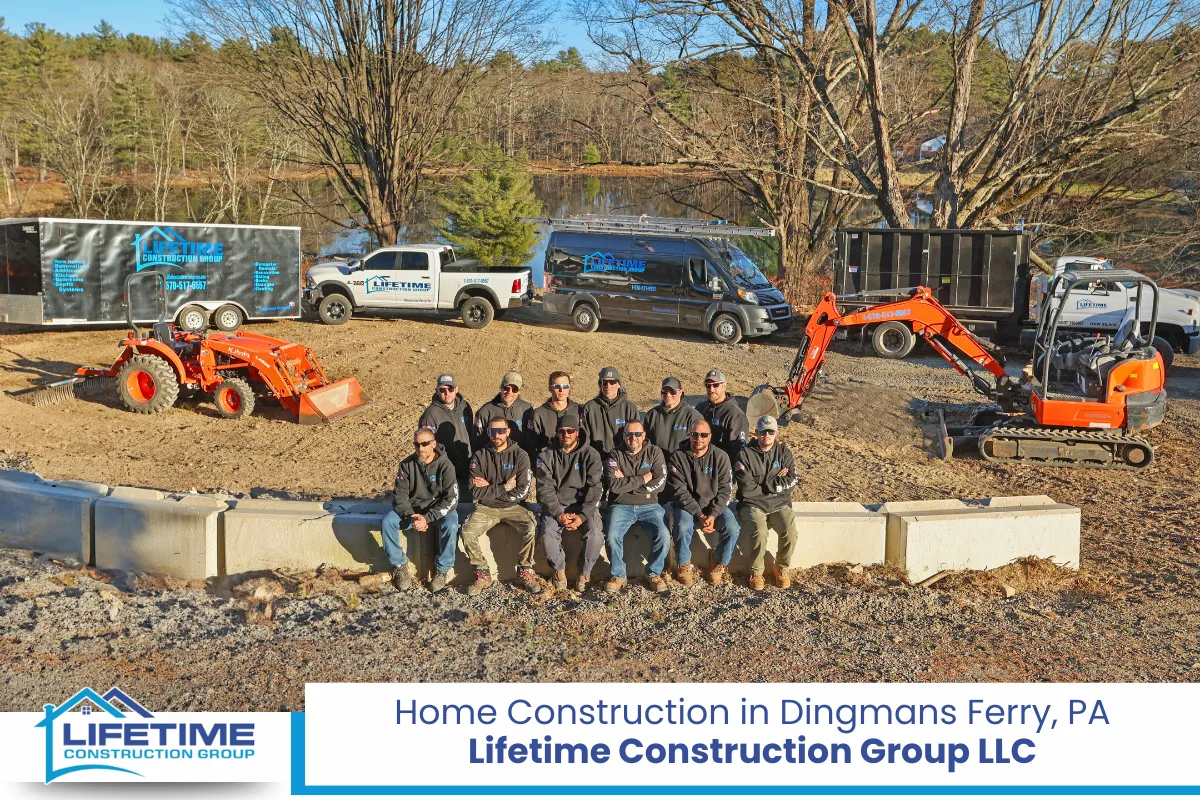
At Lifetime Construction Group LLC, we specialize in home construction right here in Dingmans Ferry, Pennsylvania, and we serve the surrounding communities throughout Pike County. Our team knows the local weather patterns, soil conditions, and permitting process inside and out. We schedule excavation, foundation work, framing, roofing, and finishing phases to match the best time of year for each step so your new home stays on track and on budget.
Whether you are planning a custom build on a wooded hillside or a major home remodeling project on an existing property, we guide you through design choices, budgeting, and realistic timelines from day one. We want you to build with confidence instead of guessing at the calendar.
Ready to talk about your dream home and the ideal season to start building? Call us at (570) 517-6557 or fill out our online contact form. We look forward to making your vision a reality.
Frequently Asked Questions
How far in advance should I hire a builder before I want to break ground in Dingmans Ferry, PA?
Ideally, you should engage a builder six to twelve months before your target groundbreaking date. That window allows time for site evaluation, architectural design, engineering reviews, soil testing, and permit submissions. In Pike County, the UCC permit review alone can take up to 30 business days, and septic or well approvals may add additional weeks. If your lot has steep slopes or sits near a floodplain, environmental reviews extend the timeline further. Seasonal demand also plays a role because builders book up quickly in spring and summer. Reaching out during fall or early winter gives you the best chance of securing a preferred contractor and locking in favorable pricing before the busy season begins.
Can I live in my current house while building a new home nearby?
Yes, and many homeowners in the Dingmans Ferry area choose this approach. Living nearby allows you to visit the construction site regularly, make timely decisions on finishes, and coordinate directly with your builder without the added expense of temporary housing. The key is aligning your closing or sale timeline with the new home’s completion date. Most builders can give you a projected completion window once framing begins, though weather delays in this region can shift dates by several weeks. Having a flexible backup plan, such as a short-term rental or staying with family, reduces stress if the final inspections or certificate of occupancy take longer than expected.
What special considerations apply if my Dingmans Ferry lot is steep or heavily wooded?
Steep and wooded lots are common in Pike County, and they require additional planning. Tree clearing is easiest during leaf-off months in late fall or winter when sight lines are clear and the ground may be frozen enough to support equipment without rutting. Erosion and sedimentation control plans are mandatory, and lots with slopes above 25 to 30 percent face regulatory restrictions on buildable area and grading. Access roads may need to be widened or reinforced for concrete trucks and lumber deliveries. These factors can push your realistic start date later than a flat, open lot because engineering, environmental review, and site preparation demand more time and specialized equipment.
Is it possible to start with a smaller house and plan for future additions?
Absolutely. Designing for phased construction is a practical strategy, especially when budgeting is a concern. The key is working with your architect or builder to ensure the initial foundation, structural framing, roofline, and mechanical systems are sized and positioned to accept future wings, second stories, or finished basements without expensive retrofitting. Plumbing rough-ins, electrical panel capacity, and HVAC ductwork should all anticipate the expansion. This approach lets you move in sooner with a smaller footprint and spread the total investment across years or even decades, building out as your family, lifestyle, or finances evolve.
How do utility connections and septic systems impact my construction schedule?
Utility and septic work can be a scheduling bottleneck if not addressed early. Well drilling is generally possible year-round in Pike County, but frozen ground in winter may slow the process and increase costs. Septic system installation requires completed soil testing and approved sewage planning modules from the Pike County Health Department, which can take several weeks. The physical installation of a septic system is best done when the ground is dry and unfrozen, typically late spring through early fall. Electrical service connections require coordination with your utility provider, and lead times vary. Scheduling these elements early in the planning phase prevents them from holding up framing, rough-ins, or final inspections later in the build.
Disclaimer
This article provides general informational guidance on timing home construction in Dingmans Ferry, Pennsylvania. Readers should confirm specific requirements, local laws, codes, and timelines with Pike County officials and qualified professionals before starting any project.
Read 5 Signs Your Roof Needs Replacement: Advice From a Dingmans Ferry Roofing Contractor