
Comfortable Seasonal Living: Why Dingmans Ferry Homes Benefit Most
Hiring a three season room builder is one of the most practical decisions a Dingmans Ferry homeowner can make. You bought your home for the views, the trees, the quiet mornings, but how many months do you actually get to enjoy them outside? Bugs swarm by June. Rain rolls in without warning. By late September, evenings drop into the forties, pushing you back indoors far too early. That is the frustration: a beautiful setting you can only use part-time. Three-season rooms extend outdoor living to spring and fall, turning a short window of comfort into six or seven usable months. In the sections ahead, you will find detailed benefits, a side-by-side look at three versus four season rooms, planning advice, material breakdowns, and how a professional construction company helps you navigate local codes and design so nothing gets left to chance.
Key Takeaways
- A three season room adds bright, flexible living space from late spring through fall without the full cost of a four season room, making it one of the smartest home improvements for Dingmans Ferry homeowners.
- Quality insulated glass, durable construction materials, and proper permitting are non-negotiable in Pennsylvania, where unpredictable weather and local building codes demand careful planning.
- Three season rooms are ideal for enjoying outdoor views, entertaining friends and family, and relaxing while staying protected from bugs, rain, and chilly evening breezes.
- This guide compares key differences between three and four season options so homeowners can choose wisely based on budget, lifestyle, and seasonal use.
- A qualified general contractor familiar with Dingmans Ferry can integrate the new space seamlessly with the existing house, handling everything from foundation depth to roof tie-ins.
What Exactly Is a Three-Season Room in Pennsylvania Homes?
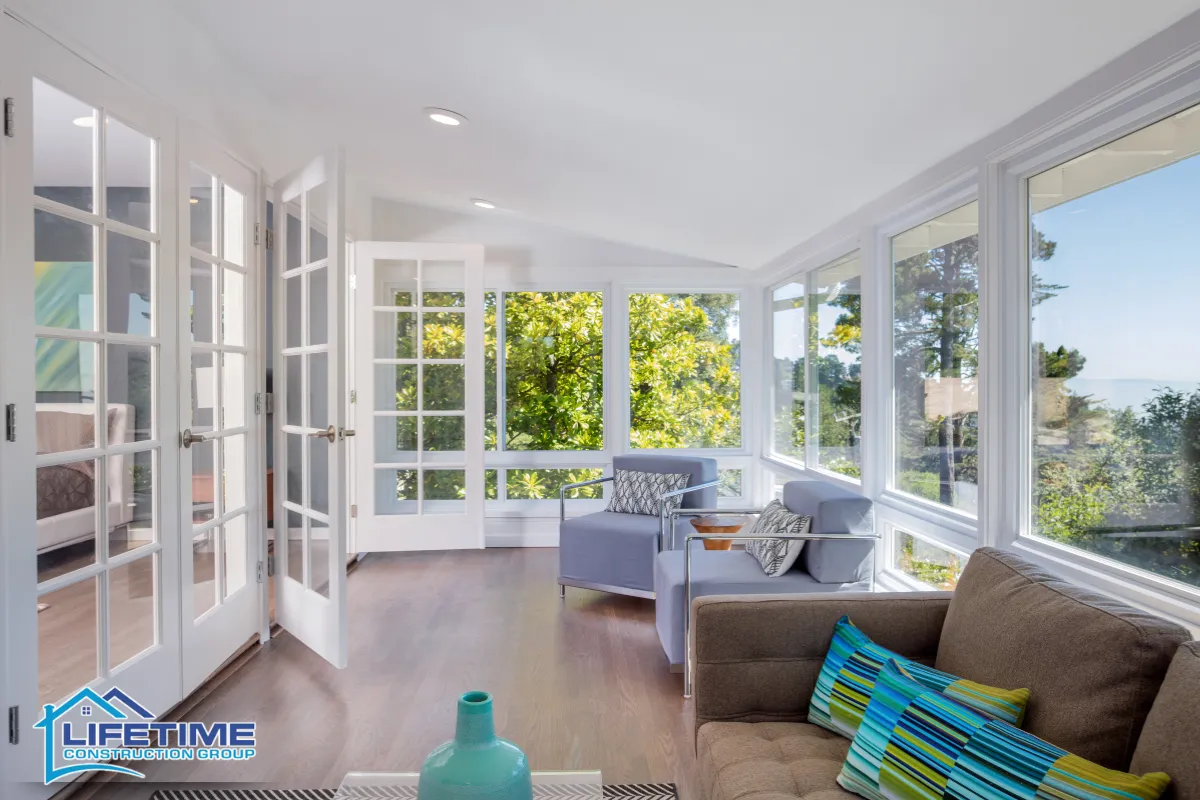
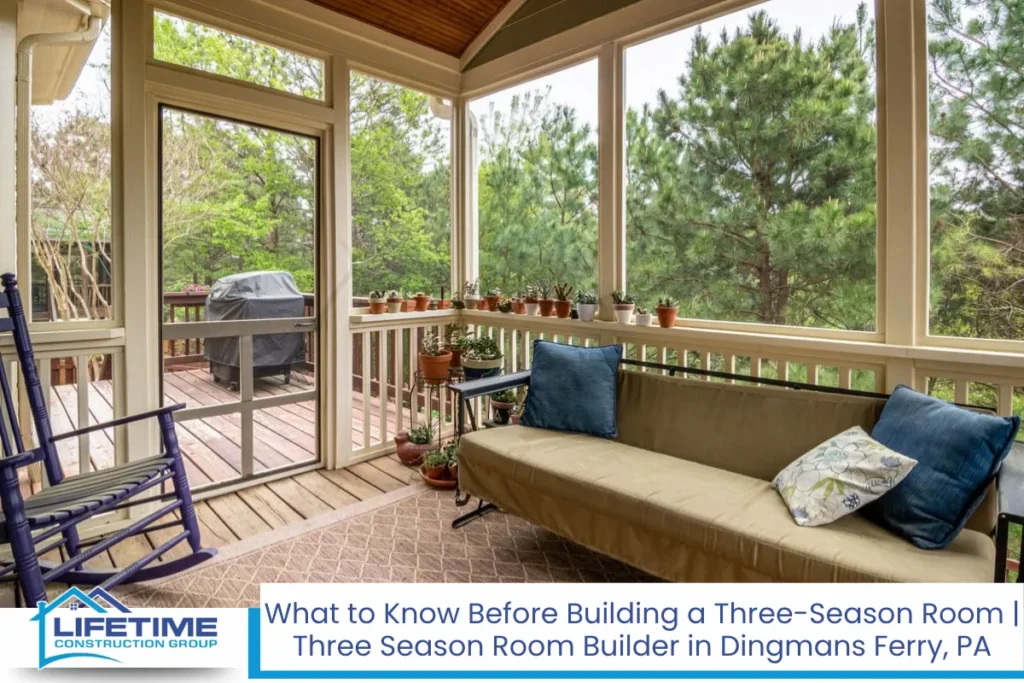
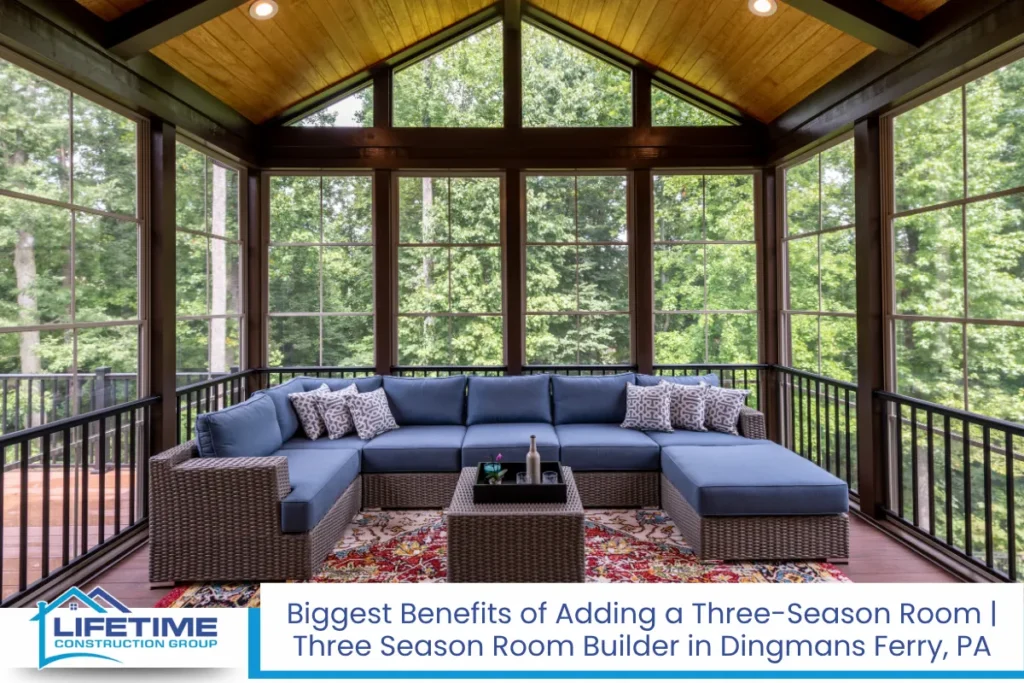
A three season room is an enclosed space with a roof, walls, and large windows or glass panels designed for use during spring, summer, and fall. In Dingmans Ferry’s climate, that typically means comfortable use from early April through mid-October. The room connects to your house through an existing door or new opening but does not rely on permanent heating or cooling.
Typical features include:
- Large window walls or floor-to-ceiling glass for maximum natural light
- Screened openings or operable windows for ventilation
- A roof tied into the existing structure
- No full-time climate control integration
A three season room differs from an open deck or a basic screen room because it has glass panels that close against rain, wind, and cooler temperatures. It also differs from a fully conditioned four season room because a three season room lacks thermal engineering for winter use. Three season rooms are suitable for spring through fall usage, and they provide a bug-free space for relaxation and gatherings throughout the warmer months and into cooler months.
Common uses include a morning coffee retreat, casual dining area, reading nook, kids’ playroom, or space for hosting guests. All designs must respect local building codes and zoning in Dingmans Ferry, including structural load capacity and safety glazing requirements where applicable.
Comparing Three Season vs Four Season Rooms: Key Differences That Matter
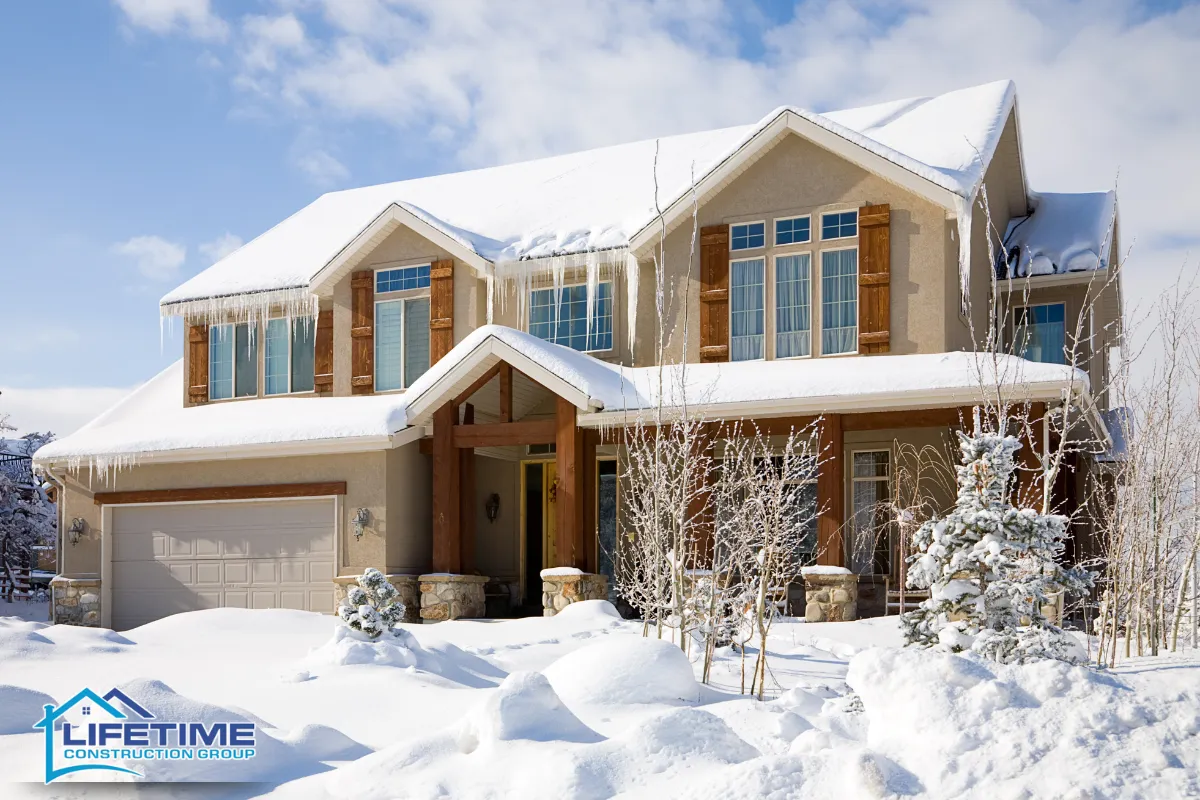
Many homeowners ask about the main difference between a three season porch and a four season room before committing. Here is a straightforward breakdown.
| Feature | Three Season Room | Four Season Room |
|---|---|---|
| Insulation | Minimal or none | Fully insulated walls, ceiling, floor |
| Glass | Often single pane glass | Double pane insulated glass standard |
| Heating and Cooling | None built in; portable options only | Connected to home’s HVAC systems |
| Usability | Spring, summer, and fall | Year round regardless of weather |
| Foundation | May use existing slab or footings | Requires frost-protected, code-compliant foundation |
| Cost | Lower | Significantly higher |
A four season room includes insulated walls and double pane glass, and it connects to the home’s HVAC system for climate control. That means it can be used year round, and it adds livable square footage to your home. Adding a four season room can increase assessed property value, making it appealing for homeowners who want heated indoor living space all winter months.
However, many homeowners opt for the three season route because the cost difference is substantial, and the Dingmans Ferry lifestyle already revolves around milder months. If you primarily want to enjoy nature during spring summer and fall without full year round usability, a three season sunroom delivers outstanding value. When deciding, think about how often you would actually use the space in winter versus the extra investment required for year round comfort.
Expanded Living Space Without a Full Addition
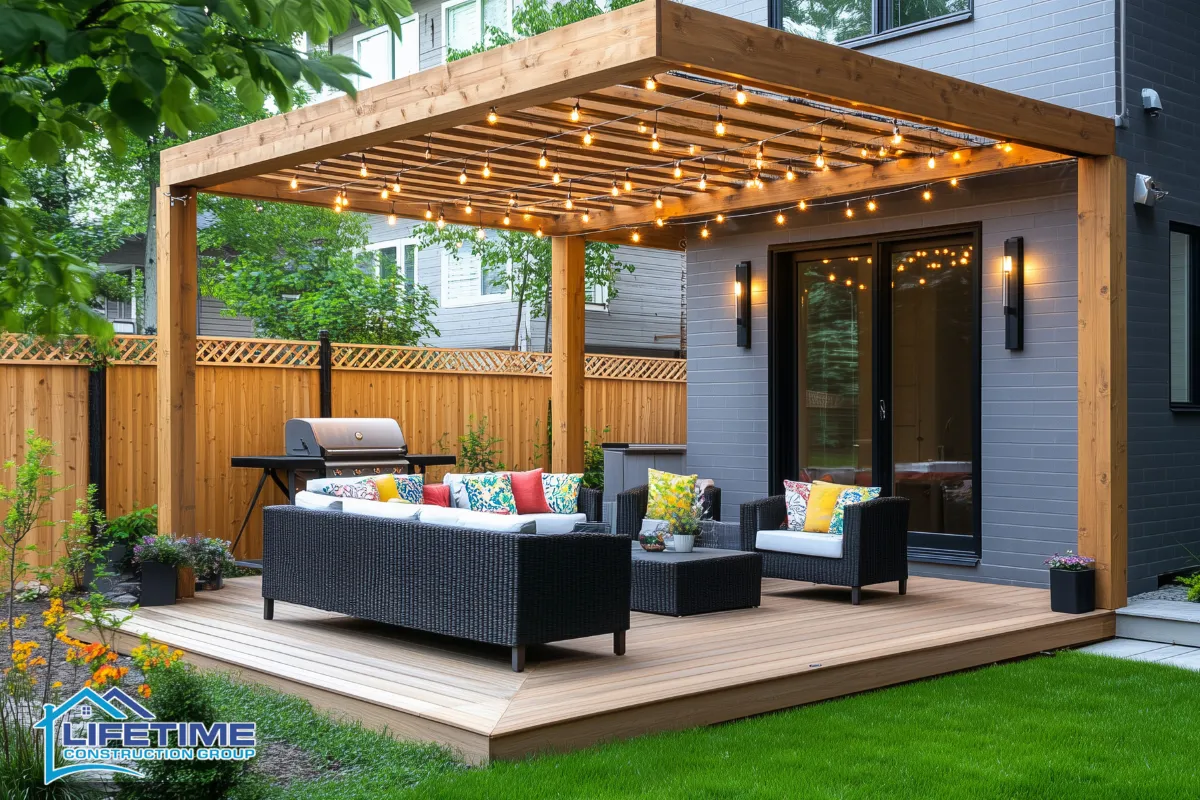
One of the most compelling reasons to build a three season room is the dramatic expansion of your functional living area. You gain a versatile space that works as a family room extension, a dining area, a home office niche, or an exercise corner with sweeping outdoor views, all for significantly less than a full home addition.
Homeowners in Dingmans Ferry often start with an existing deck, patio, or concrete slab and convert it into an enclosed porch that feels like a natural extension of their home. A properly designed three-season space can be comfortable from early April through late October, which effectively doubles the time you spend time outdoors compared to using an open deck alone.
Three-season rooms also allow for year-round furniture use without damage because the enclosed environment protects furnishings from direct rain, heavy dew, and harsh sun exposure. You do not need to haul cushions inside every night or cover tables before each storm. That alone makes a meaningful lifestyle difference.
Thoughtful layout planning ensures traffic flow between the kitchen, yard, and new living space feels natural rather than awkward. When the room type performs as a true bridge between indoor living and the outdoors, it quickly becomes the most-used space in the house.
Read What to Know Before Building a Three-Season Room | Three Season Room Builder in Dingmans Ferry, PA
Construction Materials, Frames, and Glass: Building for Durability
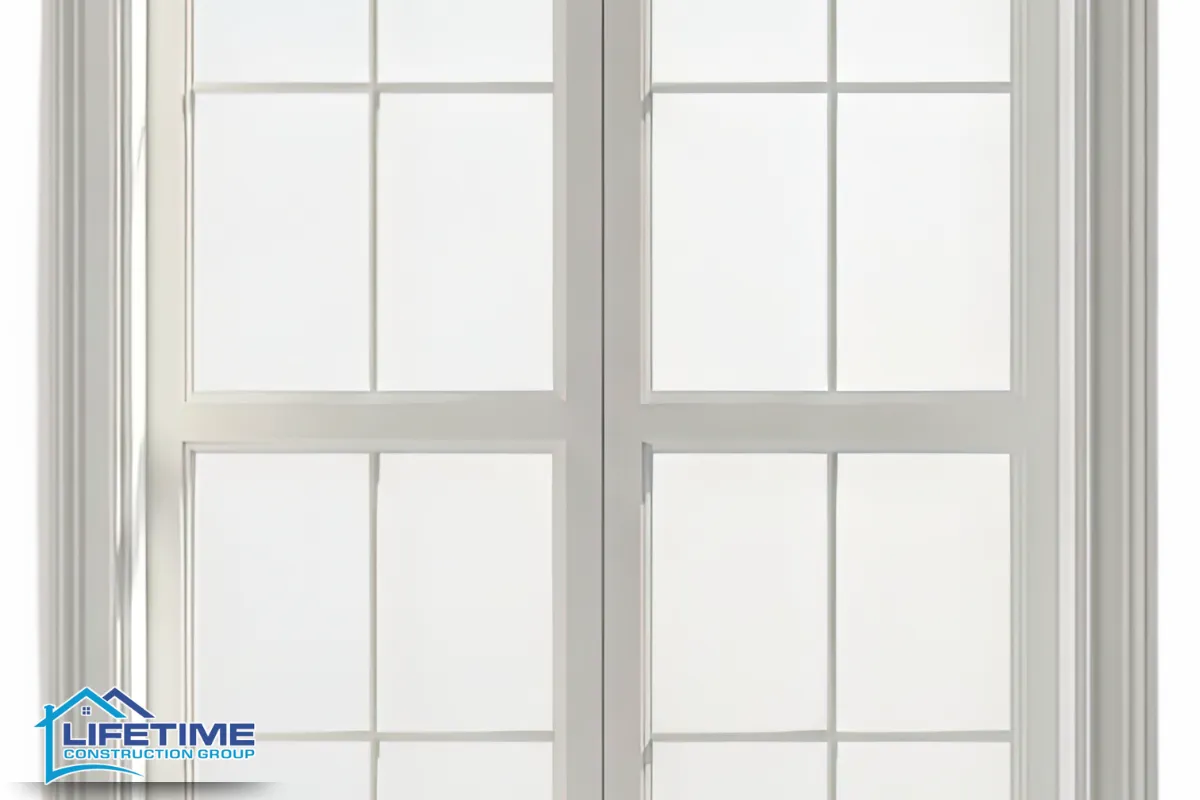
Choosing the right construction materials is critical in Pennsylvania’s varied weather conditions. Rain, wind, humidity, and seasonal temperature swings all take a toll on lesser builds.
Poconos winters require durable framing to withstand heavy snow loads, even on a room designed primarily for seasonal use. Two common framing options include:
- Extruded aluminum or thermally engineered aluminum: Lightweight, low maintenance, and resistant to rust. Available in multiple frame colors and finishes that coordinate with existing siding and trim.
- Wood framing: Offers warmth and traditional aesthetics but demands periodic finishing and attention to moisture management.
For glass, three season rooms typically use single pane glass for windows to keep costs manageable. However, upgrading to double pane insulated glass makes sense when you want better noise reduction, added comfort during shoulder seasons, and improved energy efficiency in the wall separating the room from conditioned space.
Sliding glass doors are a popular choice for entry into the yard, offering easy access and generous light. Safety glazing meeting ANSI Z-97 standards is required on all glass panels near doors and in locations where someone could mistake a fixed panel for an opening.
A knowledgeable three season room contractor will size beams, posts, and connections to meet local structural requirements and manufacturer specifications, ensuring the room stands up to decades of Pennsylvania weather.
Climate Control, Comfort, and Seasonal Flexibility
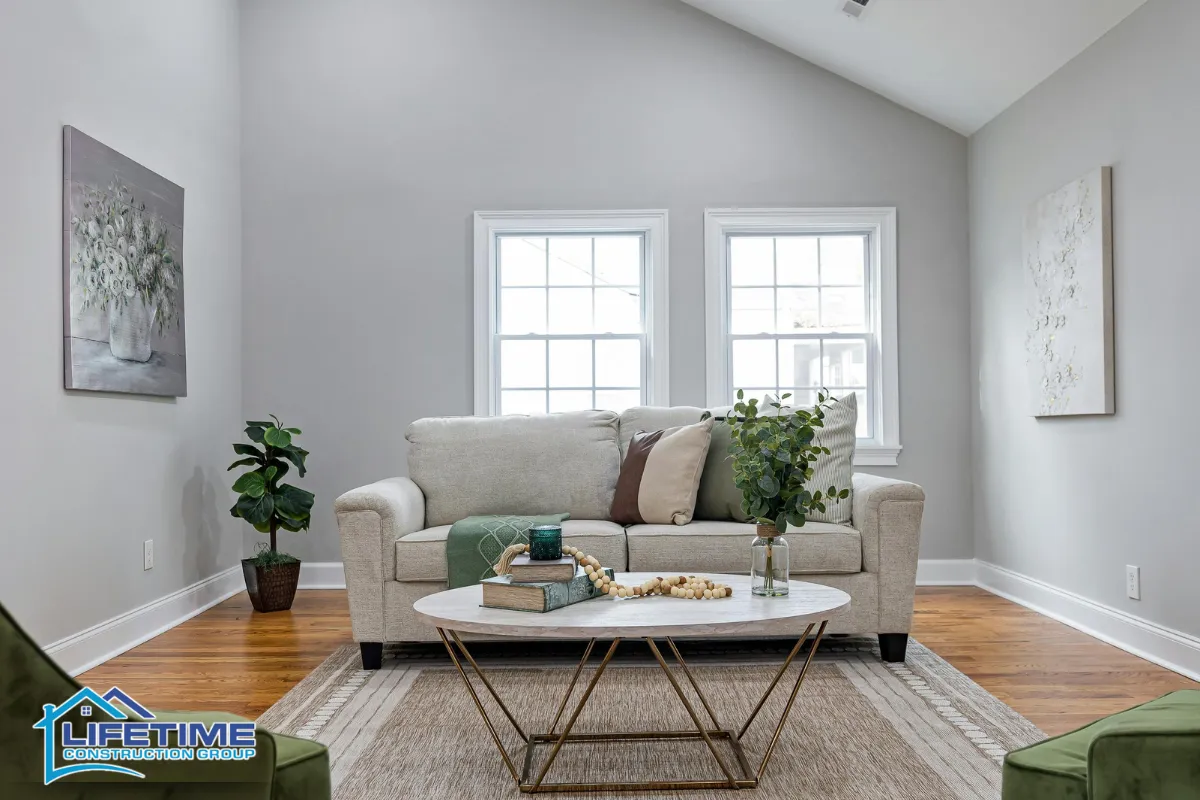
Three season rooms balance openness and comfort through a combination of screened openings, operable windows, and design strategies rather than mechanical systems. A ceiling fan keeps air moving during humid summer days. On cooler evenings in late spring or early fall, a portable space heater can take the edge off without requiring ductwork or electrical panel upgrades.
Full HVAC integration typically defines a four season room. But a three season room can still achieve effective climate control during shoulder seasons with a few smart approaches:
- Orient the room to capture prevailing breezes and morning sun while using overhangs to block intense afternoon heat
- Use quality door seals and tight installation to reduce drafts
- Consider heavy curtains or insulated shades that can be drawn on cool nights, offering protection from temperature drops
Much of northeastern Pennsylvania, including areas like Brodheadsville, has a humid continental climate with a range of seasonal weather, so designing for both heat and chill matters. Insulated glass and weatherstripping go a long way toward extending usable months without converting the room into a full four season build.
Any electrical additions, including outlets, lighting, or heater circuits, must comply with applicable codes in Dingmans Ferry. Licensed trades should always handle wiring.
Cost, Value, and Return on Investment for Dingmans Ferry Homeowners

Three-season rooms cost less than four-season rooms by a wide margin. In Pennsylvania, typical costs range from roughly $76 to $150 per square foot depending on materials, size, and site complexity. A mid-size three season room generally falls between $15,000 and $50,000, while four season rooms with insulation, better insulation details, and HVAC connections can run $45,000 to well over $100,000.
Three-season rooms require fewer materials than four-season rooms, and single pane glass keeps material costs lower as well. Construction of a three-season room is also quicker than a four-season room, which means reduced labor expenses.
Major cost drivers include:
- Room size and foundation type
- Glass upgrades such as double pane or low-E coatings
- Roof tie-in complexity
- Interior finishes like flooring, lighting, and trim
- Financing options and payment structure
From a value standpoint, three-season rooms can yield around a 50 percent return on investment. They are more affordable than full sunrooms or four-season rooms, and while they may not add formally heated square footage, they enhance curb appeal for potential buyers and signal a well-maintained, livable property. Local real estate trends favor homes with additional living spaces, so the lifestyle appeal translates into competitive resale benefits.
Adding a four season room can increase assessed property value more directly, but the higher upfront cost means longer payback periods. For homeowners focused on home improvement goals that balance enjoyment and budget, the three season option consistently delivers strong lifestyle ROI.
Design and Customization: Tailoring Your Three-Season Room
Design options range from simple window configurations and a flat shed roof to more elaborate gable roof lines, French doors, and custom trim details that mirror the existing home architecture.
Customization choices to consider:
- Flooring rated for seasonal temperature changes, such as tile, luxury vinyl plank, or sealed concrete
- Lighting placement and ceiling fan locations for evening use
- Window and door styles including sliding panels, casement windows, or folding glass walls
- Optional upgrades like higher-performance insulated glass, integrated shades for UV protection, or skylights
Think about how the room will function day to day. A quiet retreat needs different furniture layout and lighting than a space designed for large family dinners. Homeowners who plan to entertain should consider traffic flow between the kitchen and the new room, while those seeking a reading nook may prioritize a quieter corner orientation.
A skilled construction company will help align design with zoning limits, lot lines, and any neighborhood aesthetic expectations so the sunroom addition blends naturally with your home’s appeal.
Permits, Codes, and Site Conditions in Dingmans Ferry, Pennsylvania

Permits are typically required for building additions in Pennsylvania. Under the state’s Uniform Construction Code, any structural addition to a residence, including a three season room, will almost always need a building permit and inspections to verify structural safety and compliance.
Key code considerations for Dingmans Ferry projects:
- Snow load design for roofs, especially critical in the Poconos region
- Safety glazing near doors, low panels, and any glass that could be mistaken for an exit
- Foundation footings extending below the local frost line (minimum 42 to 48 inches deep in Pike County to prevent frost heave)
- Guard or railing requirements for elevated structures
- When creating a conditioned barrier or altering the thermal envelope, insulation minimums apply under the PA UCC / IECC for Climate Zone 5A (such as R-49 to R-60 for ceilings and R-20 or equivalent thermal performance for walls)
Site conditions like existing deck structure, slopes, drainage patterns, and soil bearing capacity all affect foundation choices. An existing deck may not have footings deep enough to support an enclosed room, which means new piers or a continuous footer may be necessary.
Regular inspections maximize durability of three season rooms and ensure that the permitting process goes smoothly from start to finish. Cutting corners on permits or structure can impact insurance coverage, complicate future resale, and undermine the long-term performance of the room.
Planning Your Project: From Idea to Finished Three-Season Room

A well-organized project follows a logical sequence:
- Define your vision, budget, and how the room fits your home improvement goals
- Evaluate the site with your contractor, measuring existing patios or decks and reviewing structural conditions
- Develop concept design and select materials, glass type, and finishes
- Submit permit drawings and navigate the permitting process with your local township
- Construction phase, including foundation, framing, roofing, glazing, and trim
- Final walkthrough and inspection sign-off
Early discussions about electrical needs, lighting, and potential future upgrades, such as later adding insulation or converting closer to a four season design, prevent costly rework. Ask your contractor about more posts or structural provisions that make future modifications simpler.
Choosing a licensed general contractor with specific experience in sunrooms and three season rooms is important. Not every builder understands the nuances of glazing systems, flashing details, and code requirements unique to this room type.
Clear communication on schedule, materials, and weather contingencies helps projects in Dingmans Ferry stay on track. Expect the permitting process to take several weeks, and plan construction starts accordingly to take advantage of favorable weather.
Three Season Room Builder in Dingmans Ferry, PA – Lifetime Construction Group LLC
At Lifetime Construction Group LLC, we specialize in designing and building three season rooms for homeowners throughout Dingmans Ferry, Pennsylvania and the surrounding areas. As a local construction company and general contractor, we understand the specific code requirements, weather patterns, and site challenges that come with building in the Poconos region.
We handle every phase of your project, from initial design concepts and permit submissions to framing, roofing integration, and quality insulated glass installation. Our team works closely with you to match your vision and budget while making sure the finished room meets all structural and safety standards.
If you have been thinking about adding a three season room to your home, we would love to talk through the possibilities. Call us at (570) 517-6557 or fill out our contact form to schedule a consultation and get a detailed estimate. Let Lifetime Construction Group LLC turn your outdoor space into the room you will use for years to come.
Frequently Asked Questions
How long does it typically take to build a three-season room in Dingmans Ferry?
Most straightforward three-season room projects take between two and four weeks of active construction time once permits are approved and materials arrive on site. However, the full timeline from contract signing to completion is often six to ten weeks when you factor in permit review, material lead times, and potential weather delays. Custom designs involving complex roof tie-ins, new foundations, or specialized window orders can extend the schedule further, particularly during peak building seasons when suppliers face backlogs. Ask your contractor for a written schedule with milestones and regular communication checkpoints. Experienced builders plan around Pennsylvania’s rain patterns and frozen ground conditions to minimize disruption and keep your project moving.
What kind of furniture and finishes work best in a three-season room?
Furniture should tolerate temperature swings and some humidity since the room is not fully conditioned. Outdoor-rated or sunroom-specific pieces made from treated wicker, powder-coated metal, or high-density polyethylene hold up best. Performance fabrics resist fading from sunlight streaming through large windows. For flooring, tile, luxury vinyl plank, or sealed concrete handle seasonal temperature changes far better than traditional hardwood. Rugs and textiles that wash easily help manage pollen and moisture during seasonal transitions. Because three-season rooms allow for year-round furniture use without damage from direct rain or heavy dew, you can invest in comfortable pieces that would not survive on an open deck but thrive in this protected setting.
Can a three-season room be upgraded later for more cold-weather use?
Yes, and planning ahead makes it significantly easier. Realistic upgrades include improved weatherstripping, replacing single pane windows with higher-performance insulated glass, or installing a supplemental electric heater. Converting fully to a four season room is more involved, potentially requiring adding insulation to walls and ceiling, addressing thermal breaks in framing, and evaluating whether the foundation and structure can support HVAC changes. Any major modifications still need to meet local codes and energy standards. Discuss your long-term goals during the initial design stage so your contractor can build in flexibility, such as deeper wall cavities or pre-run electrical conduit, that reduces rework and cost down the road.
How do three-season rooms affect natural light in nearby interior rooms?
Adding a three-season room can change how sunlight enters adjoining spaces, sometimes positively, sometimes not. A room with generous glass areas and lighter frame colors reflects and transmits more daylight into the adjacent family room or kitchen, making those spaces feel brighter. However, if the roof pitch blocks a window that previously received direct sun, you could notice a reduction. Thoughtful design that considers sun paths throughout the year avoids unexpected dark spots. Larger interior openings between the home and the new room, such as wide sliding glass doors or French doors, help daylight flow freely. When planned carefully, a three-season room often becomes the brightest area of the home.
What kind of maintenance does a three-season room require over time?
Three season rooms typically last well with minimal intervention, but routine care keeps them performing at their best. Cleaning glass and frames prevents seasonal debris buildup, especially after pollen season and fall leaf drop. Screens may need replacement over time due to wear, pets, or storm damage, so inspect them each spring. Check for mold during humid summer months for longevity, paying attention to corners, sills, and any areas where moisture could collect. Schedule seasonal checks of roof connections, gutters, and flashing where the new structure meets the existing home. Aluminum or thermally engineered framing reduces painting needs, while wood elements require periodic finishing. Regular inspections after severe storms catch minor issues before they become expensive repairs.
Disclaimer: This article provides general information on three-season rooms in Dingmans Ferry, Pennsylvania and is not legal, code, or engineering advice. Always consult local building officials and qualified professionals before starting construction on your property.
Read How Roofers Avoid Hidden Costs Like Scaffolding or Insulation in Dingmans Ferry, PA