

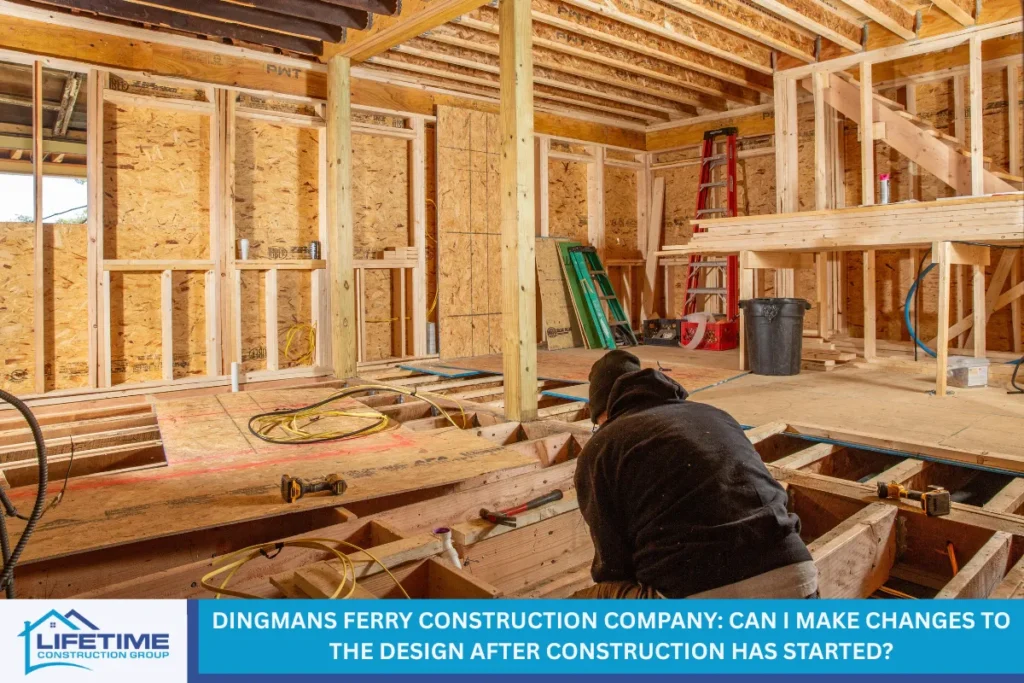
Working with a construction company on your project can be an exciting yet overwhelming experience. One of the most common questions asked by property owners is whether changes can be made to the design once construction has started. In Dingmans Ferry, like in many other areas, the ability to modify a construction project after work has begun depends on various factors. Understanding these factors can help you manage your expectations and make informed decisions.
The Significance of Design Plans in Construction
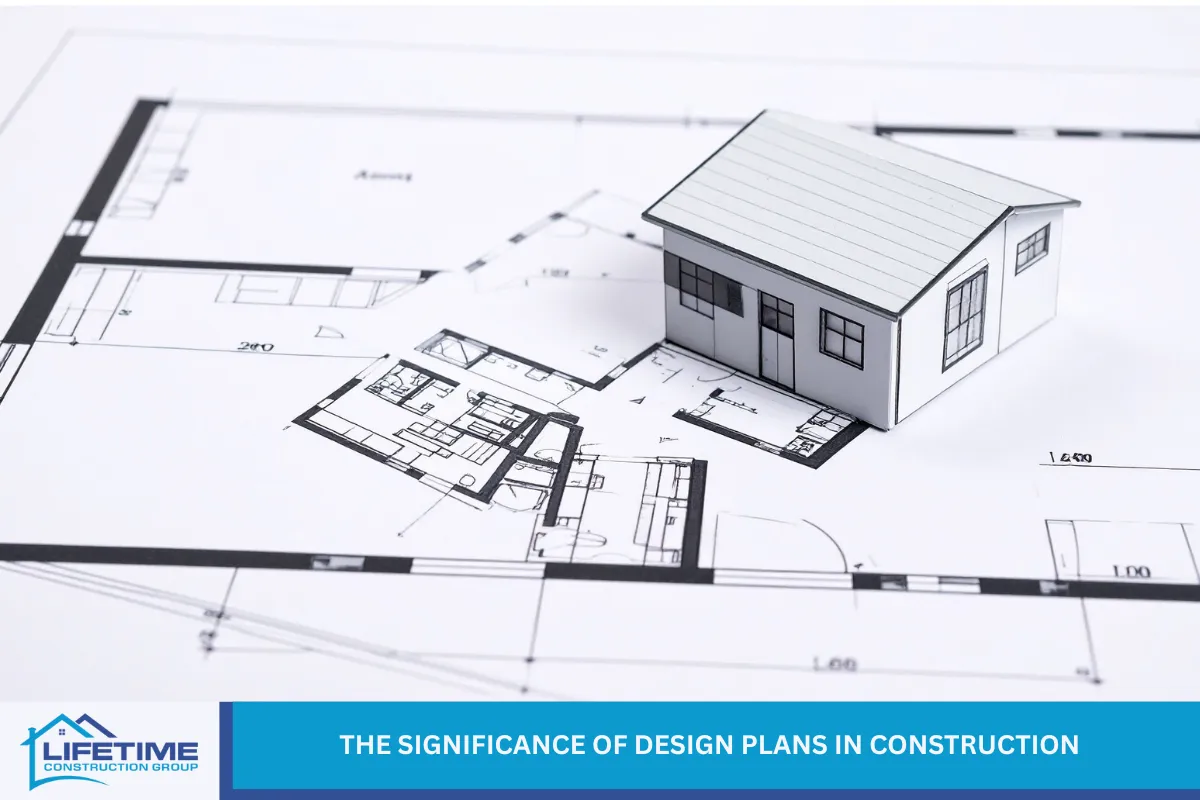
In any construction project, design plans are essential documents that guide the entire building process. These plans are not just blueprints—they are detailed instructions that ensure the project is completed according to specific requirements, including zoning laws, structural integrity, and functionality. Architects and engineers carefully craft the design to ensure that the building is both safe and practical, aligning with the client’s vision.
Why Initial Design Plans Are Important
The construction process is highly structured. The design plan dictates everything from the building’s layout to the type of materials used. When a construction company begins work, it relies heavily on these plans to create the structure. In Dingmans Ferry, these plans are often required to comply with local building codes and regulations. Without following the established design, the project could face delays, cost overruns, and even legal complications.
Furthermore, any changes made to the design after construction has started can alter the building’s overall safety and functionality. For this reason, it’s important to carefully evaluate whether any proposed changes will impact the project’s progress.
Can You Make Changes to the Design After Construction Has Started?
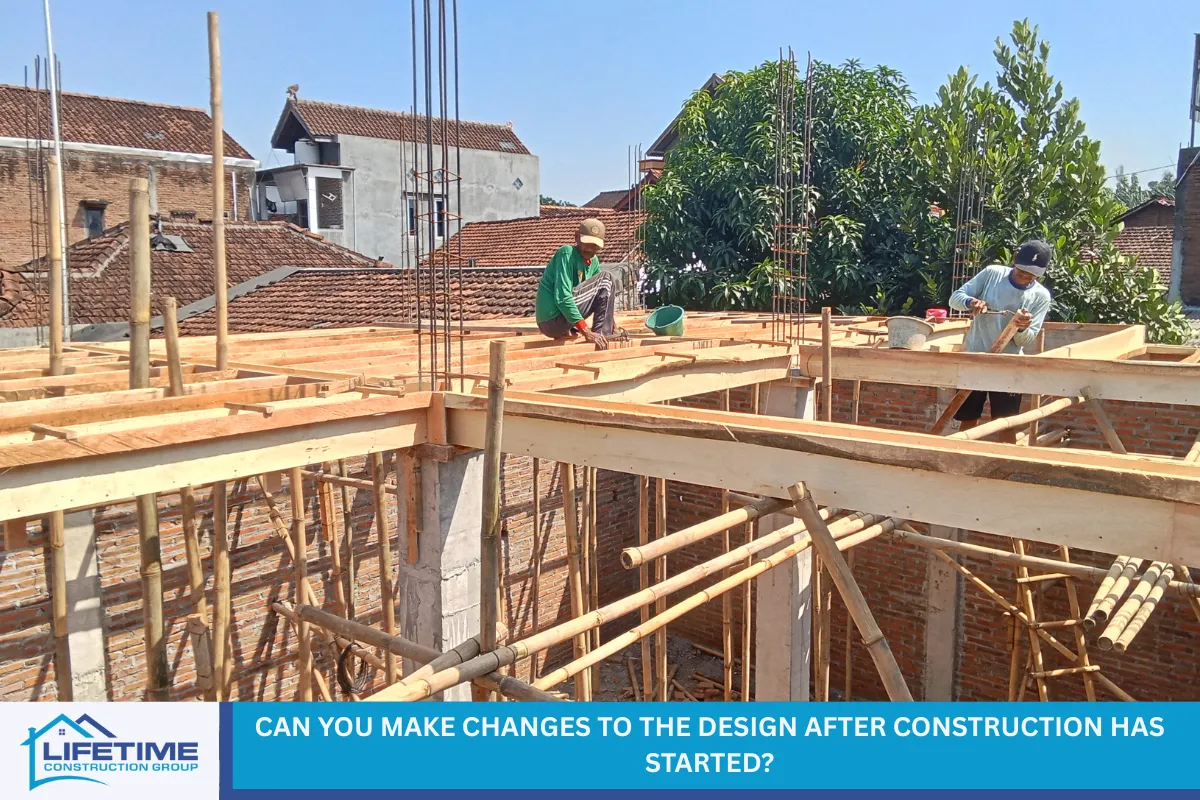
Yes, changes can be made to a project after construction begins, but this process is far from simple. It’s essential to recognize that the complexity and feasibility of making modifications depend on several factors, including the stage of construction, the type of change, and local regulations.
The Timing of Changes Matters
One of the key elements that affects the ability to make changes is the stage of construction. At the early stages, changes are often easier to make, especially before significant work has been done, such as laying the foundation or framing the structure. At this point, modifications may only require minor adjustments to plans or materials.
However, the later the changes are requested, the more complicated and costly they become. Once major components, such as the foundation, structural elements, or roof, are in place, alterations can disrupt the construction schedule and increase costs. Major structural changes often necessitate significant rework and may require the acquisition of new permits or additional inspections.
Types of Changes You Can Request
The type of change you wish to make will also affect the feasibility of implementing it during construction. Simple changes, like moving an interior wall, changing paint colors, or adjusting the positioning of windows and doors, are generally easier to accommodate. However, these minor changes can still affect other aspects of the project, such as the budget, timeline, and permits.
On the other hand, changes to the structure, such as altering the building’s foundation, modifying the exterior design, or updating plumbing or electrical systems, can be significantly more complex. These types of changes often require thorough planning. They may necessitate consultation with engineers, architects, and local authorities to ensure compliance with relevant regulations.
Legal and Regulatory Considerations
In Dingmans Ferry, like in most areas, construction projects are governed by local zoning laws, building codes, and regulations. Suppose the proposed changes significantly impact the original design. In that case, you may need to reapply for building permits or obtain approval from local authorities. This can further delay the project, incur additional costs, and necessitate further inspections or documentation.
Your construction company will typically handle this process; however, it’s crucial to understand that major design modifications could introduce legal and regulatory hurdles that may not have been anticipated when the project first began.
How Design Changes Impact the Project’s Budget and Timeline
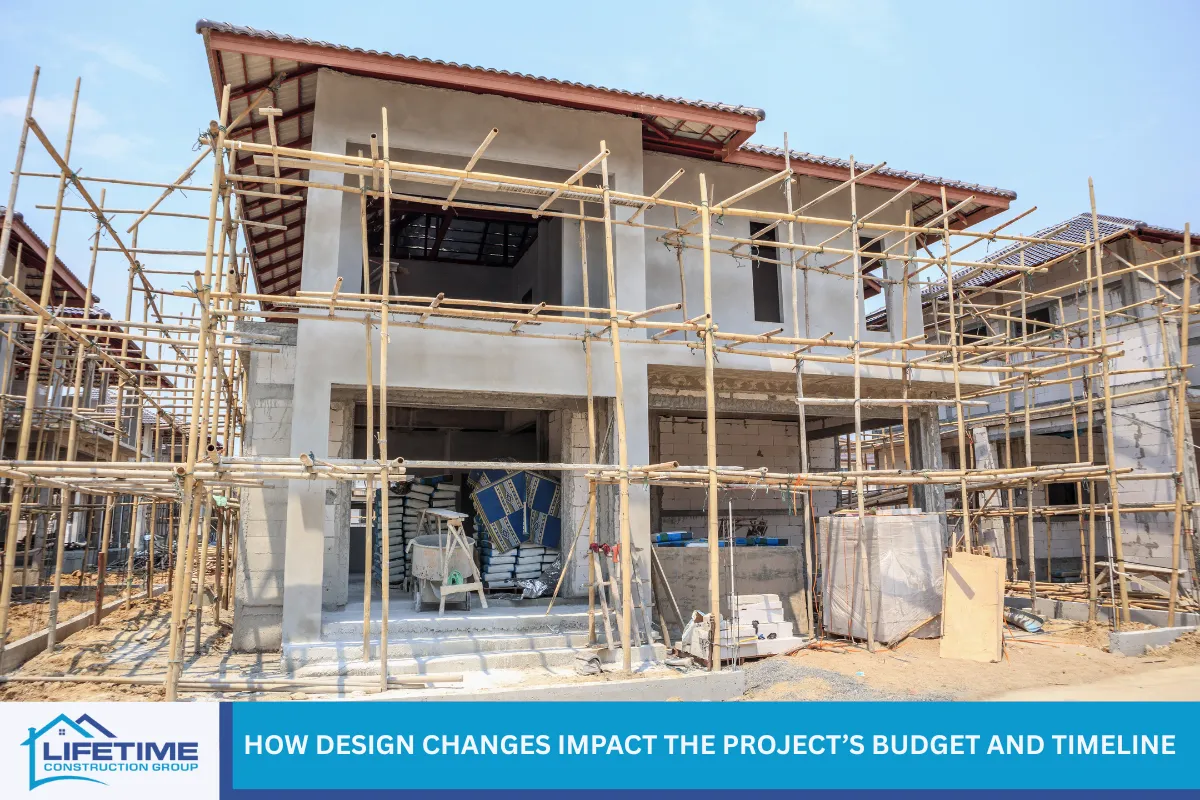
Once a design change is requested, it will have a direct effect on both the project’s timeline and budget. Even if the change seems minor, the construction company may need to account for new materials, labor costs, or additional equipment. The more changes you request, the more the budget will likely increase.
Budget Impact of Design Changes
Changes to the design often lead to increased costs. This is because new materials, additional labor, and updated plans can add unexpected expenses. If the change requires reworking certain aspects of the building’s structure, the cost could escalate significantly. Always discuss the potential costs with your construction company in advance to avoid unexpected fees.
Timeline Delays Due to Modifications
Even simple changes can delay the project timeline. Adjustments to the layout, materials, or structure may require additional work, permits, and inspections. If the construction company is working within a tight schedule, making changes mid-project can lead to significant delays. It’s essential to strike a balance between your desire for change and the realistic expectations of when the project can be completed.
How to Work With Your Construction Company on Design Changes

Effective communication with your construction company is essential when making changes to the design during the construction process. Clear communication ensures that everyone involved understands the impact of the changes and works together to make them feasible.
Steps to Take When Requesting Changes
- Notify Your Construction Company Early: The sooner you communicate your desired changes, the more time the construction company will have to accommodate them. Early notification allows the team to adjust schedules, order materials, and make other necessary preparations.
- Discuss the Feasibility: Be open with your contractor about the changes you want to make and ask them for feedback. They can offer insights into the practicality of the changes and explain any potential issues, such as cost increases or delays.
- Review and Amend the Contract: If the design change is significant, the construction company may need to update the contract to reflect the new scope of work. Ensure that any changes are documented and signed off by both parties to prevent future confusion.
Managing Design Changes Effectively

When considering changes to the design of your project after construction has begun, it’s important to weigh the benefits against the potential drawbacks. While making modifications can result in a final product that better suits your needs, these changes can also lead to unforeseen costs and delays.
As a property owner, clear communication with your construction company is key to ensuring that any adjustments are feasible and aligned with your goals. By understanding the process and its implications, you can make informed decisions that ensure your construction project progresses smoothly and successfully.
Dingmans Ferry Construction Company – Lifetime Construction Group LLC
Lifetime Construction Group LLC is a trusted and reliable construction company serving Dingmans Ferry. Specializing in roofing, siding installation, septic systems, garage construction, and more, we provide exceptional craftsmanship and personalized service for all your residential and commercial construction needs.
Our team is committed to delivering high-quality results that consistently exceed expectations. With a commitment to using durable materials and providing expert services, we ensure every project is completed to the highest standards. Call us today at (570) 517-6557 and let’s discuss how we can bring your project to life!
FAQ: Can I Make Changes to the Design After Construction Has Started?
How do change orders work during construction?
A change order is a formal document used in the building process to authorize alterations to the original floor plans or construction schedule. When clients request design changes after work has started, they typically need to submit a change order form. This can be triggered by client requests such as altering home designs, material substitutions, or even making structural changes. The general contractors, job site managers, or design-build firms involved in the project will assess the impact on cost and time. Suppose the modification affects critical aspects of the structure or structural support. In that case, it might require adjustments to the structural frame or new permit processes. The goal is to ensure that these adjustments do not compromise the building’s integrity, meet code requirements, and stay aligned with the construction schedule.
Key Aspects:
- Change orders help manage special requests.
- They provide clarity in project management for both the construction team and clients.
- The building process is adjusted based on the changes.
What impacts the cost and time of design changes?
Design changes during the build phase often come with both cost and time implications. The extent of these implications depends on various factors, including site conditions, the design phase, and whether the requested changes involve structural changes or simple aesthetic adjustments. Significant alterations to the home building project, like custom home design changes, often require modifications to the structural support or a new structural frame. Additionally, material substitutions or special requests may need to be sourced or fabricated, which can extend the timeline. The trade contractors involved in the project may need extra time to accommodate these changes. A change order form helps the construction company determine how these adjustments will affect the overall project. It’s crucial to review the scope and cost of these changes with your general contractors to make informed decisions.
Factors Affecting Cost and Time:
- Client requests aesthetic or functional changes.
- Alterations affecting permit processes or structural changes.
- Construction schedules are adjusted according to the complexity of the changes.
What role do home builders and general contractors play in design changes?
Home builders and general contractors play a crucial role when clients request design changes after construction has begun. These professionals manage all aspects of the building process, ensuring that the construction schedule is adhered to while accommodating client requests. When significant structural changes or custom home design alterations are requested, job site managers and trade contractors are brought in to assess feasibility. General contractors are responsible for overseeing the entire design-build process, coordinating with trade contractors, and ensuring that any design changes comply with code requirements. They also handle the administrative aspects, including change orders, material substitutions, and ensuring the site conditions are suitable for the new design. With their expertise, they ensure that the changes are executed correctly without compromising safety or quality.
Key Responsibilities:
- Manage client requests and integrate changes into the project as needed.
- Supervise trade contractors and job site managers.
- Ensure compliance with code requirements and permit processes.
Can design changes affect the structural integrity of the building?
Yes, design changes can impact the structural integrity of a building, especially when they involve modifications to key components, such as the structural frame or foundation. Changes made during the build phase, such as altering load-bearing walls or adding new openings, must be carefully assessed by engineers or architects to ensure that the changes do not compromise the structure’s safety. For instance, repositioning a wall or changing the floor plan can significantly alter the distribution of weight across the building. It’s essential to involve general contractors and trade contractors to conduct a detailed evaluation of how these modifications affect the building’s foundation, roof, and other structural elements. If necessary, code requirements must be met, and additional permit processes may be required to ensure the building remains safe and compliant with all relevant regulations.
Key Points:
- Changes to structural support require expert review and evaluation.
- Design-build firms must assess the impact on safety and stability.
- Change orders are necessary for tracking modifications that affect the structure.
How do site conditions affect design changes?
Site conditions can significantly impact the feasibility of design changes during the construction process. These conditions refer to the physical characteristics of the land and environment where the building is being constructed. Factors such as soil stability, existing topography, drainage issues, and accessibility can affect how home builders and general contractors approach design changes. For example, if the land slopes more than expected, structural adjustments to the foundation may be necessary to ensure stability. Additionally, unforeseen site conditions can lead to delays, especially if they necessitate material substitutions or modifications to the initial plans. Job site managers and trade contractors work closely together to address any challenges posed by the site, and all modifications must meet local code requirements and be approved through proper permit processes.
Key Considerations:
- Unexpected site conditions can affect design feasibility.
- Modifications may require additional planning and structural changes.
- Altering designs based on site conditions could involve additional costs and time.