


Home improvement can be rewarding, but hiring a general contractor for small jobs is something many homeowners in Pike County, Pennsylvania, often debate. Whether it’s minor renovations or routine maintenance, the decision to bring in a contractor isn’t always straightforward. Some view it as unnecessary for tasks they believe they can do themselves, while others see it as a way to guarantee quality and save time. In a region like Pike County, where seasonal weather, rural properties, and older homes add layers of complexity to even small tasks, it’s essential to weigh your options carefully.
This article breaks down what a general contractor really does, explores how their services apply to small projects in Pike County, and outlines the advantages and drawbacks. By the end, you’ll have a clearer view of whether hiring a general contractor is worth it for your next small job.
Understanding What a General Contractor Does

A general contractor is a licensed construction professional responsible for managing, coordinating, and executing building and renovation projects. They often act as the central point of contact, overseeing everything from sourcing materials to hiring subcontractors, scheduling inspections, and ensuring the final product meets safety and quality standards.
In Pike County, where homes range from historic structures to modern builds, a general contractor helps navigate regional building codes, zoning rules, and unique local construction needs. For small projects, they might manage a quick remodel, fix a structural issue, or update outdated features—without requiring the full-scale setup of a large renovation. Their job isn’t limited by size; it’s defined by organization, oversight, and expertise.
What Qualifies as a Small Job in Pike County?
Small jobs don’t always mean simple. In fact, minor repairs can be more technical than they appear. In Pike County, small jobs typically include:
- Replacing broken or aging siding panels
- Updating a bathroom vanity or installing a new toilet
- Repairing or replacing a small roof section
- Building a new deck or porch steps
- Installing or repairing exterior doors and windows
- Minor grading or excavation work for drainage
- Siding and trim repairs
- Patching drywall or updating trim work indoors
These jobs may only take a day or two, but they often involve specialized tools, materials, or skills. Pike County’s weather fluctuations, elevation changes, and mix of old and new homes can make even a basic task more demanding. A general contractor can ensure that those challenges are addressed properly and up to code.
Benefits of Hiring a General Contractor for Small Jobs

Professional Licensing and Insurance Provide Protection
Hiring a licensed general contractor in Pike County means your project will be carried out by someone who meets state requirements and has proper liability coverage. If something goes wrong during the job, whether it’s damage to your home or an injury on-site, you’re not left with the bill. That peace of mind can be especially valuable for homeowners unfamiliar with construction safety standards.
More Efficient Use of Time and Labor
A general contractor handles everything from purchasing materials to scheduling workers, so your small job doesn’t drag on. Instead of making multiple trips to hardware stores or calling several tradespeople, you deal with one point of contact who manages it all. This often results in faster, smoother project completion.
Consistent Quality and Reliable Workmanship
With a general contractor, you’re not relying on guesswork or trial-and-error. They bring experience, tools, and a trained team to handle even the most detailed small jobs with care. Whether it’s matching existing paint or ensuring flashing is sealed correctly, their standards help preserve the value and appearance of your property.
Knowledge of Local Building Codes and Permitting
Pike County has specific permitting rules for electrical work, septic systems, structural changes, and more. Even some small jobs require approval. A general contractor knows what permits are necessary and how to secure them. This ensures your project passes inspection and doesn’t face delays or fines.
Established Relationships with Local Suppliers and Subcontractors
Experienced contractors have built networks in the community. That often means better pricing on materials, quicker access to specialty items, and dependable help from electricians, plumbers, and other trades. These connections help reduce delays and improve the overall outcome of your project.
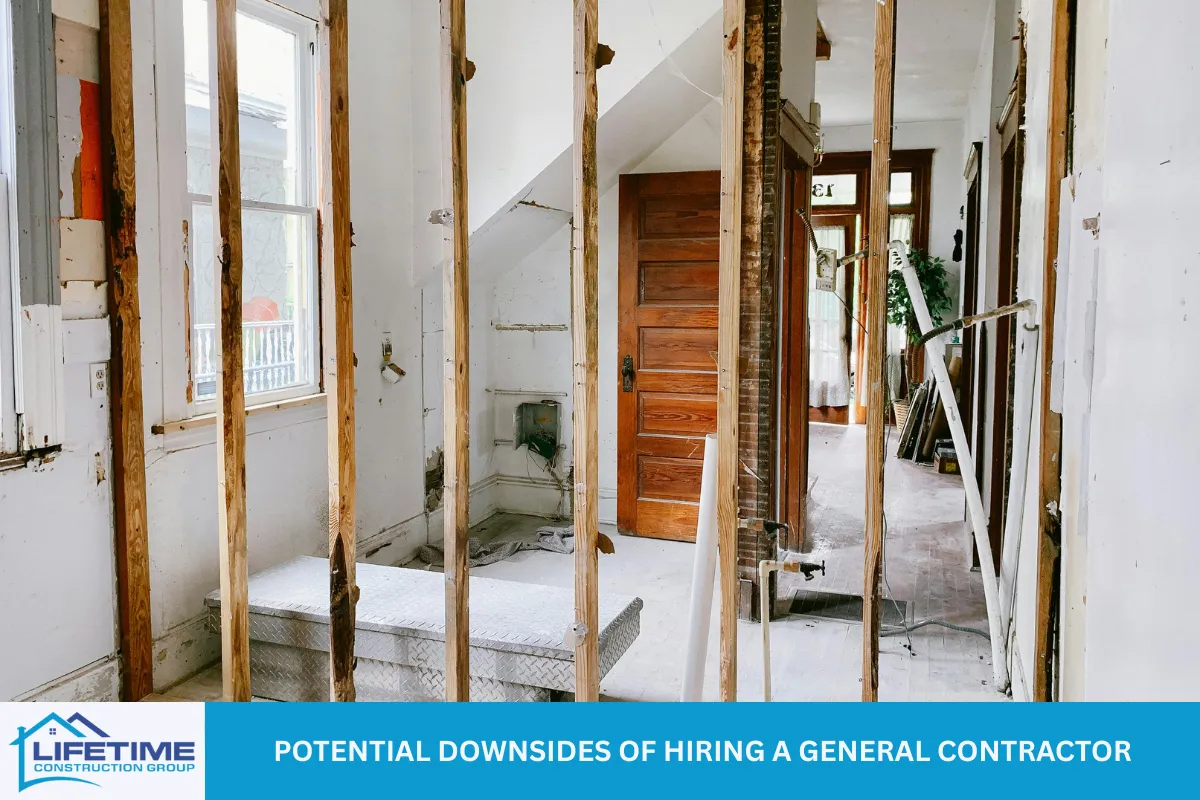
Potential Downsides of Hiring a General Contractor
Increased Cost Compared to Doing It Yourself
Hiring a general contractor will cost more than doing the work yourself. Even a small project can involve a markup on materials and labor. However, while the upfront expense is higher, it often pays off in terms of time saved, reduced risk, and longer-lasting results.
Not All Contractors Prioritize Small Projects
Some general contractors in Pike County may decline small jobs or delay them in favor of more profitable projects. This can be frustrating if you’re on a tight schedule or need quick repairs. It’s important to ask upfront whether your job fits their availability and scope.
Less Flexibility in Design or Approach
Contractors typically follow proven systems and building methods. While this ensures quality and safety, it may limit your ability to make last-minute changes or try unconventional ideas. DIYers often enjoy more freedom—but with it comes more risk.
Waiting Time Due to Scheduling Constraints
In high-demand seasons like spring and fall, contractors may be booked out for weeks. For small jobs that require urgent attention, this can lead to frustrating delays unless you’ve already built a working relationship with someone you trust.
Deciding Between DIY and Hiring a General Contractor
Choosing between doing it yourself and hiring a contractor comes down to a few practical factors:
- Skill Level: Do you have the know-how to do the job safely and correctly?
- Time Commitment: Can you dedicate evenings and weekends to get it done without disruption?
- Tools and Materials: Do you already own the tools, or will you need to buy or rent them?
- Permits and Inspections: Are you familiar with Pike County’s permit process, or will this slow you down?
If the answer to any of those is “no,” hiring a general contractor might be the safer and more efficient path forward.
How to Find and Hire a General Contractor in Pike County

Research Local Professionals Thoroughly
Start by gathering a list of contractors who serve your specific area in Pike County. Read reviews, visit their websites, and see photos of completed work. Look for companies that clearly advertise small job services.
Check Licensing and Insurance
Verify that your contractor is licensed with the Pennsylvania Office of the Attorney General and carries current insurance. Ask for proof before signing any agreement.
Request Written Estimates and Detailed Contracts
A professional contractor should provide a clear breakdown of costs, labor, materials, and timelines. Avoid verbal agreements or vague language—always ask for documentation.
Ask About Experience With Small Jobs
Not every contractor focuses on small-scale work. Ask if they’ve handled similar jobs, and see if they have photos or testimonials to back it up.
Compare Quotes, But Don’t Choose Based on Price Alone
A low estimate might mean shortcuts. Compare proposals based on scope, quality, and transparency—not just price. The cheapest option isn’t always the best.
Weighing the Pros and Cons Before You Decide
Hiring a general contractor for a small job in Pike County offers clear advantages like professional expertise, efficient timelines, and peace of mind. It also comes with trade-offs like higher costs and potential delays. For many homeowners, the decision depends on how much value they place on their time, the importance of doing the job right, and the complexity of the task.
Think about your priorities. If you’re aiming for high-quality, long-lasting results without the stress of managing every detail, a general contractor can be a worthwhile investment—even for a seemingly small job.
Pike County General Contractor – Lifetime Construction Group LLC
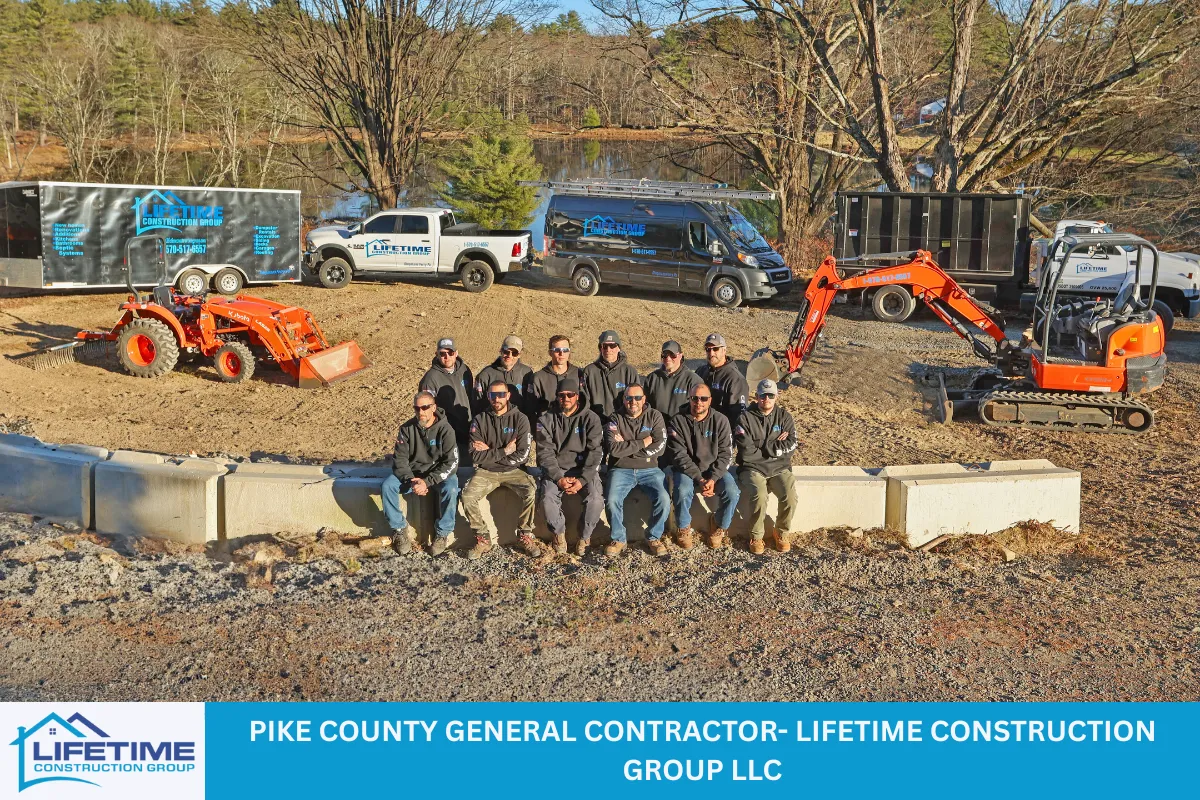
If you’re looking for a skilled, dependable, and locally trusted general contractor in Pike County, Lifetime Construction Group LLC is ready to help. Our team takes pride in delivering quality craftsmanship on projects big and small, whether you need a roof repair, new siding, or a custom woodworking project completed with care and precision.
We offer a full range of services, including roofing, siding installation, garage building, septic system maintenance, and historical renovations. We also provide excavation work, dumpster rentals, and site preparation. To learn more or get a quote, call us today at (570) 517-6557!
Frequently Asked Questions (FAQ)
What is the difference between a general contractor and a specialty contractor?
A general contractor oversees the entire scope of a construction project, managing all aspects from start to finish. This includes coordinating skilled labor, sourcing materials, hiring specialty contractors (such as electricians, plumbers, or HVAC technicians), and ensuring the work follows building codes. In contrast, a specialty contractor focuses on one specific trade. For instance, a roofer or a tiling expert would fall under this category.
General contractors also handle project management, scheduling, budgeting, and insurance liability. They’re usually responsible for securing permits and ensuring workers’ compensation coverage is in place for everyone involved. When you’re working on home renovations or home remodeling that involve multiple trades—like updating a living room, adding a dining room, or building home additions—a general contractor ensures all pieces come together smoothly. If you’re doing a small, specialized job, a specialty contractor may be sufficient. But for more complex tasks, a general contractor is essential.
Why do small home improvement projects still need a general contractor?
Even seemingly minor home improvement tasks—like remodeling a dining room or upgrading fixtures in a living room—can involve more complexity than expected. These jobs often require coordination between different trades, procurement of specific materials, and knowledge of local building regulations. A general contractor brings all these elements together through effective project management.
They assess the project scope, identify potential issues early, and bring in qualified home contractors or specialty contractors as needed. While some homeowners assume small jobs don’t need formal management, overlooking code compliance, insurance liability, or cost markup on unplanned changes can result in serious problems.
General contractors also manage the timeline and ensure all workers are covered under workers’ compensation policies, reducing your property & casualty risk management concerns. Even for a small project, having one point of contact streamlines the process and improves the final result. That peace of mind often makes the investment worthwhile.
What factors affect the total cost of a small construction project?
Several components influence the total cost of a small construction project, and it’s not just about materials and labor. Key factors include the cost of materials, availability of skilled labor, and the complexity of the project scope. If the job requires specialty contractors, such as a licensed electrician or plumber, their rates will be added to the final bill.
Then there’s the issue of cost markup, which is standard in the industry. This refers to the percentage a general contractor may add to cover overhead, coordination, and profit. The size and duration of the project also impact labor expenses, especially in home remodeling and home additions.
Don’t forget legal and administrative costs—things like obtaining permits, securing insurance liability coverage, and managing property & casualty risk management all come with fees. By understanding these factors upfront during the contract signing phase, homeowners can plan better and avoid budget surprises later in the process.
Is it necessary to review insurance options before hiring a contractor?
Yes, reviewing insurance options is crucial before hiring any home contractors or general contractors for your project. You should confirm that the contractor holds valid insurance liability and workers’ compensation coverage. This protects you in case a worker is injured on your property or if accidental damage occurs during the project.
Uninsured contractors expose you to financial and legal risks, particularly in projects involving home additions, construction projects, or any structural home renovations. As part of good property & casualty risk management, it’s wise to request documentation that proves the contractor’s insurance is current and comprehensive.
Additionally, homeowners should consider their own insurance. Some policies may require notification before major home improvement work begins. Having these conversations before the contract signing phase helps avoid claim denials, disputes, or unexpected liabilities. In short, clear insurance planning protects both parties and ensures the project runs smoothly and legally.
How does contract signing protect homeowners during construction projects?
Contract signing is one of the most critical steps in any construction project, whether you’re working with a general contractor for a full home renovation or a small home improvement task like remodeling a living room or upgrading a dining room. A written contract protects both parties by outlining the project scope, timeline, payment structure, and responsibilities.
It also addresses important risk factors, such as insurance liability, workers’ compensation, and dispute resolution. Without a contract, misunderstandings over the cost of materials, delays, or additional charges (like cost markup) can quickly escalate. The contract ensures you know if the home contractors involved are covered under proper insurance options.
A clear, signed agreement also helps you verify whether specialty contractors will be subcontracted and whether they’re qualified. For homeowners in Pike County, a legally binding contract reduces stress and improves property & casualty risk management throughout the process.
Read more: When to DIY and When to Call a General Contractor in Pike County for Small Renovations