
How a Roofing Contractor Knows It Is Time for a New Roof
Every roofing contractor working in Dingmans Ferry sees the same pattern each spring: homeowners who spent all winter hoping their aging roof would hold up, only to discover water stains spreading across ceilings, insulation soaked through, or shingles scattered across the yard. Ignore these warning signs long enough and you risk mold behind your walls, denied insurance claims, and repair bills that dwarf the cost of a straightforward replacement.
This article walks through five reliable signs your roof needs replacement, drawn from what local roofers observe every season across Pike County. The weather here is punishing. Heavy snow, freeze-thaw cycles, persistent ice dams, wind, and falling tree debris all shorten the life of most asphalt shingle roofs to roughly 20–25 years – sometimes less. By the end, you will know when to schedule a roof inspection, how to approach your insurance company, and what to ask a roofing company before committing to any work.
Key Takeaways
- Pike County’s heavy snow, ice dams, and dense tree cover can shorten an asphalt shingle roof’s effective lifespan to around 20–25 years, making timely replacement more important than in milder climates.
- The most common reasons Dingmans Ferry homeowners need a new roof include advanced age, repeated leaks, visible shingle damage, structural sagging, and escalating repair costs after storms.
- A professional roof inspection by a local roofing contractor remains the safest way to confirm whether targeted repairs or a full roof replacement makes more sense for your situation.
- Acting early can protect your property, preserve insurance coverage, and save money on emergency fixes down the road.
Sign 1: Your Old Roof Is Near the End of Its Lifespan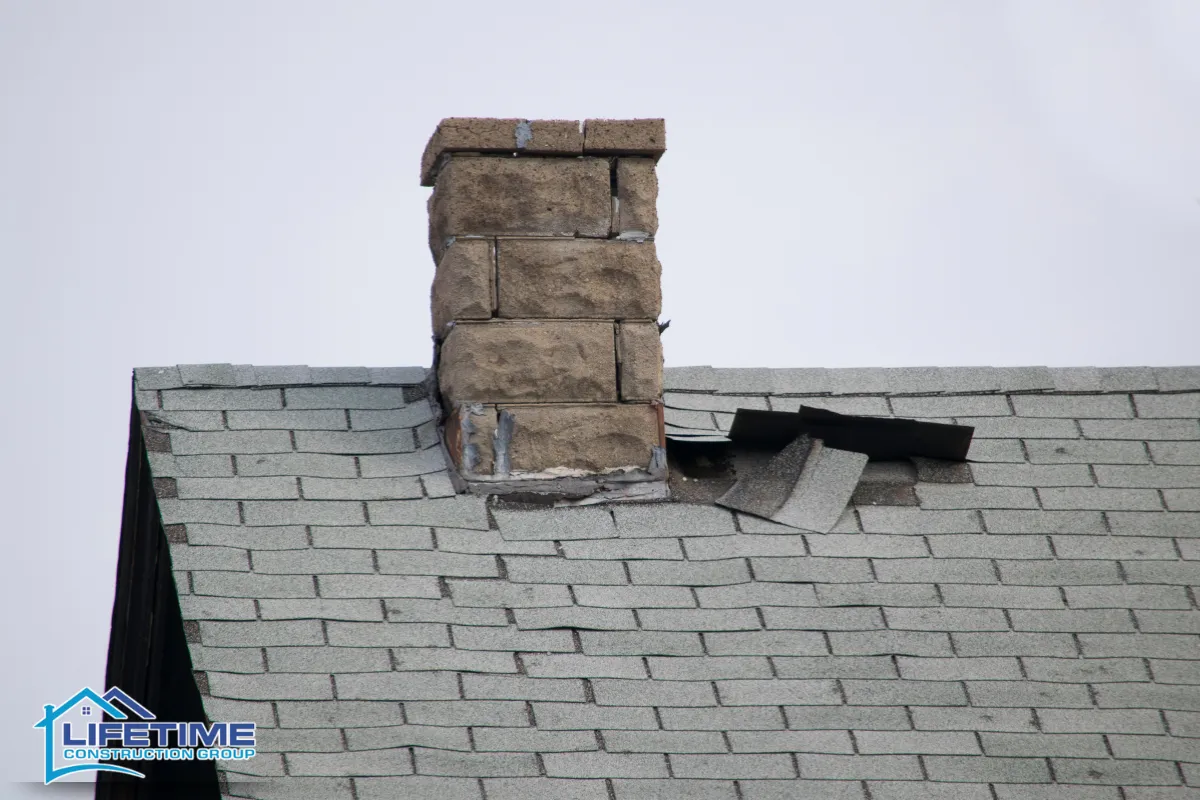
Age is the first thing any contractor checks when evaluating a roof. Asphalt shingle roofs typically last between 20 to 30 years under ideal conditions, but conditions in northeastern Pennsylvania are far from ideal. Aging roofs typically last 20–25 years in this region once you factor in snow loading, UV exposure on south-facing slopes, and the constant expansion and contraction from freeze-thaw cycles.
Many homes in Dingmans Ferry were built or re-roofed in the late 1990s and early 2000s with three-tab shingles. Those roofs are now past the 20-year mark. A roof over 20 years old is likely nearing the end of its lifespan, and the signs of aging roofing materials include visible wear and deterioration that you can often spot from your driveway.
What an Aging Roof Looks Like
Look for these visual clues across the entire surface:
- Shingles that appear dry, brittle, or significantly faded compared to when they were installed
- Widespread granule loss leaving dark, exposed fiberglass mat
- A generally wavy or uneven appearance, especially along the ridgeline
- Cracking along shingle edges or splits in the material
Several factors accelerate the aging process. Roofs with multiple past layers – where new shingles were laid over an old roof without tearing off the previous material – generally fail sooner. Each layer adds roughly 2–4 pounds per square foot of dead weight, traps heat, and holds moisture against the decking. That combination stresses roofing materials well before their rated lifespan expires.
Repair or Replace?
When damage is limited to a small area – maybe a handful of worn shingles on one dormer or a single section of flashing – a targeted fix can extend the roof’s useful life by a few years. But once the entire surface shows the signs listed above, patching individual spots no longer makes financial sense. At that point, you are better off planning for roof replacement rather than pouring money into an old roof that will continue to deteriorate.
If you are thinking about selling your house within the next few years, scheduling a documented inspection now gives you a clear picture of remaining life and helps you budget for either repairs or a full replacement before listing.
Sign 2: Visible Shingle Damage and Missing Sections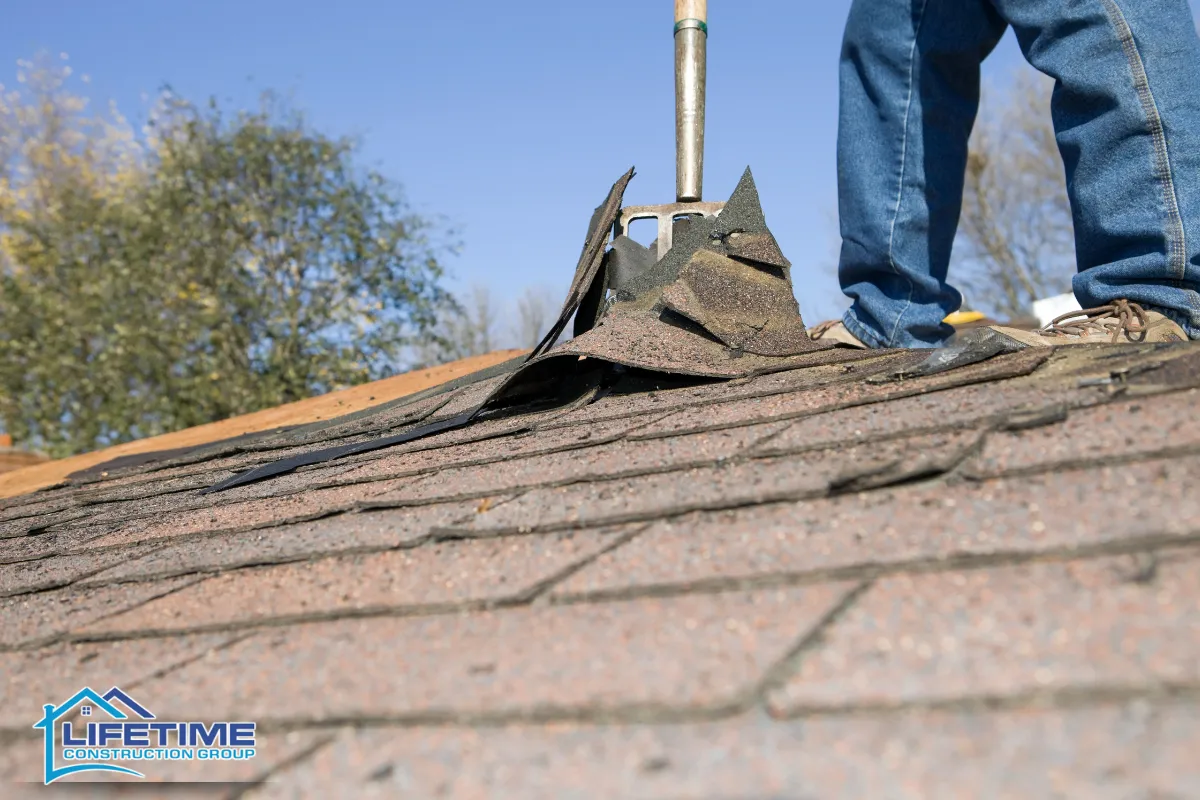
This is the easiest sign to spot without climbing onto the roof. You can often see it from the yard, the driveway, or even across the street.
Curling, Cupping, and Cracking
Repeated summer sun and winter ice in Pike County cause shingles to curl, cup, and crack over time. Curling happens when the edges lift while the center stays flat, usually driven by moisture from below. Cupping is a variation where edges rise and the shingle forms a shallow bowl shape. Cracked shingles develop splits that widen with each freeze-thaw cycle. Cracked, curling, or missing shingles indicate roof replacement is needed – particularly when the damage covers more than about 10–15 percent of the roof area.
Missing shingles, popped nails, and damaged ridge caps create direct pathways for water intrusion. Once water gets beneath the surface, it can soak decking, degrade underlayment, and void manufacturer warranties on newer roofing materials. Algae growth and moss are also common on shaded roofs throughout this area. Moss growth can keep roof surfaces damp, causing damage that goes well beyond cosmetics by trapping moisture against the shingle and accelerating rot.
Granule Loss as a Leading Indicator
Granule loss in gutters indicates asphalt shingles are deteriorating. After a rainstorm, check your gutters and downspouts. If you see a noticeable accumulation of coarse, sand-like particles, the protective ceramic coating on your shingles is wearing away. Granules in gutters suggest a roof older than 10 years may need replacement, and bare-looking spots on the surface confirm that the old shingles are far more vulnerable to hail and UV damage than they once were.
Take dated photos from ground level and share them with a roofing company or insurance adjuster before the next storm washes away the evidence. When surface damage is widespread across multiple roof planes, it is a strong sign that replacement – not just patching – is the right move.
Read How Long Does a Roof Last? A Dingmans Ferry Roofing Contractor’s Guide
Sign 3: Leaks, Water Stains, and Interior Warning Signs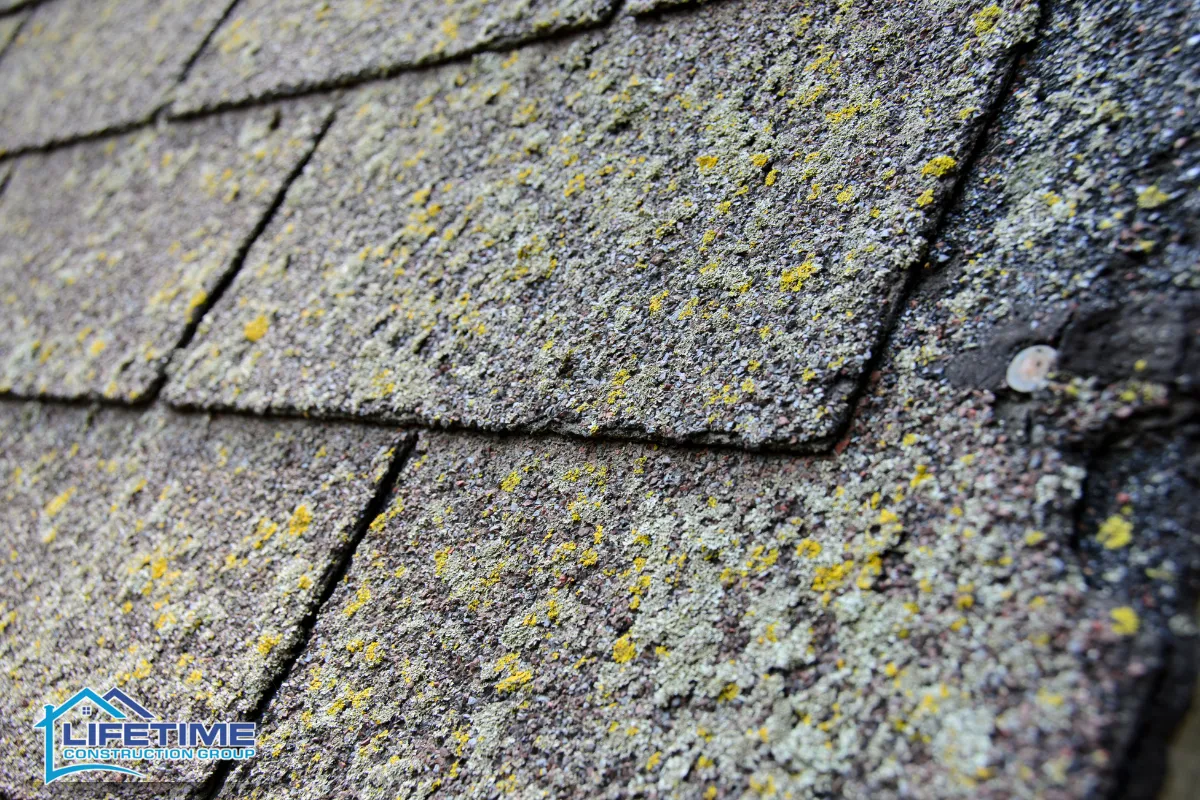
Many homeowners first notice roof problems inside the house rather than on the roof itself. A stain on the ceiling or a musty smell after a heavy rain can be the first clue that something above has been failing quietly for months.
Common Interior Clues
Watch for these indicators throughout your home:
- Brown “coffee ring” stains on ceilings, especially near where the roof meets exterior walls
- Peeling or bubbling paint near the top of walls
- Damp, compacted attic insulation that feels wet or spongy to the touch
- Musty odors in upper floors or the attic after rain or snowmelt
Water stains or mold in the attic indicate active leaks that need immediate attention. Water stains and musty smells indoors may indicate roof damage even when you cannot see obvious problems on the exterior.
Ice Dams, Flashing, and Underlayment
An occasional drip during a heavy ice dam event can sometimes be traced to ventilation and insulation problems rather than a worn-out roof. Ice dams form from heat escaping poorly insulated attics, melting snow on the upper portion of the roof, which then refreezes at the colder eaves and backs water up under the shingles. Pennsylvania building code requires self-adhering ice barrier membrane at eaves extending at least 24 inches past the exterior wall line to help prevent this kind of water intrusion.
However, when the same leak returns season after season, the problem is usually deeper. Flashing failure can lead to water infiltration and roof damage around penetrations like plumbing vents, chimneys, and skylights. Failed underlayment or deteriorated decking beneath the shingles lets water spread laterally, causing hidden mold growth, rotted rafters, and compromised structural integrity inside the house.
Persistent leaks suggest the roof system has reached the end of its life. If you can see daylight visible through roof beams when you are up in the attic, that signals a potential need for replacement rather than another round of caulk and patches.
A Note on Insurance
Review your homeowner’s insurance language carefully. Most policies cover “sudden and accidental” damage – a tree branch through the roof during a storm, for example – but will not pay for gradual deterioration from neglected maintenance. Understanding this distinction before you file a claim can help you avoid surprises and explain the situation clearly to your adjuster.
Sign 4: Sagging Areas, Soft Spots, and Structural Concerns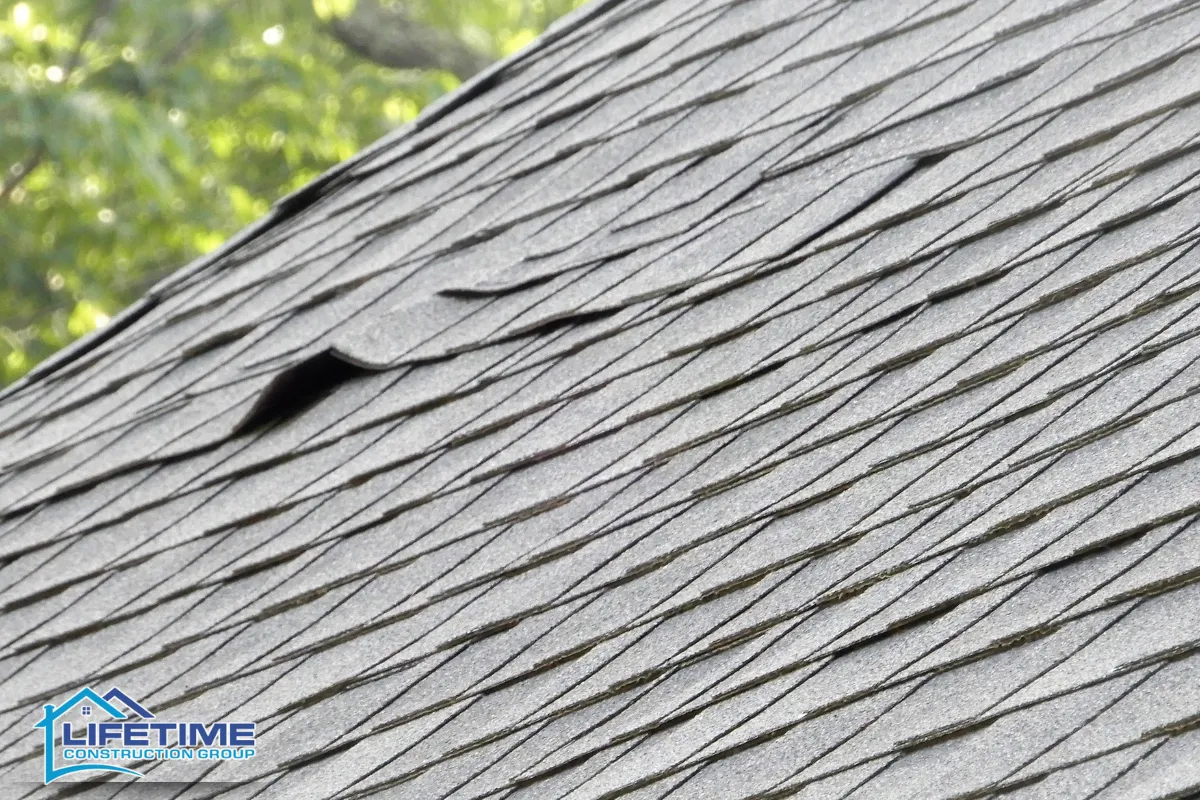
Visible sagging is a serious red flag that goes well beyond cosmetic issues. It indicates that something in the roof’s structural system – decking, rafters, or trusses – has been weakened, and the situation can become dangerous if left unaddressed.
How to Spot Sagging
You can often notice potential problems from the street. Look for:
- Wavy lines along the ridge that should be straight
- Dips or depressions between rafters, visible from ground level
- Sections that appear noticeably lower than the rest, especially after a snowfall reveals uneven surfaces
Sagging rooflines indicate weakened structural supports requiring immediate attention. Prolonged moisture from leaks, ice dams, and clogged gutters can soften roof decking and rot the supporting framing underneath, creating soft spots that a contractor can feel when walking the surface.
Local Factors That Contribute to Structural Problems
Pike County carries ground snow load requirements of roughly 40–50 pounds per square foot under the Pennsylvania Uniform Construction Code. Older cabins and seasonal homes that have been converted to year-round residences may not have been framed for these loads. When you add the dead weight of roofing materials plus a heavy wet snowfall, framing that was marginal to begin with can start to sag or deflect.
Structural issues like these usually require more than a quick patch. In most cases, they justify a full roof replacement with new sheathing, upgraded ventilation, and code-compliant fasteners and framing reinforcements. An experienced contractor will assess the condition of the decking and framing before recommending materials and will not simply cover over a problem that could threaten your property and your family’s safety.
If you notice any sagging, avoid walking on the roof yourself and schedule an immediate professional evaluation. The risk of interior collapse under the next heavy snow event is real.
Sign 5: Rising Repair Bills, Storm Damage, and Insurance Decisions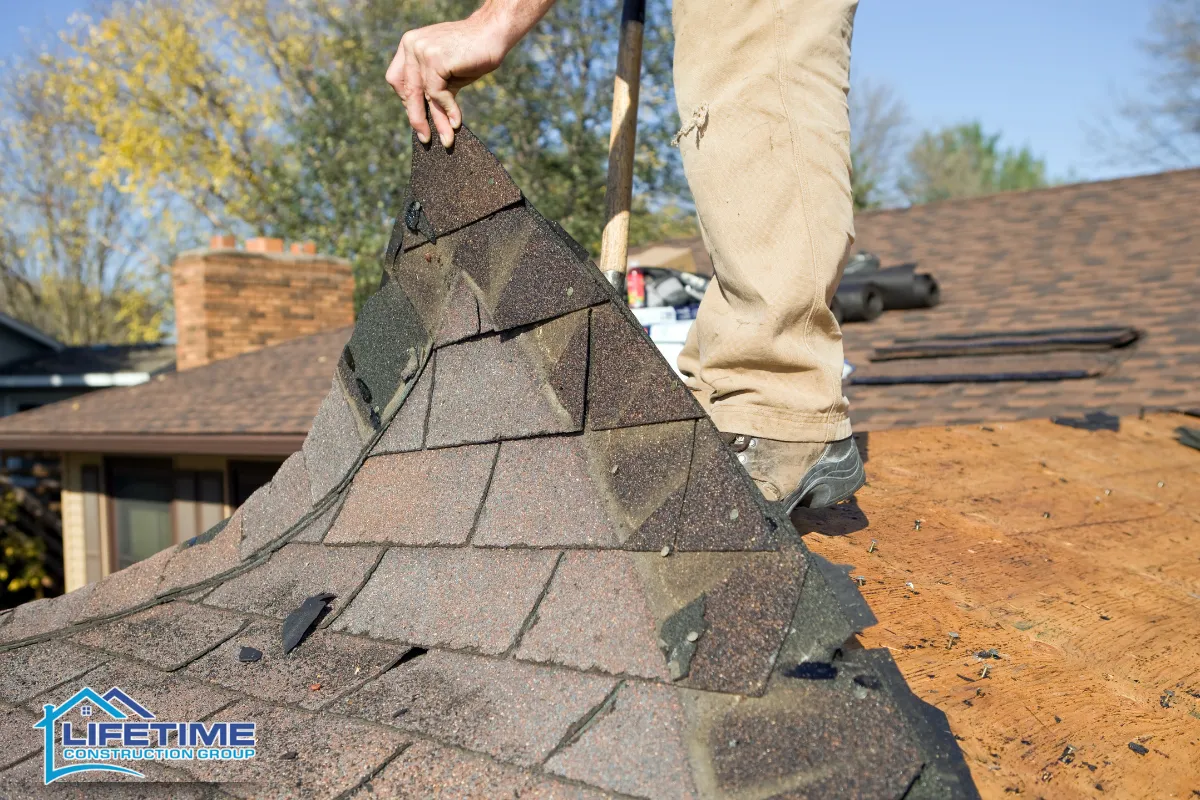
When you find yourself calling for roof repairs after every storm season, it is worth stepping back and asking whether you are dealing with isolated problems or a failing system.
Recurring Issues That Signal a Bigger Problem
Pay attention if you are experiencing any of the following more than once within a two- to three-year span:
- The same leak reappearing in the same spot after being patched
- Multiple visits to re-seal flashing around chimneys or vents
- Frequent shingle blow-offs, especially along edges and ridges
- Emergency roof tarping is available for urgent repairs, and needing it more than once is a clear warning sign
Roof repairs address leaks, missing shingles, and storm damage effectively when the underlying system is sound. But when the underlying system is not sound, every repair becomes a temporary bandage.
When Storm Damage Tips the Scale
A major weather event – hail, high winds, or falling limbs – can push an old roof past the point of economical repair. Storm damage that strips large sections of shingles or cracks decking makes a new roof the smarter long-term investment rather than yet another patchwork job. Full roof replacements involve removing the old roof and installing a new one, which gives the contractor an opportunity to inspect and replace damaged decking, install proper ice barrier membrane, and bring the entire system up to current code.
Working With Your Insurance Company
Document damage as quickly as possible with photos and written notes. Keep receipts for any temporary repairs, and consider having a local contractor present when the insurance company sends an adjuster to inspect. Adjusters are evaluating whether damage is covered under “sudden and accidental” terms, so having professional detail on hand strengthens your position.
Cost Tradeoffs Worth Considering
Compare the cumulative cost of ongoing roofing services over the past few years against what a full replacement would run. A common rule of thumb: when cumulative repair expenses over two to three years approach roughly half the cost of a new roof, replacement is the better deal. A properly installed replacement also comes with manufacturer and labor warranties, improved energy efficiency, and can increase your property’s resale value – benefits that patchwork repairs simply cannot deliver.
Homeowners looking to save money in the long run should also think about timing. In Dingmans Ferry, the best installation window generally runs from late spring through early fall. Mid-winter replacements are riskier, more expensive, and harder on materials. Planning your project for warmer months lets you get competitive pricing, better weather conditions for proper installation, and avoid emergency surcharges.
Gutter installation includes seamless aluminum gutters for heavy rain and is often bundled with a roof replacement to ensure the entire water management system works together. If your current gutters are failing alongside your roof, addressing both at the same point in the project saves on labor and scaffolding costs.
Roofing Contractor in Dingmans Ferry, PA – Lifetime Construction Group LLC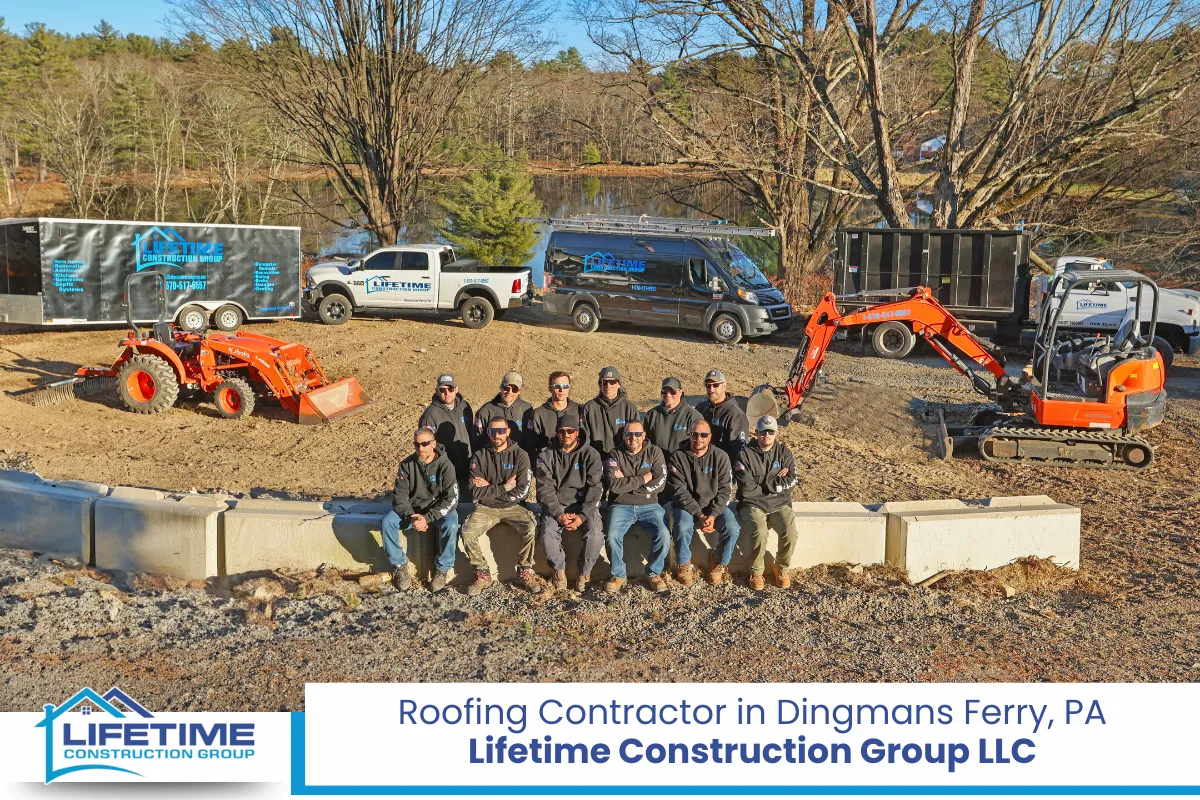
We are a roofing contractor based right here in Dingmans Ferry, Pennsylvania, and we understand the unique challenges that Pike County weather, heavy tree cover, and older homes present. Our team at Lifetime Construction Group LLC has spent years helping neighbors throughout the surrounding areas protect their properties with honest assessments and quality workmanship.
If you have noticed any of the five warning signs covered in this article, we encourage you to call us at (570) 517-6557 or fill out our contact form for a thorough roof inspection. We will give you a straightforward opinion on whether repairs or replacement makes the most sense for your situation. Our company provides clear estimates with no hidden fees, helps document damage for insurance when appropriate, and ensures every new roof we install meets current Pennsylvania building codes. We are fully licensed and insured, and we also offer siding, gutter, and related services to keep your home in top shape. Reach out today – we are ready to get the job done right.
Frequently Asked Questions
How Often Should Dingmans Ferry Homeowners Schedule a Preventative Roof Inspection?
In Pike County, scheduling a roof inspection at least once a year is a smart practice, ideally in late spring after the snow and ice season has passed. This timing lets a contractor assess any winter damage – loosened flashing, cracked shingles, ice dam effects – before summer storms arrive. If your roof is over 15 years old or you have heavy tree cover on your property, consider a second inspection in the fall before snow loads begin. Roof inspections identify damage and assess repair needs early, often catching small issues that would otherwise grow into expensive problems by the following season. Annual inspections also create a documented maintenance history that strengthens insurance claims if you ever need to file one.
Are Asphalt Shingles or Metal Roofing Better for Wooded Lots in Northeastern Pennsylvania?
Most asphalt shingle roofs remain the most popular choice in this area because of their lower upfront cost, wide availability, and ease of repair. However, metal roofing offers notable durability advantages on heavily wooded lots. Metal panels shed leaves, pine needles, and snow more easily than textured shingles, reducing the risk of moisture retention and moss buildup. Metal is also more resistant to impact from small falling branches. The tradeoff is a higher initial investment and the need to verify that your home’s framing can handle the different weight and thermal expansion characteristics. A qualified contractor can help you assess which option suits your lot, your budget, and the long-term durability you are looking for.
What Is the Best Time of Year to Install a New Roof in Dingmans Ferry?
Late spring through early fall – roughly May through October – offers the best conditions for roof replacement in this region. Asphalt shingles need ambient temperatures above about 45 degrees Fahrenheit to seal properly, and warmer months provide longer daylight hours for crews to work safely. Planning your project during this window also tends to give you more flexibility to get multiple quotes from different contractors and compare pricing without the pressure of an emergency. Winter installations are possible when urgent situations demand them, but they typically cost more and carry greater risk of material issues due to cold temperatures and shorter working days.
How Should Homeowners Prepare Their Home and Yard Before Roof Replacement?
Before the crew arrives, move vehicles out of the driveway and away from the house to avoid falling debris. Take down or cover any fragile landscaping, patio furniture, and outdoor decorations near the perimeter of the home. Inside, remove or secure wall-mounted items in upper-floor rooms and the attic, since the vibration from tear-off work can shake loose pictures and shelves. Let your neighbors know about the upcoming project, as there will be noise and some dust for a few days. A reputable contractor will handle cleanup, including magnetic sweeps for stray nails, but clearing the work zone beforehand helps the project move faster and reduces the chance of accidental damage to your belongings.
How Can I Tell If Ventilation or Insulation Upgrades Should Be Done at the Same Time as Roof Replacement?
If you have experienced ice dams, excessive attic heat in summer, or moisture problems like condensation on rafters, those are strong indicators that your ventilation and insulation are not performing well enough. During a roof replacement, the decking is exposed and accessible, making it the most cost-effective time to add ridge vents, improve soffit intake, or upgrade attic insulation to current code standards. Ask your contractor to hire a crew experienced with both roofing and ventilation to evaluate whether your current system meets the balanced intake-and-exhaust airflow your attic needs. Addressing these issues during the same project avoids having to tear into the finished roof later and can reduce your heating and cooling bills going forward.
Disclaimer: This article provides general information about roof replacement indicators and is not a substitute for a professional inspection. Local building codes, material specifications, and structural conditions vary. Consult a licensed contractor for advice specific to your property.
Read What a Roofing Contractor Looks for During a Full Inspection in Dingmans Ferry, PA