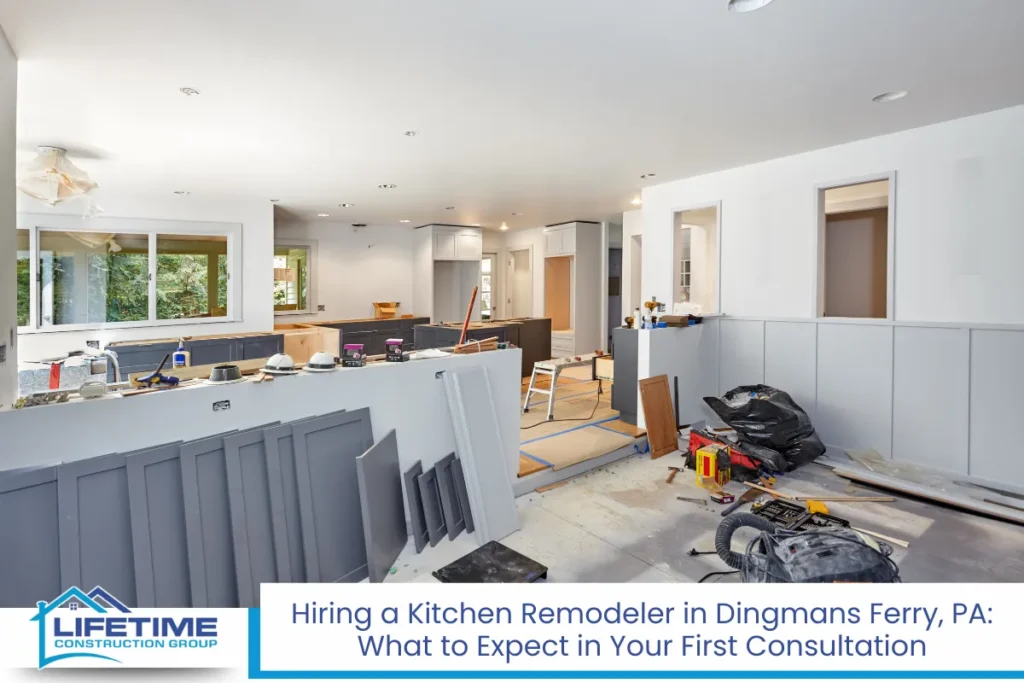


Dingmans Ferry Kitchen Remodeler services often raise one critical question for homeowners: who handles the permits and inspections required for a legal, code-compliant project? Many property owners begin a kitchen remodeling project excited about new cabinets and countertops, only to discover that building codes, township approvals, and inspection scheduling can delay the process. Skipping permits can lead to fines, failed inspections, and resale problems. The solution is simple: a professional kitchen remodeler coordinates the necessary permits and inspections on your behalf, ensuring your kitchen renovation meets Pennsylvania Uniform Construction Code standards and local municipal requirements. When done correctly, your kitchen remodel moves forward smoothly, safely, and without unnecessary stress.
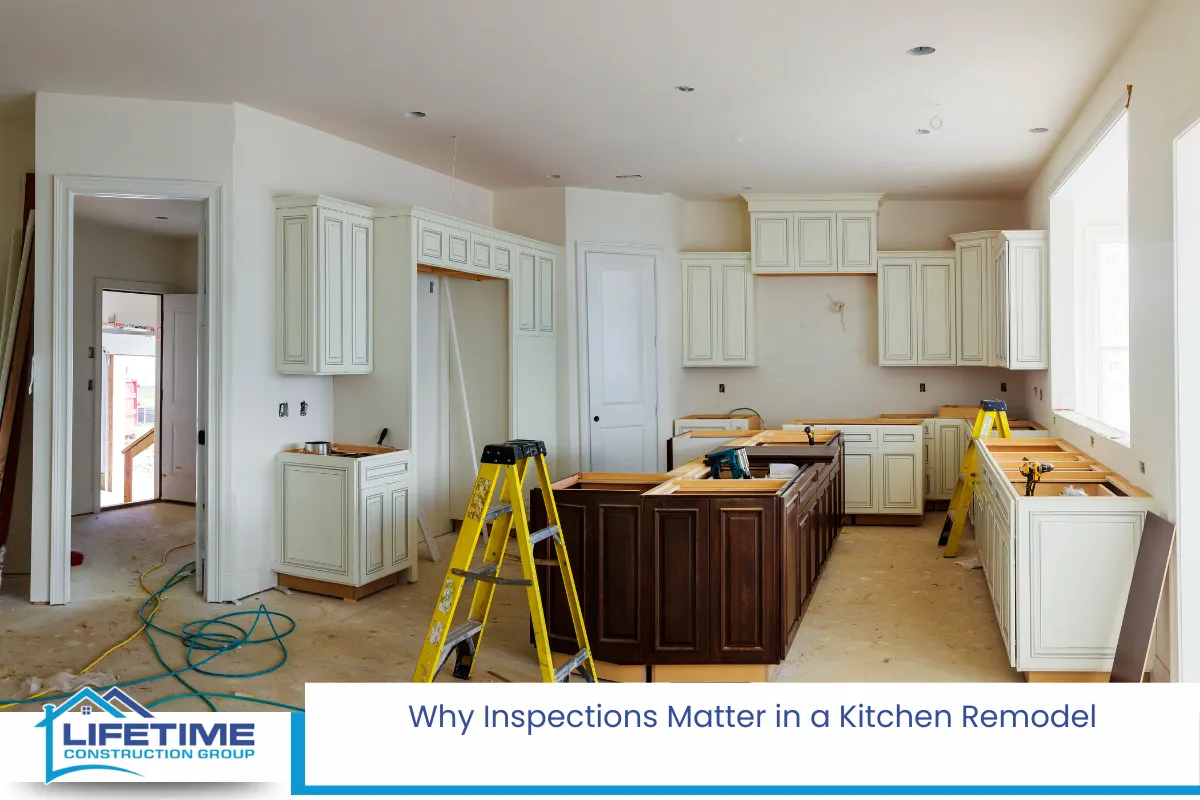
Why Inspections Matter in a Remodeling Project
Kitchen remodeling is more than aesthetics. Behind the drywall and cabinetry are plumbing lines, electrical wiring, ventilation systems, and structural components that must meet state and local codes.
In Dingmans Ferry, located in Pike County, construction projects fall under Pennsylvania’s Uniform Construction Code (UCC). The UCC sets standards for:
- Electrical installations
- Plumbing systems
- Structural framing
- Mechanical systems (HVAC)
- Fire safety requirements
When a kitchen renovation involves moving plumbing, adding outlets, installing new lighting circuits, removing load-bearing walls, or upgrading gas lines, inspections are typically required. These inspections protect homeowners by ensuring work is safe and meets current building standards.
Failing to secure inspections can create serious consequences:
- Stop-work orders
- Penalties or fines
- Difficulty selling the home
- Insurance coverage issues
A qualified kitchen remodeler helps avoid these problems by managing compliance from start to finish.
Permits Required for Kitchen Remodeling in Dingmans Ferry
Not every kitchen remodel requires a permit. Cosmetic updates like painting walls or replacing cabinet hardware generally do not trigger inspections. However, more involved projects usually do.
Projects That Typically Require Permits
- Electrical upgrades or panel changes
- Plumbing relocation
- Gas line installation
- Structural modifications
- Window or door resizing
- HVAC duct changes
Because Dingmans Ferry is an unincorporated community within Delaware Township, permit administration is handled through the township’s building code official or a third-party agency approved under Pennsylvania law.
A professional kitchen remodeler understands when permits are mandatory and when they are not. This prevents over-permitting while ensuring compliance where required.
Who Pulls the Permit: Homeowner or Professional Contractor?
Technically, either party can apply for a permit. However, in practice, most kitchen remodel projects are permitted under the contractor’s license.
Here’s why that matters:
- The contractor assumes responsibility for code compliance
- Inspection scheduling becomes streamlined
- The project timeline is better managed
- Documentation is properly filed
When homeowners attempt to manage permits themselves, mistakes can occur. Applications may be incomplete, inspections may be missed, or code requirements misunderstood.
Hiring a licensed kitchen remodeler ensures the permit process is handled professionally.
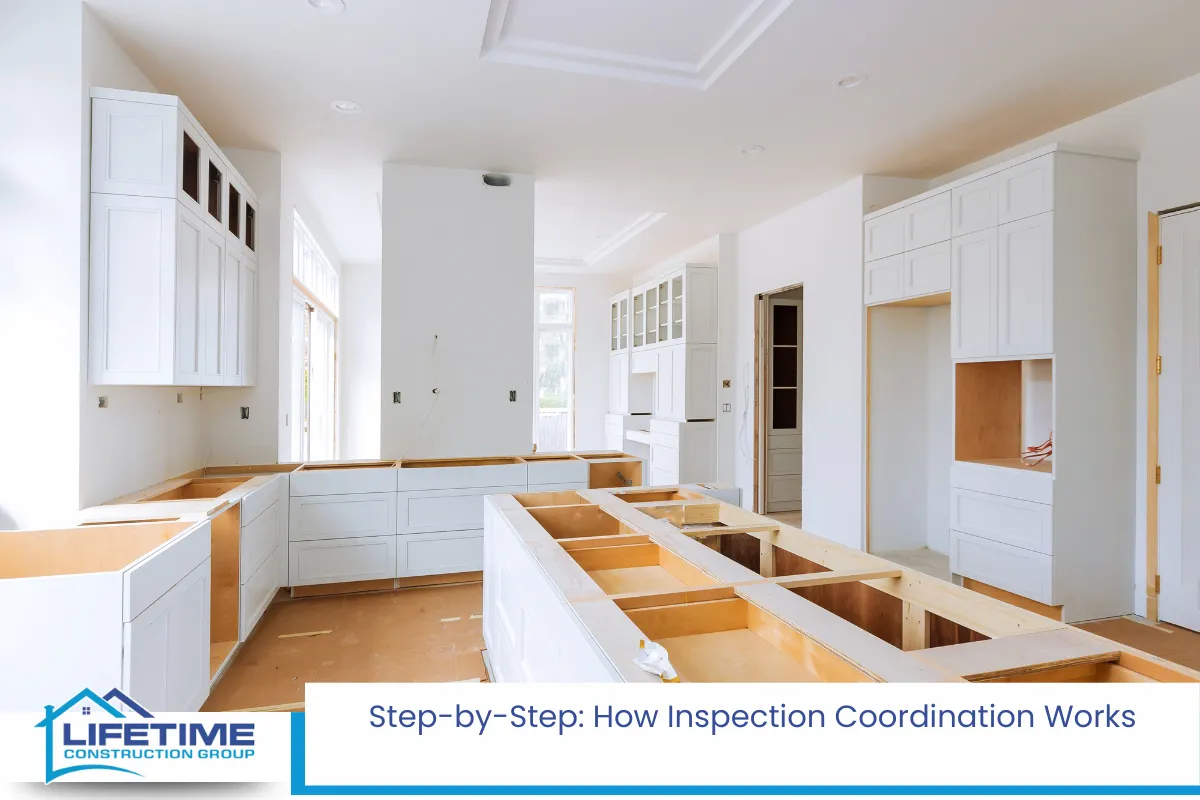
Step-by-Step: How Inspection Coordination Works
A structured process keeps your kitchen renovation organized. In Pennsylvania, full-service contracting firms often cover the entire process for permitting as part of their standard project management fees.
1. Initial Scope Review
The kitchen remodeler evaluates the project scope and, as part of overseeing the entire process from the start, determines whether electrical, plumbing, or structural changes will require permits and, where needed, develops the detailed plans used for permit review, including structural headers, load-bearing status, and plumbing schematics.
2. Permit Application Submission
Detailed plans, specifications, and contractor information are submitted to the township or authorized inspection agency.
3. Plan Review
Officials review submitted documents to ensure compliance with Pennsylvania building codes.
4. Rough Inspections
Before walls are closed:
- Electrical rough inspection
- Plumbing rough inspection
- Framing inspection (if applicable)
5. Final Inspection
After fixtures, appliances, and finishes are installed, a final inspection confirms compliance.
A professional kitchen remodeler schedules and coordinates each of these steps, preventing delays.
Electrical Inspections in Kitchen Remodeling
Kitchen remodeling often involves updated wiring. Modern codes require:
- GFCI outlets near water sources
- AFCI protection for circuits
- Dedicated circuits for appliances
- Proper grounding
The National Electrical Code (NEC), adopted within Pennsylvania’s UCC framework, governs these requirements.
A licensed electrician working under your kitchen remodeler ensures all electrical components pass inspection. This is especially important when adding:
- Kitchen islands with outlets
- Under-cabinet lighting
- New appliance circuits
- Panel upgrades
Skipping inspection here can be dangerous and may void homeowners insurance.
Plumbing Code Compliance in Pennsylvania
Kitchen renovation frequently includes sink relocation, dishwasher installation, or garbage disposal upgrades.
Plumbing inspections verify:
- Proper venting
- Correct pipe sizing
- Backflow prevention
- Leak-free connections
Pennsylvania follows International Plumbing Code standards as adopted under state law. A kitchen remodeler coordinates licensed plumbers to meet these requirements before walls are sealed.
Structural Changes and Load-Bearing Walls
Open-concept kitchen remodel projects are popular in Dingmans Ferry homes. Removing a wall to create a larger kitchen-living area may require:
- Structural engineering review
- Beam installation
- Framing inspection
Load-bearing wall removal without inspection can compromise the integrity of the home. A kitchen remodeler arranges engineering documentation when required and ensures inspections are completed properly.
Mechanical and Ventilation Requirements
Kitchen remodeling often includes range hood upgrades or HVAC adjustments. Codes require proper ventilation to the exterior, not into attics.
Inspections confirm:
- Proper duct sizing
- Fire safety clearances
- Gas appliance venting
These standards help prevent fire hazards and moisture damage.
Read Making Your Kitchen ADA-Compliant: Can a Dingmans Ferry Kitchen Remodeler Help?
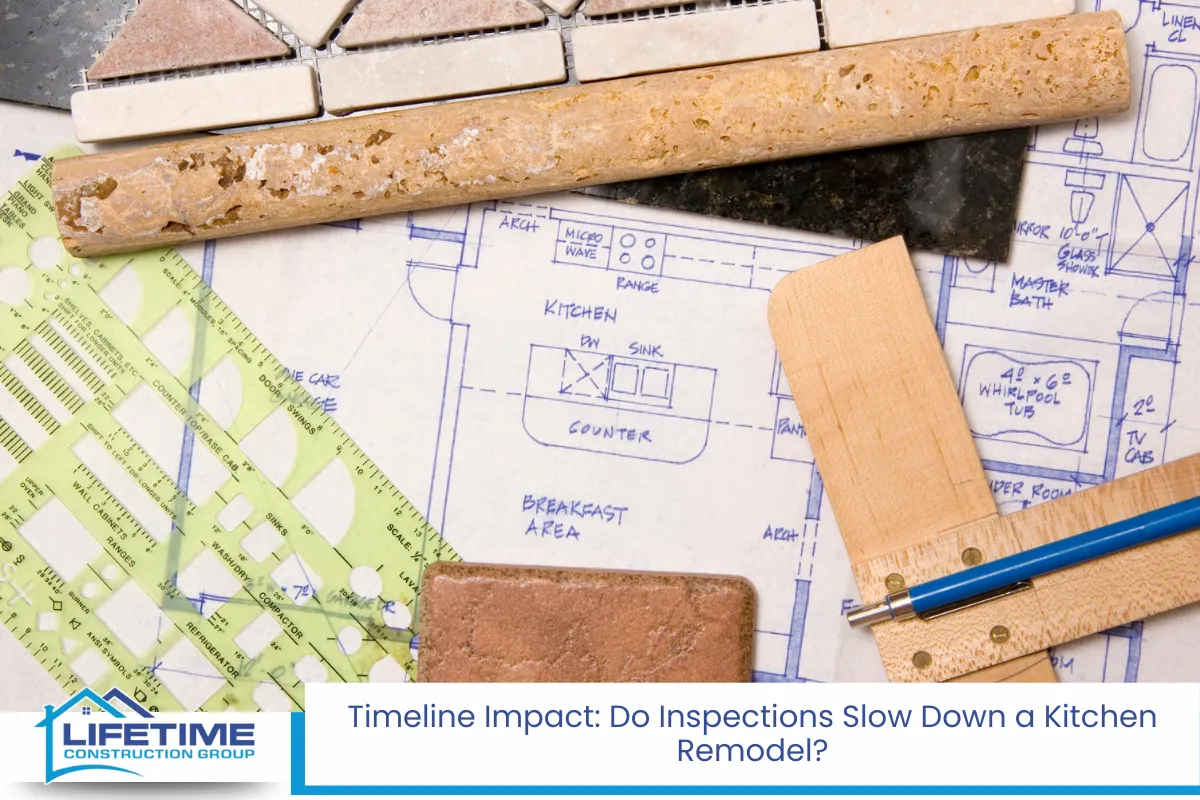
Timeline Impact: Do Inspections Slow Down Kitchen Remodels?
Homeowners often worry inspections will delay the project. When handled correctly, they do not, and homeowners can expect fewer delays and less stress when a contractor handles scheduling, labor coordination, and inspection timing.
Experienced kitchen remodelers schedule inspections strategically. Because inspection windows are known in advance, work is sequenced efficiently.
Delays usually occur when:
- Permits are filed late
- Inspections are forgotten
- Work is done before approval
Proper coordination avoids these issues entirely.
The Risk of Skipping Permits
Some homeowners consider bypassing permits to save money, but without the proper permits, your construction project could face fines, delays, or even a stop-work order. This approach carries serious risks:
- Legal liability
- Fines from township authorities
- Issues during home sale disclosure
- Failed home inspections
- Potential requirement to remove completed work
In Pike County, code enforcement can require corrective work if violations are discovered. A licensed kitchen remodeler helps ensure permitted home improvements protect you from these risks.
How Inspections Protect Home Value
A properly permitted kitchen renovation increases resale value. Buyers often request proof that renovations were approved and inspected.
Real estate transactions can be delayed if:
- There is no record of permits
- Work fails municipal review
- Insurance companies request documentation
When a kitchen remodel is completed under proper inspection protocols, your investment is secure.
Working With Third-Party Inspection Agencies
Some municipalities in Pennsylvania contract with certified third-party inspection agencies. These agencies perform code enforcement under state authorization.
A knowledgeable kitchen remodeler is familiar with:
- Local inspection contacts
- Scheduling procedures
- Required documentation
This familiarity speeds up approvals and avoids confusion.
Licensing and Insurance Requirements in Pennsylvania
Pennsylvania requires contractors performing home improvement work to register with the Attorney General’s Office under the Home Improvement Consumer Protection Act (HICPA).
Before hiring a kitchen remodeler, confirm:
- HICPA registration
- Liability insurance
- Workers’ compensation coverage
Properly insured, licensed contractors also help control budget decisions throughout the project.
Hiring a professional contractor also supports better workmanship and material quality than a DIY approach.
Properly registered contractors understand permit requirements and code compliance obligations.
Communication With Township Officials
One overlooked benefit of hiring a professional kitchen remodeler is their established relationships with local officials and suppliers, which can improve coordination and help homeowners get better pricing on materials for overall cost savings.
Clear communication with building code officials allows:
- Faster approvals
- Fewer misunderstandings
- Accurate plan submission
Local remodelers are also familiar with strict building regulations, which helps prevent failed inspections or costly corrections, while providing reliable communication and follow-through throughout the process.
Experienced contractors know local expectations and can adjust plans before submission if needed, because homeowners struggle when a contractor is not well versed in local requirements.
What Homeowners Should Ask Before Starting
Before beginning a kitchen remodeling project in Dingmans Ferry, ask:
- Will permits be required?
- Who is responsible for filing them?
- What inspections are expected?
- Is engineering documentation needed?
- How will inspection scheduling affect the timeline?
A reputable kitchen remodeler answers these questions clearly and transparently.
Protecting Your Investment From Start to Finish
Coordinating local inspections is not just a formality. It protects your home, your finances, your family, and your peace of mind. A qualified kitchen remodeler ensures every aspect of your kitchen renovation aligns with Pennsylvania’s Uniform Construction Code and local township requirements.
From electrical upgrades to structural changes, inspections verify that your kitchen remodel is safe, legal, and built to last. Choosing a professional who manages permits and inspections means you benefit from the expertise and skills needed to deliver durable results, with workmanship and materials that outperform most DIY efforts, while you focus on design and functionality instead of bureaucracy.
In Dingmans Ferry, proper coordination is not optional—it is essential for a successful project.
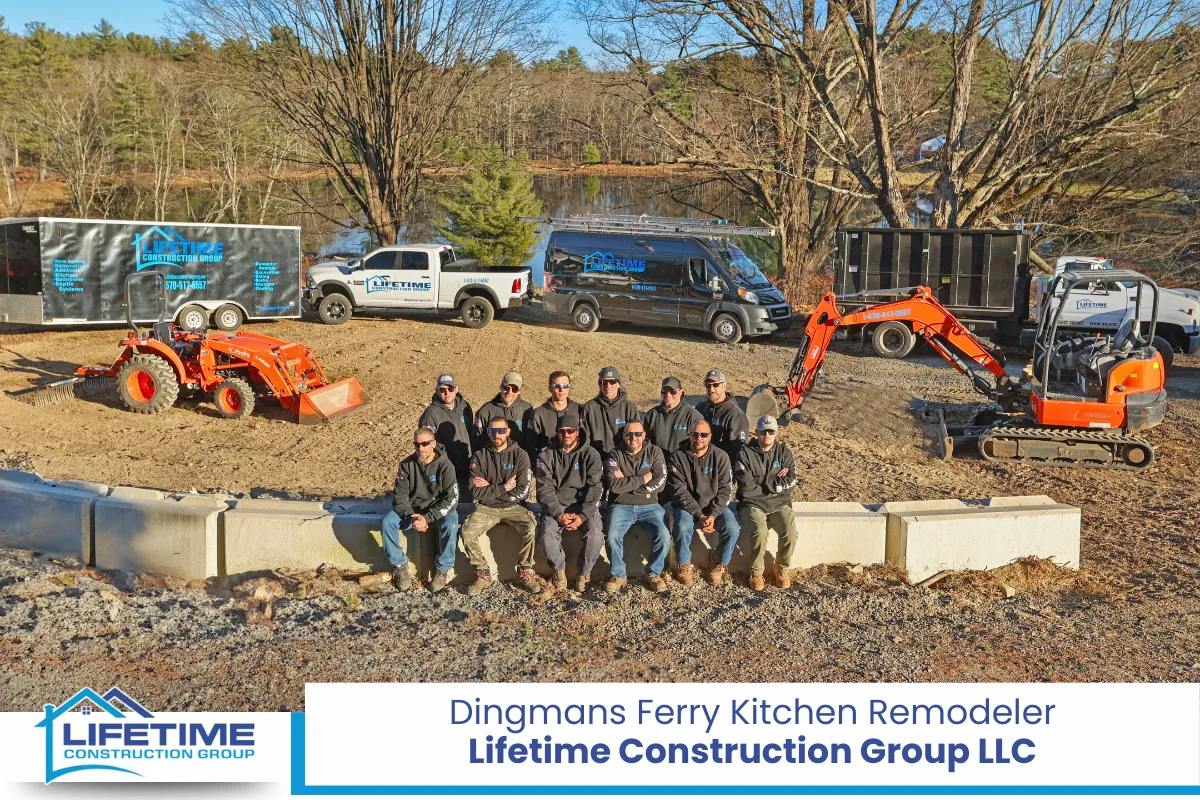
Dingmans Ferry Kitchen Remodeler – Lifetime Construction Group LLC
At Lifetime Construction Group LLC, we understand that a kitchen remodel involves more than design choices. As a trusted kitchen remodeler in Dingmans Ferry, Pennsylvania, we have an experienced team with the ability to manage permits, inspections, and code compliance so our clients don’t have to worry about paperwork or township approvals. We handle the full kitchen renovation process—from planning and design, including collaboration with designers or architects when project plans require it, to final inspection—and can walk clients through each step. Our team coordinates the entire process and works closely with local officials to keep your project on schedule and compliant. Our track record and extensive expertise help keep kitchen remodels compliant and on schedule. If you are planning kitchen remodeling in Dingmans Ferry or the surrounding areas, call us at (570) 517-6557 or fill out our contact form today. We are ready to bring your vision to life safely and professionally.
Frequently Asked Questions
1. How long does the permit approval process take for a kitchen remodel in Dingmans Ferry?
Permit timelines vary depending on the scope of the project and township workload. Minor electrical or plumbing permits may be approved within days, while structural modifications requiring plan review can take several weeks. If engineering documentation is required, review time increases. A professional kitchen remodeler submits complete applications to prevent rejections that cause delays. Weather, inspection scheduling, and third-party agency availability also influence timing. Starting the permit process early during project planning helps keep kitchen remodeling on track.
2. Can I live in my home during inspections?
Yes, homeowners typically remain in the property during inspections. Most inspections are brief and focused on specific components such as wiring, plumbing lines, or structural framing. Inspectors do not evaluate unrelated areas of the home. Your kitchen remodeler coordinates access so inspections occur during working hours. However, during certain phases—like when utilities are temporarily disconnected—you may experience short interruptions. Proper scheduling minimizes inconvenience while ensuring compliance.
3. What happens if an inspection fails?
If an inspection fails, the inspector provides a written correction notice outlining deficiencies. Common reasons include improper outlet spacing, insufficient venting, or framing adjustments. The contractor must correct the issue before requesting a reinspection. A reputable kitchen remodeler reviews code requirements carefully to prevent failures, but minor corrections can occasionally occur. Addressing issues quickly avoids extended delays. Failing inspections does not mean the project is ruined; it simply means adjustments are needed to meet code standards.
4. Are cosmetic kitchen updates ever inspected?
Purely cosmetic updates—such as replacing cabinet doors, installing countertops without plumbing relocation, or repainting—typically do not require permits or inspections. However, if cosmetic work overlaps with electrical or plumbing adjustments, inspections may become necessary. For example, installing new lighting fixtures that require additional wiring could trigger inspection requirements. A kitchen remodeler evaluates the full scope before work begins to determine whether your project qualifies as cosmetic or regulated.
5. Do inspections increase the overall cost of kitchen remodeling?
Permit fees and inspection costs are usually a small percentage of the overall project budget. Costs vary depending on project scope and township fee schedules. While inspections add expense, they protect homeowners from costly repairs later due to unsafe or non-compliant work. Avoiding permits might appear to save money upfront, but legal penalties or required corrections often cost far more. Investing in proper inspection coordination ensures long-term value and safety.
Disclaimer: This article is for general informational purposes only and does not constitute legal or construction advice. Building codes and municipal requirements in Dingmans Ferry, Pennsylvania may change. Always consult licensed professionals and local authorities before beginning construction projects.
Read What Are Common Mistakes to Avoid When Hiring a Kitchen Remodeler in Dingmans Ferry, PA?