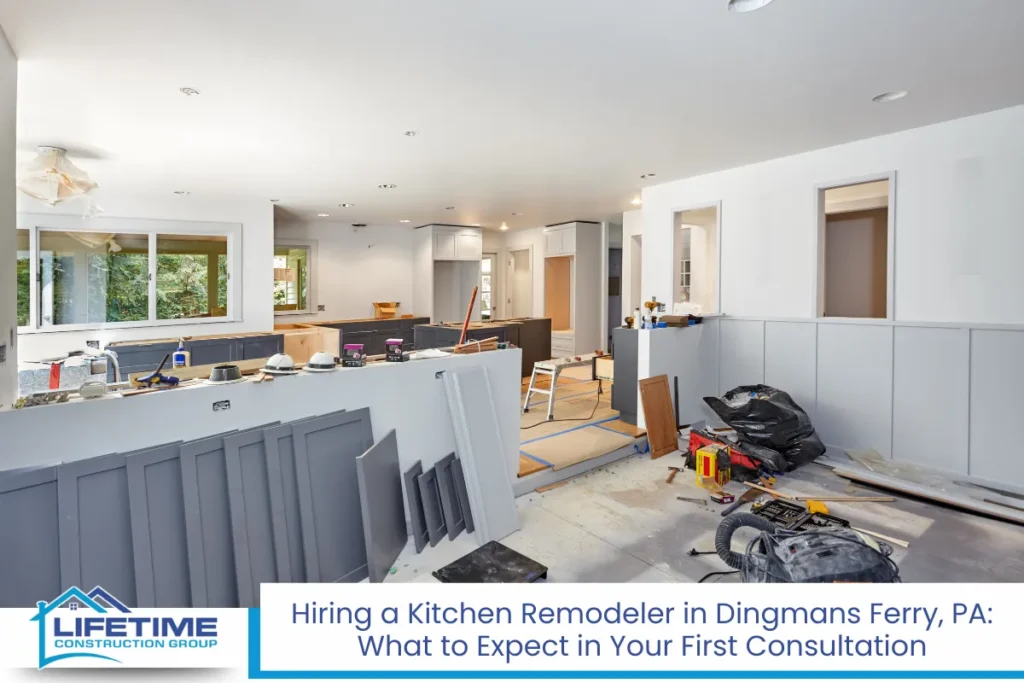


Dingmans Ferry Kitchen Remodeler services are becoming essential for homeowners who want safer, more accessible living spaces. If your kitchen feels cramped, difficult to navigate with mobility aids, or unsafe for aging family members, you are not alone. Many homes were built without accessibility in mind, making daily tasks frustrating and even dangerous. Slippery floors, narrow pathways, and hard-to-reach cabinets can quickly turn a simple meal into a challenge. The solution? A thoughtfully planned kitchen remodel that follows ADA design principles and local building codes. With the right kitchen remodeler guiding your project, you can transform your kitchen into a functional, stylish, and inclusive space designed to meet today’s needs and tomorrow’s challenges.
Why ADA-Compliant Kitchens Matter in Modern Homes
Accessibility is no longer a niche concern. Whether you are planning for aging in place, accommodating a family member with a disability, or future-proofing your home, accessible kitchen remodeling has become a smart investment.
The Americans with Disabilities Act (ADA) sets standards primarily for public spaces, but its guidelines are widely used as best practices for residential design. While private homes in Dingmans Ferry are not legally required to meet ADA standards unless used for public purposes, incorporating ADA principles improves safety, comfort, and resale value.
In Pennsylvania, residential renovations must comply with the Pennsylvania Uniform Construction Code (UCC). Local permits may be required for structural changes, plumbing, electrical upgrades, or layout modifications. Working with a qualified kitchen remodeler ensures that your kitchen renovation follows both accessibility guidelines and local code requirements.
Key ADA Design Principles for Kitchen Remodeling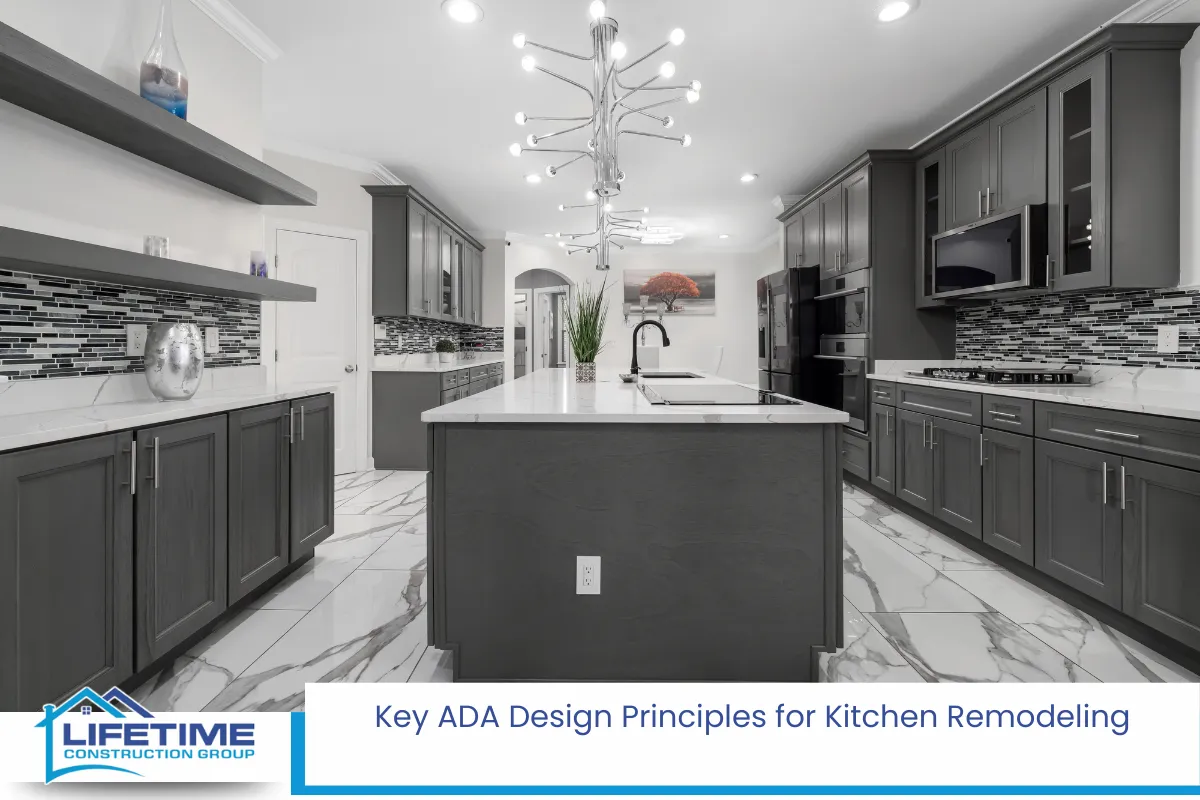
Clear Floor Space and Turning Radius
An accessible kitchen must allow for proper movement. ADA recommendations include:
- A minimum of 36 inches of clearance for walkways
- A 60-inch diameter turning radius for wheelchair access
- Clear floor space in front of appliances and sinks
In many older homes, kitchen layouts feel tight. A professional kitchen remodel often involves removing walls, reconfiguring cabinets, or repositioning appliances to create safe maneuvering space.
Accessible Countertop Heights
Standard countertops are typically 36 inches high. For wheelchair accessibility, a section should be:
- 28 to 34 inches high
- At least 30 inches wide
- With knee clearance underneath
Lowered countertops can serve as prep areas while maintaining standard-height surfaces elsewhere. This balanced design keeps the kitchen practical for all users.
Sink and Faucet Accessibility
An ADA-inspired kitchen renovation includes:
- Knee clearance under sinks
- Insulated pipes to prevent burns
- Lever-style or touchless faucets
- Shallow sink basins for easier reach
Touchless technology from leading fixture brands has made accessibility seamless and stylish.
Cabinet and Storage Modifications
Traditional upper cabinets can be difficult to reach. A kitchen remodeler may recommend:
- Pull-down shelving systems
- Lazy Susans in corner cabinets
- Full-extension drawers
- D-shaped cabinet pulls instead of knobs
Smart storage reduces bending and stretching, minimizing injury risk.
Appliance Placement and Controls
Appliances should be installed with accessibility in mind:
- Wall ovens mounted at reachable heights
- Side-opening oven doors
- Cooktops with front-mounted controls
- Drawer-style dishwashers
- Refrigerators with bottom freezers
These adjustments make daily tasks easier and safer.
Flooring and Lighting: Critical Safety Upgrades
Slip-Resistant Flooring Options
Falls are one of the leading causes of injury at home. During kitchen remodeling, flooring should be:
- Slip-resistant
- Durable
- Easy to maintain
Options include textured porcelain tile, luxury vinyl plank, and certain engineered hardwoods. Proper subfloor leveling is essential for mobility devices.
Strategic Lighting Design
Lighting should eliminate shadows and improve visibility. Consider:
- Under-cabinet lighting
- Task lighting over prep areas
- Recessed ceiling lights
- Motion-sensor lighting
A professional kitchen renovation plan integrates electrical upgrades that comply with Pennsylvania building standards.
How Local Building Codes Affect Your Kitchen Renovation
In Dingmans Ferry, kitchen remodeling projects often require permits for:
- Electrical rewiring
- Plumbing relocation
- Structural changes
- Gas line adjustments
Pennsylvania’s Uniform Construction Code ensures safety and compliance. A licensed contractor will coordinate inspections and ensure your remodel meets all applicable codes. Failure to obtain proper permits can result in fines or complications when selling your home.
An experienced kitchen remodeler understands how to balance ADA-inspired design with local regulations.
Read Does a Kitchen Remodeler in Dingmans Ferry Coordinate Local Inspections?
Aging in Place: Planning for the Future
The concept of aging in place has gained popularity across Pennsylvania. Rather than relocating to assisted living, many homeowners are choosing to adapt their homes.
A kitchen remodel focused on accessibility allows individuals to:
- Maintain independence
- Reduce fall risk
- Increase home value
- Avoid costly future modifications
Features like pull-out shelves, induction cooktops, and touchless faucets blend safety with modern design.
Balancing Style with Accessibility
One common misconception is that ADA-compliant kitchens look clinical. Today’s kitchen renovation projects prove otherwise.
You can combine:
- Quartz or granite countertops
- Custom cabinetry
- Smart appliances
- Decorative backsplashes
- Open shelving
Universal design principles ensure the space is functional for everyone without sacrificing aesthetics.
Cost Considerations for an ADA Kitchen Remodel
Kitchen remodeling costs vary based on scope. Factors include:
- Layout changes
- Cabinet replacement
- Plumbing adjustments
- Electrical upgrades
- Flooring materials
- Appliance replacements
Minor accessibility upgrades may cost significantly less than a full kitchen renovation. Structural changes increase expenses, but they also dramatically improve usability.
Homeowners in Dingmans Ferry should budget for permits, materials, and labor. Working with a knowledgeable kitchen remodeler helps prioritize changes within your budget.
Common Mistakes to Avoid During Accessible Kitchen Remodeling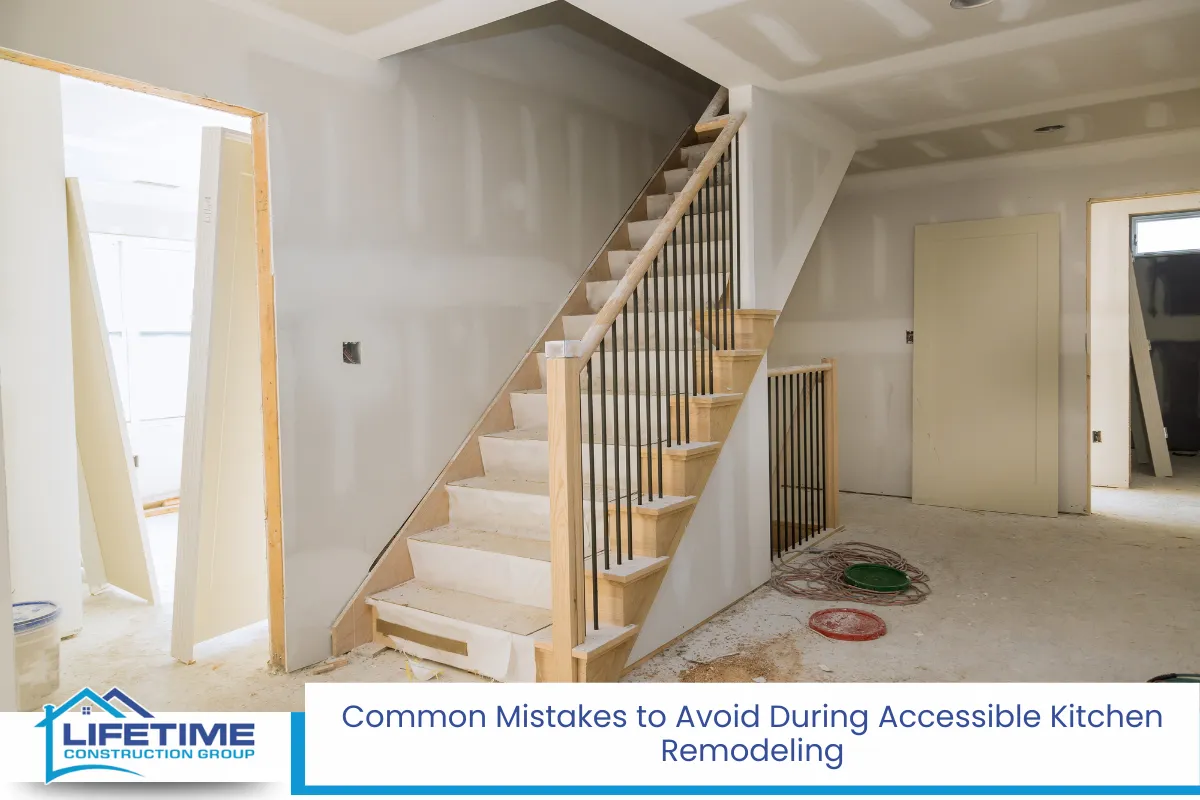
Even well-intentioned projects can go wrong without proper planning.
Overlooking Clearance Requirements
Failing to account for turning space can limit mobility.
Ignoring Future Needs
Designing only for current mobility may require another remodel later.
Skipping Professional Guidance
DIY modifications may not meet code requirements or safety standards.
Choosing the Wrong Materials
Some surfaces look attractive but become slippery or difficult to maintain.
Partnering with a professional reduces these risks.
The Role of a Kitchen Remodeler in ADA Compliance
A qualified kitchen remodeler:
- Evaluates your existing layout
- Recommends accessible design modifications
- Handles permits and inspections
- Coordinates electricians and plumbers
- Ensures compliance with Pennsylvania UCC
- Manages project timelines
Professional oversight ensures structural integrity and safety.
Energy Efficiency and Accessibility Go Hand in Hand
Modern kitchen remodeling often includes energy-efficient upgrades:
- LED lighting
- ENERGY STAR appliances
- Water-saving fixtures
- Improved insulation
These improvements reduce utility costs while enhancing accessibility.
Resale Value and Market Appeal
Accessible homes appeal to a broader buyer demographic. A thoughtfully executed kitchen remodel can:
- Increase home marketability
- Attract multi-generational buyers
- Provide competitive advantage in local real estate
In communities like Dingmans Ferry, where homeowners value long-term living solutions, accessibility upgrades add measurable value.
Is an ADA-Compliant Kitchen Right for You?
If you are:
- Planning to age in place
- Supporting a family member with mobility challenges
- Recovering from injury
- Thinking long-term about your property investment
Then an accessibility-focused kitchen renovation may be the right move.
Careful planning ensures your space remains beautiful, functional, and safe.
Final Thoughts on Creating a More Accessible Kitchen
Making your kitchen ADA-compliant is not about meeting strict government mandates in a private home. It is about creating a safe, inclusive environment that supports independence and comfort. With thoughtful design, adherence to Pennsylvania building codes, and guidance from a skilled kitchen remodeler, your kitchen can become one of the most functional spaces in your home.
Accessibility is an investment in safety, longevity, and quality of life. The right remodeling approach ensures your kitchen serves you well for decades to come.
Dingmans Ferry Kitchen Remodeler – Lifetime Construction Group LLC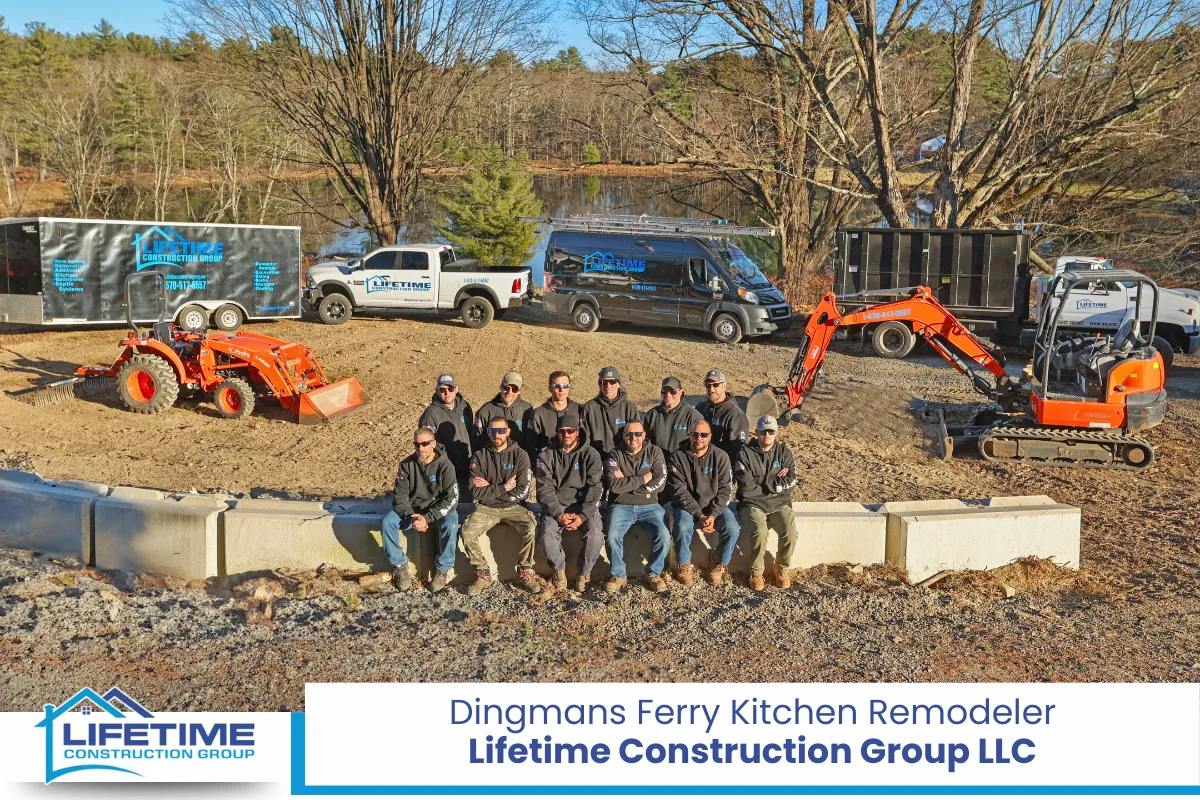
At Lifetime Construction Group LLC, we specialize in thoughtful kitchen remodeling that improves safety, style, and functionality. As a trusted kitchen remodeler in Dingmans Ferry, Pennsylvania, we understand local building codes and accessibility guidelines. Whether you need wider walkways, custom cabinetry, or a full kitchen renovation designed for aging in place, we handle every detail with precision.
We work closely with homeowners to design kitchens that are both beautiful and practical. Our team manages permits, inspections, plumbing, electrical updates, and structural adjustments so you can feel confident in the process. If you are planning a kitchen remodel that prioritizes accessibility and long-term value, call us today at (570) 517-6557 or fill out our contact form. Let’s build a safer, smarter kitchen together.
Frequently Asked Questions
How long does an ADA-focused kitchen remodel typically take?
The timeline depends on the project scope. Minor updates like cabinet hardware changes or installing pull-out shelves may take a few days. A full kitchen renovation involving layout changes, plumbing relocation, and electrical upgrades can take six to twelve weeks. Permit approvals in Pennsylvania can also affect scheduling. Working with a professional kitchen remodeler helps create a realistic timeline, coordinate inspections, and minimize disruptions. Planning ahead ensures materials are ordered early and subcontractors are scheduled efficiently, preventing unnecessary delays.
Are ADA-compliant kitchens required in private homes in Pennsylvania?
No. ADA standards primarily apply to public buildings and commercial properties. Private residences in Dingmans Ferry are not legally required to follow ADA guidelines unless used for public access. However, all structural, electrical, and plumbing work must comply with Pennsylvania’s Uniform Construction Code. Many homeowners voluntarily adopt ADA-inspired design for safety, aging in place, and improved accessibility. A kitchen remodel that incorporates these principles enhances usability without being legally mandated.
Can I make my kitchen partially ADA-compliant instead of fully compliant?
Yes. Many homeowners choose selective upgrades rather than full compliance. For example, you might lower a section of countertop, widen one primary walkway, or install accessible storage solutions. Partial modifications still improve functionality without requiring a complete layout overhaul. A professional kitchen remodeler can evaluate which changes will deliver the most benefit within your space and budget. This approach is common for families planning gradual accessibility improvements over time.
Does homeowners insurance cover accessibility kitchen renovations?
In most cases, homeowners insurance does not cover voluntary accessibility upgrades. However, if renovations are required due to injury from a covered incident, certain modifications may qualify. Additionally, some medical-related home improvements may be tax-deductible if prescribed by a physician. It is important to consult your insurance provider and tax professional for specific guidance. Accessibility remodeling is generally considered a value-adding home improvement rather than an insurance-covered repair.
What materials work best for an accessible kitchen remodel?
Durable, low-maintenance materials are ideal. Quartz countertops resist staining and require minimal upkeep. Slip-resistant luxury vinyl plank flooring provides traction while remaining comfortable underfoot. Lever-style hardware improves grip compared to round knobs. Soft-close drawers reduce strain and injury risk. Selecting quality materials ensures longevity and safety. A knowledgeable kitchen remodeler can recommend options that balance accessibility, design appeal, and durability for your lifestyle.
Disclaimer: This article is for informational purposes only and does not constitute legal or construction advice. Building codes and permit requirements in Dingmans Ferry, Pennsylvania may change. Always consult a licensed contractor or local building authority before beginning a kitchen remodeling project.
Read Kitchen Remodeler in Dingmans Ferry, PA: How Long Does a Typical Kitchen Remodel Take?