

A Pike County, Pennsylvania general contractor plays a pivotal role in any construction project, overseeing all aspects from start to finish. In Pike County, understanding the distinction between a general contractor and a subcontractor is essential for anyone planning a building or renovation project. These two types of professionals, though both critical to a project’s success, operate in different capacities, with separate responsibilities and areas of expertise.
A general contractor typically assumes the broader responsibility of managing the construction site, while subcontractors are specialized experts hired for specific tasks. These roles seem similar at first glance, but they differ significantly in both scope and execution. As a homeowner, business owner, or developer, comprehending these differences will help you navigate the construction process more efficiently, ensuring you make the right decisions for your project.
What is a General Contractor?

A general contractor is the backbone of any construction project, responsible for overseeing the overall coordination and management of a construction site. In Pike County, this role encompasses more than just ensuring work is completed on time—it involves detailed management of budgets, timelines, legal requirements, and quality control.
Roles and Responsibilities of a General Contractor
1. Project Management and Supervision:
The primary responsibility of a general contractor is to manage the construction process. This includes coordinating the schedules of subcontractors, ensuring the site is prepared, and keeping the project on track. A general contractor is the point of contact for the entire construction process and acts as a manager who ensures all the pieces fit together.
2. Hiring Subcontractors:
One of the key tasks of a general contractor is hiring specialized subcontractors for specific tasks. For example, if the project requires plumbing, electrical work, or drywall installation, the general contractor is responsible for hiring professionals with expertise in those fields. They handle all the contracts with these subcontractors and ensure the work is completed according to specifications.
3. Compliance with Building Codes and Permits:
In Pike County, like in most places, construction projects are governed by local zoning laws and building codes. A general contractor is responsible for securing the necessary permits and making sure that all work complies with these regulations. This ensures that the project is both legal and safe.
4. Budget and Cost Control:
General contractors manage the budget for a construction project, including the costs for labor, materials, and subcontractors. They work closely with the client to ensure the project stays within the agreed budget and handle any unexpected expenses that may arise.
5. Quality Control and Communication:
General contractors are responsible for ensuring that the work meets the required standards. They communicate with the client, subcontractors, and suppliers, keeping all parties informed of progress and any changes that might occur. They are also responsible for inspecting the work to ensure it meets the client’s expectations and is up to code.
What is a Subcontractor?
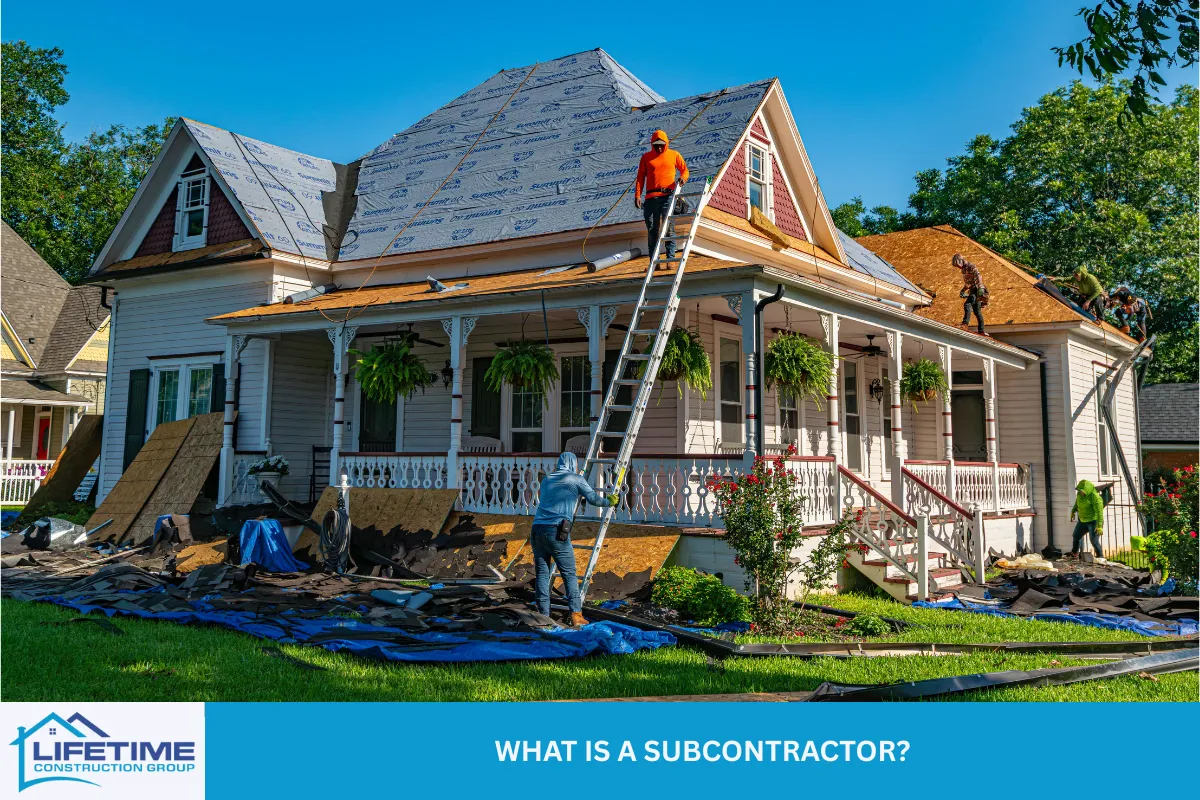
Subcontractors are skilled tradespeople or companies hired to perform specialized tasks within a construction project. In Pike County, subcontractors are typically brought in by the general contractor to handle specific components that require professional expertise. While the general contractor manages the overall project, subcontractors focus solely on their area of specialization.
Roles and Responsibilities of a Subcontractor
1. Specialization in Specific Trades:
Unlike general contractors who oversee the whole project, subcontractors specialize in particular tasks. In Pike County, common types of subcontractors include electricians, plumbers, roofers, and masons. Each subcontractor is an expert in their trade, and their skills are necessary to complete certain aspects of the project, such as electrical wiring or installing the plumbing system.
2. Work Under the Direction of a General Contractor:
Subcontractors do not directly work with the client, unless specified by the general contractor. They typically report to the general contractor, who ensures their work aligns with the project’s overall timeline and quality standards. Subcontractors must adhere to the general contractor’s instructions and deadlines, making them crucial in ensuring that the project progresses smoothly.
3. Contractual Agreement with General Contractors:
Subcontractors enter into agreements with the general contractor, not the client. These contracts specify the scope of work, payment, and timelines. They are typically paid based on the completion of their specific tasks, rather than being involved in the overall financial management of the project.
4. Responsibility for High-Quality Work in Their Area:
Subcontractors are responsible for the quality and safety of their work in their specific areas. For example, an electrician must ensure that all wiring is done correctly and safely. The quality of their work affects the overall integrity of the project, which is why the general contractor must choose skilled subcontractors who meet industry standards.
Key Differences Between a General Contractor and a Subcontractor

While both roles are crucial in the construction process, there are clear distinctions between a general contractor and a subcontractor. These differences help define the scope of their work, their relationships with other project participants, and their responsibilities.
1. Scope of Responsibility
- General Contractor: Oversees the entire construction process, managing the project from start to finish. They ensure the site is prepared, manage budgets, and supervise subcontractors. The general contractor is responsible for coordinating the entire team and ensuring the project meets legal and quality standards.
- Subcontractor: Specializes in specific tasks, such as plumbing, electrical work, or HVAC systems. Subcontractors perform only the part of the work they are contracted for and do not oversee or manage other aspects of the project.
2. Legal and Financial Responsibility
- General Contractor: Holds the primary legal responsibility for the project. They sign the contract with the client and manage all financial aspects of the project. This includes handling permits, insurance, and warranties.
- Subcontractor: Works under a contract with the general contractor. They are responsible for the tasks within their specialty but are not liable for the broader financial management or legal obligations of the entire project.
3. Level of Interaction with the Client
- General Contractor: Directly communicates with the client. The general contractor is the primary point of contact for clients, providing updates, managing expectations, and ensuring that the project aligns with the client’s vision.
- Subcontractor: Generally has limited or no direct contact with the client. They work under the direction of the general contractor and may communicate with the client only if necessary for their specific tasks.
Understanding the Importance of Both Roles in Pike County

In Pike County, understanding the distinctions between a general contractor and a subcontractor is essential for ensuring the success of any construction project. The general contractor is the overall manager, responsible for coordinating the project’s activities, managing budgets, and ensuring compliance with all local laws. On the other hand, subcontractors bring specialized expertise, completing the specific tasks needed to turn the vision into reality. Each role is integral to the process, and their collaboration ensures that a project is completed efficiently and to the highest standards.
For those embarking on a construction project in Pike County, hiring a reliable general contractor with a strong network of trustworthy subcontractors is key. A skilled general contractor will ensure that every detail is managed, while experienced subcontractors will carry out specialized tasks with precision and expertise. Choosing the right team of professionals will help you create a construction project that is successful, safe, and completed on time.
Pike County General Contractor- Lifetime Construction Group LLC
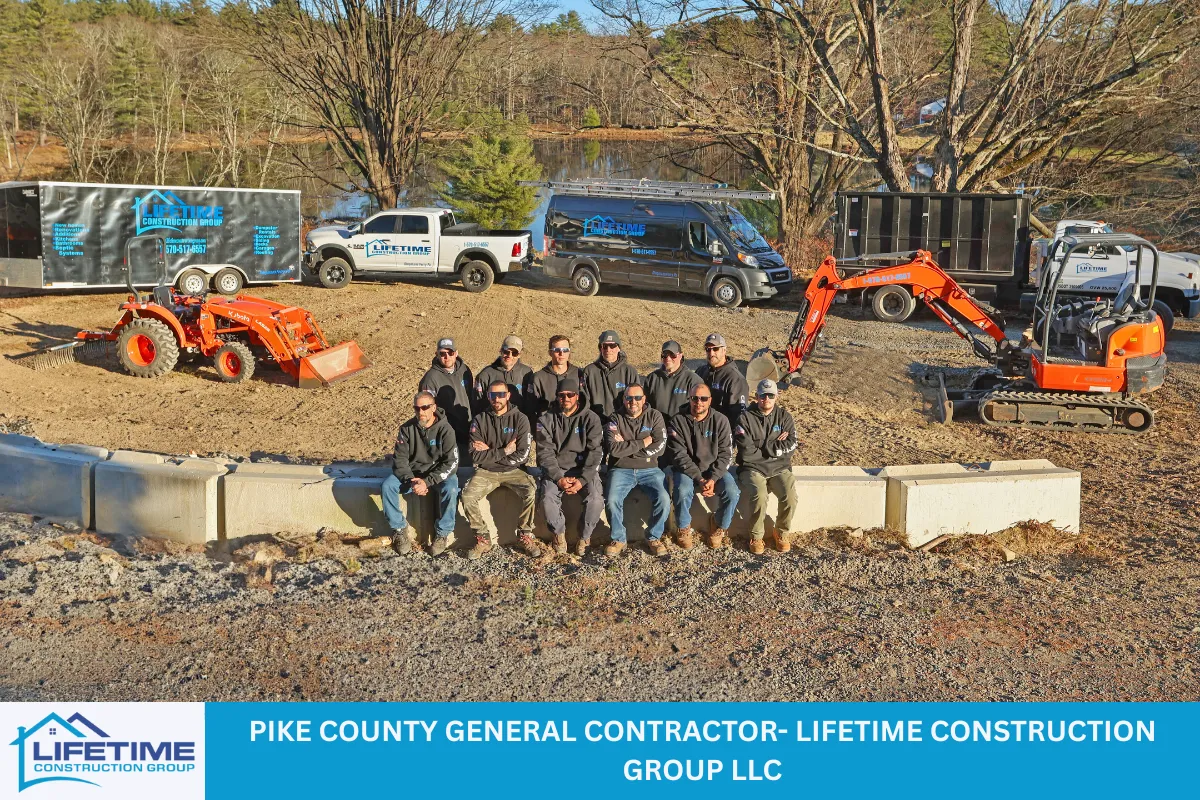
Lifetime Construction Group LLC is the trusted general contractor you need for your next construction project in Pike County! Whether you’re looking to build a new home, renovate your commercial property, or install a new roof, we have the expertise to deliver exceptional results. With years of experience in construction, we provide high-quality service, working closely with clients to ensure every project is completed on time and within budget.
Our team of professionals is dedicated to delivering top-notch workmanship, using only the finest materials and techniques. From roofing and siding installation to historical renovations and septic system maintenance, we offer a wide range of services designed to meet your needs. Contact us today at (570) 517-6557 for a reliable, efficient, and expert construction experience!
Frequently Asked Questions (FAQ)
1. What is the difference between a general contractor and an independent contractor?
A general contractor oversees entire construction projects, from the initial planning phase to project completion. They manage multiple aspects, including budget control, hiring specialized trade contractors, coordinating construction work, and ensuring that all safety protocols are followed. In contrast, an independent contractor focuses solely on a specific task or trade. For example, a plumber, electrician, or roofer may be considered an independent contractor.
General contractors are responsible for the overall project management, while the general contractor hires independent contractors to complete individual tasks as part of the project scope.
Additionally, general contractors handle contract management, ensuring all contract requirements are met, including insurance policies and surety bonds. Independent contractors, on the other hand, work under the general contractor’s supervision and do not typically deal with overall project coordination.
2. How does project management work in the construction industry?
Project management in the construction industry is the art of planning, executing, and closing construction projects while ensuring they meet deadlines, budgets, and quality standards. Successful project coordination involves organizing resources, managing labor, and addressing regulatory requirements.
A project owner hires a general contractor to lead the project, and the contractor manages everything from the procurement of materials to managing construction laborers. General contractors are responsible for adhering to the project timeline, maintaining cost management, and ensuring compliance with safety standards.
In this role, risk management is essential, as unexpected issues such as weather delays or supply shortages can affect the project timeline. The project manager ensures all teams involved follow the planned construction work, keeping stakeholders informed and adjusting the plan as necessary to maintain efficiency.
3. What is the importance of safety protocols in construction work?
Safety protocols are critical in the construction industry due to the potential risks associated with building work. Construction sites can present various hazards, including falling, equipment malfunctions, and exposure to harmful materials. Adhering to safety standards is essential for preventing accidents and ensuring the well-being of all workers.
Trade contractors and construction laborers must follow strict safety procedures, including wearing protective gear, using proper tools, and ensuring equipment is maintained and functional. Furthermore, contract requirements often stipulate that a project must meet safety protocols set forth by local, state, and federal regulations.
General contractors are tasked with enforcing these safety measures across the entire site. They are also responsible for ensuring that all workers are trained and have the necessary certifications, helping mitigate risks and prevent costly accidents.
4. How do surety bonds work in construction projects?
A surety bond is a form of insurance that guarantees a contractor will complete a project according to the terms of the contract requirements. In the construction industry, these bonds protect the project owner if the general contractor fails to meet the conditions outlined in the contract, such as not finishing the work on time or not adhering to quality standards.
Surety bonds are typically a requirement during the license process for contractors and serve as a safety net. If the contractor defaults, the bond guarantees that the project will be completed, either by another contractor or through financial compensation. The bond also protects against any damage caused during building work.
Contractors are required to obtain a surety bond before starting most public and large-scale private projects. This form of risk management ensures that the project can continue without financial interruption if unforeseen issues arise.
5. Why is the license process important for general contractors?
The license process is a fundamental step for general contractors in ensuring they are qualified to manage and execute construction work legally. In Pike County and other areas, obtaining a contractor’s license involves meeting regulatory requirements, including demonstrating the knowledge, skills, and experience necessary to safely and efficiently manage construction projects.
A licensed contractor must have a solid understanding of building codes, construction laborers’ rights, and safety standards, ensuring compliance with local laws and regulations. Furthermore, licensed contractors often need to show proof of insurance policies, including general liability and workers’ compensation insurance, to protect both themselves and their clients.
Being properly licensed helps establish credibility and assures project owners that the contractor is a reliable and professional choice for project coordination and cost management.
Read more: Seasonal Roofing Challenges in Dingmans Ferry, Pennsylvania, and How Roofing Contractors Solve Them