
A roofing contractor in Dingmans Ferry, Pennsylvania, must account for various environmental conditions that change with each season. Fluctuating temperatures, snow accumulation, heavy rainfall, and high humidity all contribute to the gradual breakdown of roofing systems. These conditions require ongoing attention and proper planning to ensure residential and commercial roofs remain in stable condition throughout the year.
This blog discusses the seasonal roofing challenges specific to Dingmans Ferry and explains how experienced roofing contractors address them. Each section focuses on weather-related stressors, common roofing problems during different times of the year, and the methods professionals use to prevent damage, extend roof life, and maintain structural integrity.
Understanding Dingmans Ferry’s Seasonal Roofing Stressors
The geographical position of Dingmans Ferry in northeastern Pennsylvania means homeowners must manage a true four-season climate. This results in varying patterns of moisture, temperature, wind, and UV exposure throughout the year, all of which directly affect roofing performance and longevity.
The Influence of Cold Winters
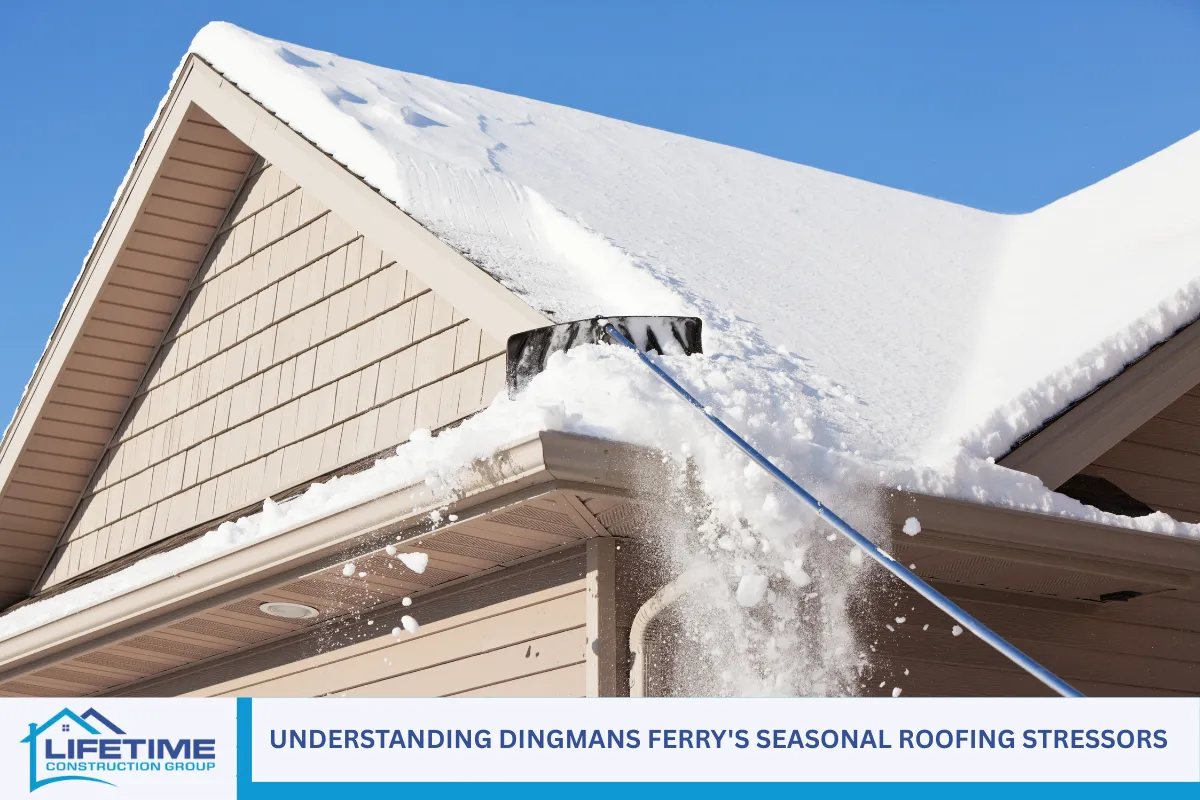
Winters in Dingmans Ferry can be long and harsh, with subfreezing temperatures and frequent snowfall. These conditions promote the formation of ice dams, where melting snow refreezes near the edges of the roof, forcing water to back up under shingles. Additionally, accumulated snow can create significant weight stress on older or poorly supported roofing systems.
Another cold-weather concern is thermal contraction and expansion. As temperatures fluctuate between night and day, roofing materials like shingles and flashing expand and contract repeatedly. Over time, this cycle contributes to cracked seals, loose fasteners, and general deterioration.
The Pressure of Wet Spring Conditions
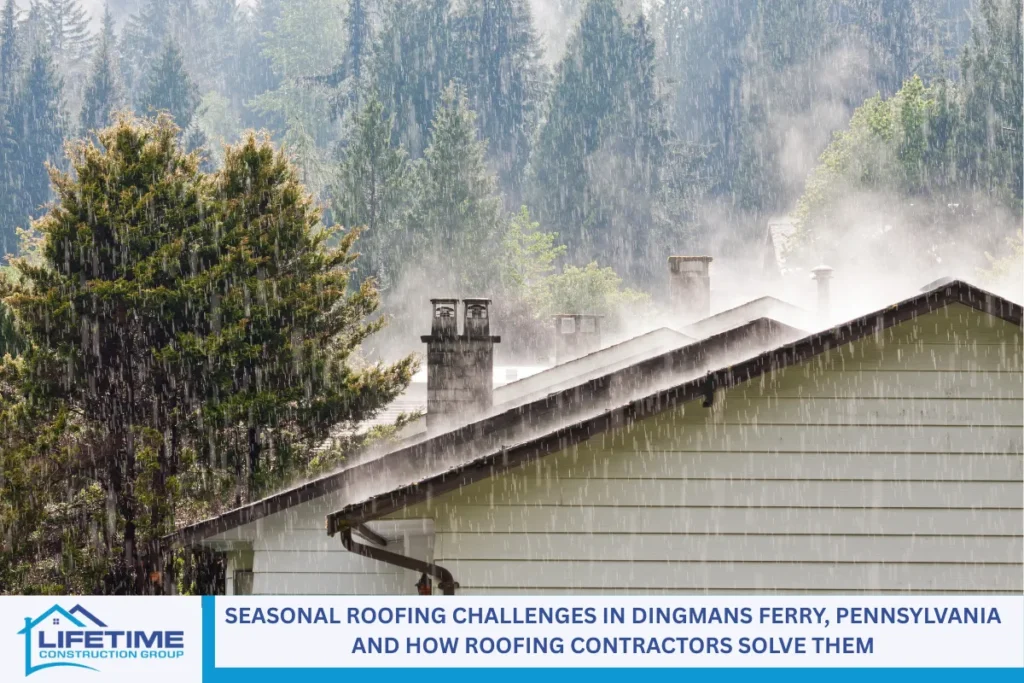
Spring often introduces high moisture levels, especially during the thawing period when snowmelt combines with increased rainfall. This excess water needs efficient drainage, or it can seep into weak points in the roof structure. Roof valleys, gutters, and flashing become highly vulnerable during this period.
In addition to water intrusion, trapped moisture can cause mold growth in the attic or beneath roof layers. Roofing contractors closely monitor these areas during spring inspections to ensure the integrity of the entire system and protect the home’s internal air quality.
The Impact of Humid Summers
Summer in Dingmans Ferry brings direct sunlight and high humidity levels. Asphalt shingles absorb ultraviolet radiation, which accelerates material breakdown. Over time, this exposure leads to curling, blistering, or cracking of roofing surfaces.
Humidity compounds these problems by creating an ideal environment for mildew, algae, or moss, especially on shaded roof sections. If not cleaned or treated, this organic buildup can erode roofing materials and compromise the overall structure.
The Hazards of Windy Autumns
Autumn presents its mix of challenges, particularly with the arrival of wind storms and falling debris. Tree limbs, heavy leaves, and sudden gusts can loosen shingles and block gutter systems. Leaves trapped in gutters lead to clogs, preventing water from flowing off the roof properly. Water that sits near the roofline can pool and seep into seams or beneath shingles.
This season is also crucial for preparing the roof for winter. Any unresolved issues in the fall can escalate rapidly once the snow begins to fall.
Common Roofing Issues Caused by Seasonal Changes
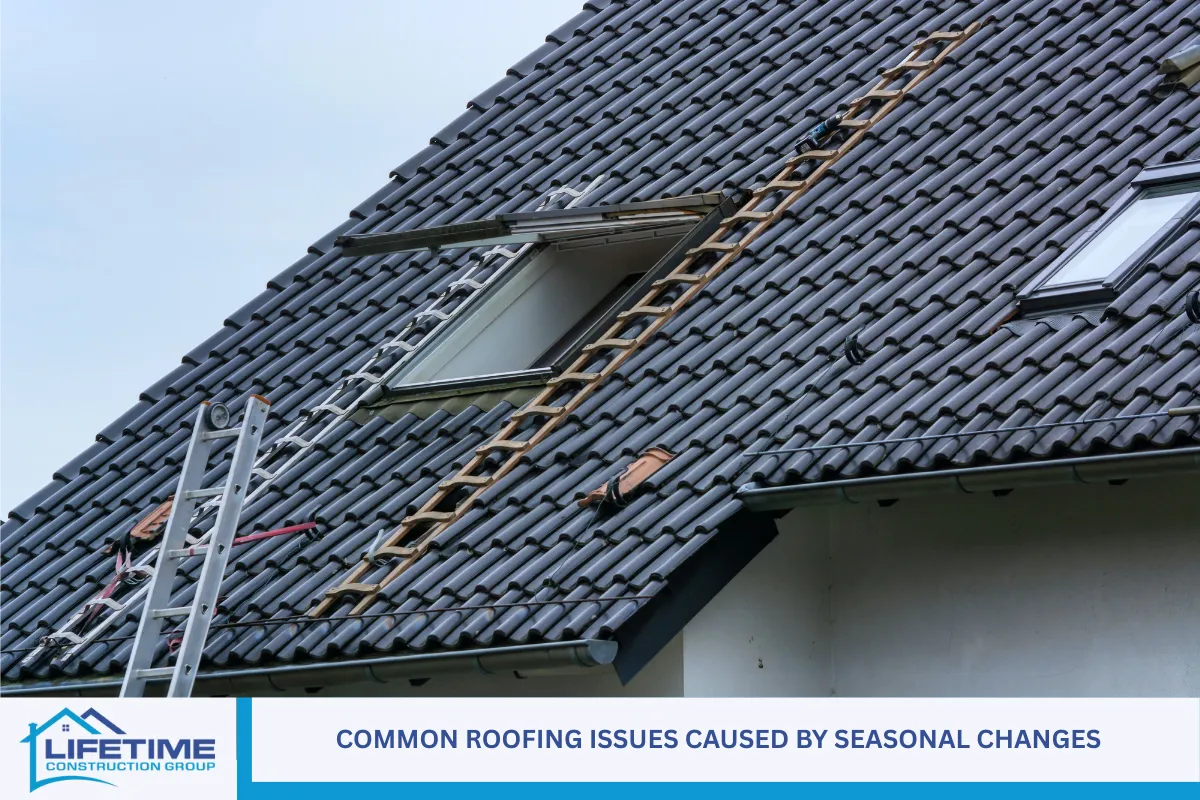
Recognizing the effects of the climate on roofing systems can help homeowners understand the importance of seasonal maintenance and inspections. Roofing contractors in Dingmans Ferry frequently encounter the following seasonal issues:
Ice Dams and Snow Load
Ice dams occur when attic heat melts rooftop snow, which then refreezes near the eaves. The resulting ice barrier prevents proper drainage and can lead to serious leaks. The accumulated snow also puts excess stress on the structural framing beneath, particularly on low-slope roofs.
Water Leaks and Staining
Spring and fall are prime seasons for water intrusion. Leaks often form around vent pipes, skylights, flashing, or improperly sealed valleys. Over time, water finds its way into ceilings and walls, leaving yellow or brown stains and promoting mold growth.
Shingle Damage and Surface Wear
From the UV damage in summer to the wind uplift in autumn, shingles are constantly being tested. Curling edges, missing shingles, and granule loss reduce the roof’s ability to repel water and reflect heat. Cracked shingles, often unnoticed, can compromise the entire roofing envelope.
Gutter Overflow and Roof Edge Rot
Clogged gutters cause water to back up under shingles at the roof’s edge. This leads to fascia and soffit rot, which weakens the roof’s perimeter and invites insects or animals into the attic space.
Roofing Contractor Solutions for Each Season
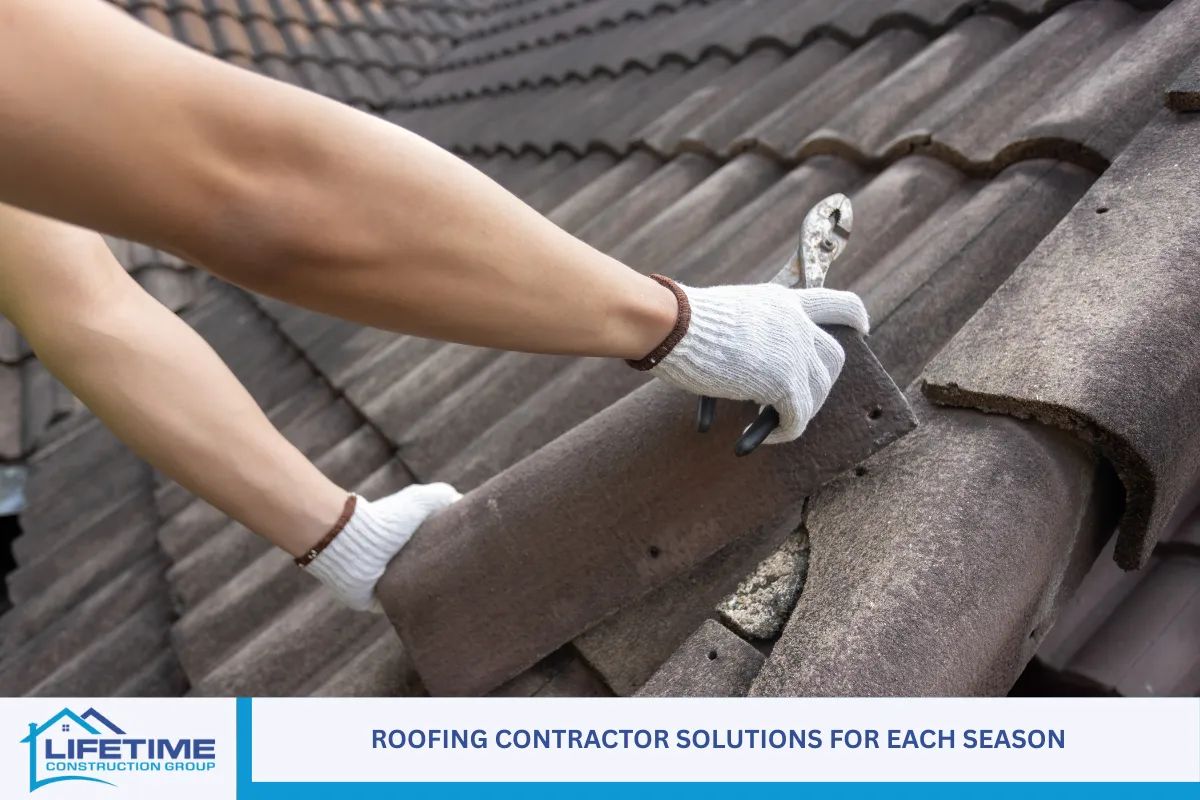
Professionally trained roofing contractors employ a range of seasonal tactics and preventive strategies to combat these weather-related issues. Their approach involves both proactive inspection and responsive repair to extend the life of the roof and reduce costly emergencies.
Pre-Winter Roofing Preparation
Contractors prepare homes for winter by checking for:
- Proper attic ventilation to reduce snow melt on the roof
- Damaged or worn flashing that may cause leaks
- Vulnerable areas near chimneys, skylights, or vents
They also install water and ice shield membranes in critical areas and recommend snow removal tools or services to prevent overloading.
Spring Inspection and Drainage Improvements
After the winter thaw, contractors focus on:
- Checking for hidden leaks or attic moisture
- Repairing any winter-damaged shingles or roof decking
- Cleaning gutters and ensuring downspouts direct water away from the foundation
They may also apply moss-resistant treatments or recommend replacing worn shingles to prevent summer damage.
Summer Ventilation and Reflective Roofing Options
To deal with heat and humidity, roofing professionals:
- Install ridge vents, soffit vents, or attic fans to reduce trapped heat
- Recommend UV-resistant or cool roofing materials
- Inspect and repair areas prone to heat blisters or warping
Improving air circulation under the roof can significantly lower cooling costs and extend the lifespan of roofing components.
Autumn Cleanup and Storm Readiness
Before winter returns, contractors:
- Clear leaves and debris from gutters
- Reinforce loose shingles or flashing
- Inspect for tree limbs that may threaten the roof
This preparation helps reduce emergency repair needs during winter storms and prevents minor issues from escalating.
The Importance of Material Selection in Dingmans Ferry

Choosing the right roofing material based on local climate conditions is key to long-term success. Contractors in Dingmans Ferry typically work with materials best suited to handle seasonal extremes.
Asphalt Shingles
A popular choice due to affordability and availability, asphalt shingles offer moderate durability. They require proper installation and regular maintenance, especially after winter or summer wear.
Metal Roofing
Metal performs exceptionally well in snowy regions due to its ability to shed snow quickly. It’s also resistant to wind, fire, and rot, making it a great year-round solution. However, it must be installed with precision to handle expansion and contraction.
Architectural Shingles
These are a more durable and aesthetic upgrade to standard asphalt shingles. They perform better under high winds and harsh sun, making them ideal for areas like Dingmans Ferry with significant weather shifts.
Why Proper Ventilation and Insulation Matter
Good ventilation ensures your roof lasts longer and protects your home more effectively. Contractors often evaluate attic airflow and insulation levels to reduce stress on the roofing system.
A well-ventilated attic prevents snow from melting unevenly, which reduces the formation of ice dams. It also removes excess humidity that could cause mold or rot during warmer months. Proper insulation, on the other hand, keeps indoor temperatures stable and reduces energy waste year-round.
Contractors may install baffles, ridge vents, or upgrade insulation materials to balance the air exchange between the attic and outdoors, creating a roof system that breathes and performs efficiently.
Regular Maintenance as a Roofing Strategy
Consistent maintenance is the most cost-effective way to extend a roof’s life. Roofing contractors encourage homeowners to treat roof care as part of their seasonal home maintenance routine.
This includes:
- Biannual roof inspections (spring and fall)
- Clearing debris after storms
- Checking flashing and sealants
- Cleaning gutters and roof valleys
- Trimming overhanging branches
These simple actions help prevent bigger problems, maintain warranty coverage, and ensure early detection of developing issues.
Choosing a Roofing Contractor in Dingmans Ferry
A local roofing contractor familiar with Dingmans Ferry’s weather and housing styles is essential for quality work. Homeowners should choose contractors who have experience in the region, proper licensing, and references from nearby clients.
Key qualities to look for include:
- Transparent estimates and timelines
- Clear communication throughout the project
- Use of durable, climate-appropriate materials
- Post-installation inspection and cleanup
- Willingness to offer seasonal maintenance plans
Selecting the right roofing professional ensures the work will stand up to the region’s weather and provide peace of mind through every season.
Preparing Your Roof for the Seasons Ahead
Every season in Dingmans Ferry brings its own set of weather-related roofing risks. The freeze-thaw cycles of winter, the moisture overload of spring, the intense UV exposure of summer, and the storm activity of autumn all work together to stress roofing systems in different ways. Without proper inspection, material choice, and ongoing care, even a new roof can wear down prematurely.
Homeowners should rely on professional roofing contractors to navigate these challenges effectively. By understanding the seasonal threats and applying preventive solutions, roofing professionals help protect the structural integrity and energy efficiency of your home year after year. Proactive planning and routine maintenance are not just suggestions — they are essential strategies for keeping your home protected and your investment secure.
Dingmans Ferry Roofing Contractor – Lifetime Construction Group LLC
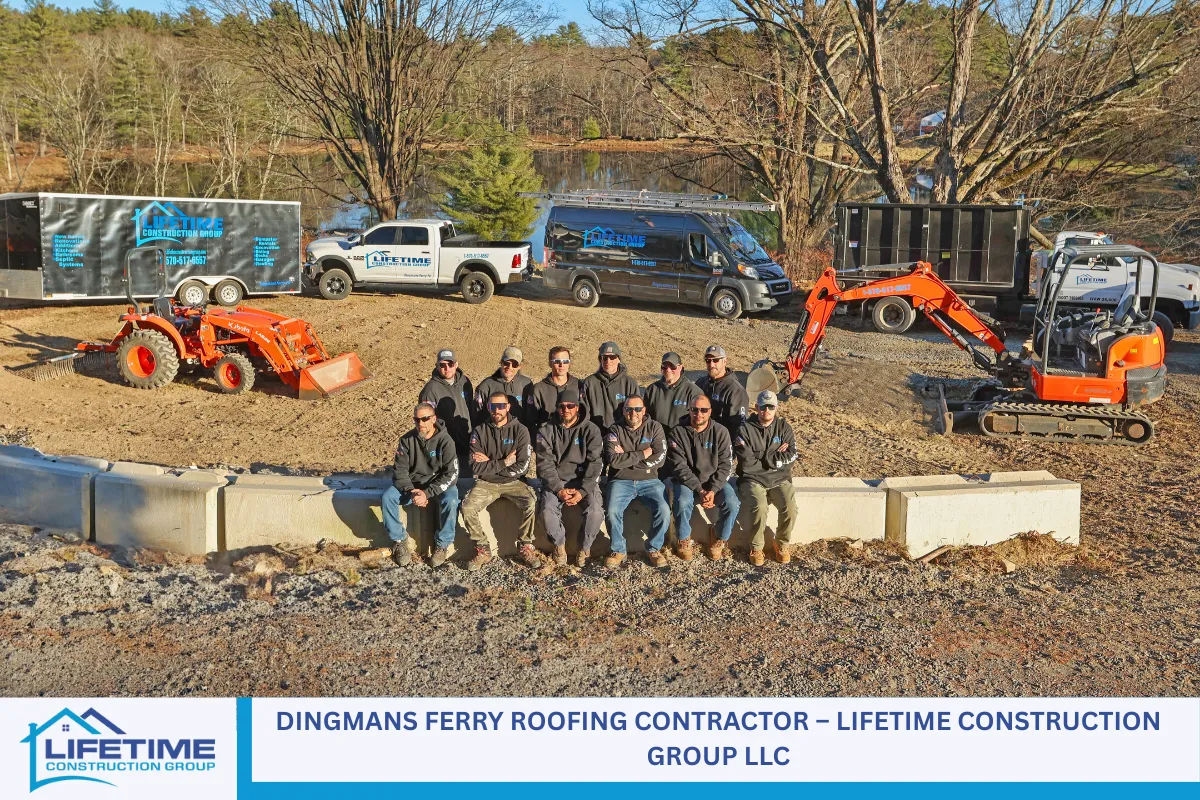
Lifetime Construction Group LLC provides roofing services in Dingmans Ferry that are suited to the area’s seasonal conditions. Our work includes inspections, repairs, replacements, and installations using durable materials and proven techniques. Every project is handled with attention to detail, ensuring the roof performs reliably throughout the year.
In addition to roofing, we also handle siding installation, historical renovations, garage building, custom woodworking, and septic system installation and maintenance. We offer site preparation, general construction services, and dumpster rental. For more information or to schedule a service, contact us today at (570) 517-6557!
Frequently Asked Questions About Seasonal Roofing in Dingmans Ferry, PA
What’s the best time of year to schedule a roof inspection?
The ideal time for a roof inspection is during the fall and spring seasons. Fall inspections help prepare your roof before winter snow and ice cause stress on the structure. Spring inspections assess any hidden weather impacts from snow loads or ice dams that may have gone unnoticed during colder months.
Roofing contractors often consider these periods as safer and more efficient due to milder weather conditions. In contrast, the summer months can bring peak temperatures that cause roofing materials like asphalt shingles and wood shakes to expand or crack, complicating repair work. Similarly, winter weather events can make roofs slippery and hazardous to inspect or repair.
Scheduling inspections outside of peak demand seasons also reduces wait times and costs. Regular assessments help detect moss and algae growth, early signs of roof leaks, and deterioration in roof vents, gutters, or flashing, ensuring timely preventive maintenance before problems worsen.
How do changing weather patterns affect different roofing materials?
Fluctuating weather patterns throughout the year affect roofing materials differently based on their composition and durability. For example:
- Metal roofing is highly resistant to moisture and temperature swings. It sheds snow effectively and reflects solar heat during the summer months, making it ideal for year-round performance.
- Clay tiles perform well in hot, dry regions. Still, they are susceptible to cracking during freeze-thaw cycles common in Dingmans Ferry.
- Wood shakes offer a natural look but require frequent roof maintenance to prevent rot and moss growth from moisture accumulation.
- Ballasted roofs, often found on commercial buildings, can be vulnerable to wind uplift during storms unless properly weighted and maintained.
Advanced systems, like PVC roofing materials and impact-resistant shingles, provide excellent defense against severe weather events, such as hail or heavy snow. Choosing the right material based on local weather conditions is key to avoiding premature roof replacements or structural issues related to thermal expansion and contraction.
What’s the importance of gutter cleaning for roof longevity?
Gutter cleaning plays a crucial role in overall roof condition and home protection. Clogged gutters prevent rainwater from draining properly, leading to water overflow that can soak into the fascia, soffit, and even the roof deck. Over time, this leads to water damage, mold growth, and eventually, roof leaks.
When combined with Gutter Guards, regular cleaning ensures proper water flow away from the home. This is especially important in the fall season when leaves and debris build up quickly, creating blockages.
Unmanaged gutters also cause ice dams during winter by allowing melting snow to freeze at the edge of the roof. This adds stress to roofing materials and shortens their lifespan. Keeping gutters clear is a basic but vital part of preventive maintenance that protects against expensive roof repair or even full replacement later on.
How often should a roof be replaced in a region with harsh weather?
In areas with varying roofing seasons, like Dingmans Ferry, roof replacements may be needed more frequently depending on the material and upkeep. On average:
- Asphalt shingles last 15–25 years with proper roof maintenance
- Metal roofing can last 40–70 years
- Clay tiles and slate roofs may last over 50 years
- Wood shakes typically last 20–30 years if maintained well
However, weather impacts like hail, heavy snow, and high winds can reduce the lifespan significantly if preventive maintenance isn’t performed. Damage often begins unnoticed — such as minor shingle loss or compromised flashing — and leads to more extensive problems like leaks or rot.
Signs that it may be time for a full replacement include recurring roof leaks, sagging structures, widespread granule loss, and visible water staining inside the home. Regular roof inspections help roofing contractors determine whether repairs are sufficient or a full tear-off is the better roofing solution.
What are the benefits of installing roof vents and insulation?
Installing proper roof vents and insulation improves energy efficiency, indoor comfort, and extends the life of your roofing system. Roof vents promote airflow in the attic, preventing excessive heat buildup during summer months and reducing moisture accumulation during colder seasons. This helps minimize moss and algae growth, ice dams, and structural decay.
Insulation installation prevents heat loss during winter and keeps indoor spaces cooler in summer, reducing reliance on HVAC systems and lowering energy bills. This thermal barrier also reduces condensation inside the attic, which can otherwise lead to water damage and mold growth.
Together, vents and insulation work to stabilize attic temperature, protect your roof condition, and prevent costly roof repairs due to hidden moisture problems or warped roofing components. Roofing contractors often assess these elements during a fall inspection or before recommending any major roofing solutions.
Read more: Roof Repair vs. Replacement: Roofing Contractor Insights in Dingmans Ferry, Pennsylvania