
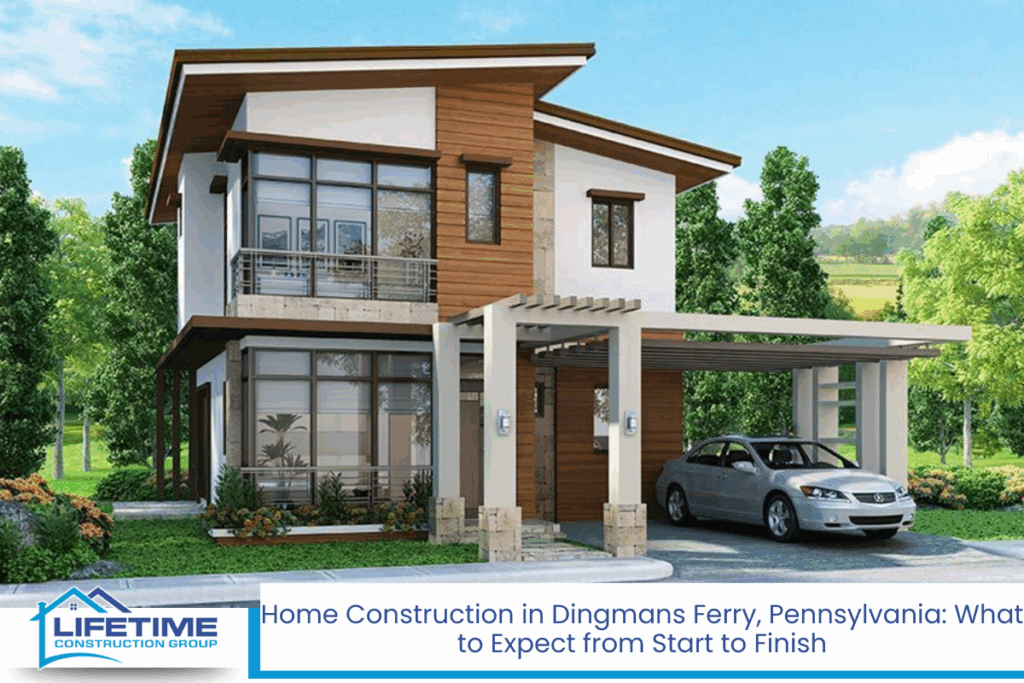
Starting a Dingmans Ferry home construction project can be exciting and a little overwhelming-especially if it’s your first time. Whether you’re dreaming of a custom home tucked in the woods or a cozy modern build near the Delaware River, understanding the building process from start to finish will help you feel confident every step of the way. This guide walks you through all the important parts of home construction in Dingmans Ferry, Pennsylvania-what to expect, who to hire, how long it takes, and what to watch out for. Let’s break it down into clear, easy-to-follow sections!
Planning and Preconstruction: Laying the Groundwork
Before anything is built, a lot of thinking, planning, and paperwork happens. This is called the preconstruction phase.
Budgeting and Financing
To begin, you’ll need to figure out your budget. This means talking to lenders to get pre-approved and deciding how much you can spend on building a home. Your budget should include land costs, design fees, labor, materials, and permits.
Choosing the Right Lot
Dingmans Ferry is known for its beautiful forests and rolling hills. Make sure the lot you choose is suitable for building. A land-clearing team may be needed if there are lots of trees or uneven ground. You’ll also want to know if utilities like water and electricity are available.
Finding Your Builder
Hiring a trustworthy general contractor or homebuilder is key. Look for local builders who know Pennsylvania’s zoning ordinances, building codes, and weather conditions. A good contractor will also manage the construction labor, materials, and scheduling.
Design and Planning: Creating Your Dream Home
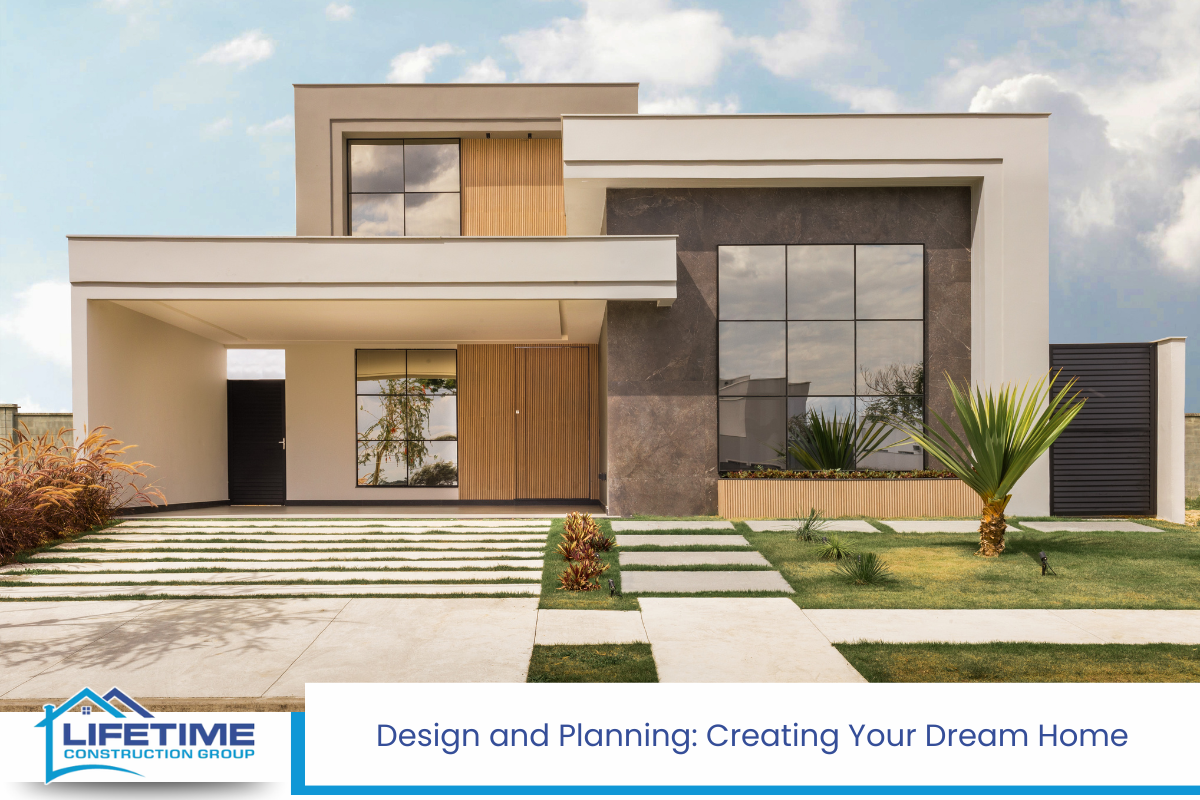
This is when your vision starts to take shape-on paper first.
Building Your Design Team
You may work with an architect, building designer, and interior designer. This team helps you pick a design style, plan your space, and make sure your ideas meet local rules.
Permits and Approvals
Before building, you’ll need a building permit and maybe others like an electrical permit or septic system approval. These come from the municipality or building department, and they make sure your project is safe and legal.
Tools of the Trade
Some professionals may use building information modeling to create 3D plans of your home. This helps you visualize your future space and catch any problems early.
Site Preparation and Foundation: Getting the Land Ready
This phase turns your empty lot into a buildable space.
Land Work Begins
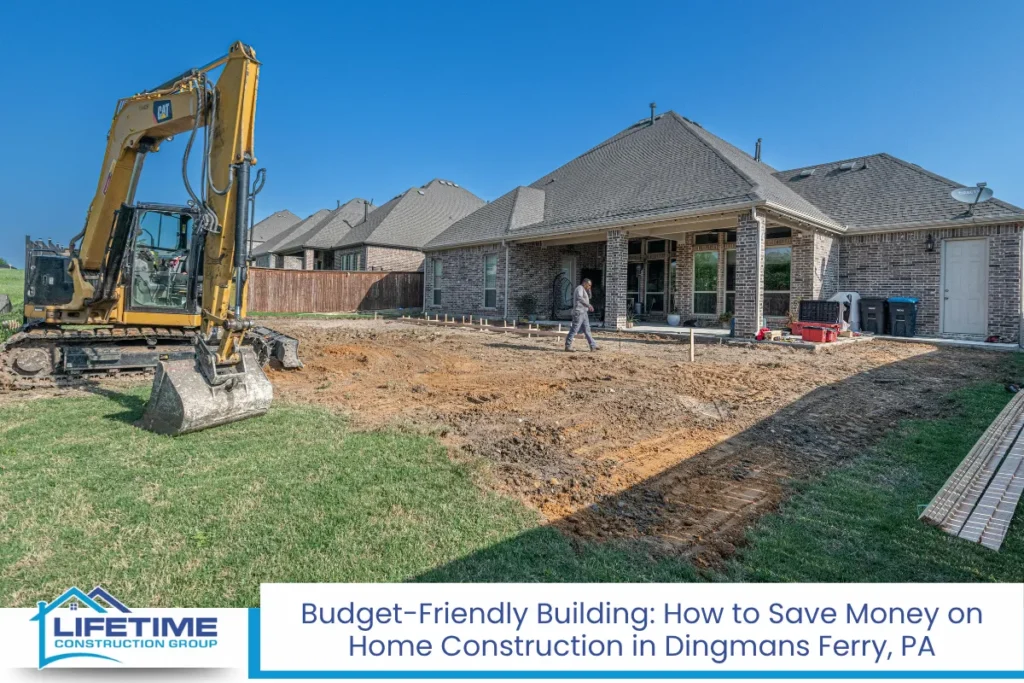
The site preparation phase includes excavation, clearing trees, and leveling the land. Then, workers dig and pour footings, which support the weight of your home.
Laying the Foundation
Next comes the foundation, which can be a slab, crawlspace, or basement-depending on the weather conditions and soil. Concrete is poured to make the foundation strong and stable.
Framing and Structural Work: Building the Bones
Now your home starts to take shape!
Materials and Components
Your construction team will use building materials like lumber, wall panels, roof trusses, and sheathing. These are essential building components that form your home’s structure.
Framing the House
This part of the on-site construction includes putting up the walls, floors, and roof. Roof & floor trusses are installed, and windows and doors are added to enclose the space.
Systems and Rough-Ins: What’s Behind the Walls
Before the walls are closed up, important systems are installed.
Installing Mechanical Systems
Electricians, plumbers, and HVAC crews will install wires, pipes, and ducts. These must follow local building codes and require inspections before moving forward.
Waterproofing and Insulation
Your contractor adds waterproofing layers and insulation to keep your home dry and comfortable. This is vital in Dingmans Ferry, where the seasons bring both snow and humidity.
Interior and Exterior Finishes: Making It Look Like Home
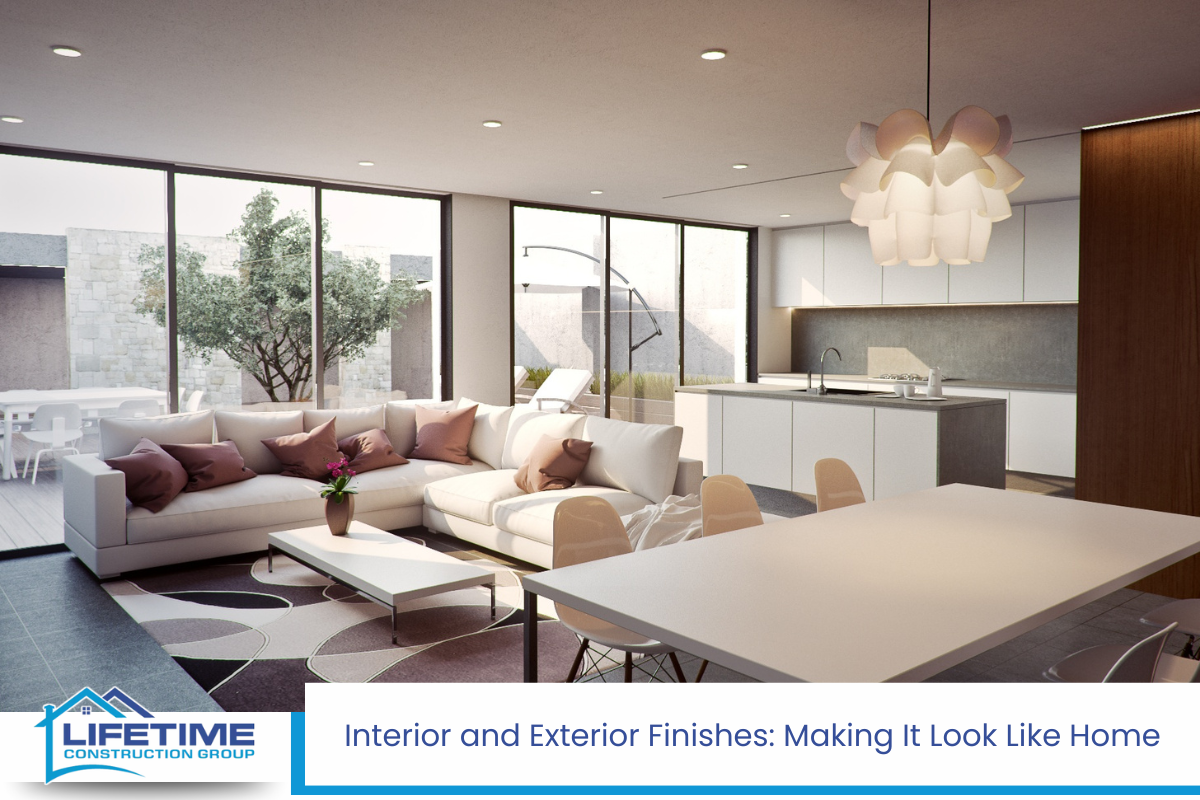
This is where the house starts to feel livable.
Inside the Home
The walls are closed with drywall, then sanded and painted. Cabinets, flooring, and lighting fixtures are added according to your design style.
Outside Details
The outside gets siding, paint, porches, and driveways. If you chose a panelized custom home construction method, many of these parts might be pre-built and installed quickly.
Final Steps and Inspections: Almost Ready to Move In
You’re in the home stretch!
Final Walkthrough and Punch List
Your builder will do a walk-through with you to check for anything that needs fixing. This list of small changes is called a punch list.
Final Inspections and Documents
A local building inspector will check that everything is safe and up to code. When you pass, you’ll receive a certificate of occupancy-a legal document that says your home is ready to live in.
What Makes Dingmans Ferry Unique for Home Construction?
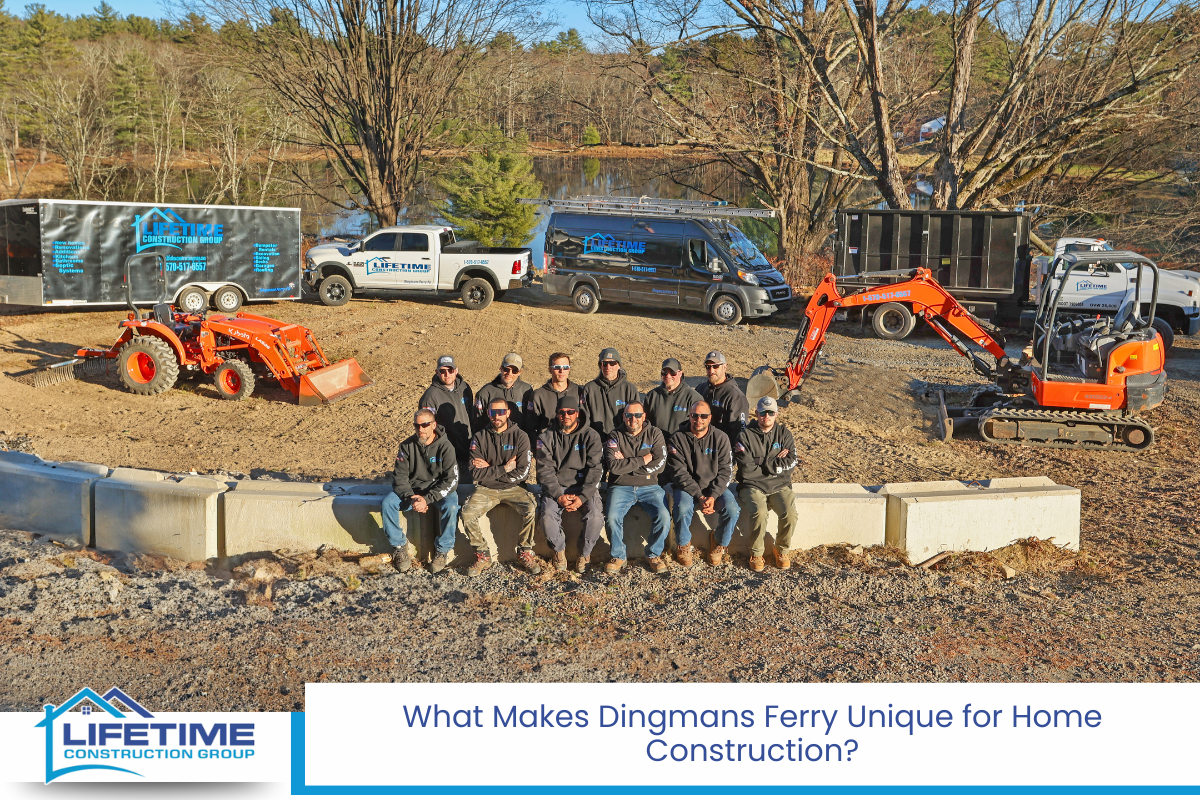
Dingmans Ferry is a small town with big nature. That means you need to think about things like:
- Weather conditions (cold winters, wet springs)
- Soil that may need special excavation work
- Local builders who understand the environment
- Plenty of space for large lots or wooded homes
Because the town is smaller, contractor availability can be limited. Planning ahead helps avoid delays in your construction timeline.
Ready to Build Your Dream Home?
Home construction in Dingmans Ferry, Pennsylvania is a big adventure-but it can be a smooth one if you understand the construction phases and processes. From site preparation and design to pouring concrete and hanging drywall, every step brings you closer to the home you’ve been dreaming of. With the right general contractor, a good plan, and knowledge of the building process, your new home in Dingmans Ferry can be both beautiful and built to last.
Pike County General Contractor – Lifetime Construction Group LLC
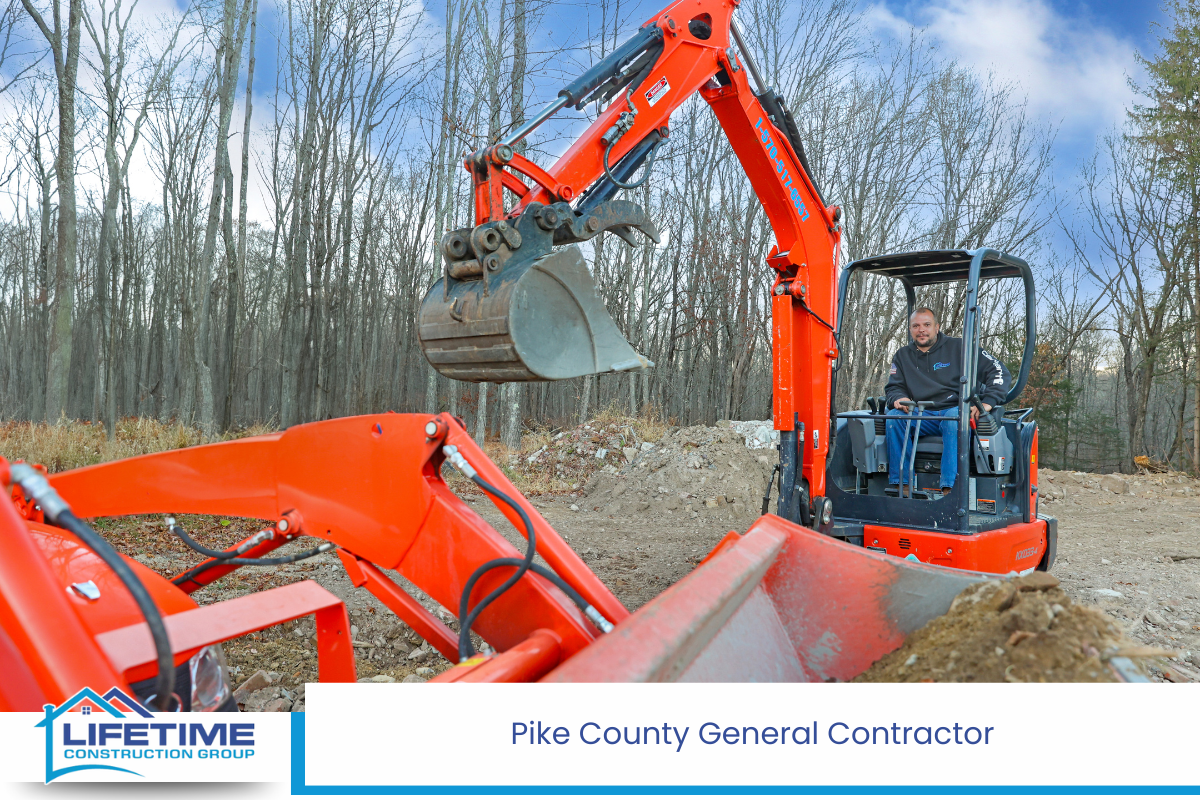
Planning a home construction project in Pike County or the surrounding areas? Trust Lifetime Construction Group LLC, your local general contractor, to guide you from start to finish. We specialize in custom homes, site preparation, framing, and full project management-making the entire building process smooth, stress-free, and on time. Whether you’re breaking ground in Dingmans Ferry or nearby, our experienced team handles every phase with quality and care. Let us help turn your dream home into reality. Call (570) 517-6557 today or fill out our easy online contact form to schedule a free consultation. When it comes to building a home, choose a name you can count on-Lifetime Construction Group LLC.
Frequently Asked Questions About Home Construction in Dingmans Ferry
How long does it take to build a house in Dingmans Ferry?
The home construction timeline in Dingmans Ferry typically ranges from 6 to 12 months, depending on the design style, complexity of the home, weather, and materials availability. A custom home may take longer than homes built by production builders because it involves more personalized planning and decision-making. Key factors affecting the construction timeline:
- Size of the home
- Availability of building materials like lumber, windows and doors, and masonry work
- Speed of obtaining a building permit from the building department
- Delays due to labor shortages or poor weather
- Type of home: custom builders take longer than semi-custom builders
Your design team and general contractor can give you a more accurate estimate based on the specifics of your property and plan.
What are hidden costs in a home construction project?
While many costs are expected, others can surprise you. Hidden expenses in home construction often catch people off guard. Some of these include:
- Site survey and survey of the property before building
- Extra costs tied to land and financing, especially if land isn’t already developed
- Unexpected excavation or grading issues
- Upgrades to interior finishes, custom woodwork, or specialty windows and doors
- Fees related to zoning or environmental approvals
- Changes to your design style or layout during construction
- Utility hookups for electric, water, and septic
- Time lost due to labor shortages, bad weather, or materials availability
It’s smart to add at least 10%-15% to your budget for these surprise expenses.
Are modular homes good for Pennsylvania’s climate?
Yes, modular homes are a solid option for Pennsylvania’s climate. Built in a manufacturing division and assembled through on-site construction, these homes are designed to meet or exceed state building codes. They’re energy-efficient, cost-effective, and customizable. Why they work well in Dingmans Ferry:
- Engineered to handle snow, rain, and seasonal temperature swings
- Delivered in sections to the site, reducing delays caused by weather
- Quick construction workflow limits exposure to outside elements
- Designed for better insulation and air sealing
- Faster than traditional builds, helping bypass issues like labor shortages
Work with a builder who’s experienced in modular and semi-custom homes to ensure quality and long-term comfort.
What inspections are required before moving in?
Before receiving your occupancy certificate, several inspections must be completed and approved by the building department. These ensure your home is safe and meets state and local codes. Typical inspections include:
- Foundation and masonry work
- Framing and building materials
- Rough-in for plumbing, electrical, and HVAC systems
- Final interior finishes inspection
- Smoke and CO detectors
- Final inspection for construction certificates
You can’t move in without passing these. Your general contractor is usually responsible for coordinating them. Always confirm with your local municipality for current requirements.
Can I live on the property while building?
In most cases, living on the land while home construction is in progress is not recommended-and often not allowed-until the home receives an occupancy certificate. However, some municipalities may allow temporary structures like RVs or mobile homes during the construction timeline with specific permits. What to consider:
- Check with the building department for rules and zoning
- Utility access (water, electricity, septic)
- Safety concerns on an on-site construction zone
- Delays caused by limited space for construction workflow
If allowed, make sure your contract with the builder outlines safety boundaries and work schedules.
Are there tax breaks for building in Pike County?
While there are no guaranteed tax breaks for home construction in Pike County, some property owners may qualify for real estate tax abatements or energy-efficiency credits through state or federal programs. Possible savings include:
- Energy-efficient systems like solar or geothermal
- Certain construction loans tied to first-time buyers
- Land in Keystone Opportunity Zones may qualify for tax incentives
- Some land sales come with reduced transfer taxes if construction occurs within a set timeline
Speak with a real estate attorney or your local tax office to explore specific programs.
What is the difference between a semi-custom and custom home?
A custom home is fully designed by you and your design team-from the ground up. Every detail, from the design style to the layout and interior finishes, is built to your needs. A semi-custom home starts with a standard floor plan offered by semi-custom builders or production builders but allows for limited personalization. Custom home features:
- Created from scratch with an architect
- Unlimited design options
- Longer construction timeline
Semi-custom home features:
- Pre-designed structure with optional upgrades
- Faster to build
- Often more budget-friendly
Choose based on your timeline, preferences, and budget.
How do I deal with labor shortages or weather delays?
Labor shortages and weather conditions are common in Pennsylvania and can slow down your home construction timeline. These delays impact everything from masonry work to the installation of windows and doors. Ways to manage them:
- Plan ahead and lock in your construction team early
- Order building materials in advance when possible
- Choose builders with a stable workforce
- Work with a general contractor who uses local suppliers to reduce delays
- Use scheduling software or a written construction workflow
Ask your contractor to build in buffer time for delays when planning your construction certificates and move-in goals.
What should be in my contract with a general contractor?
A contract protects both you and your general contractor. It should outline the full scope of work and expectations for your home construction project. Key items to include:
- Description of work and construction timeline
- Payment schedule
- Details about building materials, interior finishes, and brands
- Who is responsible for obtaining the building permit
- Change order policy
- Warranty information
- List of subcontractors
- Handling of delays and labor shortages
- Completion date and penalties for missing deadlines
Make sure all agreements are in writing and signed by both parties.
How do I check if my builder is licensed in Pennsylvania?
To verify a home builder or general contractor, use the Pennsylvania Attorney General’s Home Improvement Consumer Information website. Builders must be registered with the state and have a valid license number. Steps to check a license:
- Visit hicsearch.attorneygeneral.gov
- Enter the contractor’s name or business
- Review license status and complaint history
You can also call the building department in Pike County to confirm local licensing and permit requirements. Don’t skip this step-it ensures your home construction is legal, insured, and code-compliant.
Read How to Choose the Right General Contractor in Pike County, Pennsylvania for Your Home Project