

Hiring a Pike County general contractor for your home renovation or construction project can be exciting-but also a little stressful. From choosing the right person to avoiding scams, there’s a lot to consider. And while a great general contractor can bring your vision to life, a bad one can lead to delays, wasted money, or even legal issues. Whether you’re updating your kitchen or planning a full-scale home improvement, knowing what to avoid can save you from a major headache. In this guide, we’ll walk you through the top 7 mistakes homeowners make when hiring a general contractor-and how you can avoid them, step-by-step.
Mistake 1: Not Vetting the Contractor Properly
Too many homeowners rush this step. You get a recommendation from a friend or see someone’s ad online, and you go for it without doing your homework. Big mistake. Here’s what should be part of your research phase:
- Verify licenses and certifications with local Pike County authorities.
- Ask for referrals and call past clients-don’t just take a name and stop there.
- Check if they have a physical office or are operating out of a truck.
- Look for an online presence on sites like Angi, Thumbtack, HomeAdvisor, or even Amazon Home Services.
- Review BBB Business Profiles and scan social media for customer feedback.
Also, request inspection reports or photos of recent jobs. If it’s a renovation project, ask to see examples of similar work. For large projects, verify that the contractor understands how to work with a homeowners association, if applicable. Don’t forget to ask about criminal background checks for any workers who will be in your home. Trust is important, and you want to feel safe every step of the way.
Mistake 2: Choosing the Cheapest Bid Without Understanding the Scope

We get it-renovations are expensive. But going with the lowest bid can cost you more in the long run. Cheap bids often mean:
- Inferior materials or shortcuts in construction
- Vague or missing details in the project scope
- Future “surprise” costs that weren’t in the original estimate
Instead, ask every contractor to give you a detailed estimate that includes:
- Labor costs
- Cost of materials (be specific-brands, quantities, etc.)
- Start and finish dates
- Project milestones and deadlines
Also, confirm that they’re using safe and proven construction methods. If they mention unfamiliar techniques like Tilt-Up Construction or claim “permits aren’t needed,” it’s worth digging deeper. Use this part of the interview process to evaluate how professional and transparent they are. A higher bid with clear details is usually better than a vague low-ball offer.
Mistake 3: Failing to Verify Licensing, Insurance, and Certifications

This is one of the most important-and commonly skipped-steps. A general contractor must have proper licensing, insurance, and certifications to legally and safely do the work. Here’s what to look for:
- Licensing: They should be registered in Pennsylvania and approved to work in Pike County.
- General liability insurance: This protects your home in case something goes wrong.
- Workman’s Compensation: If a worker gets hurt on your property, this protects you from lawsuits.
- A valid insurance policy: Ask for proof and verify it with the insurer.
- Relevant certifications: Depending on the job, they may need certifications for things like electrical work, mold remediation, or handling hazardous materials like asbestos.
Don’t just take their word for it. Ask for documentation. If they’re licensed and insured, they won’t hesitate to share their paperwork. Also, double-check that they’re aware of local building codes, as well as any permits that are required in Pike County. Contractors who avoid talking about permits or suggest “we can skip that” are a risk you don’t want to take.
Mistake 4: Not Getting a Detailed Written Agreement

A clear written agreement is your protection and your peace of mind. Without it, it’s your word against theirs. Too many homeowners rely on text messages or verbal promises. That’s not enough when timelines shift or costs change. You need a contract agreement that spells everything out. Make sure your contract includes:
- Full project scope
- Payment schedule with project milestones
- Start and end dates
- Who supplies what materials
- How unexpected issues (like a hidden load-bearing steel beam or mold) will be handled
- Cleanup and daily work hours
Also, require that the contractor gives you receipts for materials and labor as the project progresses. Don’t be afraid to get legal advice before signing. If a contractor pushes you to skip the paperwork, that’s a giant red flag. Good contractors want everything in writing too-it protects them as much as it protects you.
Mistake 5: Paying Too Much Upfront

It’s normal to pay a deposit, but handing over most of the money before work begins? That’s risky. Here’s what’s standard:
- A deposit of 10-20% of the total project cost
- Remaining payments tied to project milestones, such as after the foundation is poured or the roof is installed
Never pay the full amount until the work is finished and passes final inspections. You should also keep a copy of every receipt and update your records each time money is exchanged. This helps you stay organized and protected if questions come up later-especially in the case of liens.
Mistake 6: Not Understanding Local Permits and Building Codes
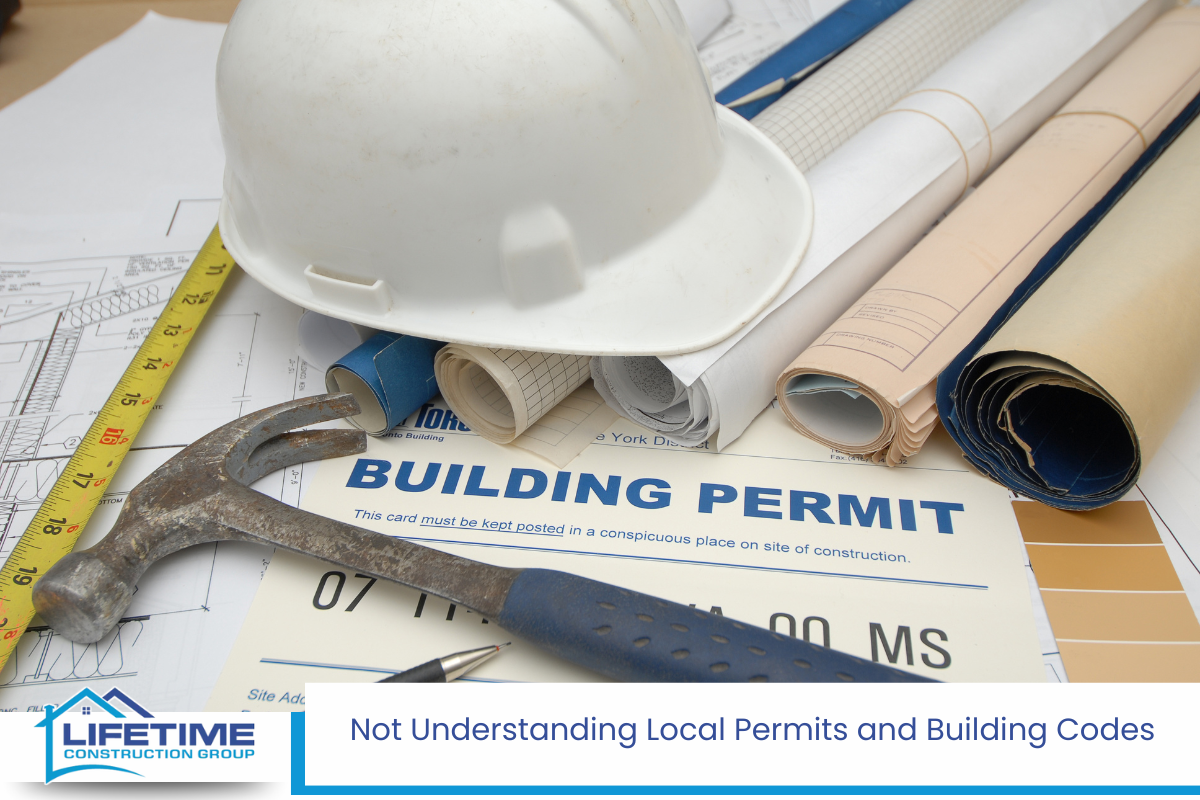
Every county has its own rules, and Pike County, Pennsylvania is no exception. Before starting any home improvement project, check to see if permits are required. Jobs that usually require permits include:
- Electrical rewiring
- Plumbing changes
- Structural changes like moving walls or installing a load-bearing steel beam
- New decks, garages, or additions
- Roof replacements
- Removing hazardous materials like asbestos or mold
Make sure your contractor takes care of this. And ask to see proof that permits have been pulled. If something goes wrong and the work wasn’t permitted, you could be held responsible-not the contractor. Your contractor should also understand local building codes and inspection requirements. If they seem unsure or dismissive, consider that a warning sign.
Mistake 7: Ignoring Red Flags During the Project

Even after hiring a general contractor, you need to stay involved and alert. Some red flags include:
- Lack of regular communication
- Missed project milestones with no clear reason
- Excuses piling up (“I forgot,” “My guy didn’t show,” “We’re waiting on parts”)
- Refusing to provide updates, receipts, or changes in writing
- Using subcontractors you didn’t approve
A good contractor keeps you in the loop with updates and walkthroughs. Some even use construction management software to share timelines and photos. That kind of transparency is a good sign. Don’t hesitate to speak up if something feels off. You’re not just paying for labor-you’re paying for professionalism, too.
Smart Tips for Working with a General Contractor in Pike County
To make your project run smoothly, here are some local and practical tips specific to homeowners in Pike County:
- Confirm licensing and insurance through the Pennsylvania Attorney General’s HICPA database.
- Check permit requirements with your township’s zoning or building department before starting work.
- Be sure your contractor follows Pike County building codes to avoid failed inspections or penalties.
- Ask how they handle safety, especially if the project involves older homes, hazardous materials, or unique builds.
- Look into whether the contractor uses modern techniques or tools like the Design-Build method or Drones for on-site safety.
- Make sure you’re involved in the interview process for any subcontractors, especially on large projects.
Pike County General Contractor – Lifetime Construction Group LLC
Looking for a reliable general contractor in Pike County, Pennsylvania? At Lifetime Construction Group LLC, we bring experience, professionalism, and quality to every home improvement or renovation project. From detailed contracts to proper permits, insurance, and clear communication, we do things the right way-no shortcuts, no surprises. Whether you’re updating a kitchen or building a new addition, we ensure your project meets local building codes and stays on track. Don’t risk the common contractor mistakes-work with a team that values trust and results. Call us today or fill out our contact form to schedule your free consultation. We proudly serve Pike County and the surrounding areas. Your dream project deserves a contractor who gets it right the first time!
Frequently Asked Questions
How can I tell if a contractor is licensed in Pike County, PA?
To confirm if a general contractor is licensed in Pike County, Pennsylvania, use the Home Improvement Consumer Protection Act (HICPA) registration tool provided by the Pennsylvania Office of the Attorney General. This statewide system lets you search by business name or number to see if a contractor is legally allowed to work on residential jobs. Also, check if the contractor maintains a legitimate business line, lists a physical address, and has a consistent online presence. Reputable professionals often appear on trusted directories like Angies List. A reliable construction company will never hesitate to provide proof of insurance, licensing, and Workman’s Compensation coverage.
Do I need a building permit for a deck or shed in Pike County?
Yes, most construction projects involving permanent structures-like a new deck, shed, or addition-require a building permit in Pike County. The permit process helps ensure that your home renovation complies with local codes and safety standards. Contact your township or municipal office to find out the specific permit requirements for your location. Permits are also typically needed for electrical, plumbing, or structural work. A licensed general contractor should handle this for you, but it’s your responsibility to confirm it’s been done. Failing to secure permits can lead to fines, work stoppages, or denied inspections.
What should I include in a contract with a general contractor?
A strong contract is essential for protecting your investment. When hiring a general contractor, include these core details in the agreement:
- Full project description and timeline
- Itemized cost of materials and labor
- Payment schedule tied to project milestones
- Proof of general liability insurance and Workman’s Compensation
- Handling of delays, change orders, and cleanup
- Estimated completion date and warranty info
The contract should be signed by both parties and include emergency budget allowances for unexpected issues. It’s also smart to list any subcontractors involved, especially on larger commercial building contractor projects.
How can I protect myself legally when hiring a contractor?
To stay protected, start by hiring a licensed and insured general contractor. Verify credentials with state and local authorities and confirm they carry general liability insurance and Workman’s Compensation. Always use a signed contract that clearly outlines the job, cost of materials, timeline, and payment terms. Keep records of every transaction, including receipts and communication. Don’t pay large sums upfront and never agree to under-the-table payments. Ask for lien waivers to protect your property from unpaid subcontractor claims. Consider legal advice for larger home renovation projects or if you’re working with a construction company unfamiliar with local laws.
What are some warning signs of a contractor scam?
Watch out for these red flags that could signal a contractor scam:
- No license or proof of insurance
- Refuses to give a written contract
- Requests full payment upfront
- Vague about cost of materials and timelines
- Poor or nonexistent online presence
- Pushy sales tactics or “today only” pricing
- No listing on sites like Angies List or BBB
Also, beware of contractors who lack a physical office or business line. Reliable construction companies often have a professional local image and are open about their credentials, history, and past projects.
Can I withhold final payment if the work isn’t completed properly?
Yes, you can-and should-withhold final payment if your project isn’t completed to the agreed standards. Your contract with the general contractor should link payments to project milestones, including a final inspection or sign-off. Keep a checklist during your home renovation to track completed work. If problems arise, communicate in writing and give the contractor a chance to fix the issues. If they refuse, you may need legal advice. Holding the final payment is one of the few tools you have to ensure accountability in the construction industry and protect your property long-term.
How much should I expect to pay upfront to a general contractor?
You should expect to pay a deposit of 10% to 20% of the total project cost upfront. This helps the general contractor cover initial costs of materials or permits. Anything higher than 30% may be a red flag, especially if you haven’t signed a contract or received an official estimate. The rest of the payments should follow a schedule based on completed project milestones. Make sure these terms are written clearly in the contract. Also, account for an emergency budget in case the cost of materials increases or unexpected repairs are needed during the build.
Is it better to hire a local contractor or a regional one in rural areas like Pike County?
In rural areas like Pike County, hiring a local contractor often brings major benefits. A local general contractor is more familiar with township-specific regulations, permit processes, and construction industry contacts. They’re also likely to have relationships with local suppliers, making it easier to control the cost of materials and access services quickly. Local contractors usually maintain a stronger local image and are easier to reach through a nearby business line or in-person office. While a regional commercial building contractor may offer more staff, they can lack the hands-on service and accountability that local professionals provide. Read What Services Does a General Contractor in Pike County, PA Typically Offer?