

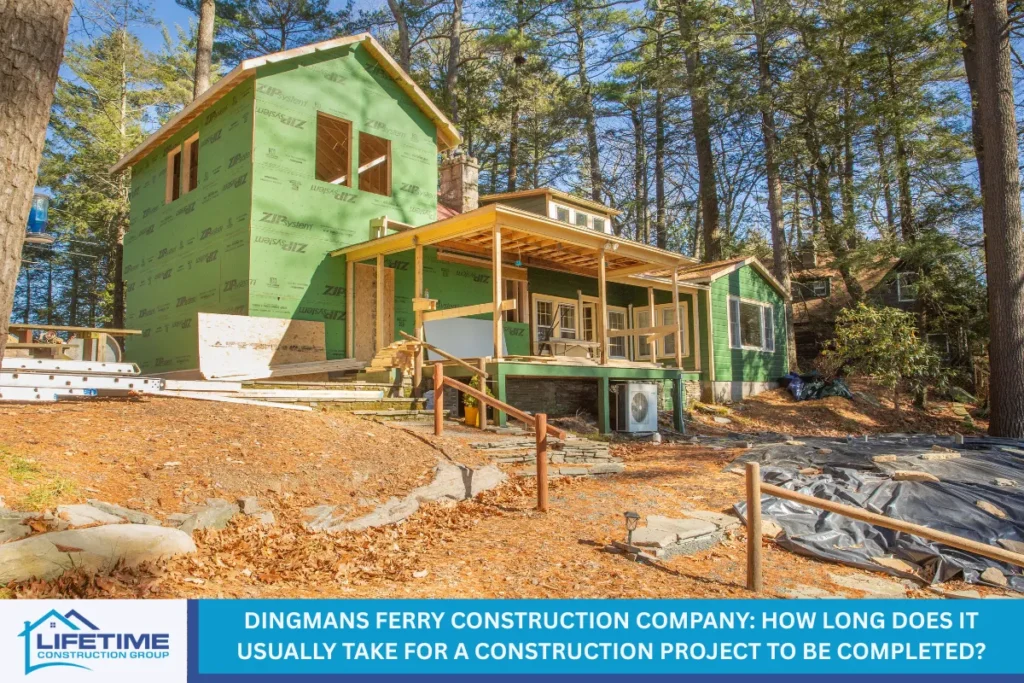
A construction company plays a crucial role in building residential and commercial structures, and understanding how long it typically takes to complete a construction project in Dingmans Ferry is vital. The completion time of any construction project can be influenced by a variety of factors, including the project’s scale and the regional weather conditions. This article will examine how these factors influence the timeline of construction projects in Dingmans Ferry, offering a comprehensive understanding of the typical duration required for such projects to be completed.
Factors Affecting the Completion Time of a Construction Project
Understanding the primary factors that contribute to the duration of a construction project is essential. Several elements influence how long a construction company will take to complete a project in Dingmans Ferry, from the type of work to the logistics involved in getting everything done. Below are some of the key factors that construction companies must consider when estimating a timeline.
1. Type of Project
The type of construction project plays a significant role in determining the time required to complete it. Each project, whether residential, commercial, or otherwise, requires different levels of labor, materials, and expertise. The scope of work and complexity of the project will dictate the overall timeline.
For example, new home construction typically takes longer than smaller renovations or repairs. On average, building a home from the ground up in Dingmans Ferry can take between 6 to 12 months. Larger, more customized homes, especially those with intricate designs, may require longer construction times. In contrast, simpler projects, such as roof replacements or siding installations, are generally completed within a few days to a few weeks, depending on the size of the home and the prevailing weather conditions.
On the other hand, commercial construction projects, such as office buildings, schools, or shopping malls, often require a longer timeframe, sometimes ranging from 1 to 3 years, depending on the project’s size and complexity. These projects typically require more extensive regulatory approvals, detailed planning, and larger teams of workers, which can prolong the completion time.
2. Permits and Regulatory Approvals
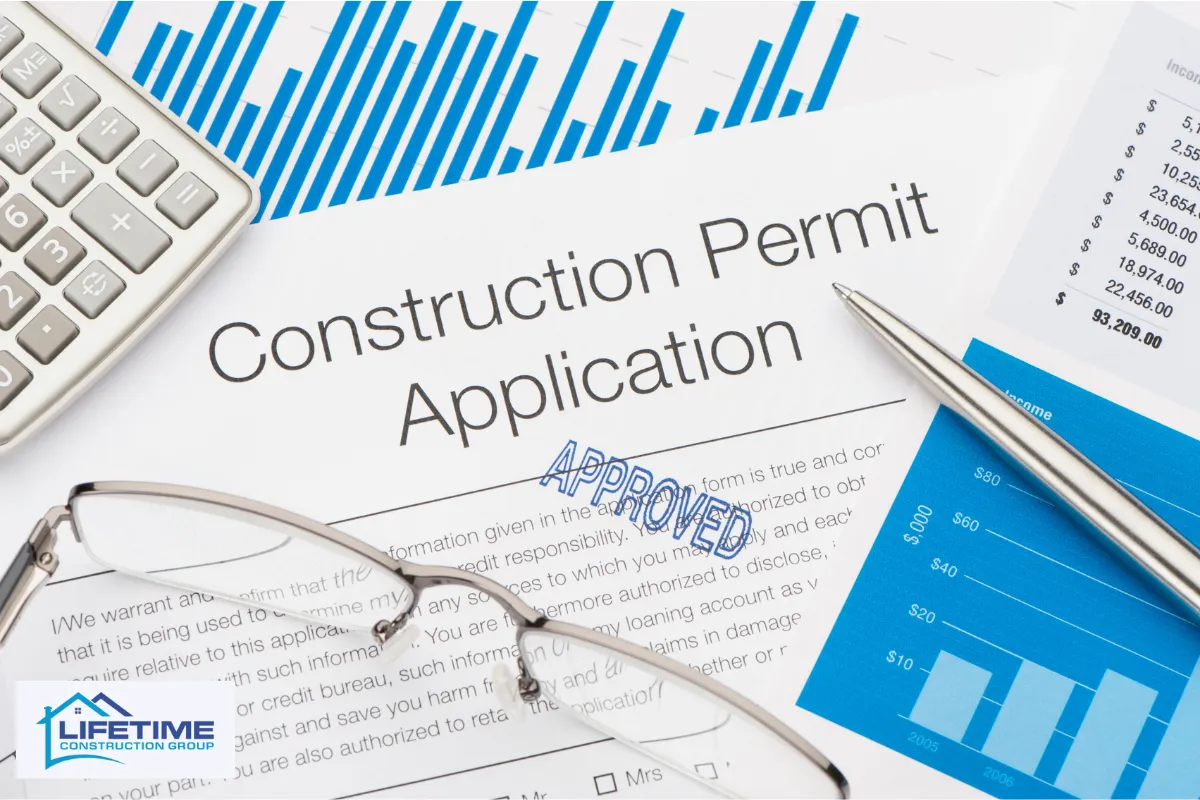
Before any construction work can begin, several permits and approvals must be obtained from local authorities in Dingmans Ferry. These can include zoning permits, building permits, and environmental permits, among others. The time required to obtain these permits can vary, and delays in the approval process can significantly delay the project’s start date.
In Dingmans Ferry, construction companies are often required to submit detailed plans and undergo inspections throughout the construction process. These steps ensure that the project meets local building codes and environmental regulations. While the permitting process may take weeks or even months, it is a crucial part of any construction project. It must be factored into the estimated timeline.
3. Labor Availability and Team Size

The availability of skilled labor is another factor that impacts the timeline of a construction project. The construction industry, particularly in areas like Dingmans Ferry, often faces challenges related to labor shortages. A lack of qualified workers can lead to delays in completing various tasks, such as framing, electrical installation, plumbing, and finishing work.
Additionally, the size of the construction crew also plays a role in how quickly the project can be completed. Larger crews can complete tasks more quickly, but this also comes with the challenge of managing a greater number of workers. A construction company must ensure that there is an adequate team size and that the crew is appropriately skilled for each aspect of the job. The more experienced and well-coordinated the team, the faster the construction process will generally go.
4. Weather Conditions in Dingmans Ferry
Weather is one of the most unpredictable factors that can impact the timeline of a construction project. Dingmans Ferry, located in the Pocono Mountains, experiences a variety of weather conditions throughout the year, including snow, rain, and high winds. These conditions can significantly delay outdoor construction work, such as excavation, roofing, and exterior installations.
In winter, for example, snowfall can halt construction activities for days or even weeks at a time. Similarly, heavy rain can create muddy conditions, making it difficult for excavation or foundation work to proceed. To account for this, construction companies in Dingmans Ferry often build extra time into their project schedules during the colder months to handle weather-related delays.
5. Supply Chain and Material Delays
Construction materials, including lumber, concrete, steel, and roofing materials, must be delivered to the site before construction work can continue. Any delays in the supply chain—whether due to transportation issues, shortages, or global supply chain disruptions—can result in a delay in project completion.
For example, suppose a critical material, such as cement, is delayed or unavailable. In that case, it can cause a bottleneck in construction work, slowing down the entire process. A construction company in Dingmans Ferry needs to coordinate with suppliers to ensure that all necessary materials are delivered on time. Delays in material deliveries are particularly common during high-demand seasons, such as spring and summer, when construction projects are at their peak.
Typical Timeframes for Construction Projects in Dingmans Ferry
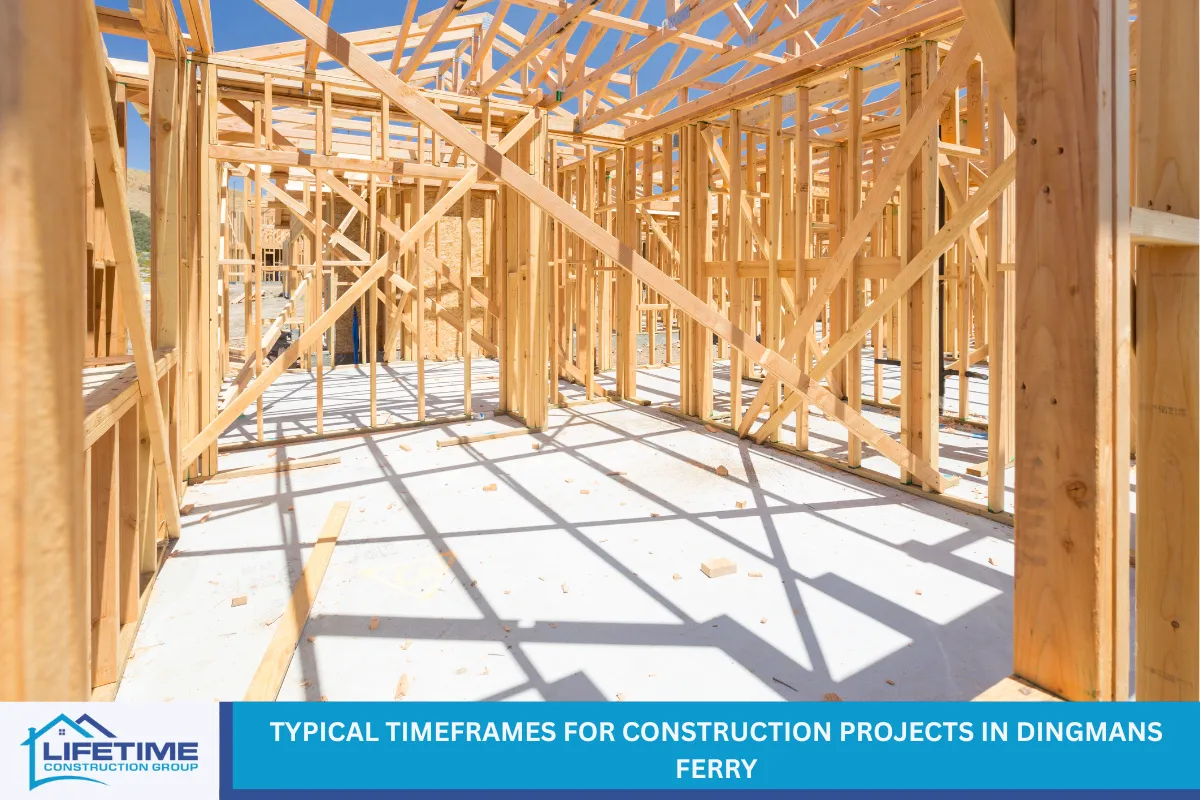
Construction project timelines can vary greatly depending on the specific type of project being undertaken. Below, we break down the typical timeframes for some common construction projects in Dingmans Ferry.
New Home Construction
Building a new home generally takes between 6 months and 12 months, although more complex designs may extend the timeline. Factors such as site preparation, foundation work, framing, electrical and plumbing installation, and final finishing all contribute to the overall duration of the project. Custom homes with specific design features or large properties may take longer, especially when special materials or permits are required.
Home Renovations
Renovations can often be completed in a shorter time than new builds. Smaller projects, such as kitchen or bathroom remodels, can take a few weeks to a couple of months, while larger projects, like adding a new room or finishing a basement, may require several months to complete. Renovations often rely on existing structures so that any necessary demolition or structural changes can impact the timeline.
Commercial Construction Projects
Commercial buildings require detailed planning and larger teams, which can increase the project’s duration and complexity. Smaller commercial buildings, such as small offices or retail spaces, can take approximately 1 to 2 years to complete. In comparison, larger projects may extend to 3 years or more. The complexity of the building, including the need for specialized facilities such as elevators or HVAC systems, also impacts the timeline.
Roofing and Siding Installation
Roofing projects typically take between a few days and a week, depending on the size and condition of the roof. Siding installation typically takes 1 to 2 weeks for a residential property. However, this timeframe can vary depending on the selected material and the size of the home.
Strategies to Speed Up Construction Timelines
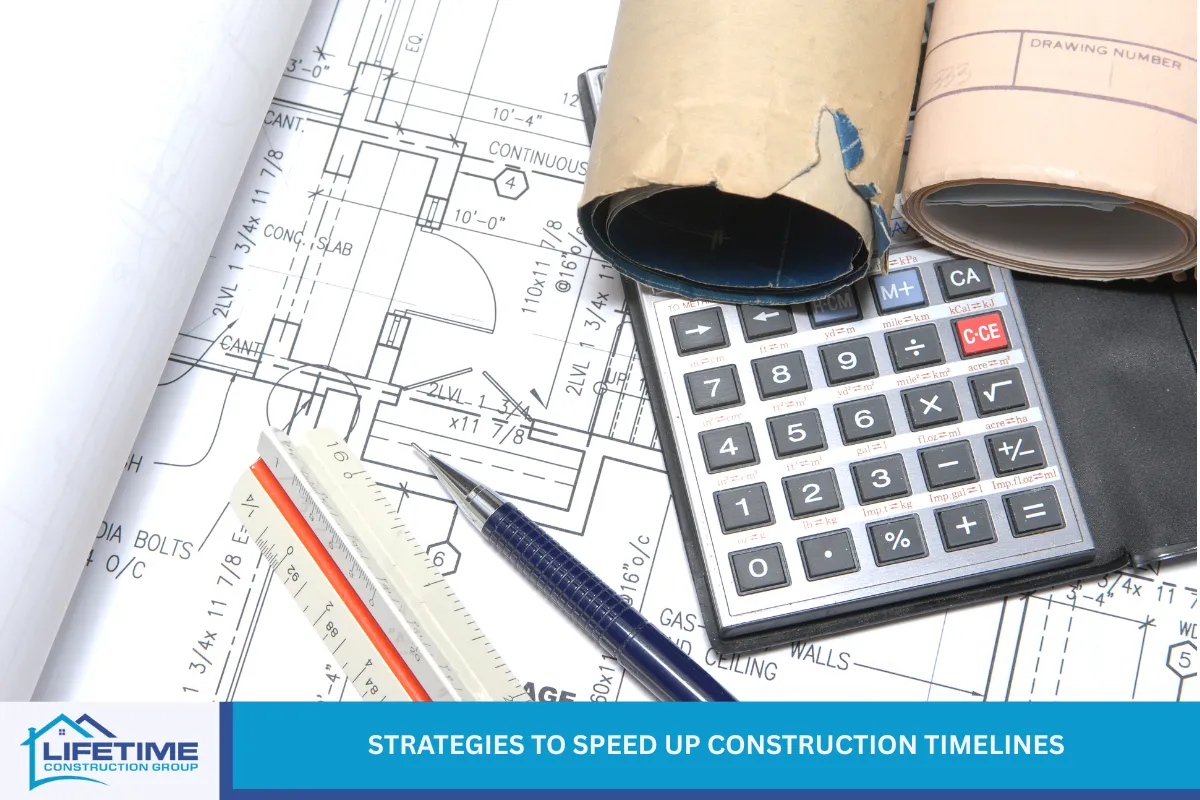
Construction companies can employ several strategies to minimize delays and expedite the process without compromising the quality of the work.
1. Detailed Project Planning
Meticulous planning is critical to staying on schedule. This involves scheduling tasks carefully, ordering materials in advance, and preparing for potential weather-related delays. An experienced contractor in Dingmans Ferry can create a timeline that accounts for the unique challenges of the area, ensuring the project progresses smoothly.
2. Efficient Supply Chain Management
Ensuring that materials are sourced and delivered on time is another effective strategy to prevent delays. Construction companies in Dingmans Ferry often maintain strong relationships with local suppliers to ensure timely deliveries, reducing the likelihood of waiting for materials.
3. Weather Contingency Plans
Since the weather can be unpredictable, construction companies often build contingency time into the project schedule. Additionally, they may opt to complete indoor tasks when outdoor work cannot proceed due to unfavorable conditions. This ensures that the project can continue progressing even during periods of bad weather.
How to Ensure a Smooth and Timely Construction Process
For homeowners and businesses looking to build in Dingmans Ferry, selecting the right construction company is crucial to ensuring the project is completed efficiently and on time. By clearly communicating expectations, working closely with the construction company, and understanding the factors that may cause delays, you can help keep your construction project on track.
The Importance of Realistic Timelines in Construction
Setting realistic timelines is crucial when planning a construction project in Dingmans Ferry. While many factors—such as weather, permits, and material availability—can influence the duration, having a clear understanding of these elements will help manage expectations. Whether you are building a home, renovating an existing space, or undertaking a commercial project, it’s important to work with an experienced contractor who can provide an accurate timeline and keep your project on track.
Remember that while delays are sometimes unavoidable, with careful planning and preparation, construction projects can be completed successfully and efficiently. Working with a reputable construction company that understands the local environment and has experience in Dingmans Ferry will help ensure that your project is completed efficiently and to the highest standards.
Dingmans Ferry Construction Company – Lifetime Construction Group LLC
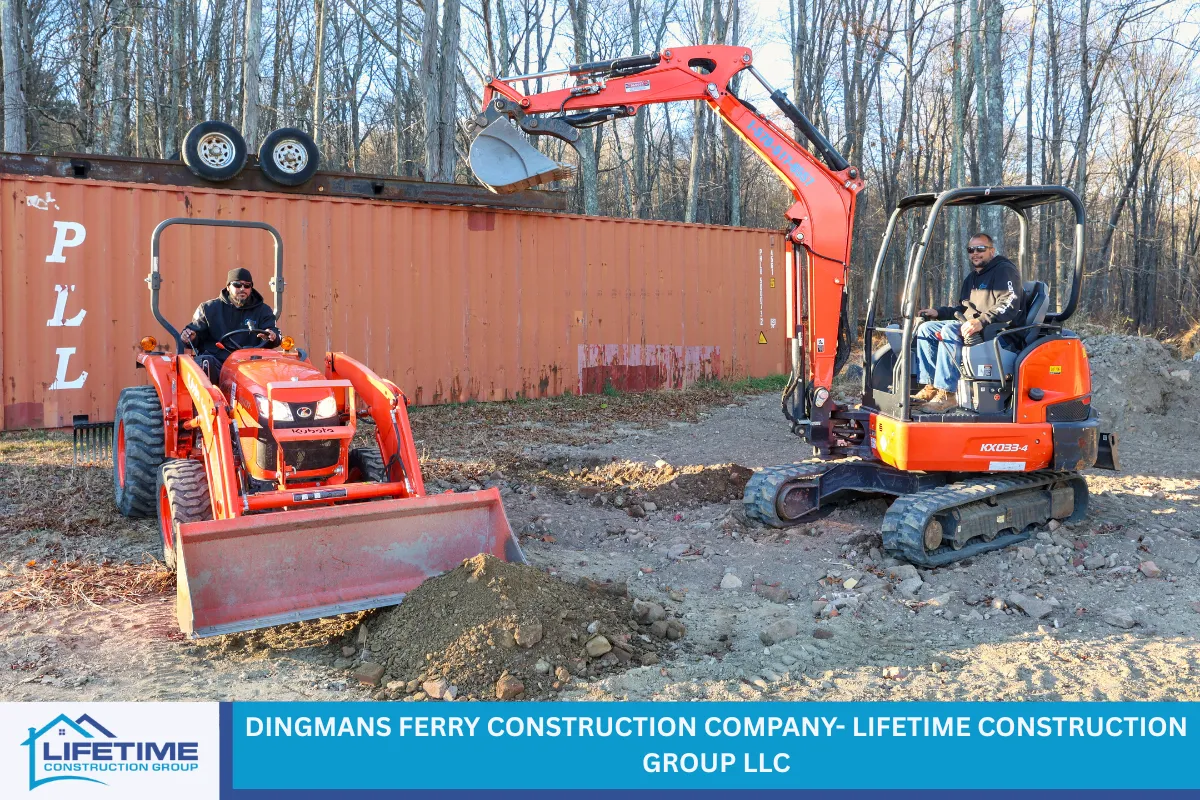
Looking for a trusted construction company in Dingmans Ferry? Lifetime Construction Group LLC provides top-tier construction services for a wide range of projects, including home building, renovations, and repairs. We specialize in roofing, siding installation, garage construction, and historical renovations, ensuring each project is completed with precision and high-quality materials that stand the test of time.
Whether you are planning a residential upgrade or need commercial construction work, we are dedicated to delivering expert craftsmanship and exceptional service. We handle everything from roofing and excavation to custom woodworking and septic system installation, offering solutions tailored to your needs. Contact us at (570) 517-6557 to learn more about our services or schedule your next project!
Frequently Asked Questions (FAQ)
How long does a typical construction project take to complete?
The duration of a construction project largely depends on several factors, such as the project scope, complexity, and the type of construction being undertaken. For a residential construction project, the construction timeline typically ranges from a few months to over a year, depending on whether it’s a home renovation project or ground-up construction. Project managers carefully develop a project timeline during the design development phase, which is critical to organizing tasks and meeting deadlines. A construction company will break the project into phases, starting with site selection and permitting processes, followed by the actual construction phases such as excavation, structure building, and interior fit-out. The inspection phase occurs before the issuance of the Substantial Completion Certificate. Building materials, construction management costs, and project management efforts all contribute to the overall timeframe. Delays may occur due to permitting processes, weather conditions, or unforeseen snagging issues during the bidding process and the change order tracking system.
What is the role of a construction project manager?
A construction project manager is responsible for overseeing the entire construction project, from the initial planning permission stage to the final inspection phase. They coordinate and manage various aspects, including budgeting, cost estimating, construction documents, and ensuring that building regulations are met throughout the process. In commercial construction, a project manager may be responsible for more extensive site selection and oversee the delivery of materials and modern equipment necessary for the project. The project manager also plays a crucial role in managing contractors and construction managers, ensuring that each team stays on schedule and within budget. Additionally, they serve as the primary point of contact between the client, the construction company, and subcontractors. Effective project management is crucial for maintaining construction timelines and ensuring that construction management costs are controlled without compromising quality.
What is the difference between modular construction and traditional construction?
Modular construction is a method where building components are pre-fabricated in a controlled factory environment and then assembled on-site. This can significantly reduce the construction timeframe compared to traditional methods, where all the building processes are completed on-site. In modular construction, the construction company can simultaneously prepare the site. At the same time, the building components are being made, which shortens the project timeline. While traditional construction employs a more linear and sequential approach, modular construction can be more efficient in terms of both cost and time, particularly for projects that require standard designs or rapid deployment. However, the building permit and planning permission processes for modular construction may differ from those for traditional builds, as there may be additional regulations regarding the factory manufacturing and transportation of these components. Ultimately, both methods have their own costs and benefits, with modular construction being especially advantageous for commercial projects or large-scale projects that require fast completion.
What is included in construction project planning?
Construction project planning involves developing a comprehensive plan that outlines every stage of the project, from initial design to final inspection and completion. The project scope is clearly defined to include all deliverables, timelines, and associated costs for the construction. This includes preparing construction documents, such as architectural designs, structural plans, and specifications for building materials. Planning permission and building consent are also integral to this phase, ensuring that the project complies with local building regulations and is eligible for necessary building permits. The bidding process is part of this stage, where contractors submit their proposals to carry out the work based on the plans and specifications. A good construction plan includes a detailed cost estimating breakdown, timeline, and identifies potential risks. It also ensures that the construction company has the modern equipment and skilled labor necessary to meet the set construction timelines. Throughout the planning phase, clear communication between the construction manager, project team, and client is essential for a successful project.
What is the inspection phase in construction?
The inspection phase in construction refers to a series of evaluations conducted by building inspectors to ensure that all aspects of the project meet building regulations and construction standards. This phase typically occurs at various stages of the project to check the quality of work and compliance with the construction contract. For example, during the foundation stage, an inspector will verify that the site preparation and foundation work meet safety and building requirements. During the later stages, inspectors assess the quality of building components, electrical work, plumbing, and other aspects. After all inspections are completed and passed, the project is eligible to receive a substantial completion certificate, signifying that the project is finished and can be handed over to the client. Delays in the inspection phase can push back the project’s completion date. Hence, the construction company needs to ensure that all work is completed and meets the required standards before requesting an inspection.
How are construction costs managed during a project?
Managing construction costs effectively is a critical part of project management. Construction companies typically provide an initial cost estimate based on the project scope and construction documents. However, during the project, unexpected costs may arise due to changes in the project scope, material price fluctuations, or delays caused by weather or regulatory issues. To keep costs under control, cost-estimating tools and change order tracking systems are utilized. These systems help track any alterations to the original plans and provide transparency to clients. A construction project manager is responsible for overseeing the management of construction costs throughout the entire project. This includes negotiating with subcontractors, ensuring that material orders stay within budget, and identifying areas where costs can be reduced without compromising quality. Effective project management ensures that the project stays within the established budget while delivering quality results. Proper tracking of the bidding process and contract amendments is crucial to maintaining financial control.