


Why Your Questions Matter Before Hiring a Kitchen Remodeler
Choosing a kitchen remodeler for your Pike County home is one of the most consequential decisions you will make during a renovation. Many homeowners jump into the construction process without knowing what to ask, and the result is predictable: unclear estimates that balloon mid-project, poor communication that breeds frustration, and unpermitted work that complicates future home sales or insurance claims.
Imagine discovering knob-and-tube wiring behind your plaster walls two weeks into demolition, with no written agreement on how extra costs are handled. That scenario is not rare in a county where the median home age in Pennsylvania hovers around 57 years.
The solution is straightforward. Asking detailed questions before you hire helps you evaluate any contractor, set expectations, and protect both your budget and your home. This guide gives you a practical, locally focused checklist of questions tailored to Pike County rules, inspections, and typical kitchen improvement needs.
Key Takeaways
- Always verify that your kitchen remodeling contractor is registered under Pennsylvania’s Home Improvement Consumer Protection Act and carries adequate insurance before signing anything.
- Ask for a detailed written scope of work, an itemized estimate, and a clear payment schedule tied to project milestones to protect your budget.
- Confirm who handles permits and inspections in your specific Pike County municipality, whether that is Dingmans Ferry, Milford Borough, or another township.
- Request recent references and before-and-after photos of similar projects to evaluate craftsmanship, communication, and reliability.
- Discuss how change orders, unexpected issues, and daily communication will be managed throughout the entire process.
Start Online: Questions to Ask Yourself While Researching Pike County Kitchen Pros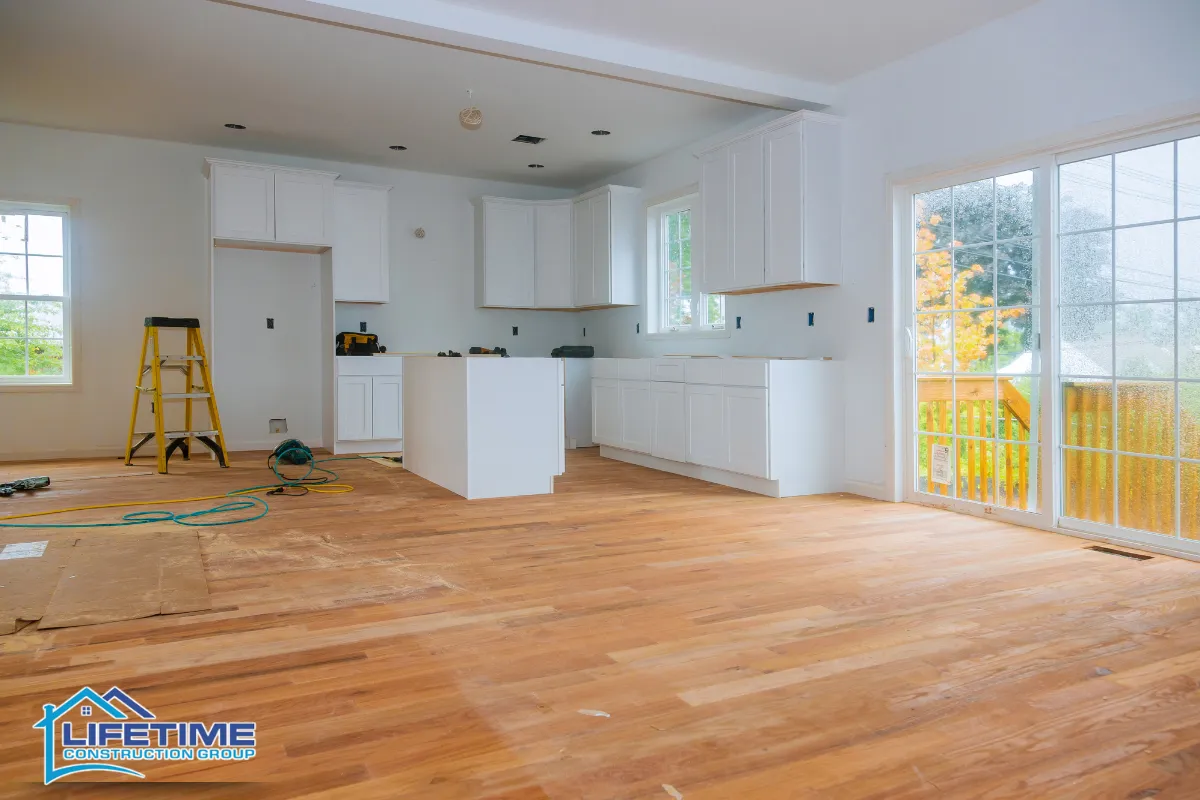
Before you pick up the phone or fill out a contact form, spend time evaluating contractors from your desk. Review websites and portfolios for recent kitchen remodels completed in Pike County communities like Dingmans Ferry and Milford. A strong portfolio showcases a contractor’s workmanship and design style, so look for full project galleries that show cabinets, countertops, lighting, and flooring rather than a handful of vague snapshots.
Testimonials highlight both strengths and weaknesses of contractors. Pay attention to comments about meeting timelines, handling unexpected issues, and keeping work areas clean. Look for professionals who clearly present themselves as a kitchen remodeling contractor with experience in complete renovations, not just a general handyman offering a long list of unrelated services.
Before reaching out, prepare a shortlist of two to four candidates based on:
- Evidence of completed, permitted projects in Pike County
- Portfolio variety that includes a strong range of completed projects
- Positive reviews mentioning communication and professionalism
- Clear presentation of qualifications, registration, and insurance on their website
Essential Licensing and Insurance Questions for Pike County, PA
Pennsylvania does not issue a statewide home improvement contractor license in the traditional sense. Instead, the state requires registration under the Home Improvement Consumer Protection Act for residential contractors doing over $5,000 in work annually. Licensing requirements vary by state and county, so understanding the local landscape is essential before you sign a contract.
Here are the questions you should ask every candidate:
- “Are you currently registered as a home improvement contractor in Pennsylvania, and can I see your registration number?” Contractors should provide current documentation of their licenses upon request.
- “Do you carry general liability insurance and workers’ compensation coverage?” Contractors must provide certificates of liability insurance and workers’ compensation insurance. This protects your property and everyone involved in the project if an injury or property damage occurs on the jobsite.
- “Which subcontractors will handle specialty trades like electrical work and plumbing, and are they properly licensed?” Verify subcontractor qualifications for specialized tasks, because local regulations require contractors to comply with residential building codes during kitchen remodels.
- “Who handles permits and inspections for the project?” Confirm that the contractor pulls necessary building and plumbing permits required by local authorities. Under the Pennsylvania Uniform Construction Code, any structural alteration, electrical upgrade, or plumbing relocation requires a permit and inspection through your municipality.
Always verify local requirements for permits and insurance before hiring. In Pike County, permits are administered at the township or borough level, meaning the process in Dingman Township may differ slightly from Milford Borough.
Read How Do I Know if a Kitchen Remodeler Is Reputable in Pike County, PA?
Clarifying Experience: Questions About Kitchen-Specific Background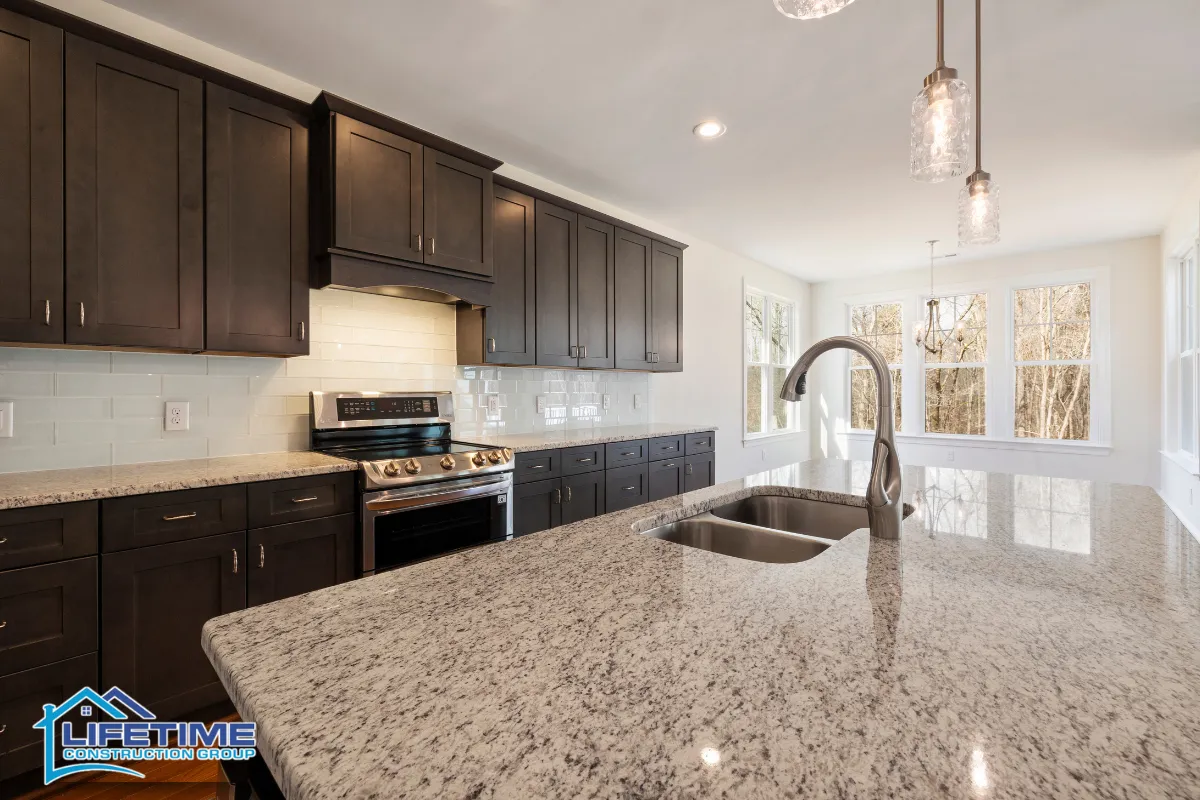
Kitchens are more complex than most rooms because they require coordinating plumbing, electrical, ventilation, cabinetry, and countertop fabrication. A contractor’s experience can indicate their reliability and consistency, so focused kitchen renovation history matters more than a general remodeling resume.
Ask these questions during your consultation:
- “How many kitchen remodels have you completed in Pike County in the last two to three years?” Review the contractor’s experience with local kitchen remodels over the past two years to confirm they understand area-specific challenges like older wiring, undersized panels, and seasonal moisture concerns.
- “Can you share before-and-after photos of similar projects, such as galley layouts, open-concept conversions, or wall-removal jobs?” Contractors should have experience with similar kitchen projects, and a strong portfolio includes a variety of completed projects that reflect different styles and scopes.
- “How do you coordinate specialty trades like electricians, plumbers, and countertop fabricators to prevent delays?” Experience with kitchen cabinetry is crucial for quality craftsmanship, and a remodeler who manages sequencing well keeps the project moving without rework.
- “Can you describe a past challenge on a local project and how your team resolved it?” References help assess how contractors handle challenges. Ask contractors how many similar renovations they completed recently, and obtain three recent local client references to assess the contractor’s reliability and craftsmanship. Client feedback reveals contractor communication and reliability in ways that a portfolio alone cannot.
Contractors should provide recent references upon request. Do not skip this step.
Defining Scope and Design: Questions That Shape Your Kitchen Remodel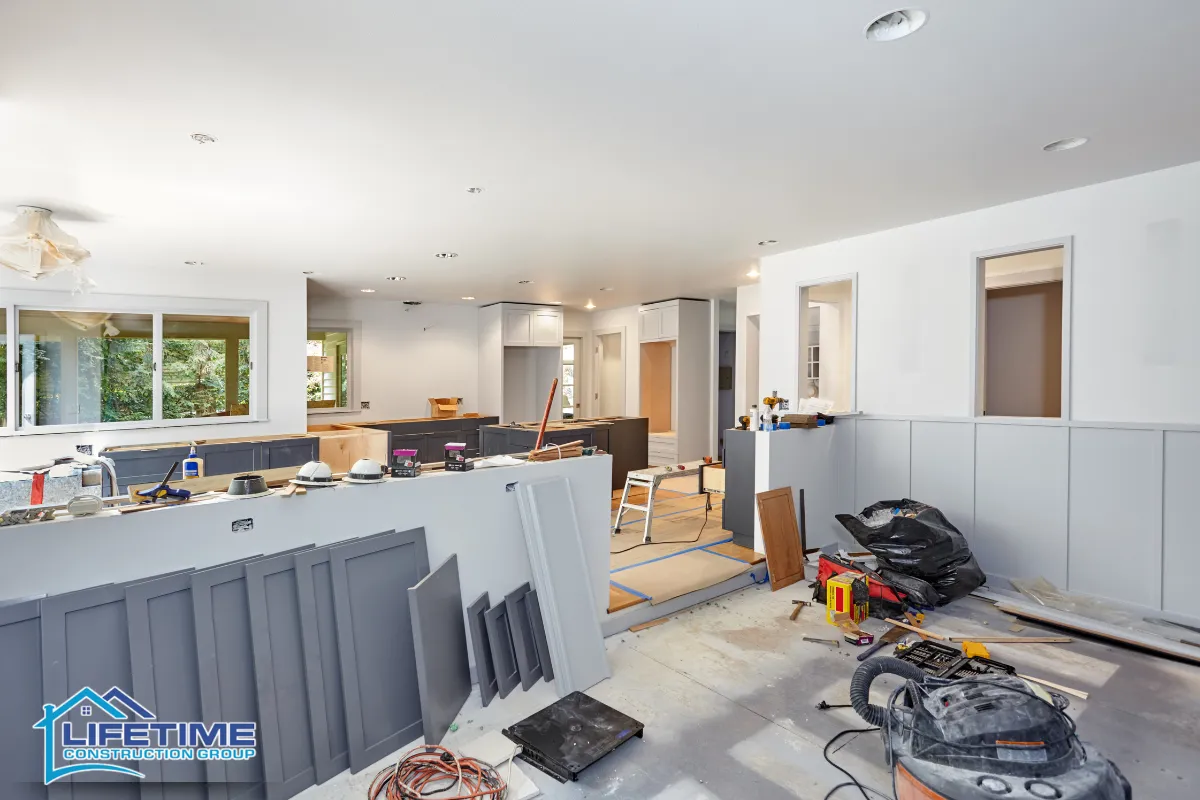
A clear scope of work and design plan are the backbone of a successful remodeling project. A detailed scope of work reduces misunderstandings later, and it is your most important tool for comparing proposals fairly.
Key questions for this stage:
- “Do you provide design services, or will I need a separate designer for layout planning, cabinetry, and lighting?” A design-build contractor handles all project phases, from initial concepts through installation, which can simplify communication and accountability.
- “Will you provide a written scope of work listing every element: demolition, framing, electrical work, plumbing, HVAC adjustments, cabinets, countertops, backsplash, flooring, painting, and final cleanup?”
- “What is included versus excluded in the proposal?” Ask specifically about appliances, specialty fixtures, under-cabinet lighting, and custom inserts. Understanding what falls outside the estimate is just as important as knowing what falls inside.
- “Who is responsible for final measurements and orders for cabinets and countertops?” Miscuts and wrong measurements lead to weeks of delays and added cost. Clarify whether the contractor’s team handles templates or whether a third-party fabricator takes over.
When selecting materials, ask what price level has been assumed for finishes in the base estimate. The difference between stock and custom cabinetry can be thousands of dollars, and you need to know what the proposal reflects before comparing it against other bids.
Schedules, Access, and Daily Routine: Questions About How Work Will Happen
Understanding how a kitchen remodel will affect daily life in your Pike County home helps you prepare your household and manage expectations realistically. Anticipated timelines depend on project size and complexity. A cosmetic refresh may take a few weeks, while a full renovation with structural changes, custom cabinets, and permit-required work typically spans four to seven months from design through completion.
Questions to ask:
- “What is the projected start date and realistic completion window, assuming permits are approved on schedule?” Contractors should provide a realistic construction schedule with clear milestones. Milestones help evaluate progress during the renovation.
- “What are your daily working hours, and will crews work weekends?” In rural Pike County, ask about parking on residential driveways, staging equipment, and dumpster placement.
- “How will you secure tools and materials at the end of each day?”
- “How do we handle access: side doors, garages, pets, and children’s safety?”
Define a main point of contact for project communication so you always know who to call if an issue arises. Material lead times can impact the overall project schedule, so ask your contractor to confirm cabinet and countertop delivery windows before construction begins. Unexpected setbacks can affect the remodeling timeline, and regular updates help maintain transparency during renovations.
Budget Protection: Estimates, Allowances, and Payment Schedule Questions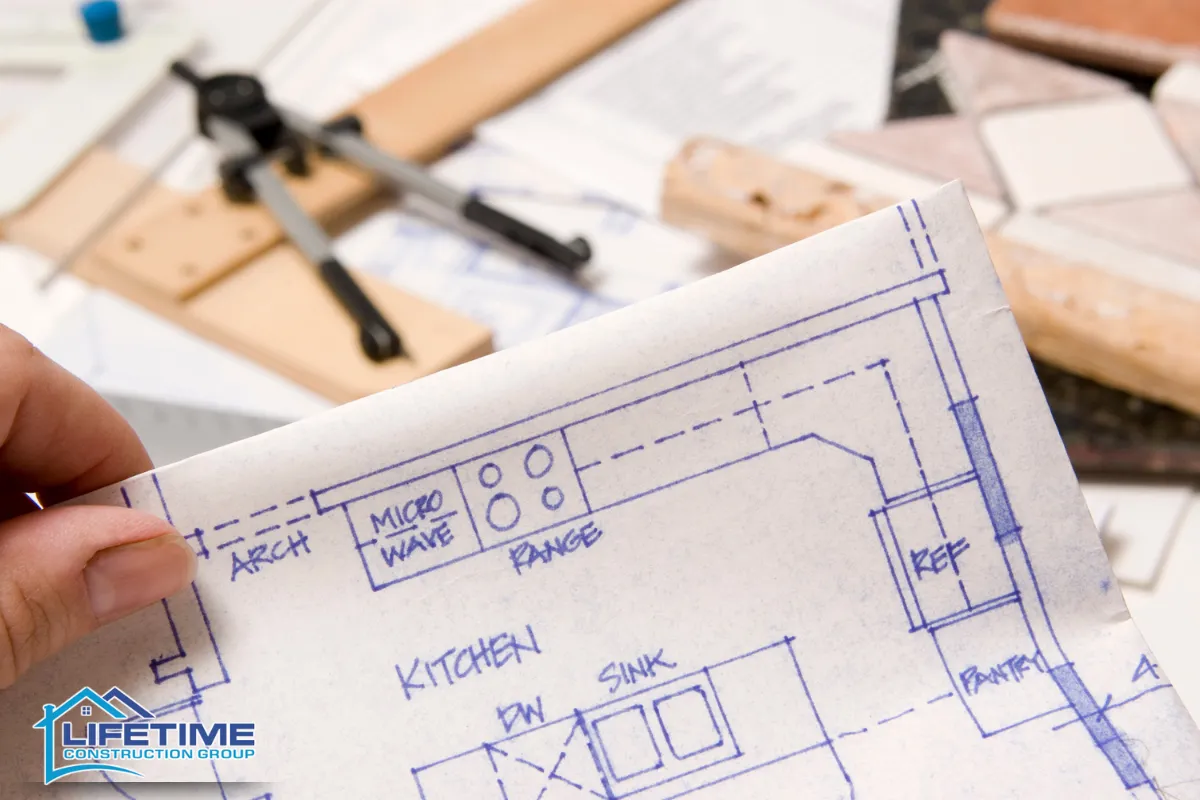
This section is critical for avoiding mid-project financial surprises. In Pennsylvania, kitchen remodels typically range from $14,550 to $48,500, with an average around $29,100. More extensive projects with layout changes and premium finishes can exceed $100,000. Costs run roughly $100 to $300 per square foot, and plumbing or electrical relocations alone can add $2,000 to $5,000.
Ask for a detailed, itemized estimate that includes labor, materials, and allowances for line items such as cabinets, tile, countertops, and lighting. An allowance is a placeholder dollar amount for items you have not yet selected. If the estimate assumes builder-grade flooring but you want engineered hardwood, the difference comes out of your pocket unless you catch it early. Ask what is not included in the estimate.
The most important question here: “What is the payment schedule, and how are milestone payments tied to progress on the kitchen remodel?” Payment schedules should connect to defined work milestones, not arbitrary calendar dates.
Under Pennsylvania’s HICPA, down payments for contracts over $5,000 are limited, typically to no more than one-third of the total contract price plus special-order material costs. Ensure all payment terms appear in the signed agreement. A detailed scope of work reduces misunderstandings and protects both parties.
- Get every allowance amount in writing
- Understand how upgrades or downgrades affect the final price
- Never agree to pay the majority of the cost before work is completed
Handling Surprises: Change Orders, Hidden Issues, and Communication
Older homes in Pike County can hide serious problems behind walls that only appear once demolition begins. Galvanized plumbing, knob-and-tube wiring, rotted subfloors, and load-bearing framing issues are common discoveries. Clear communication prevents frustration during remodeling projects, and the way a contractor communicates about surprises reveals whether they are the right fit for your project.
Ask these questions upfront:
- “How do you handle change orders if we add work or if you uncover hidden problems behind the walls?” Change orders must be documented and approved in writing, with updated pricing and schedule impact, before any new work starts.
- “How will you communicate discoveries, options, and costs: by phone, email, or in-person walkthroughs?” Discuss how changes will be communicated during the remodel. A reliable communication plan names a project contact so you are never guessing who to reach.
- “Can you give me examples of past unforeseen issues and how your team kept the project on track while staying compliant with local building codes?”
Regular updates help maintain transparency and trust throughout the construction process. Without a clear protocol, even minor surprises can spiral into major delays and budget overruns.
Cleanliness, Safety, Warranties, and Final Walkthrough Questions
A clean, safe workspace reflects a professional operation and signals how the company handles the finer aspects of a remodeling project. Ensure the contractor handles clean-up and debris removal during the project, not just at the very end.
Questions to cover:
- “How will you protect adjacent rooms, flooring, and pathways from dust and damage during the remodel?” Ask about plastic sheeting, floor coverings, and dust barriers between the kitchen space and living areas.
- “Where will the dumpster go, and how often will debris be hauled away?” Disposal logistics matter, especially on rural Pike County properties with limited road access or homeowner association rules.
- “What warranties do you offer on labor and materials?” Warranties for workmanship and installed components should be clearly outlined by the contractor. Ask how long the labor warranty lasts, what material warranties apply to cabinets, countertops, flooring, and fixtures, and how warranty claims are handled after the project is completed.
- “What does the final walkthrough look like?” Ask for a documented punch-list process and confirm you will receive all receipts, appliance manuals, and inspection approval certificates at closeout.
Safety codes matter too. GFCI outlets, smoke detectors, and proper ventilation are all regulated under Pennsylvania’s Uniform Construction Code, and your contractor should explain how those requirements apply to your renovation.
Red Flags and Comparison Tips When Choosing a Kitchen Remodel Partner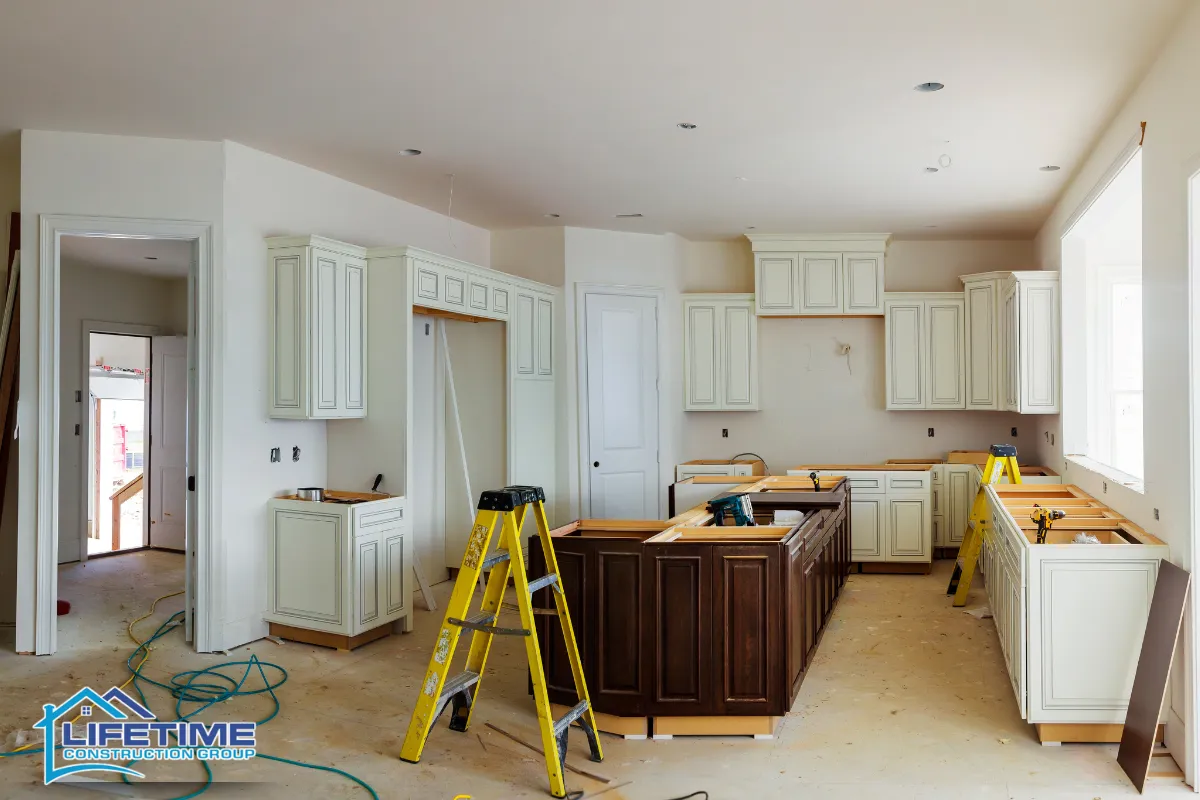
This section helps you compare multiple bids and spot warning signs before committing. Not every low estimate is a bargain, and not every high bid is a rip-off.
Watch for these red flags:
- Extremely low bids that lack detail or line-item breakdowns
- Reluctance to show proof of being licensed and insured
- Pressure to pay most of the cost upfront, beyond what HICPA allows
- Unwillingness to provide references or a portfolio of similar projects
- Suggestions to skip permits for convenience or speed
Compare estimates line by line for clarity. Make sure each proposal covers the same scope, the same quality of durable materials, and the same level of inclusions so you are evaluating like for like. An estimate that excludes demolition, disposal, or painting is not truly cheaper than one that includes everything.
Pay attention to how each contractor communicates during early conversations. The right contractor is one whose communication style feels clear, responsive, and respectful. If a company is hard to reach before they have your money, expect worse once construction begins.
Trust both documented information and your own comfort level when selecting the right professional for your Pike County kitchen remodel. Many homeowners find that the contractor who asks the best questions during the consultation is often the one who delivers the best results.
Kitchen Remodeler in Pike County, PA – Lifetime Construction Group LLC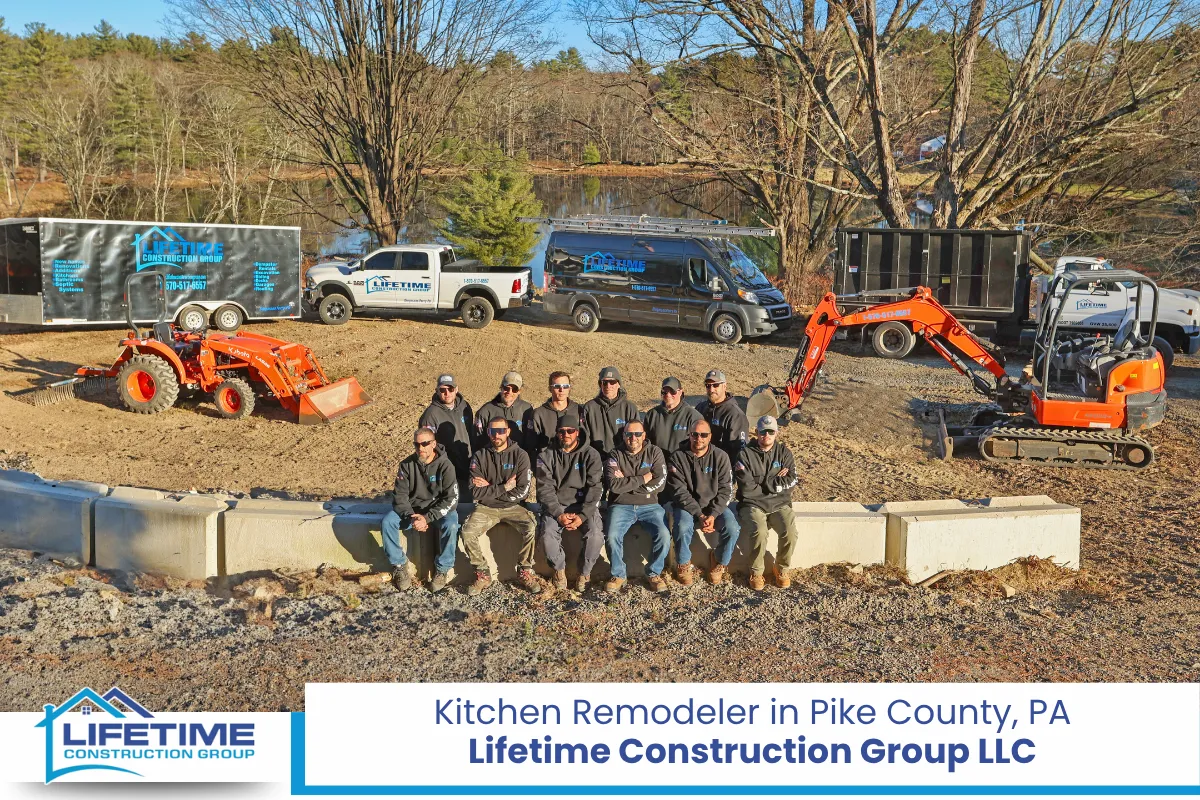
At Lifetime Construction Group LLC, we understand that hiring a contractor for your kitchen renovation is a decision built on trust. We are based in Dingmans Ferry, Pennsylvania, and we provide home construction and kitchen remodeling services throughout Pike County and surrounding communities. Our team coordinates every phase of a kitchen improvement project, from design consultation and permitting through cabinetry installation and final walkthrough. We follow all local building codes and inspection requirements, maintain proper registration, and carry full insurance for the work we perform. We are committed to transparent pricing, honest timelines, and clear communication on every project we take on. If you are planning a kitchen remodel or any home construction project, contact us today. Call us at (570) 517-6557 or fill out our online contact form to discuss your ideas and receive a detailed, no-obligation proposal.
Frequently Asked Questions
How Far in Advance Should I Book a Kitchen Remodeler in Pike County, PA?
Most reputable contractors schedule larger kitchen projects at least eight to twelve weeks out to allow time for design consultations, permit applications, and ordering cabinets or custom materials. During peak seasons like spring and summer, lead times can stretch even longer. If you are targeting a specific date, such as a holiday gathering or family event, start conversations with contractors several months ahead. Factor in time for design revisions and material selections. Avoid rushing into signing with a remodeler who happens to be available immediately if other signals of professionalism, such as registration, insurance, and references, are lacking. Early planning gives you more control over the entire process and helps you find the right fit.
Do I Need to Move Out During My Kitchen Remodel in Pike County?
Most homeowners can remain in the home with some adjustments. Your contractor can help set up a temporary kitchen space with a microwave, coffee maker, and portable storage in another room. Expect noise, dust, and limited access to water or appliances during active construction hours. If you have young children or pets, discuss safety measures with the contractor’s team and plan to keep them away from the work zone. For very extensive projects involving structural changes, major utility shutdowns, or full floor replacements, a short stay elsewhere may be more comfortable. This is an important question to raise when reviewing the schedule so you can prepare accordingly.
What Permits Are Typically Required for a Kitchen Remodel in Pike County, PA?
Permits are commonly needed for work involving changes to electrical systems, plumbing, gas lines, or structural elements like removing or altering load-bearing walls. Under the Pennsylvania Uniform Construction Code, these permits are administered at the municipal level, so requirements may differ between Dingman Township, Milford Borough, and other Pike County jurisdictions. Ask your contractor which aspects of the project require permits and inspections, and confirm who will apply for them. Permitted work ensures safety, keeps you compliant with local codes, and can be an important factor for future home sales and insurance coverage. Avoid any remodeler who suggests skipping permits for convenience.
How Can I Prepare My Existing Kitchen Before the Remodel Starts?
Start by clearing all cabinets, drawers, and countertops. Pack dishes, small appliances, and food items in labeled boxes so essentials remain easy to access during construction. Remove wall decorations and any sentimental items you want to protect. Turn the project area into a clean, empty workspace so the crew can begin demolition promptly and safely. Coordinate appliance disconnection with your contractor and utility providers if necessary. Ask the remodeler where to store salvaged items such as hardware or fixtures you want to reuse elsewhere. Taking these steps before work begins shows the team you are organized, which helps the project start smoothly and on schedule.
What Is the Difference Between a Kitchen Refresh and a Full Kitchen Remodel?
A kitchen refresh involves cosmetic updates: painting or refacing existing cabinets, swapping hardware, updating a backsplash, or replacing light fixtures. The layout, plumbing, and electrical stay in place, so the timeline and budget are significantly smaller. A full kitchen remodel may involve new cabinetry, relocated plumbing or electrical, structural modifications like wall removal, updated ventilation, and entirely new flooring and countertops. The questions to ask a contractor will differ depending on whether the project is mainly about style changes or includes deeper system and structural work. Clarify your goals and specific needs early so prospective contractors can propose an appropriate scope, realistic timeline, and accurate budget for the functionality you want.
Disclaimer: This article provides general information about hiring kitchen remodelers in Pike County, PA and does not constitute legal, financial, or professional advice. Always verify current local codes, permit requirements, and contractor credentials independently before making hiring decisions.
Read How Long Does Home Construction Take? A Timeline Guide for Pike County, PA